


50th ISTANBUL International Conference on Green Technologies & Sustainable Engineering (IGTSE-26) April 29-May 1, 2026 Istanbul (Türkiye)
IGTSE-26
- URL: https://cbmsr.org/conference/383
- Event Date: 2026-04-29 ~ 2026-05-01
- Submission Date: 2026-03-04
- Organizer: CBMSR
- Location: Istanbul, Turkey
Nanotechnology Nanotechnology Biomedical Technology Biotechnology
Topics
Papers are welcomed in the following research fields:
Sustainable Energy Systems & Technology
This domain centers on the transition to a low-carbon energy infrastructure
Renewable Energy Generation:
Solar Power: High-efficiency photovoltaic (PV) cells (Perovskites, Tandem cells), floating solar farms, Building-Integrated Photovoltaics (BIPV).
Wind Power: Turbine design optimization, Floating Offshore Wind technology, lightweight composite materials.
Bioenergy: Advanced biofuels (from non-food biomass, algae, and waste), Biogas, Bio-refinery systems.
Geothermal and Hydro: Enhanced Geothermal Systems (EGS), Micro-hydro, Tidal and Wave energy.
Energy Storage & Conversion:
Battery Technology: Advanced materials (Solid-state, Lithium-Sulfur, Sodium-ion), Long-Duration Energy Storage (LDES) like iron-air or flow batteries.
Hydrogen Economy: Green Hydrogen production (electrolysis using renewable power), Blue Hydrogen with Carbon Capture, Fuel Cells (PEMFC, SOFC), Storage and transport infrastructure.
* **Thermal Storage:** Using molten salts or Phase Change Materials (PCMs) for industrial or grid-scale heat retention.
Smart Grids & Efficiency:
Smart Grid: Decentralized energy systems, Microgrids, AI-powered load forecasting and demand response.
Energy Efficiency: Industrial heat integration, smart HVAC, and Building Management Systems (BMS) to automate energy use.
Green Engineering & Resource Management
This pillar focuses on minimizing resource depletion, waste, and pollution in industrial processes.
Circular Economy & Waste Valorization:
Life Cycle Assessment (LCA): Quantifying the environmental impact of a product from "cradle to grave" (or "cradle to cradle").
Resource Efficiency: Industrial symbiosis (waste from one facility becomes feedstock for another).
Advanced Recycling: Chemical recycling (breaking polymers back into monomers), upcycling, and Urban Mining (recovering precious metals from e-waste).
Green Chemistry & Green Chemical Engineering:
Sustainable Solvents: Using water, supercritical CO2, or ionic liquids instead of hazardous organic solvents.
Catalysis: Developing highly selective, non-toxic catalysts (Biocatalysis, Photocatalysis).
Process Intensification (PI): Using technologies like microreactors and reactive distillation to increase efficiency and safety while reducing plant size.
Sustainable Materials Science:
Green Materials: Bio-based and biodegradable polymers, sustainable concrete alternatives (low-carbon concrete), and self-healing materials.
Sustainable Manufacturing: Additive manufacturing (3D printing) for reduced material waste, and closed-loop manufacturing systems.
Environmental Mitigation & Climate Tech
This area covers technologies designed to remove pollutants and address climate change directly.
Carbon Management:
Carbon Capture, Utilization, and Storage (CCUS): Post-combustion capture, Direct Air Capture (DAC) technologies, and conversion of CO2 into fuels or chemicals (CO2 Utilization).
Carbon Sequestration: Natural (forestation, soil management) and enhanced mineralization.
Water Management & Treatment:
Desalination: Energy-efficient membrane technologies (Reverse Osmosis, Nanofiltration).
Wastewater Treatment: Advanced Oxidation Processes (AOPs), resource recovery from wastewater (nutrients, energy).
Water-Energy Nexus: Optimizing water usage in energy production and vice versa.
Pollution & Remediation:
Air Pollution Control: Advanced systems for removing NOx, SOx, and fine particulate matter.
Contaminant Removal: Technologies for remediating soils and water contaminated with emerging contaminants (e.g., PFAS, microplastics).
Sustainable Infrastructure & Cross-Disciplinary Topics
These topics integrate the core technologies into the built environment and leverage advanced computation.
Sustainable Infrastructure & Built Environment:
Green Buildings: LEED/BREEAM standards, high-performance facades, smart ventilation and lighting systems.
Low-Carbon Construction: Using materials that reduce embodied carbon.
Smart Cities: Sustainable urban planning, integrating electric vehicle (EV) charging networks, and using sensors for resource optimization.
Cross-Disciplinary Trends:
AI and Machine Learning: Using predictive analytics for grid optimization, material discovery (AI-guided catalyst design), and emissions monitoring.
Sustainable Transport: Electrification of transport (EVs), hydrogen fuel cell vehicles, and sustainable aviation fuels.
Environmental Policy & Economics: Carbon pricing, regulatory compliance, and Environmental, Social, and Governance (ESG) reporting standards.
Event Promotion

|
|
The 13th International Conference on Quantum Dots (QD 2026) |
| 2026-05-17 ~ 2026-05-22 |
|
|
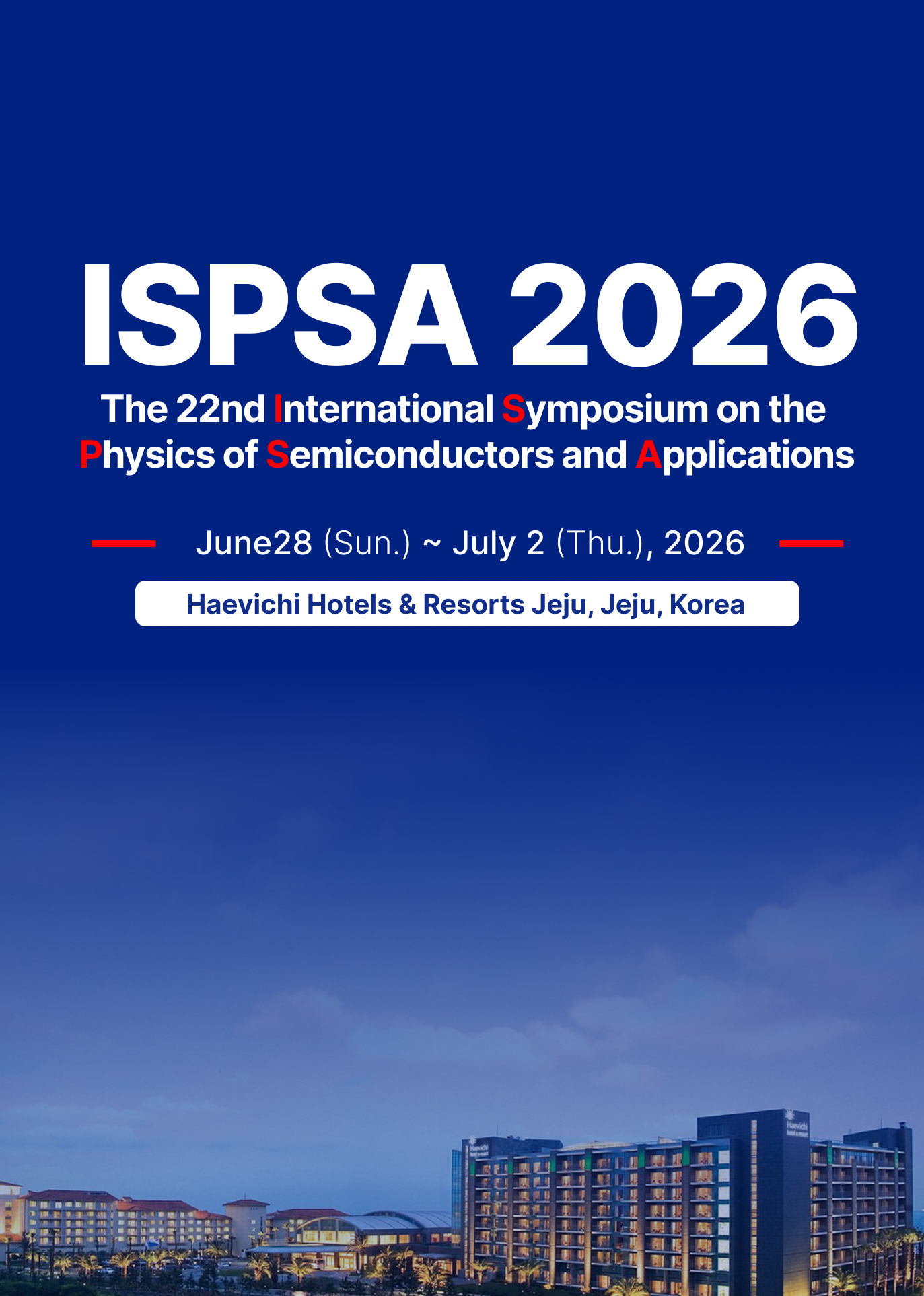
The 22nd International Symposium on the Physics of Semiconductors and Applications (ISPSA 2026) |
| 2026-06-28 ~ 2026-07-02 |

|
|
The 15th Asia-Pacific Conference on Transportation and the Environment (APTE 2026) |
| 2026-07-08 ~ 2026-07-10 |
|
|
ACEM26 / Structures26 (ACEM26) |
| 2026-08-24 ~ 2026-08-25 |
Journal Promotion
|
| Acta Koreana (Acta Koreana) |
|
| Acta Via Serica (AVS) |
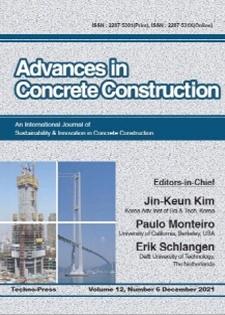
|
| Advances in Concrete Construction (Advances in Concrete Construction ) |

|
| Advances in Nano Research (Advances in Nano Research) |
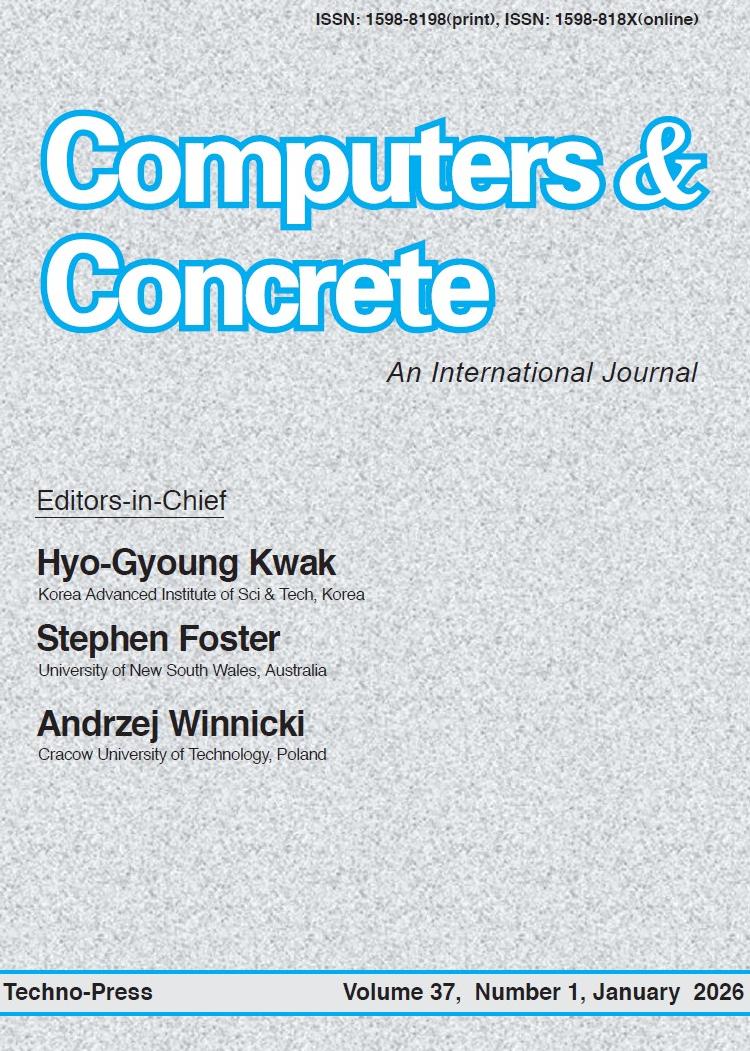
|
| Computers and Concrete (Computers and Concrete) |
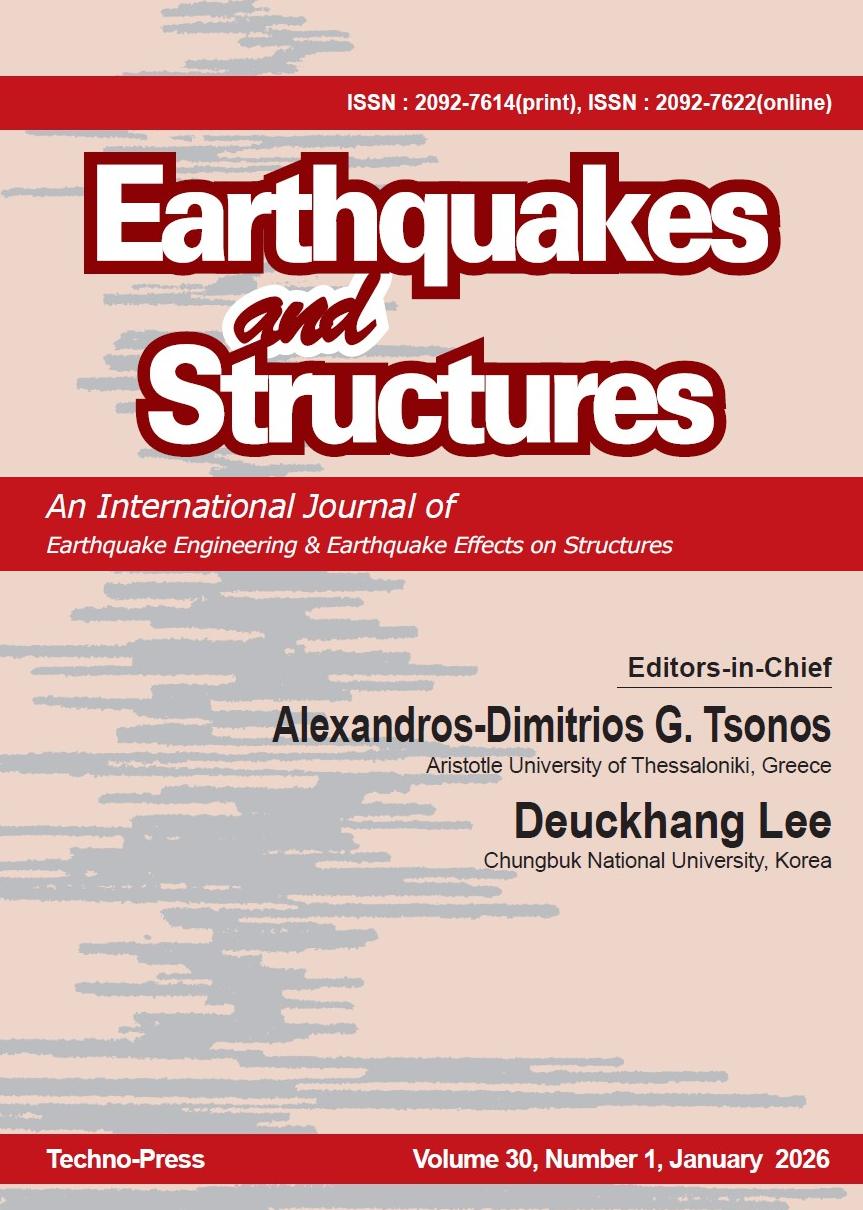
|
| Earthquakes and Structures, An International Journal (Earthquakes and Structures) |
|
| Geomechanics and Engineering (Geomechanics and Engineering) |
|
| Journal of Information Processing Systems (JIPS) |

|
| Journal of Internet Computing and Services (KSII - JICS) |

|
| Membrane and Water Treatment (MWT) |
|
| Smart Structures and Systems (Smart Structures and Systems) |
|
| Steel and Composite Structures, An International Journal (Steel and Composite Structures) |
|
| Structural Engineering and Mechanics, An International Journal (Structural Engineering and Mechanics) |
|
| Wind and Structures, An International Journal (Wind and Structures) |




MANUSCRIPTLINK © 2015 -
