


41st ISTANBUL International Conference on Research in Science, Engineering & Technology (IRSET-26)
IRSET-26
- URL: https://iceeat.heaig.org/conference/363
- Event Date: 2026-06-01 ~ 2026-06-03
- Submission Date: 2026-05-15
- Organizer: ICEEAT
- Location: Istanbul, Turkey
Materials Engineering Engineering & Computer Science (General) Materials Engineering Power Engineering Structural Engineering Science & Engineering Education
Call for papers/Topics
Full Articles/ Reviews/ Shorts Papers/ Abstracts are welcomed in the following research fields:
1. Science (The Pursuit of Knowledge)
Science is broadly divided into the study of the physical world, living organisms, and abstract systems.
A. Natural Sciences
Physical Sciences: * Physics: Classical mechanics, thermodynamics, electromagnetism, quantum mechanics, and astrophysics.
Chemistry: Organic, inorganic, analytical, physical, and biochemistry.
Earth Sciences: Geology, oceanography, meteorology, and paleontology.
Space Sciences: Astronomy, cosmology, and planetary science.
Life Sciences (Biology):
Molecular & Cellular: Genetics, microbiology, and cell biology.
Organismal: Zoology, botany, and physiology.
Environmental: Ecology, evolutionary biology, and conservation science.
B. Formal Sciences
Mathematics: Algebra, calculus, statistics, and geometry.
Logic: Mathematical logic and philosophical logic.
Theoretical Computer Science: Algorithms and computational theory.
2. Engineering (The Application of Science)
Engineering takes scientific principles and applies them to design, build, and maintain structures, machines, and systems.
A. Core Engineering Branches
Civil Engineering: Structural, environmental, geotechnical, and transportation engineering.
Mechanical Engineering: Robotics, thermodynamics, manufacturing, and automotive engineering.
Electrical Engineering: Power systems, electronics, telecommunications, and control systems.
Chemical Engineering: Process engineering, biomolecular engineering, and materials science.
B. Interdisciplinary & Modern Engineering
Aerospace Engineering: Aeronautics (within the atmosphere) and Astronautics (space).
Biomedical Engineering: Biomechanics, tissue engineering, and medical imaging.
Environmental Engineering: Waste management, water treatment, and sustainability.
Materials Engineering: Nanotechnology, metallurgy, and polymer science.
3. Technology (The Tools of Innovation)
Technology refers to the collection of techniques, skills, and processes used to produce goods or services and accomplish objectives.
A. Information & Digital Technology
Software Development: Front-end, back-end, and mobile application development.
Artificial Intelligence (AI): Machine learning, natural language processing, and computer vision.
Data Science: Big data analytics, data mining, and predictive modeling.
Cybersecurity: Cryptography, network security, and ethical hacking.
Cloud Computing: Infrastructure as a Service (IaaS) and SaaS.
B. Industrial & Physical Technology
Energy Technology: Renewable energy (solar, wind), nuclear power, and battery storage.
Biotechnology: CRISPR/gene editing, bioinformatics, and pharmacology.
Nanotechnology: Molecular manufacturing and carbon nanotubes.
Robotics & Automation: Industrial IoT (Internet of Things), autonomous vehicles, and drones.
4. Emerging & Convergent Fields
These represent the "bleeding edge" where science, engineering, and technology overlap.
Quantum Computing: Leveraging quantum mechanics for advanced computation.
Neurotechnology: Brain-computer interfaces and neural engineering.
Space Technology: Satellite communications and terraforming research.
Sustainable Tech: Circular economy systems and carbon capture technology.
Event Promotion
|
|
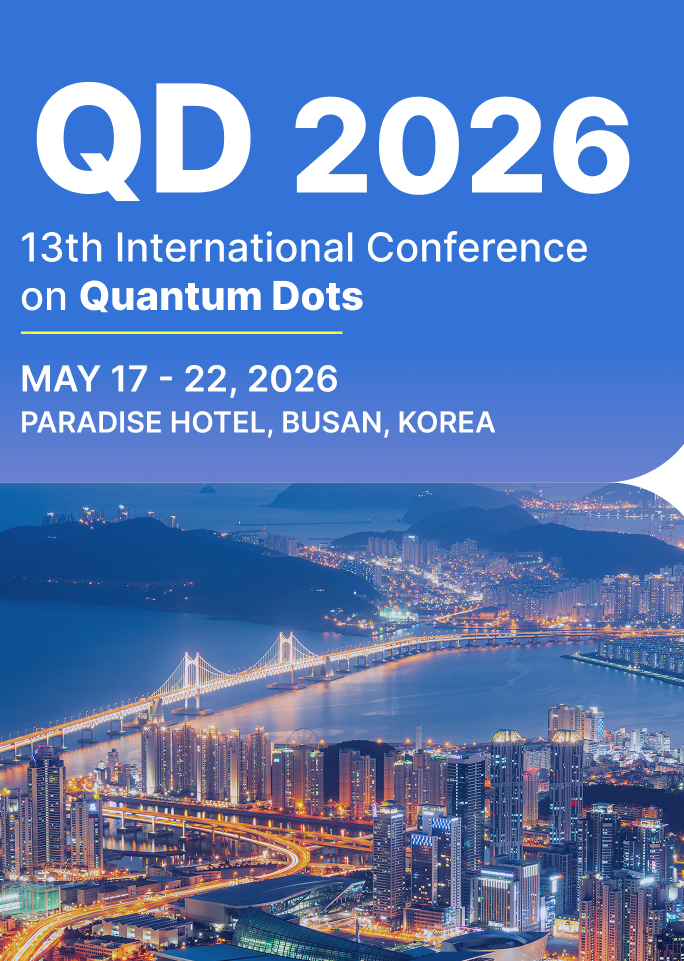
The 13th International Conference on Quantum Dots (QD 2026) |
| 2026-05-17 ~ 2026-05-22 |
|
|
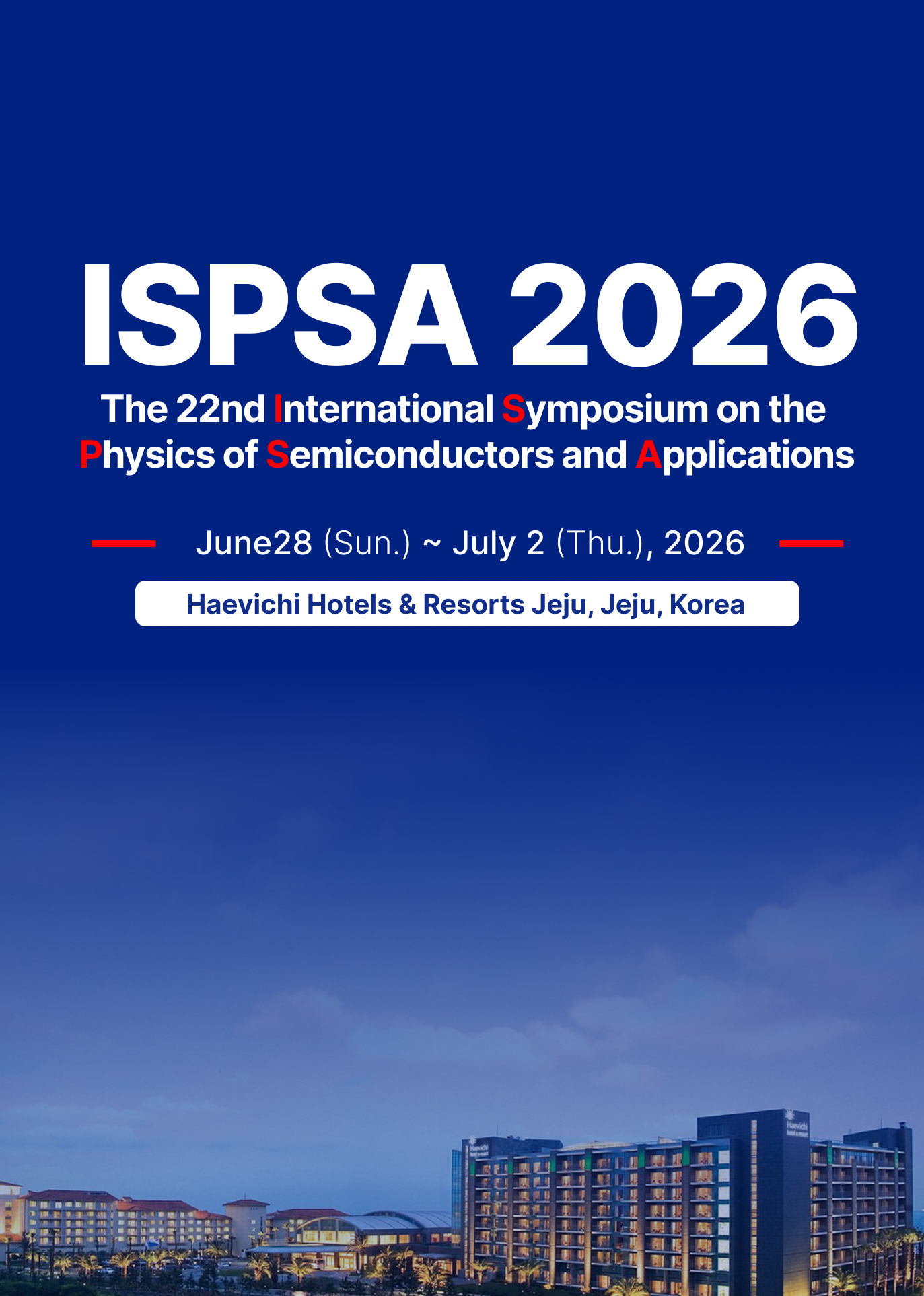
The 22nd International Symposium on the Physics of Semiconductors and Applications (ISPSA 2026) |
| 2026-06-28 ~ 2026-07-02 |

|
|
The 15th Asia-Pacific Conference on Transportation and the Environment (APTE 2026) |
| 2026-07-08 ~ 2026-07-10 |
|
|
ACEM26 / Structures26 (ACEM26) |
| 2026-08-24 ~ 2026-08-25 |
Journal Promotion
|
| Acta Koreana (Acta Koreana) |
|
| Acta Via Serica (AVS) |
|
| Advances in Concrete Construction (Advances in Concrete Construction ) |

|
| Advances in Nano Research (Advances in Nano Research) |
|
| Computers and Concrete (Computers and Concrete) |
|
| Earthquakes and Structures, An International Journal (Earthquakes and Structures) |
|
| Geomechanics and Engineering (Geomechanics and Engineering) |
|
| Journal of Information Processing Systems (JIPS) |

|
| Journal of Internet Computing and Services (KSII - JICS) |
|
| Membrane and Water Treatment (MWT) |
|
| Smart Structures and Systems (Smart Structures and Systems) |
|
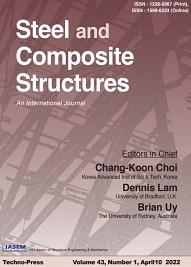
| Steel and Composite Structures, An International Journal (Steel and Composite Structures) |
|
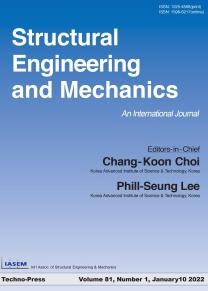
| Structural Engineering and Mechanics, An International Journal (Structural Engineering and Mechanics) |
|
| Wind and Structures, An International Journal (Wind and Structures) |




MANUSCRIPTLINK © 2015 -
