


37th ATHENS International Conference on Chemical, Biological & Environmental Engineering (ICCBEE-26) scheduled on June 3-5, 2026 Athens (Greece)
ICCBEE-26
- URL: https://www.earbm.org/conference/324
- Event Date: 2026-06-03 ~ 2026-06-05
- Submission Date: 2026-05-14
- Organizer: EARBM
- Location: Athens, Greece
Inorganic Chemistry Medicinal Chemistry Molecular Biology Environmental Sciences
Call for papers/Topics
Topics of interest for submission include any topics related to:
1. Chemical Engineering
Chemical engineering focuses on the design and operation of processes that convert raw materials into useful products through chemical and physical changes.
Thermodynamics
Laws of Thermodynamics
Phase Equilibria and Chemical Reaction Equilibria
Equations of State
Transport Phenomena
Fluid Mechanics (Newtonian and non-Newtonian flow)
Heat Transfer (Conduction, convection, and radiation)
Mass Transfer (Diffusion and interfacial transport)
Chemical Reaction Engineering
Kinetics and Reactor Design (Batch, CSTR, PFR)
Catalysis and Biocatalysis
Non-ideal Flow and Residence Time Distribution
Separation Processes
Distillation and Absorption
Extraction and Leaching
Membrane Separations and Chromatography
Process Design and Control
Process Synthesis and Optimization
Feedback and Feed-forward Control Systems
Plant Safety and Economics
2. Biological Engineering (Bioengineering)
Biological engineering applies engineering principles to biological systems to create technologies for healthcare, agriculture, and industry.
Bioprocess Engineering
Fermentation Technology
Upstream and Downstream Processing
Bioreactor Design and Scale-up
Biomedical Engineering
Tissue Engineering and Regenerative Medicine
Biotransport (Fluid flow in the human body)
Medical Imaging and Biosensors
Molecular and Cellular Engineering
Genetic Engineering and CRISPR
Metabolic Engineering
Synthetic Biology
Biomaterials
Biocompatibility and Surface Science
Drug Delivery Systems
Biodegradable Polymers
3. Environmental Engineering
Environmental engineering focuses on protecting human health and the environment by managing pollutants and sustainable resources.
Water and Wastewater Treatment
Physical/Chemical Treatment (Flocculation, Sedimentation)
Biological Treatment (Activated Sludge, Anaerobic Digestion)
Desalination and Water Reuse
Air Quality Engineering
Pollutant Dispersion Modeling
Emission Control Technologies (Scrubbers, Cyclones)
Atmospheric Chemistry
Solid and Hazardous Waste Management
Landfill Design and Management
Waste-to-Energy Conversion
Bioremediation of Contaminated Sites
Sustainability and Green Engineering
Life Cycle Assessment (LCA)
Carbon Capture and Sequestration
Renewable Energy Systems (Biofuels, Hydrogen cells)
4. Cross-Cutting Engineering Fundamentals
These topics serve as the "glue" that connects the three main disciplines.
Computational Methods: Modeling and simulation using tools like MATLAB, Python, or Aspen Plus.
Material Science: Nanotechnology, polymers, and corrosion science.
Data Science for Engineers: Machine learning applications in process optimization and bioinformatics.
Ethics and Policy: Environmental regulations, bioethics, and industrial safety standards.
Event Promotion

|
|
The 13th International Conference on Quantum Dots (QD 2026) |
| 2026-05-17 ~ 2026-05-22 |
|
|
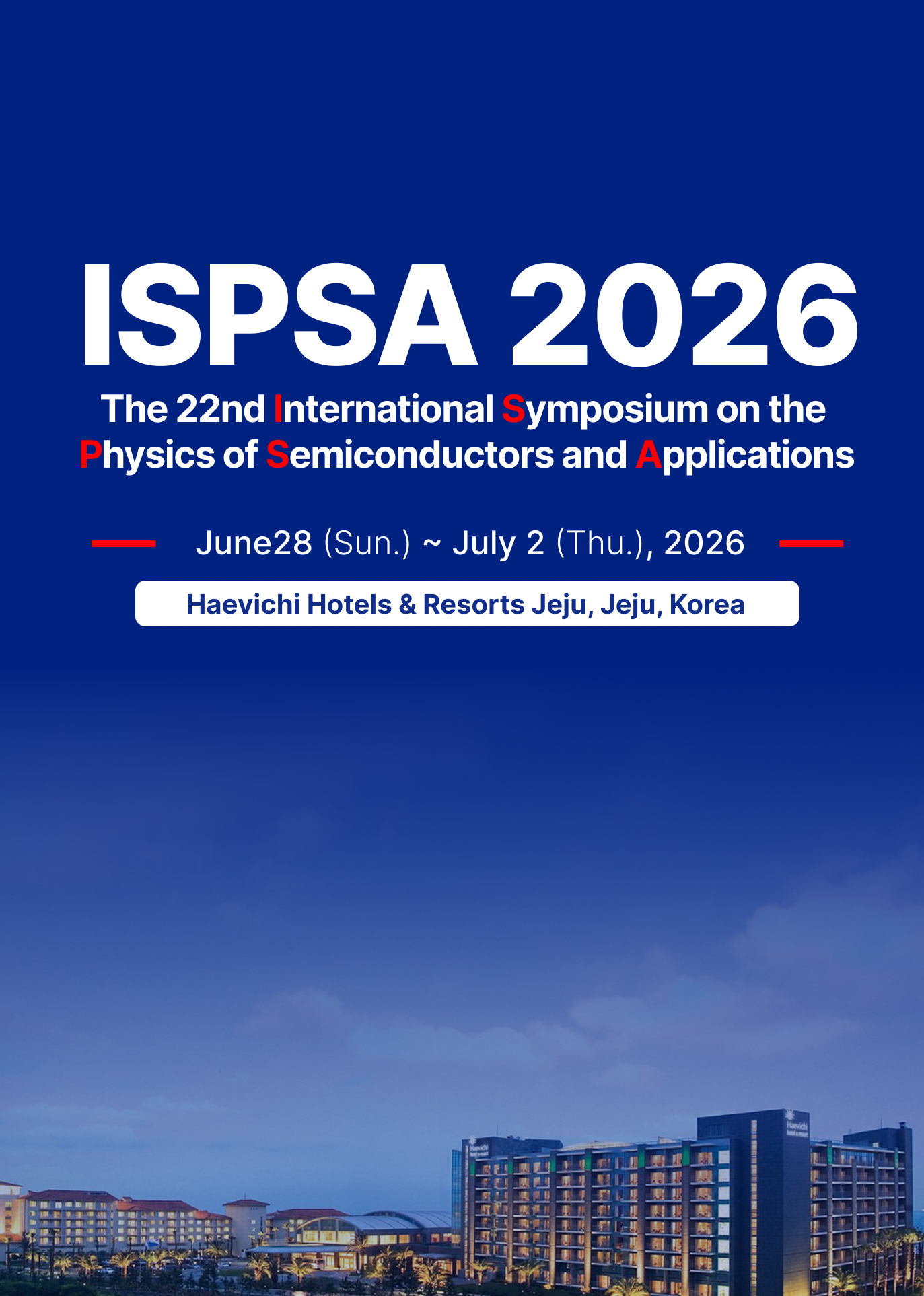
The 22nd International Symposium on the Physics of Semiconductors and Applications (ISPSA 2026) |
| 2026-06-28 ~ 2026-07-02 |

|
|
The 15th Asia-Pacific Conference on Transportation and the Environment (APTE 2026) |
| 2026-07-08 ~ 2026-07-10 |
|
|
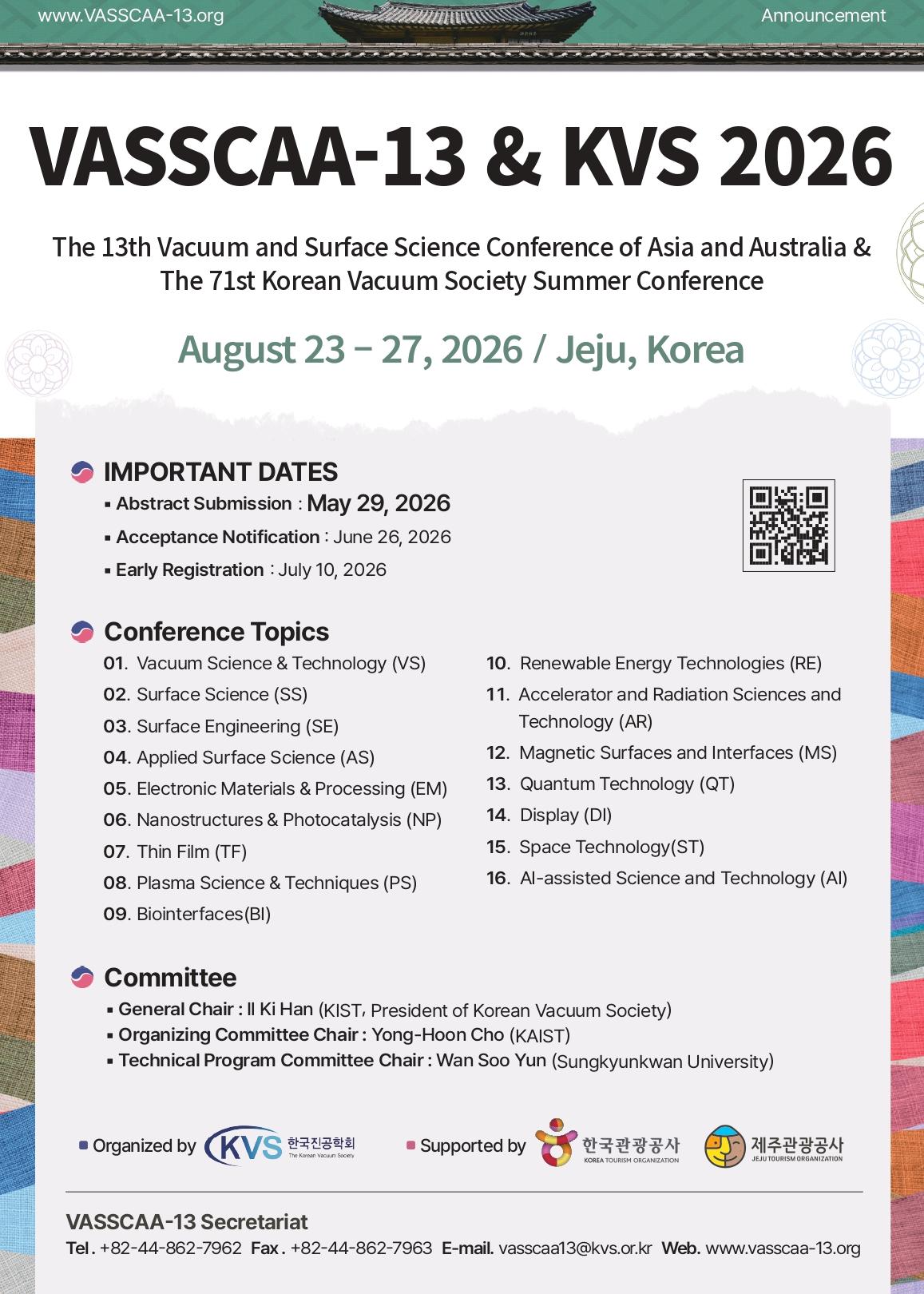
VASSCAA-13 & The 71st KVS Summer Annual Conference (VASSCAA 13) |
| 2026-08-23 ~ 2026-08-27 |
|
|
ACEM26 / Structures26 (ACEM26) |
| 2026-08-24 ~ 2026-08-25 |
Journal Promotion

|
| Acta Koreana (Acta Koreana) |

|
| Acta Via Serica (AVS) |
|
| Advances in Concrete Construction (Advances in Concrete Construction ) |

|
| Advances in Nano Research (Advances in Nano Research) |
|
| Computers and Concrete (Computers and Concrete) |

|
| Earthquakes and Structures, An International Journal (Earthquakes and Structures) |
|
| Geomechanics and Engineering (Geomechanics and Engineering) |
|
| Journal of Information Processing Systems (JIPS) |

|
| Journal of Internet Computing and Services (KSII - JICS) |
|
| Membrane and Water Treatment (MWT) |

|
| Smart Structures and Systems (Smart Structures and Systems) |

|
| Steel and Composite Structures, An International Journal (Steel and Composite Structures) |

|
| Structural Engineering and Mechanics, An International Journal (Structural Engineering and Mechanics) |

|
| Wind and Structures, An International Journal (Wind and Structures) |




MANUSCRIPTLINK © 2015 -
