


23rd ISTANBUL International Conference on Green Technologies (IICGT-26) scheduled on April 2-4, 2026 Istanbul (Türkiye)
IICGT-26
- URL: https://eacbee.erpub.org/conference/182
- Event Date: 2026-04-02 ~ 2026-04-04
- Submission Date: 2026-03-11
- Organizer: EACBEE
- Location: Istanbul, Turkey
Topics of Interest for Submission include, but are Not Limited to:
1. Renewable Energy & Storage
This is the cornerstone of green technology, focusing on generating power from non-depletable sources and managing its supply.
Solar Energy:
Photovoltaic (PV) Technology: Innovations in monocrystalline, thin-film, and emerging perovskite solar cells.
Concentrated Solar Power (CSP) systems and molten salt storage.
Floating solar farms (floatovoltaics) and agrovoltaics (solar over crops).
Wind Power:
Onshore and offshore wind farms, including floating offshore turbines.
Low-wind speed and vertical-axis wind turbine designs.
Other Renewables:
Geothermal Energy: Harnessing the earth's heat for electricity and heating/cooling.
Hydropower: Modernizing hydroelectric and tidal/wave energy systems.
Bioenergy & Biofuels: Production of biogas, bioethanol, and sustainable biomass from organic waste.
Energy Storage:
Battery Technology: Advanced Li-ion, solid-state, zinc-bromide, and Nickel-Zinc (NiZn) batteries.
Grid-Scale Storage: Pumped hydro, compressed air, and thermal energy storage (e.g., molten salt).
Green Hydrogen: Production of hydrogen via electrolysis powered by renewable energy for fuel cells and industrial use.
2. Energy Efficiency & Smart Systems
Focuses on reducing energy consumption in buildings, industry, and the power grid.
Smart Grids: Using digital technology for two-way communication to optimize energy distribution and manage intermittent renewables.
Energy Management Systems (EMS): Software and hardware for monitoring and optimizing energy use in commercial and industrial settings.
Smart Building Technology:
LED and smart lighting systems (motion sensors, automated dimming).
High-efficiency HVAC (Heating, Ventilation, and Air Conditioning) and passive cooling/heating designs.
Insulation and Materials: Developing advanced, eco-friendly insulation and phase-change materials to stabilize indoor temperatures.
3. Waste, Water, and The Circular Economy
Topics dealing with resource efficiency, pollution control, and closing material loops.
Waste Management and Recycling:
Advanced Recycling: Chemical and thermal processes to break down difficult materials (e.g., plastics) into usable raw materials.
E-Waste Recycling: Efficient recovery of precious metals and materials from electronic devices.
Waste-to-Energy (W2E): Converting non-recyclable waste into heat or electricity (e.g., incineration, pyrolysis).
Water Management:
Wastewater Treatment: Advanced filtration, membrane technology, and microbial fuel cells.
Water Conservation: Rainwater harvesting, greywater recycling, and smart irrigation systems.
Desalination: Low-energy and renewable-powered desalination techniques.
Circular Economy Models: Designing products for longevity, easy disassembly, and reuse to eliminate waste.
4. Green Transportation
Innovations aimed at decarbonizing the movement of people and goods.
Electric Vehicles (EVs):
Battery Electric Vehicles (BEVs) and Plug-in Hybrid Electric Vehicles (PHEVs).
EV charging infrastructure development and smart charging networks.
Alternative Fuels:
Hydrogen fuel cells for heavy-duty transport (trucks, shipping).
Sustainable Aviation Fuels (SAFs) and low-carbon shipping solutions.
Smart/Sustainable Transit: Integrating public transit systems, cycling, and walking infrastructure into urban planning.
5. Sustainable Agriculture & Land Use
Applying technology to reduce the environmental footprint of food production.
Precision Agriculture: Using sensors, IoT, and data analytics to optimize the application of water, fertilizer, and pest control.
Vertical Farming & Indoor Agriculture: Growing crops in vertically stacked layers in controlled environments, drastically reducing water and land use.
Biopesticides and Biofertilizers: Developing natural, microbial-based alternatives to synthetic chemicals.
Agroecology: Integrating farming with ecological processes (e.g., carbon farming, no-till methods).
6. Environmental Remediation & Carbon Management
Technologies focused on cleaning up existing pollution and removing greenhouse gases.
Carbon Capture, Utilization, and Storage (CCUS):
Capturing CO2 emissions directly from industrial sources (e.g., cement, steel).
Direct Air Capture (DAC): Removing CO2 directly from the ambient air.
Converting captured CO2 into valuable products (fuels, chemicals, building materials).
Bioremediation: Using microorganisms or plants to remove pollutants or clean up contaminated soil and water.
Pollution Control: Technologies for industrial emissions treatment (e.g., VOCs,NOx, SOx removal).
Event Promotion

|
|
The 13th International Conference on Quantum Dots (QD 2026) |
| 2026-05-17 ~ 2026-05-22 |
|
|
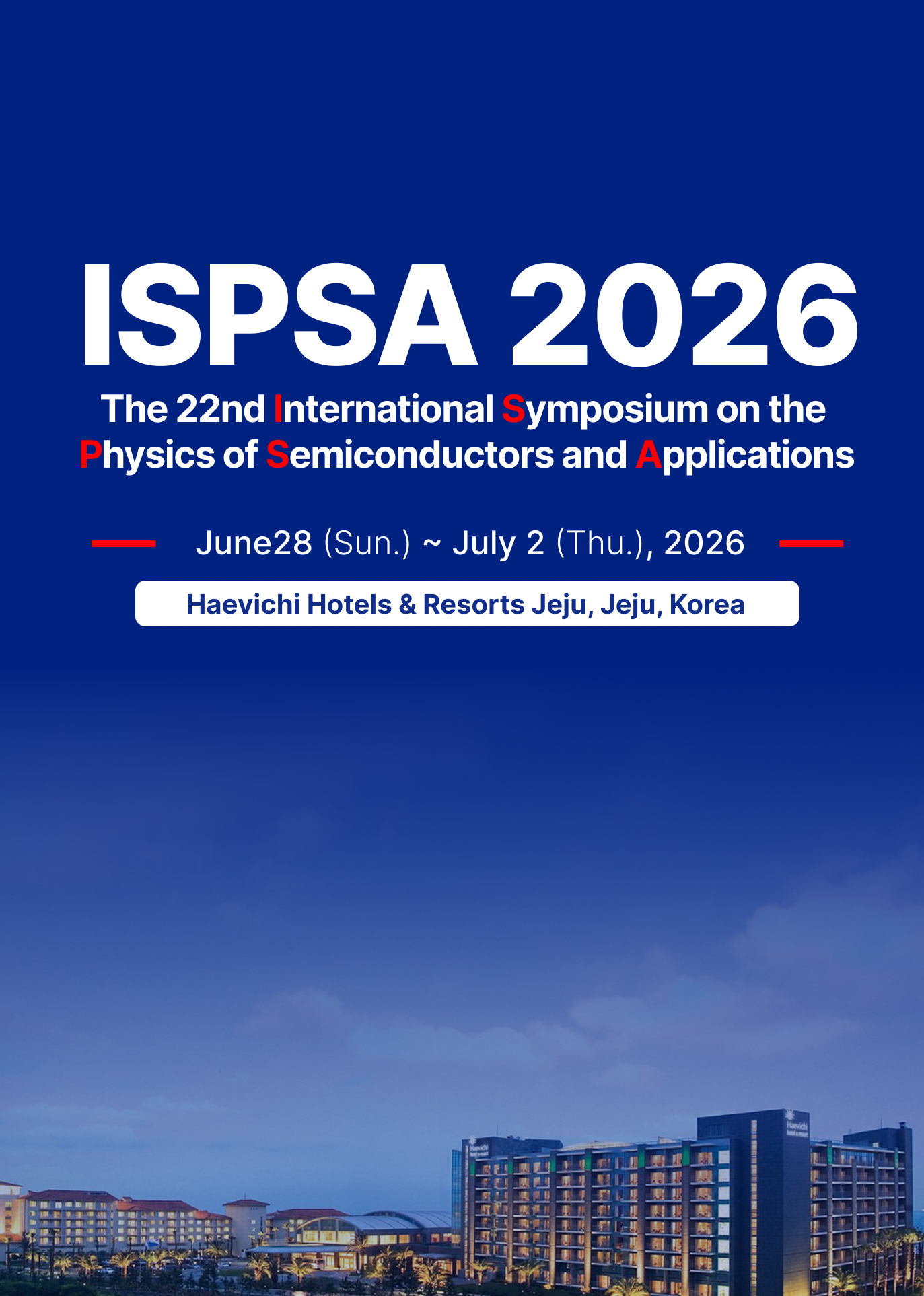
The 22nd International Symposium on the Physics of Semiconductors and Applications (ISPSA 2026) |
| 2026-06-28 ~ 2026-07-02 |

|
|
The 15th Asia-Pacific Conference on Transportation and the Environment (APTE 2026) |
| 2026-07-08 ~ 2026-07-10 |
|
|
ACEM26 / Structures26 (ACEM26) |
| 2026-08-24 ~ 2026-08-25 |
Journal Promotion
|
| Acta Koreana (Acta Koreana) |

|
| Acta Via Serica (AVS) |
|
| Advances in Concrete Construction (Advances in Concrete Construction ) |

|
| Advances in Nano Research (Advances in Nano Research) |
|
| Computers and Concrete (Computers and Concrete) |
|
| Earthquakes and Structures, An International Journal (Earthquakes and Structures) |
|
| Geomechanics and Engineering (Geomechanics and Engineering) |

|
| Journal of Information Processing Systems (JIPS) |

|
| Journal of Internet Computing and Services (KSII - JICS) |

|
| Membrane and Water Treatment (MWT) |

|
| Smart Structures and Systems (Smart Structures and Systems) |
|
| Steel and Composite Structures, An International Journal (Steel and Composite Structures) |
|
| Structural Engineering and Mechanics, An International Journal (Structural Engineering and Mechanics) |

|
| Wind and Structures, An International Journal (Wind and Structures) |




MANUSCRIPTLINK © 2015 -
