


53rd ATHENS International Congress on Food, Biological and Environmental Studies Research (FBESR-26) June 3-5, 2026 Athens (Greece)
FBESR-26
- URL: https://ffabs.org/conference/346
- Event Date: 2026-06-03 ~ 2026-06-05
- Submission Date: 2026-05-15
- Organizer: FFABS
- Location: Athens, Greece
Biochemistry Food Science & Technology Bioinformatics & Computational Biology Biomedical Technology Biomedical Technology
Call for papers/Topics
Topics of interest for submission include any topics related to:
1. Food Science and Nutritional Biology
This pillar focuses on the composition of food and how the human body interacts with it.
Food Chemistry and Composition
Macromolecules: Carbohydrates, proteins, and lipids.
Micronutrients: Vitamins, minerals, and bioavailability.
Food additives, preservatives, and antioxidants.
Food Microbiology
Fermentation processes (yeast, bacteria, and molds).
Foodborne pathogens and toxicology.
Probiotics and the human gut microbiome.
Nutritional Physiology
Metabolic pathways and energy expenditure.
Dietary impacts on gene expression (Nutrigenomics).
Food allergies and metabolic disorders.
2. Agricultural Biology and Biotechnology
This section covers how we grow food and the biological innovations used to improve yields and resilience.
Plant and Animal Biology
Photosynthesis and crop physiology.
Selective breeding and genetic diversity.
Livestock health and reproductive biology.
Agricultural Biotechnology
Genetically Modified Organisms (GMOs) and CRISPR technology.
Bio-pesticides and bio-fertilizers.
Tissue culture and synthetic biology (e.g., lab-grown meat).
Soil Science (Pedology)
Soil microbiology and nutrient cycling (Nitrogen and Phosphorus cycles).
Soil erosion and regeneration techniques.
Hydroponics, aeroponics, and vertical farming biology.
3. Environmental Impact and Sustainability
This pillar examines the relationship between food systems and the health of the planet.
Ecology and Ecosystem Services
Pollination biology and the decline of bees.
Biodiversity loss due to monoculture.
Impact of invasive species on local food webs.
Environmental Chemistry and Pollution
Pesticide runoff and eutrophication of water bodies.
Microplastics in the food chain.
Heavy metal bioaccumulation in seafood.
Climate Change and Food Security
Carbon sequestration in agricultural soils.
The greenhouse gas footprint of different diets (e.g., plant-based vs. beef).
Adaptive strategies for drought-resistant crops.
Circular Economy in Food Systems
Bio-waste management and composting.
Sustainable packaging and biodegradable polymers.
Life cycle assessment (LCA) of food products.
Event Promotion

|
|
The 13th International Conference on Quantum Dots (QD 2026) |
| 2026-05-17 ~ 2026-05-22 |
|
|
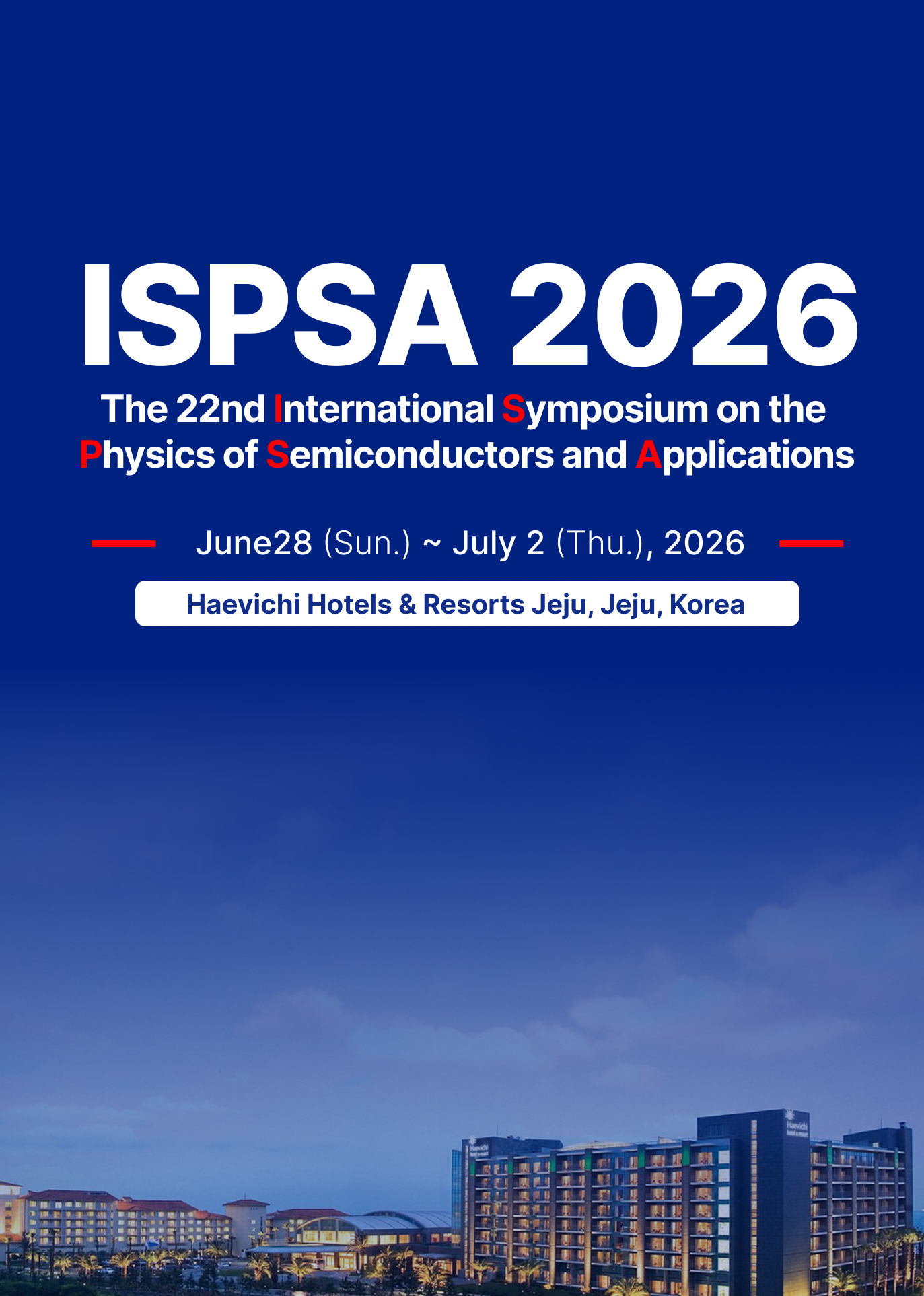
The 22nd International Symposium on the Physics of Semiconductors and Applications (ISPSA 2026) |
| 2026-06-28 ~ 2026-07-02 |

|
|
The 15th Asia-Pacific Conference on Transportation and the Environment (APTE 2026) |
| 2026-07-08 ~ 2026-07-10 |
Journal Promotion

|
| Acta Koreana (Acta Koreana) |
|
| Acta Via Serica (AVS) |

|
| Earthquakes and Structures, An International Journal (Earthquakes and Structures) |
|
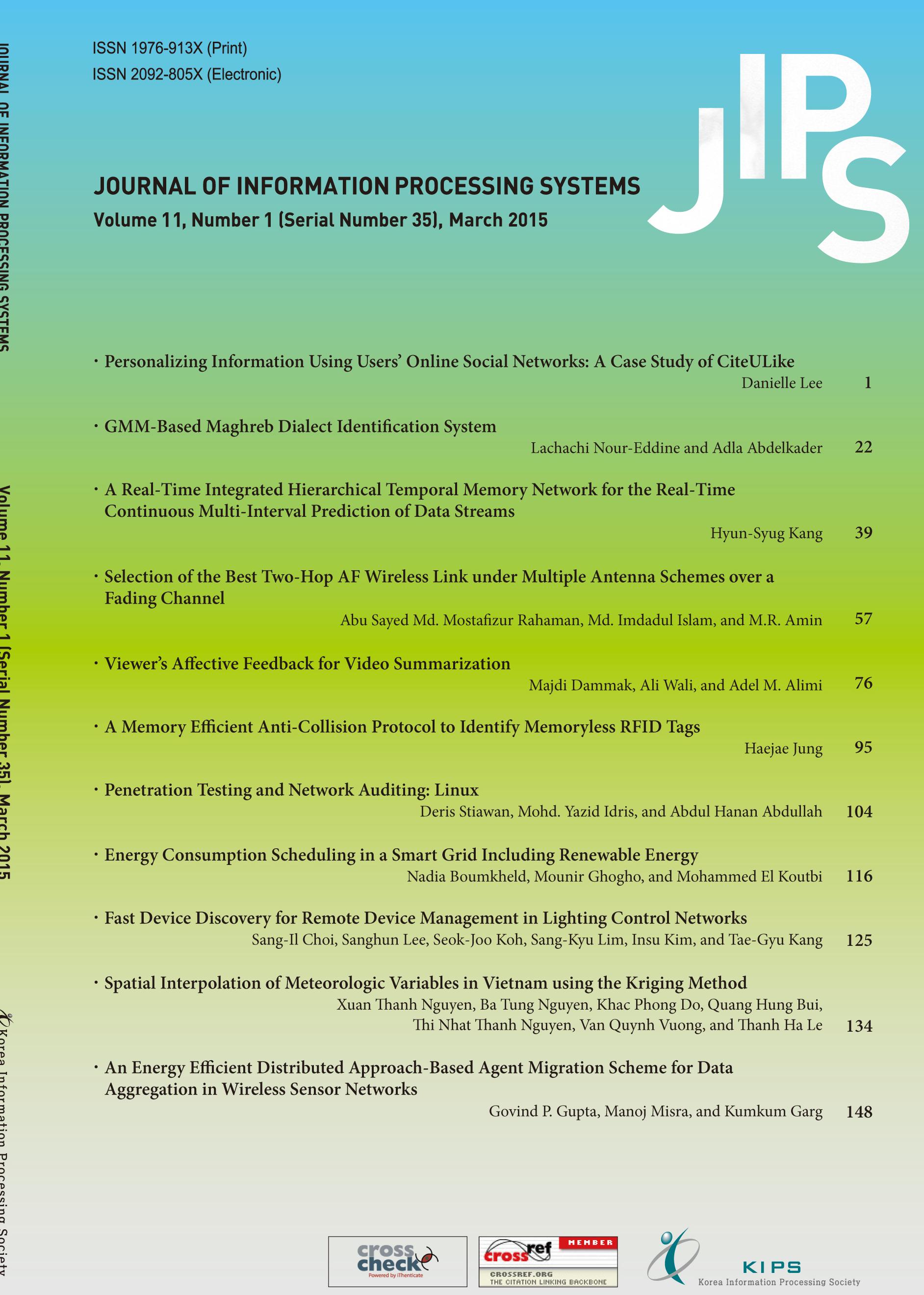
| Journal of Information Processing Systems (JIPS) |

|
| Journal of Internet Computing and Services (KSII - JICS) |
|
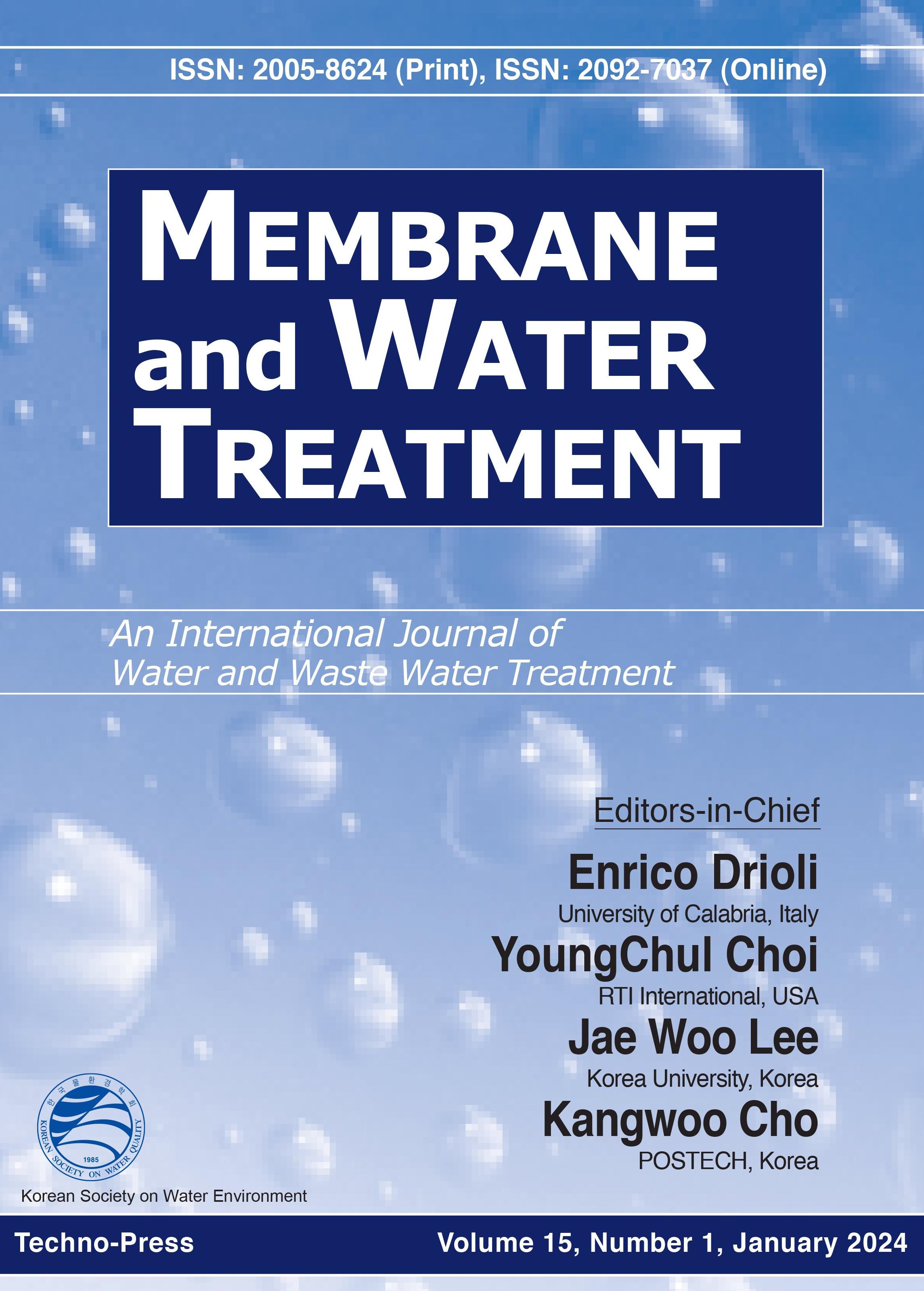
| Membrane and Water Treatment (MWT) |

|
| Smart Structures and Systems (Smart Structures and Systems) |




MANUSCRIPTLINK © 2015 -
