


39th ISTANBUL World Congress on Advances in Science, Engineering & Technology (WASET-26) scheduled on April 29-May 1, 2026 Istanbul (Türkiye)
WASET-26
- URL: https://ureng.urst.org/conference/169
- Event Date: 2026-04-29 ~ 2026-05-01
- Submission Date: 2026-04-02
- Organizer: URENG
- Location: Istanbul, Turkey
Materials Engineering Engineering & Computer Science (General) Science & Engineering Education
Call for Papers: WASET-26
Full Articles/ Reviews/ Shorts Papers/ Abstracts are welcomed in the following research fields.
The field of Advances in Science, Engineering, and Technology (SET) is defined by its cutting-edge innovations across numerous overlapping disciplines. Here is a list of major topics and emerging subtopics driving current research and industrial breakthroughs:
Information & Computing Technology
This domain is characterized by the exponential growth of data processing and intelligent systems.
Artificial Intelligence (AI) and Machine Learning (ML)
Generative AI: Models for creating new text, code, images, and video (e.g., LLMs, deepfakes).
AI Agents and Digital Co-workers: Autonomous AI systems that perform complex, multi-step tasks for collaboration.
AI Ethics and Regulation: Ensuring fairness, transparency, and accountability in algorithmic decision-making.
Tiny AI: Developing highly efficient ML models for use in resource-constrained edge devices (e.g., sensors, wearables).
Quantum Technology
Quantum Computing: Developing stable qubits (Topological, Superconducting) and hybrid quantum-classical algorithms.
Post-Quantum Cryptography: Designing secure cryptographic systems that can withstand attacks from future quantum computers.
Quantum Sensing and Metrology: Using quantum effects for ultra-precise measurements.
Networking and Cybersecurity
6G Wireless Technology: Developing the next generation of wireless communication with faster speeds and lower latency.
Cybersecurity Engineering: Designing robust defenses against advanced persistent threats (APTs) and integrating differential privacy techniques.
Decentralized Technologies: Advances in blockchain, distributed ledger technologies (DLT), and Web3 applications beyond cryptocurrency.
Biotechnology & Health
Advances here are transforming medicine, agriculture, and our understanding of life itself.
Genomics and Gene Editing
CRISPR Technology: Enhancing precision and safety in gene editing (e.g., base editing, prime editing) for therapeutic applications.
RNA Medicine: Developing novel therapies and vaccines based on mRNA, circular RNA, and therapeutic oligonucleotides.
Synthetic Biology: Engineering biological systems to design and construct new biological parts, devices, and systems for specific purposes (e.g., biosensors, biofuel production).
Personalized and Regenerative Medicine
Digital Twin Organs: Creating computational models of individual patients' organs to predict disease progression and treatment outcomes.
Tissue Engineering: Creating lab-grown organs and functional tissues using advanced scaffolds and stem cells (e.g., iPS cells).
Organoids: Micro-scale, self-organizing 3D structures used for drug testing and disease modeling.
Neuroscience and Brain-Machine Interfaces (BMI)
Neuromorphic Computing: Hardware that mimics the structure and function of the human brain.
Neural Implants: Advanced interfaces for restoring motor function, treating neurological disorders, and cognitive augmentation.
Engineering & Materials Science
This category covers the development of fundamental building blocks and highly efficient systems.
Advanced Materials
Self-Healing Materials: Polymers and concretes that autonomously repair structural damage upon cracking.
Metamaterials: Artificially engineered materials with properties (e.g., optical, magnetic) not found in nature, used in advanced antennas and medical imaging.
2D Materials: Research into graphene, $MoS_2$, and other atomically thin materials for next-generation electronics and catalysts.
Computational Materials Science: Using AI (e.g., generative models like MatterGen) to predict and design new materials with specified properties.
Robotics and Autonomous Systems
Collaborative Robotics (Cobots): Robots designed to work safely alongside humans in industrial settings.
Biohybrid Robotics: Combining synthetic robotics with living muscle tissue for locomotion and self-repair.
Autonomous Vehicles and Drones: Advancements in Lidar, sensor fusion, and decision-making algorithms for various environments.
Manufacturing and Construction
Additive Manufacturing (3D Printing): Printing with multi-materials, large-scale construction printing, and functional electronic components.
Smart Infrastructure: Embedding sensors and AI into bridges, roads, and buildings for real-time monitoring and predictive maintenance.
Energy & Environmental Technologies
The focus here is on achieving global sustainability through clean energy and climate mitigation.
Clean Energy Generation
Nuclear Fusion: Engineering breakthroughs (e.g., at ITER, private ventures) aiming for sustained, net-positive energy output.
Hydrogen Economy: Advancements in green hydrogen production (electrolysis powered by renewables) and solid-state hydrogen storage.
Next-Generation Solar: Highly efficient Perovskite and tandem solar cells.
Climate Change Mitigation
Carbon Capture, Utilization, and Storage (CCUS): Direct Air Capture (DAC) technology for removing $\text{CO}_2$ from the atmosphere.
Sustainable Industrial Processes: Low-carbon production methods for high-emission materials like cement (using seaweed-infused cement) and steel.
Energy Storage
Solid-State Batteries: Developing safer, higher energy-density batteries for electric vehicles and grid storage.
Long-Duration Storage: Solutions like flow batteries and advanced thermal storage for balancing intermittent renewable energy.
Space & Exploration
This sector is driven by cheaper access to space and ambitious exploration goals.
New Space Economy: Reusable rocket technology, satellite constellation deployment (e.g., Starlink), and cheaper launch costs.
Planetary Science: Data from the James Webb Space Telescope (JWST) recalculating universal expansion and confirming distant galaxies.
Artemis Program: Developing lunar landers, space habitats, and technologies for sustained human presence on the Moon (as a stepping stone to Mars).
Event Promotion

|
|
The 13th International Conference on Quantum Dots (QD 2026) |
| 2026-05-17 ~ 2026-05-22 |
|
|
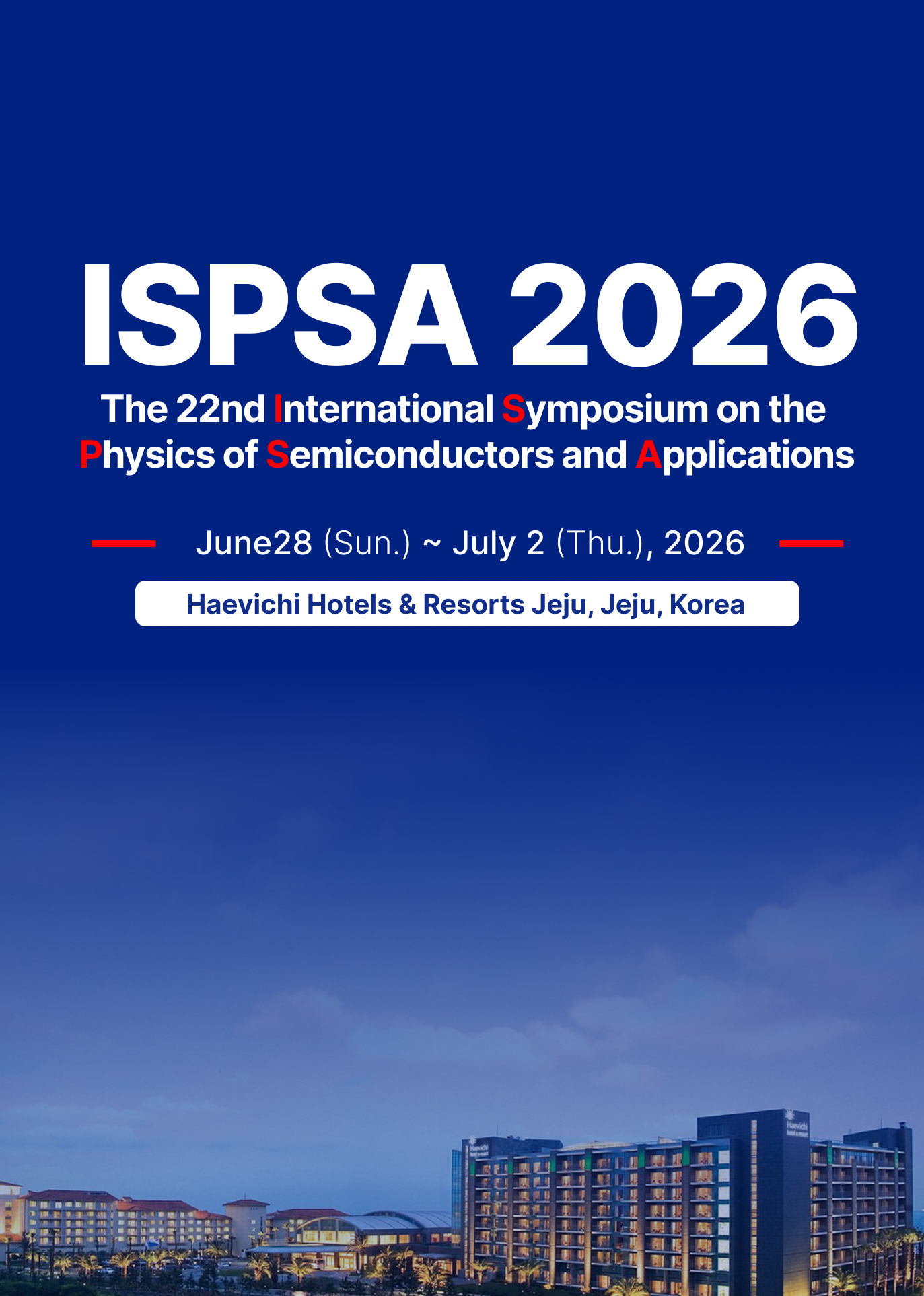
The 22nd International Symposium on the Physics of Semiconductors and Applications (ISPSA 2026) |
| 2026-06-28 ~ 2026-07-02 |

|
|
The 15th Asia-Pacific Conference on Transportation and the Environment (APTE 2026) |
| 2026-07-08 ~ 2026-07-10 |
|
|
ACEM26 / Structures26 (ACEM26) |
| 2026-08-24 ~ 2026-08-25 |
Journal Promotion

|
| Acta Koreana (Acta Koreana) |

|
| Acta Via Serica (AVS) |
|
| Advances in Concrete Construction (Advances in Concrete Construction ) |

|
| Advances in Nano Research (Advances in Nano Research) |

|
| Computers and Concrete (Computers and Concrete) |

|
| Earthquakes and Structures, An International Journal (Earthquakes and Structures) |
|
| Geomechanics and Engineering (Geomechanics and Engineering) |
|
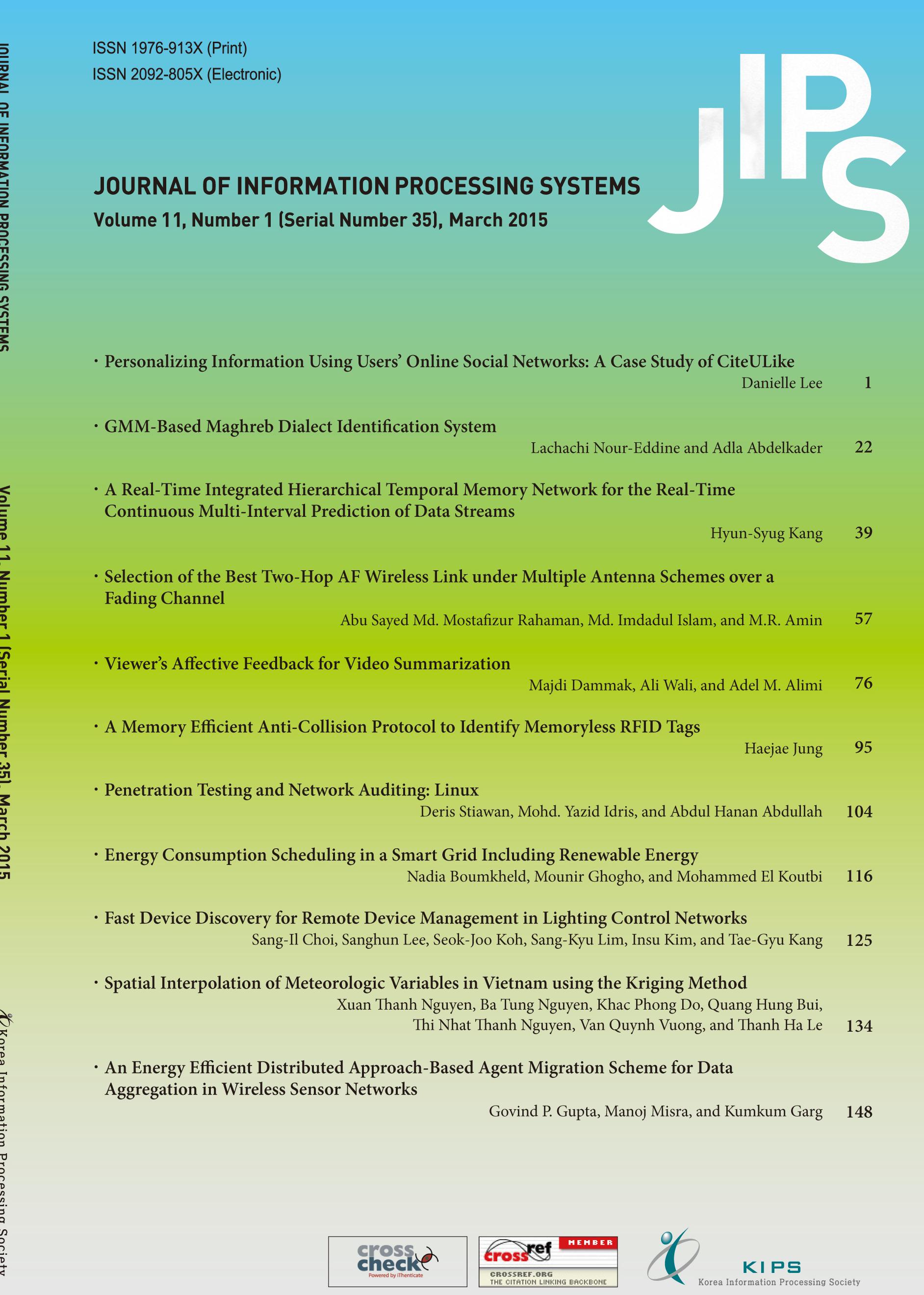
| Journal of Information Processing Systems (JIPS) |

|
| Journal of Internet Computing and Services (KSII - JICS) |

|
| Membrane and Water Treatment (MWT) |

|
| Smart Structures and Systems (Smart Structures and Systems) |

|
| Steel and Composite Structures, An International Journal (Steel and Composite Structures) |

|
| Structural Engineering and Mechanics, An International Journal (Structural Engineering and Mechanics) |

|
| Wind and Structures, An International Journal (Wind and Structures) |




MANUSCRIPTLINK © 2015 -
