


18th ISTANBUL World Conference on Advances in “Robotics, Automation & Manufacturing Engineering” (ARAME-26) scheduled on April 2-4, 2026 Istanbul (Türkiye)
ARAME-26
- URL: https://eamae.erpub.org/conference/183
- Event Date: 2026-04-02 ~ 2026-04-04
- Submission Date: 2026-03-26
- Organizer: EAMAE
- Location: Istanbul, Turkey
Automation & Control Theory Manufacturing & Machinery Robotics
Topics of Interest for Submission include, but are Not Limited to:
I. Core Robotics and Autonomous Systems
This area covers the fundamental design, control, and intelligence of robotic devices.
Robot Design, Kinematics, and Dynamics:
Robot Mechanism Design (manipulators, mobile robots, aerial vehicles like UAVs/drones).
Kinematics and Dynamics (forward, inverse, and trajectory planning).
Motion Control Systems (torque, velocity, and position control; robust control theory).
Perception and Sensing:
Robot Vision and Computer Vision (3D vision, object recognition, pose estimation).
Sensor Fusion (integrating data from LiDAR, cameras, radar, and tactile sensors).
Simultaneous Localization and Mapping (SLAM) for autonomous navigation.
Intelligent and Learning Robotics:
Robot Learning (Reinforcement Learning for control and decision-making).
Bio-Inspired Robotics and Soft Robotics (flexible, compliant robot bodies and grippers).
Multi-Robot Systems and Swarm Robotics (decentralized control and coordination).
Specialized Robotics:
Humanoid Robotics and bipedal locomotion.
Biomedical and Surgical Robotics (e.g., exoskeletons, robotic surgery).
Field Robotics (agriculture/Ag-Robots, environmental monitoring, space exploration).
II. Industrial Automation and Smart Manufacturing
This focuses on the integration of technology into the factory environment to achieve automation, efficiency, and intelligence.
Industry 4.0, 5.0, and Digital Transformation:
Cyber-Physical Systems (CPS) and the architecture of the Smart Factory.
Digital Twin modeling and simulation of production processes and physical systems.
Industrial Internet of Things (IIoT), edge computing, and industrial communication protocols (e.g., OPC-UA, Modbus, Profibus).
Control Systems and Architecture:
Programmable Logic Controllers (PLCs) and their architecture/programming (e.g., ladder logic).
SCADA Systems (Supervisory Control and Data Acquisition) and Human-Machine Interfaces (HMIs).
Automated Guided Vehicles (AGVs) and Autonomous Mobile Robots (AMRs) for intralogistics.
Data Analytics and Optimization:
Predictive Maintenance (using machine learning on sensor data to forecast equipment failure).
Process Optimization (real-time control, quality control, and fault detection).
III. Human-Robot Collaboration (HRC)
A crucial area focused on the safe and productive interaction between humans and machines in shared workspaces.
Collaborative Robots (Cobots):
Design and implementation of safe human-robot workspaces (ISO/TS 15066 safety standards).
Intuitive programming and control methods for non-expert human operators.
Human-Robot Interaction (HRI):
Robot intent recognition, gesture, and natural language understanding for communication.
Haptic and tactile feedback systems.
Ergonomics and operator workload reduction using assistance systems.
Augmented Reality (AR) and Virtual Reality (VR):
Using AR/VR for maintenance, repair, and operation (MRO) and remote assistance.
Training and simulation in virtual factory environments.
IV. Advanced Manufacturing Processes
Topics related to the physical processes of fabrication and assembly that are enabled by automation.
Additive Manufacturing (3D Printing):
Robotics integration for large-scale and in-situ 3D printing.
Material science for new print materials and process control.
Advanced Joining and Assembly:
Robotic welding, laser processing, and automated assembly systems.
Hybrid Manufacturing (combining additive and subtractive processes).
Computer-Aided Systems:
Computer-Aided Design/Manufacturing (CAD/CAM) and process planning.
Design for Manufacturing and Assembly (DFMA).
V. Cross-Cutting Issues
These topics address the broader societal and commercial implications of these technologies.
Security and Safety:
Cybersecurity for industrial control systems (ICS) and operational technology (OT).
Functional Safety and risk assessment in automated production environments.
Ethics and Regulations:
Ethical implications of AI and autonomous decision-making in robotics.
The impact of automation on the workforce (reskilling, future of work).
Sustainability and Green Manufacturing (Industry 5.0):
Energy-efficient robotics and resource-aware control systems.
Automation for recycling and disassembly of complex products.
Event Promotion

|
|
The 13th International Conference on Quantum Dots (QD 2026) |
| 2026-05-17 ~ 2026-05-22 |

|
|
The 22nd International Symposium on the Physics of Semiconductors and Applications (ISPSA 2026) |
| 2026-06-28 ~ 2026-07-02 |

|
|
The 15th Asia-Pacific Conference on Transportation and the Environment (APTE 2026) |
| 2026-07-08 ~ 2026-07-10 |
|
|
ACEM26 / Structures26 (ACEM26) |
| 2026-08-24 ~ 2026-08-25 |
Journal Promotion

|
| Acta Koreana (Acta Koreana) |

|
| Acta Via Serica (AVS) |
|
| Advances in Concrete Construction (Advances in Concrete Construction ) |

|
| Advances in Nano Research (Advances in Nano Research) |

|
| Computers and Concrete (Computers and Concrete) |

|
| Earthquakes and Structures, An International Journal (Earthquakes and Structures) |
|
| Geomechanics and Engineering (Geomechanics and Engineering) |
|
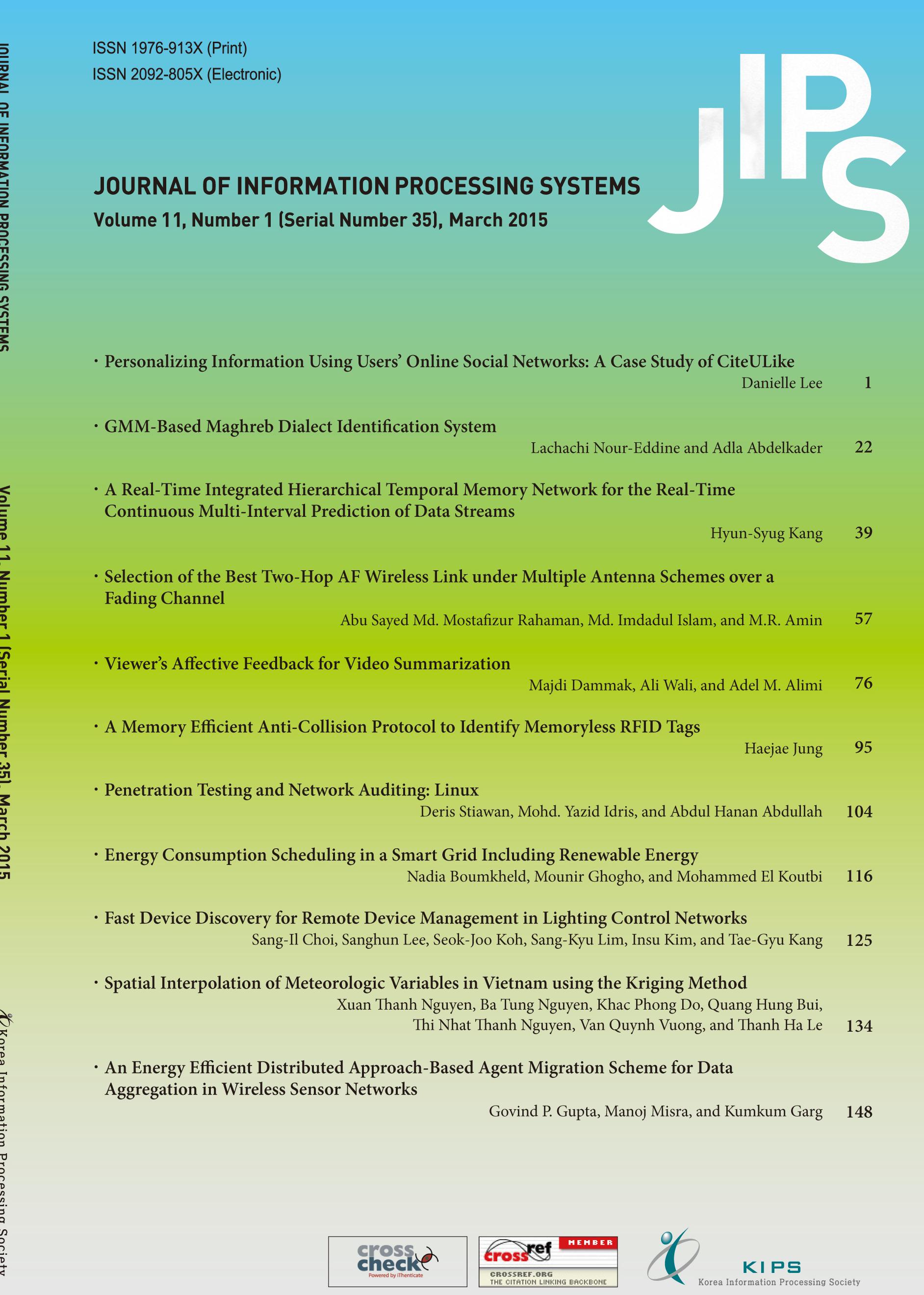
| Journal of Information Processing Systems (JIPS) |

|
| Journal of Internet Computing and Services (KSII - JICS) |

|
| Membrane and Water Treatment (MWT) |

|
| Smart Structures and Systems (Smart Structures and Systems) |
|
| Steel and Composite Structures, An International Journal (Steel and Composite Structures) |
|
| Structural Engineering and Mechanics, An International Journal (Structural Engineering and Mechanics) |

|
| Wind and Structures, An International Journal (Wind and Structures) |




MANUSCRIPTLINK © 2015 -
