


5th MANILA International Conference on Green Technologies & Sustainable Engineering (MGTSE-26) scheduled on March 30-April 1, 2026 Manila (Philippines)
MGTSE-26
- URL: https://caeer.org/conference/380
- Event Date: 2026-03-30 ~ 2026-04-01
- Submission Date: 2026-03-25
- Organizer: CAEER
- Location: Manila, Philippines
Nanotechnology Educational Technology Food Science & Technology Nanotechnology Biomedical Technology Biotechnology
Topics/Call for Papers
Full Articles/ Reviews/ Shorts Papers/ Abstracts are welcomed in the following research fields:
💡 1. Sustainable Energy and Power Systems
This area is central to decarbonization and the transition away from fossil fuels.
Renewable Energy Sources: Research and innovation in Solar Photovoltaics (PV), Wind Energy (onshore/offshore), Geothermal, Hydropower, and Marine/Ocean Energy (wave and tidal).
Energy Storage & Grids: Development of Advanced Battery Technologies (e.g., solid-state, flow batteries), Hydrogen Energy (production, storage, and fuel cells), and Smart Grids and decentralized energy production systems.
Energy Efficiency and Conservation: Low-carbon building design, Energy Management Systems (EMS), improved insulation, and energy-efficient appliances and HVAC systems.
Decarbonization Technologies: Carbon Capture, Utilization, and Storage (CCUS) technologies and strategies for reducing industrial greenhouse gas emissions.
♻️ 2. Circular Economy and Green Materials
This theme focuses on resource management, waste reduction, and the environmental footprint of physical inputs.
Circular Economy Models: Implementing closed-loop manufacturing, Industrial Symbiosis (repurposing waste from one industry as input for another), and Product Life Cycle Assessment (LCA).
Sustainable Materials Science: Development of Green Materials (e.g., bio-based, self-healing, low-carbon concrete alternatives), sustainable composites, and Biofuels/Biomass systems.
Waste Management and Resource Utilization: Advanced recycling technologies, Waste-to-Energy (WtE) processes, and sustainable solutions for plastic and e-waste management.
Green Chemistry: Designing chemical products and processes that minimize or eliminate the use and generation of hazardous substances.
🏗️ 3. Sustainable Infrastructure and Built Environment
Topics covering the design, construction, and operation of resilient, low-impact urban and civil systems.
Green Building and Design: Passive Solar Design, green roofs, energy-efficient building standards (e.g., LEED, BREEAM), and indoor environmental quality.
Sustainable Transportation: Development and infrastructure for Electric Vehicles (EVs), fuel cell electric vehicles (FCEVs), and promoting public and active transport (walkable/bike-friendly cities).
Sustainable Water Management: Wastewater treatment and purification, water recycling (greywater/rainwater harvesting), and efficient irrigation systems.
Smart Cities and Resource Optimization: Integrating AI and IoT to optimize resource use, manage traffic flow, and monitor environmental conditions in real-time.
📈 4. Policy, Climate Action, and System Integration
This covers the tools and frameworks needed to measure, finance, and govern sustainable transition.
Climate Change Mitigation and Adaptation: Engineering solutions for climate resilience, including flood defenses and sustainable land reclamation.
Policy and Financing: Regulatory frameworks, Sustainable Finance and green investment models, carbon pricing, and environmental policy effectiveness.
Environmental Monitoring: Use of Remote Sensing and Environmental Informatics for pollution tracking, biodiversity monitoring, and ecosystem assessment.
Ethical and Social Dimensions: Addressing social equity, environmental justice, and ensuring the benefits of green technologies are accessible to all communities.
Event Promotion
|
|
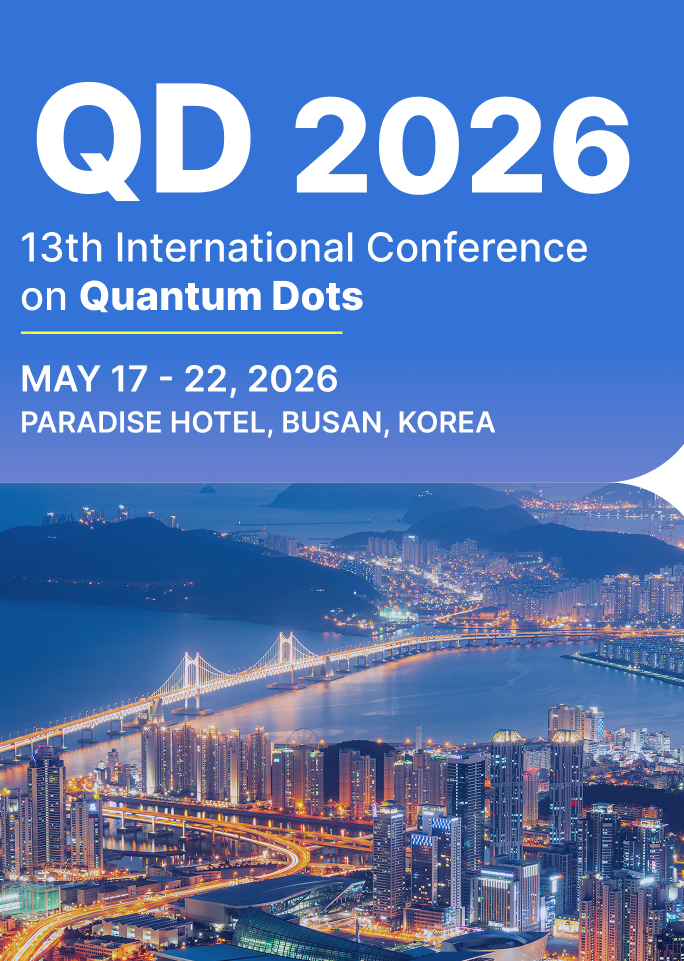
The 13th International Conference on Quantum Dots (QD 2026) |
| 2026-05-17 ~ 2026-05-22 |
|
|
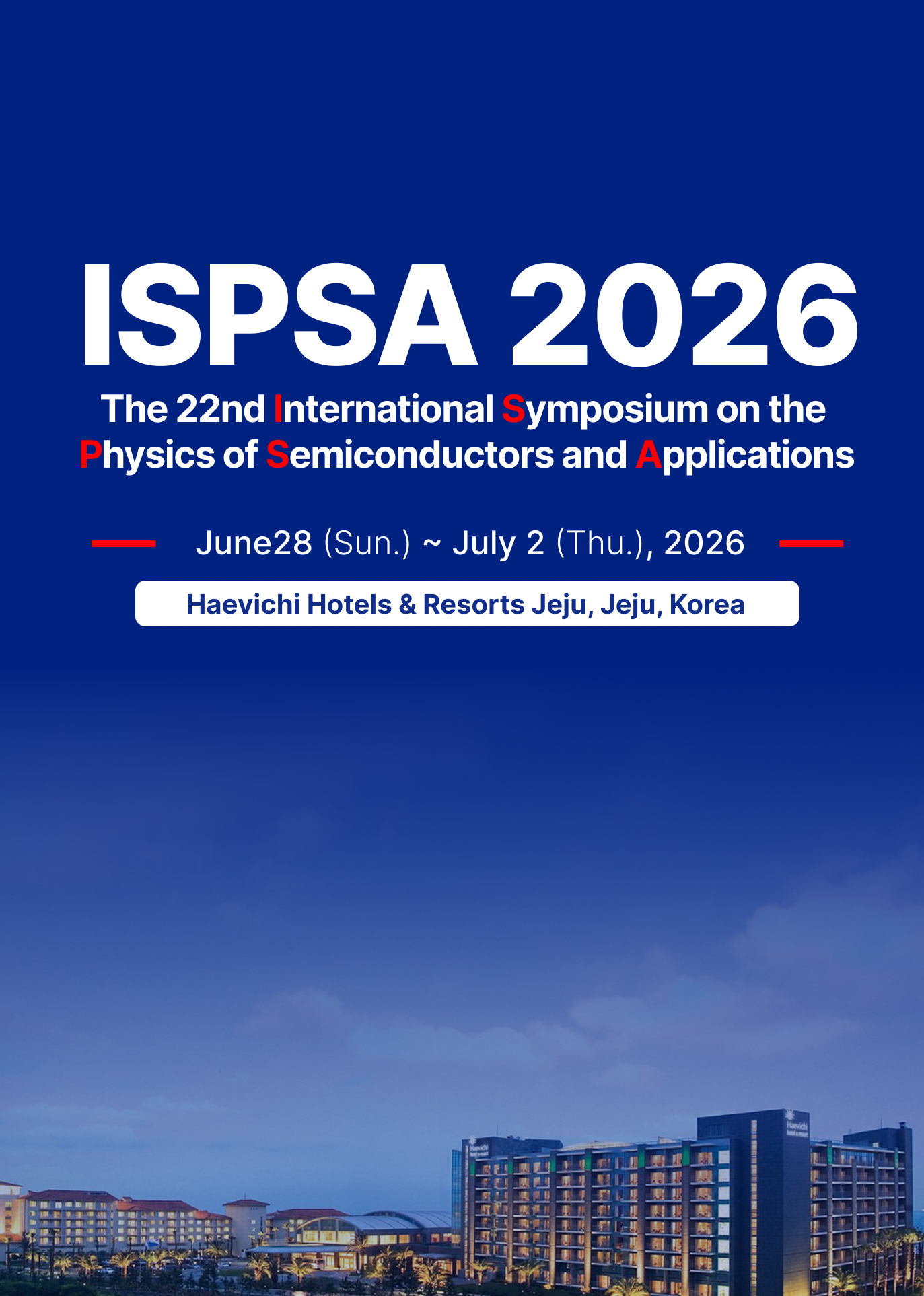
The 22nd International Symposium on the Physics of Semiconductors and Applications (ISPSA 2026) |
| 2026-06-28 ~ 2026-07-02 |

|
|
The 15th Asia-Pacific Conference on Transportation and the Environment (APTE 2026) |
| 2026-07-08 ~ 2026-07-10 |
Journal Promotion

|
| Acta Koreana (Acta Koreana) |
|
| Acta Via Serica (AVS) |

|
| Earthquakes and Structures, An International Journal (Earthquakes and Structures) |
|
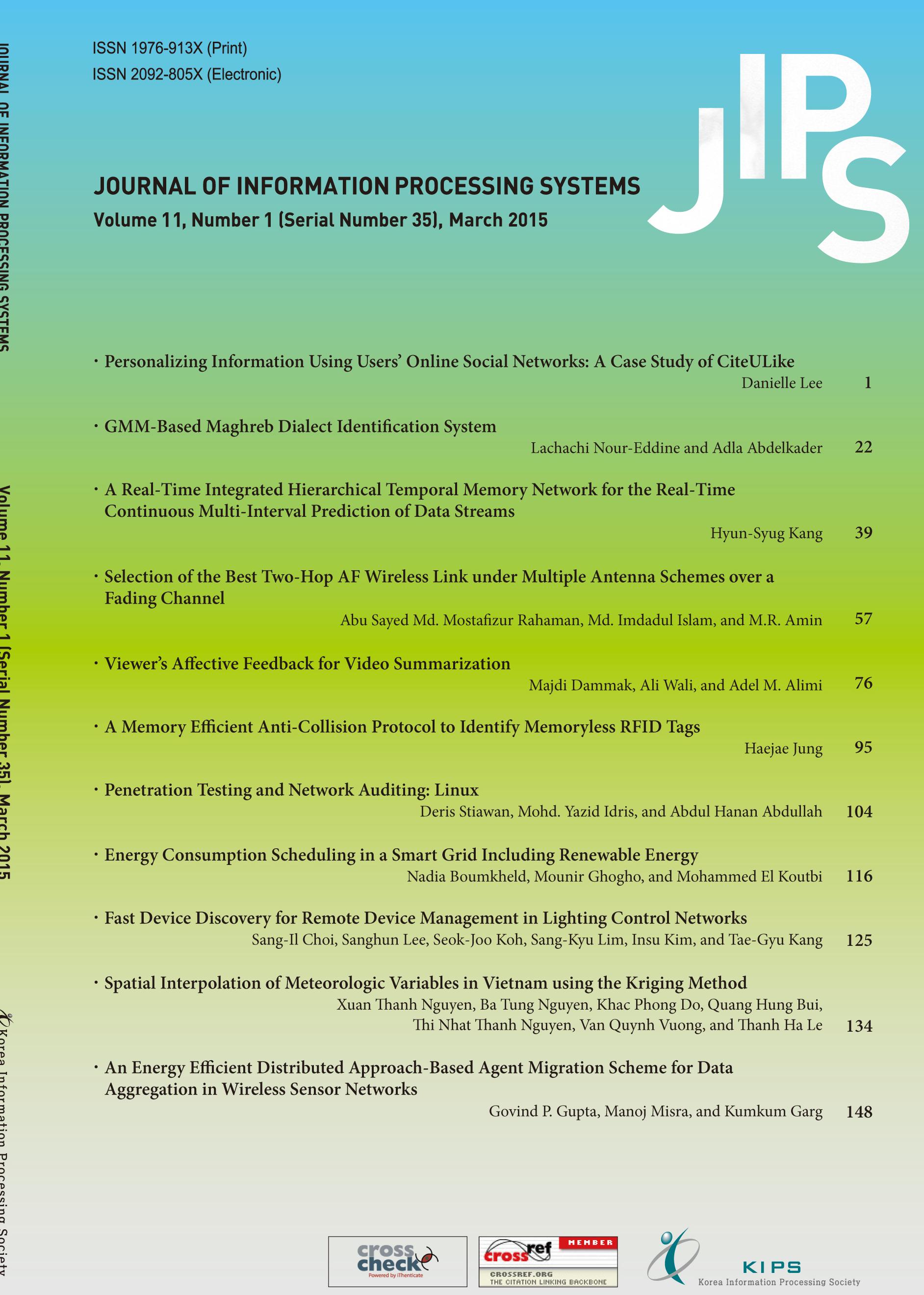
| Journal of Information Processing Systems (JIPS) |

|
| Journal of Internet Computing and Services (KSII - JICS) |
|
| Membrane and Water Treatment (MWT) |

|
| Smart Structures and Systems (Smart Structures and Systems) |



MANUSCRIPTLINK © 2015 -
