


57th LISBON International Conference on “Languages, Linguistics, Humanities & Social Sciences” (L3HSS-26) Oct. 8-10, 2026 Lisbon (Portugal)
L3HSS-26
- URL: https://www.earhm.org/conference/335
- Event Date: 2026-10-08 ~ 2026-10-10
- Submission Date: 2026-09-17
- Organizer: EARHM
- Location: Lisbon, Portugal
Foreign Language Learning Language & Linguistics English Language & Literature
Call for papers/Topics
Topics of interest for submission include any topics related to:
1. Linguistics: The Scientific Study of Language
Linguistics focuses on the structure, development, and use of language. It ranges from the physical sounds we make to the social implications of a dialect.
Theoretical & Formal Linguistics
Phonetics & Phonology: The physical production of sounds and the mental patterns of those sounds.
Morphology: The internal structure of words (prefixes, suffixes, roots).
Syntax: The rules governing sentence structure and grammar.
Semantics: The literal meaning of words and sentences.
Pragmatics: How context contributes to meaning (sarcasm, subtext).
Applied & Interdisciplinary Linguistics
Psycholinguistics: How the brain processes and acquires language.
Neurolinguistics: The physical brain structures involved in language.
Historical Linguistics: How languages evolve and branch off over time (Etymology).
Computational Linguistics: Natural Language Processing (NLP) and AI communication.
2. Languages:
While Linguistics studies the mechanics, this pillar focuses on the specific systems and the act of learning or translating them.
Language Acquisition
First Language Acquisition (FLA): How children learn to speak.
Second Language Acquisition (SLA): The mechanics of learning a foreign language as an adult.
Translation & Interpretation
Literary Translation: Translating prose and poetry.
Localization: Adapting products or content for specific cultural markets.
Language Typology
Language Families: Indo-European, Sino-Tibetan, Afroasiatic, etc.
Endangered Languages: Documentation and revitalization of dying tongues.
3. Humanities:
The Humanities use critical and analytical methods to understand the human experience through creative and intellectual expression.
Literature & Philosophy
Comparative Literature: Analyzing texts across different languages and cultures.
Epistemology: The study of knowledge and belief.
Ethics & Aesthetics: The study of morality and the nature of beauty.
History & The Arts
Historiography: The study of how history is written and interpreted.
Art History: The evolution of visual culture.
Musicology: The social and cultural history of music.
Religious Studies
Comparative Religion: Analyzing the beliefs and rituals of various faiths.
Mythology: The study of sacred narratives and folk traditions.
4. Social Sciences:
Social Sciences use more empirical or "scientific" methods to study how people behave in groups and how institutions function.
Sociology & Anthropology
Cultural Anthropology: The study of human cultures and social norms.
Social Stratification: Class, race, gender, and power dynamics.
Urban Sociology: How people interact in city environments.
Psychology & Behavior
Social Psychology: How individuals are influenced by others.
Cognitive Science: The study of the mind and its processes.
Political Science & Economics
International Relations: How nations interact.
Macro/Microeconomics: The distribution of resources and wealth.
Political Theory: The study of governance and justice.
Event Promotion

|
|
The 13th International Conference on Quantum Dots (QD 2026) |
| 2026-05-17 ~ 2026-05-22 |
|
|
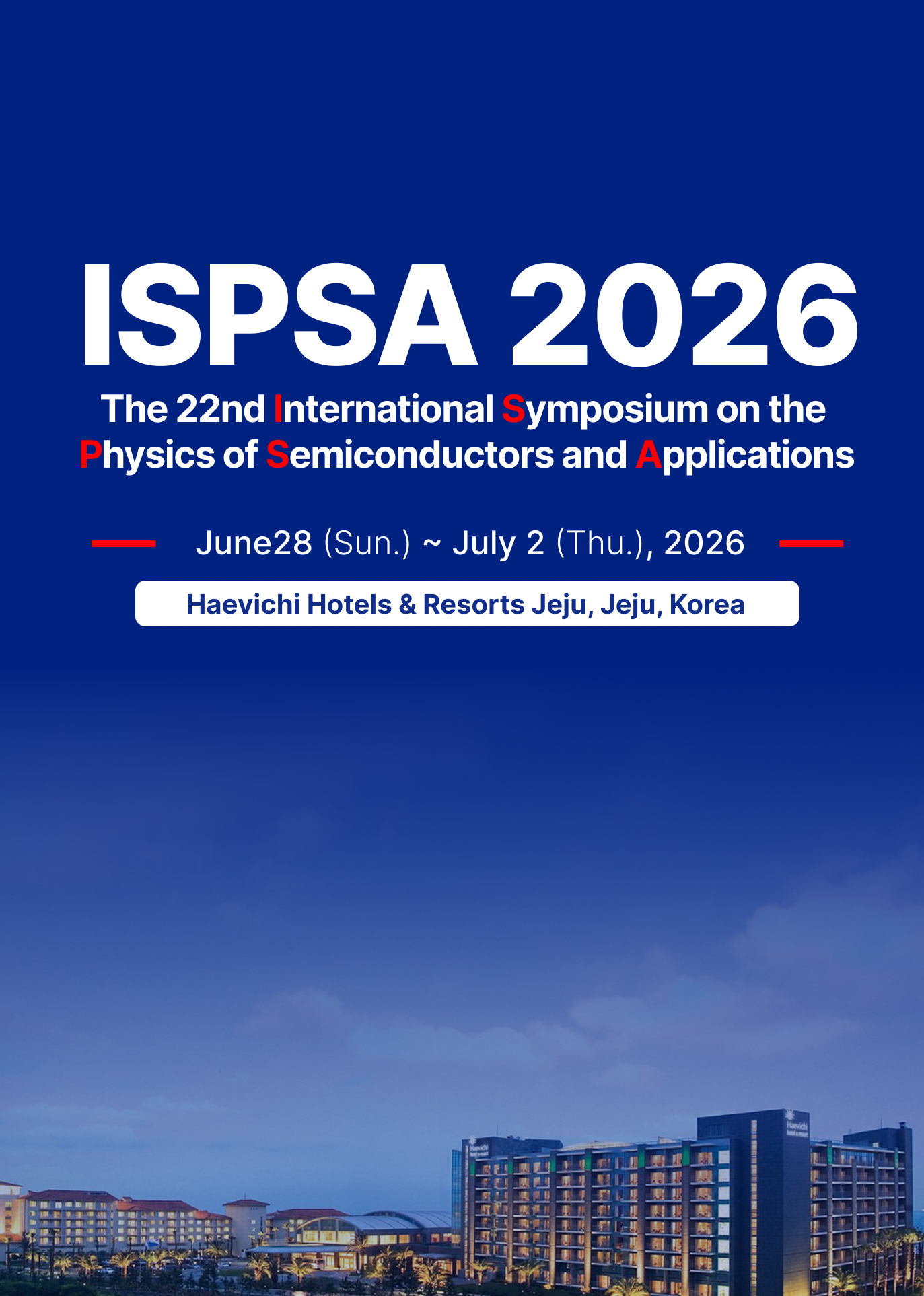
The 22nd International Symposium on the Physics of Semiconductors and Applications (ISPSA 2026) |
| 2026-06-28 ~ 2026-07-02 |

|
|
The 15th Asia-Pacific Conference on Transportation and the Environment (APTE 2026) |
| 2026-07-08 ~ 2026-07-10 |
|
|
ACEM26 / Structures26 (ACEM26) |
| 2026-08-24 ~ 2026-08-25 |
Journal Promotion
|
| Acta Koreana (Acta Koreana) |
|
| Acta Via Serica (AVS) |
|
| Advances in Concrete Construction (Advances in Concrete Construction ) |

|
| Advances in Nano Research (Advances in Nano Research) |
|
| Computers and Concrete (Computers and Concrete) |
|
| Earthquakes and Structures, An International Journal (Earthquakes and Structures) |
|
| Geomechanics and Engineering (Geomechanics and Engineering) |
|
| Journal of Information Processing Systems (JIPS) |

|
| Journal of Internet Computing and Services (KSII - JICS) |
|
| Membrane and Water Treatment (MWT) |
|
| Smart Structures and Systems (Smart Structures and Systems) |
|
| Steel and Composite Structures, An International Journal (Steel and Composite Structures) |
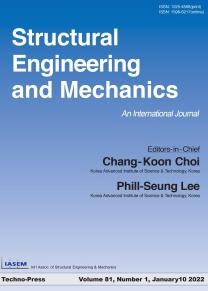
|
| Structural Engineering and Mechanics, An International Journal (Structural Engineering and Mechanics) |
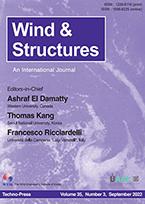
|
| Wind and Structures, An International Journal (Wind and Structures) |




MANUSCRIPTLINK © 2015 -
