


55th LISBON World Conference on Education Studies (LWCES-26) Oct. 8-10, 2026 Lisbon (Portugal)
LWCES-26
- URL: https://fahss.org/conference/353
- Event Date: 2026-10-08 ~ 2026-10-10
- Submission Date: 2026-09-17
- Organizer: FAHSS
- Location: Lisbon, Portugal
Educational Administration Educational Technology Physical Education & Sports Medicine
Call for papers/Topics
Topics of interest for submission include any topics related to:
1. Foundations of Education
These topics explore the "how" and "why" behind the way humans learn.
Educational Psychology
Cognitive development (Piaget, Vygotsky)
Motivation theory (Intrinsic vs. Extrinsic)
Memory and retention
Philosophy of Education
Perennialism vs. Progressivism
Critical Pedagogy (Freire)
Constructivism
Learning Sciences
Neuroplasticity and the brain
Social-emotional learning (SEL)
Metacognition (thinking about thinking)
2. Pedagogy and Instruction
This covers the actual practice of teaching and the design of the learning experience.
Curriculum Design
Standardized vs. Hidden curriculum
Backward Design (Understanding by Design)
Instructional Scaffolding
Teaching Methodologies
Inquiry-based learning
The Flipped Classroom
Gamification and Game-based learning
Differentiated Instruction
Assessment and Evaluation
Formative vs. Summative assessment
Standardized testing and its critiques
Authentic assessment (Portfolios, Projects)
Educational Technology (EdTech)
Learning Management Systems (LMS)
Artificial Intelligence in the classroom
Digital literacy and citizenship
3. Educational Systems and Leadership
These are the structural and administrative components that allow education to function at scale.
Special Education and Inclusion
Individualized Education Programs (IEPs)
Universal Design for Learning (UDL)
Neurodiversity in the classroom
School Leadership and Policy
School governance and administration
Educational law and student rights
Teacher professional development
Higher Education
Academic freedom
Vocational vs. Liberal Arts education
The "Enrollment Cliff" and university economics
4. Societal and Global Contexts
Education does not exist in a vacuum; it is deeply interrelated with culture, economics, and politics.
Economics of Education
Human Capital Theory
The ROI of a degree
Funding models (Public vs. Private)
Sociology of Education
Education as a tool for social mobility vs. social reproduction
The Achievement Gap / Opportunity Gap
Urban vs. Rural education
Global and Comparative Education
International benchmarks (PISA, TIMSS)
Education in developing nations
Language policy and multilingual education
Event Promotion

|
|
The 13th International Conference on Quantum Dots (QD 2026) |
| 2026-05-17 ~ 2026-05-22 |
|
|
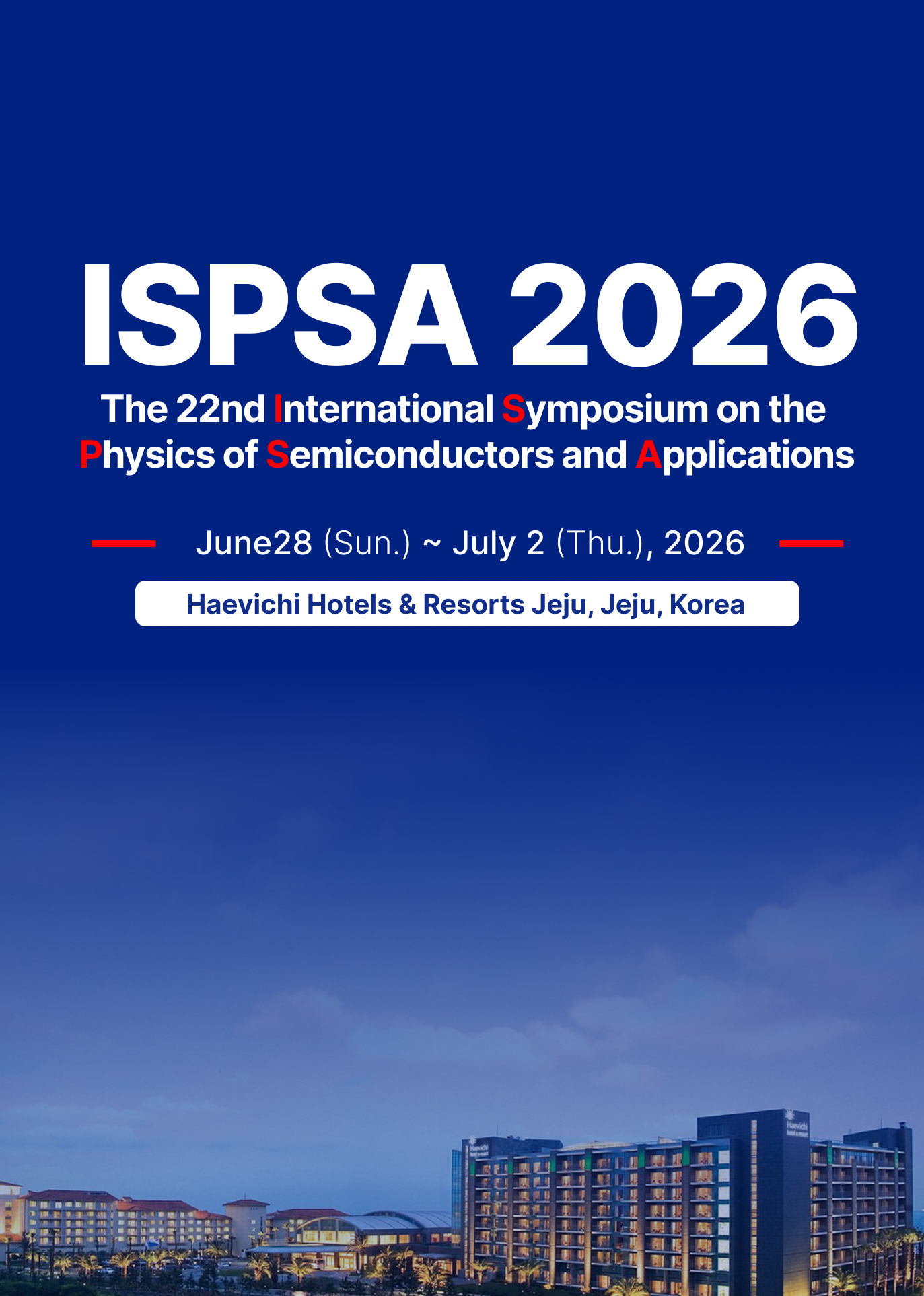
The 22nd International Symposium on the Physics of Semiconductors and Applications (ISPSA 2026) |
| 2026-06-28 ~ 2026-07-02 |

|
|
The 15th Asia-Pacific Conference on Transportation and the Environment (APTE 2026) |
| 2026-07-08 ~ 2026-07-10 |
|
|
ACEM26 / Structures26 (ACEM26) |
| 2026-08-24 ~ 2026-08-25 |
Journal Promotion
|
| Acta Koreana (Acta Koreana) |

|
| Acta Via Serica (AVS) |

|
| Advances in Concrete Construction (Advances in Concrete Construction ) |

|
| Advances in Nano Research (Advances in Nano Research) |

|
| Computers and Concrete (Computers and Concrete) |

|
| Earthquakes and Structures, An International Journal (Earthquakes and Structures) |

|
| Geomechanics and Engineering (Geomechanics and Engineering) |

|
| Journal of Information Processing Systems (JIPS) |

|
| Journal of Internet Computing and Services (KSII - JICS) |

|
| Membrane and Water Treatment (MWT) |

|
| Smart Structures and Systems (Smart Structures and Systems) |

|
| Steel and Composite Structures, An International Journal (Steel and Composite Structures) |

|
| Structural Engineering and Mechanics, An International Journal (Structural Engineering and Mechanics) |

|
| Wind and Structures, An International Journal (Wind and Structures) |




MANUSCRIPTLINK © 2015 -
