


55th PARIS International Conference on Arts, Music & Technology (PAMT-26) scheduled on June 24-26, 2026 Paris (France)
PAMT-26
- URL: https://hssis.org/conference/369
- Event Date: 2026-06-24 ~ 2026-06-26
- Submission Date: 2026-06-01
- Organizer: HSSIS
- Location: Paris, France
Humanities, Literature & Arts (General) Crafts, Design & Arts
Call for papers/Topics
Full Articles/ Reviews/ Shorts Papers/ Abstracts are welcomed in the following research fields:
1. Music Technology and Sound Engineering
This area focuses on the technical side of sound creation, capturing, and manipulation.
Digital Audio Workstations (DAWs): Multi-track recording, MIDI sequencing, and automation.
Sound Synthesis: Subtractive, FM (Frequency Modulation), Granular, and Physical Modeling synthesis.
Audio Engineering: Microphone placement, signal flow, pre-amps, and mixing/mastering techniques.
Digital Signal Processing (DSP): Developing audio effects (reverb, delay, distortion) and spectral analysis.
Generative Music: Algorithmic composition, Markov chains, and AI-driven melody generation.
2. Digital and New Media Arts
This explores visual creativity powered by hardware and software.
Creative Coding: Using languages like Processing, OpenFrameworks, or P5.js to create visual art.
Generative Art: Systems-based art where the artist creates the "rules" and the computer generates the output.
Projection Mapping: Aligning digital projections with complex physical surfaces or architecture.
Digital Fabrication: 3D printing, CNC milling, and laser cutting for physical sculptures.
NFTs and Blockchain Art: Digital ownership, smart contracts, and decentralized galleries.
3. Interactive and Immersive Technology
This field deals with how the audience "experiences" art through participation.
Virtual & Augmented Reality (VR/AR): Immersive world-building and spatial storytelling.
Physical Computing: Using microcontrollers (Arduino, Raspberry Pi) and sensors to make art respond to touch, light, or movement.
Human-Computer Interaction (HCI): Designing intuitive interfaces for creative expression.
Installation Art: Site-specific works that utilize sound, light, and motion sensors.
Bio-Art: Using biological sensors (like heart rate or brain waves) to trigger artistic or musical events.
4. Technology in Performance
Focuses on how technology is used "live" on stage.
Live Coding: Writing code in real-time to generate music or visuals during a performance.
NIME (New Interfaces for Musical Expression): Inventing custom instruments, wearable controllers, and gesture-based triggers.
Live Looping & Sequencing: Building complex layers of sound in a live environment.
Audio-Visual (AV) Performance: Synchronizing live music with real-time reactive visuals.
Holographic & Virtual Performers: Using motion capture and 3D rendering for virtual avatars or stage effects.
5. Composition and Scoring for Media
The application of art and music technology in commercial and narrative industries.
Game Audio: Nonlinear scoring, procedural sound design, and implementation using engines like Unreal or Unity.
Film Scoring: Orchestration, MIDI mockups, and "syncing to picture."
Spatial Audio (Ambisonics): Mixing sound for 360-degree environments (Dolby Atmos, Binaural audio).
Sound Design for UI/UX: Creating functional sounds for apps, vehicles, and devices.
6. History, Theory, and Ethics
The critical study of how technology reshapes culture.
History of Electronic Music: From the Theremin and Musique Concrète to modern EDM.
Aesthetics of New Media: Digital vs. Analog, the "glitch" aesthetic, and post-humanism.
Ethics of AI in Art: Intellectual property, deepfakes, and the role of the "author" in machine-generated work.
Cyberculture: The impact of the internet and social media on artistic collaboration.
Event Promotion

|
|
The 13th International Conference on Quantum Dots (QD 2026) |
| 2026-05-17 ~ 2026-05-22 |
|
|
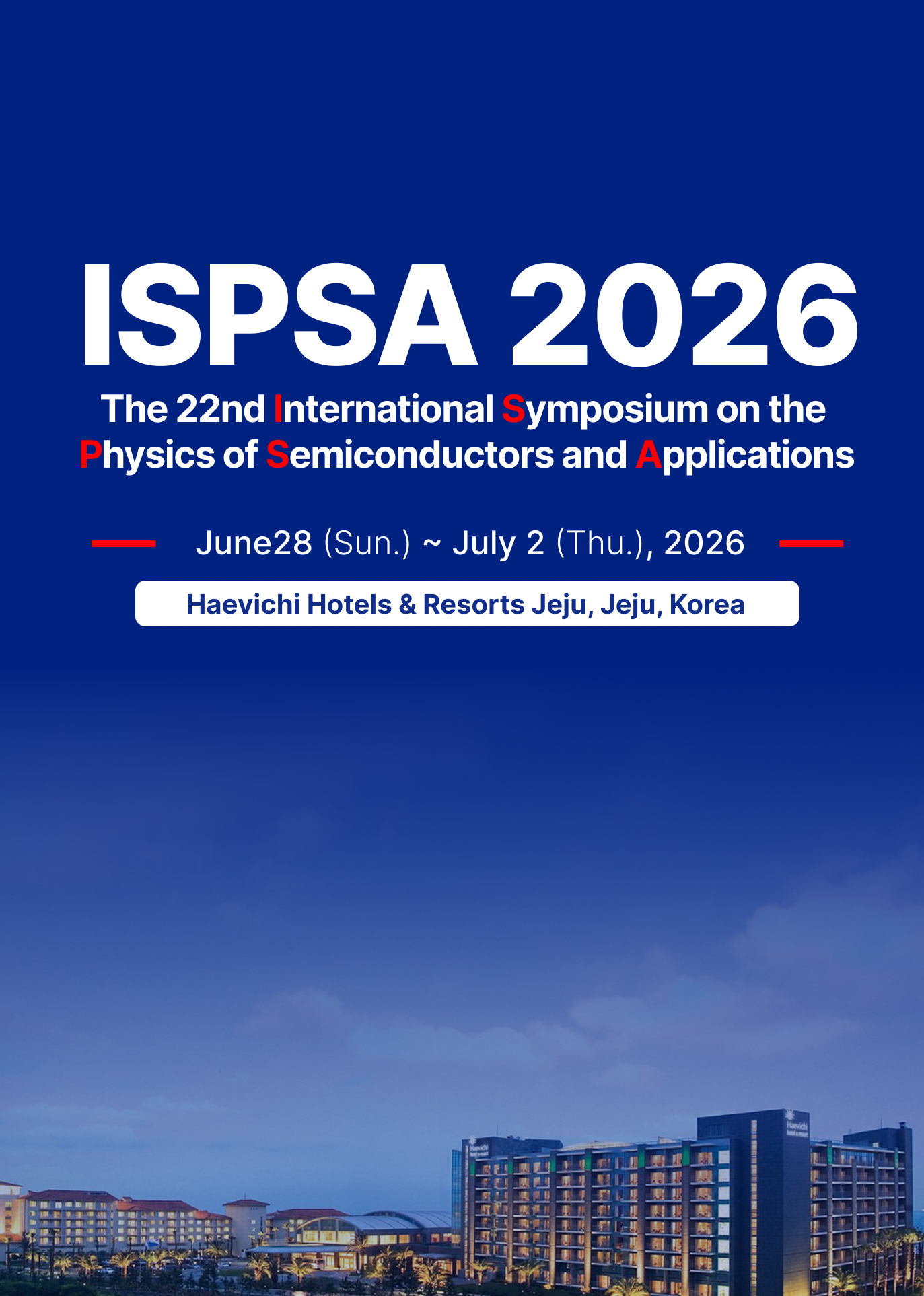
The 22nd International Symposium on the Physics of Semiconductors and Applications (ISPSA 2026) |
| 2026-06-28 ~ 2026-07-02 |

|
|
The 15th Asia-Pacific Conference on Transportation and the Environment (APTE 2026) |
| 2026-07-08 ~ 2026-07-10 |

|
|
ACEM26 / Structures26 (ACEM26) |
| 2026-08-24 ~ 2026-08-25 |
Journal Promotion

|
| Acta Koreana (Acta Koreana) |
|
| Acta Via Serica (AVS) |
|
| Computers and Concrete (Computers and Concrete) |
|
| Earthquakes and Structures, An International Journal (Earthquakes and Structures) |
|
| Geomechanics and Engineering (Geomechanics and Engineering) |
|
| Journal of Information Processing Systems (JIPS) |

|
| Journal of Internet Computing and Services (KSII - JICS) |

|
| Membrane and Water Treatment (MWT) |

|
| Smart Structures and Systems (Smart Structures and Systems) |

|
| Steel and Composite Structures, An International Journal (Steel and Composite Structures) |

|
| Structural Engineering and Mechanics, An International Journal (Structural Engineering and Mechanics) |

|
| Wind and Structures, An International Journal (Wind and Structures) |




MANUSCRIPTLINK © 2015 -
