


38th PARIS International Congress on Chemical, Biological & Environmental Engineering Research (CBEER-26) July 20-22, 2026 Paris (France)
CBEER-26
- URL: https://urebe.urst.org/conference/179
- Event Date: 2026-07-20 ~ 2026-07-22
- Submission Date: 2026-07-01
- Organizer: UREBE
- Location: Paris, France
Biochemistry Environmental Sciences
Call for Papers: CBEER-26
All Abstracts, Reviews, short articles, Full articles, Posters are welcomed related with any of the following research fields:
1. Core Engineering Foundations (Interrelated)
These topics serve as the "common language" for all three disciplines.
Transport Phenomena: The study of momentum (fluid mechanics), energy (heat transfer), and mass transfer.
Thermodynamics: Energy balances, phase equilibria, and chemical reaction energetics.
Reaction Engineering: Design and optimization of reactors for chemical or biological processes.
Process Control & Dynamics: Using sensors and mathematical models to maintain stability in a system.
Material and Energy Balances: The fundamental accounting of inputs, outputs, and accumulations.
2. Chemical Engineering (ChE)
Focuses primarily on the large-scale production of chemicals, fuels, and materials.
Separation Processes: Distillation, absorption, extraction, and membrane filtration.
Petrochemical Engineering: Refining crude oil and natural gas processing.
Polymer & Materials Science: Synthesis of plastics, composites, and advanced nanomaterials.
Process Intensification: Making chemical plants smaller, safer, and more efficient.
Catalysis: Developing substances to speed up chemical reactions without being consumed.
3. Biological Engineering (BioE)
Applies engineering principles to living systems and biological materials.
Bioprocess Engineering: Large-scale cultivation of bacteria, yeast, or mammalian cells (e.g., for vaccines).
Metabolic Engineering: Modifying genetic pathways to produce specific chemicals or biofuels.
Biomedical Engineering:
Tissue Engineering: Growing replacement organs or scaffolds.
Pharmacokinetics: Modeling how drugs move through the human body.
Bioinformatics: Using computational tools to analyze biological data (genomics/proteomics).
Food Engineering: Processing, preservation, and packaging of food products.
4. Environmental Engineering (EnvE)
Focuses on protecting human health and the environment through technical solutions.
Water & Wastewater Treatment: Design of systems to purify drinking water and treat industrial/municipal waste.
Air Quality Engineering: Monitoring and controlling industrial emissions and particulate matter.
Solid & Hazardous Waste Management: Remediation of contaminated soil and landfill engineering.
Sustainability & Life Cycle Assessment (LCA): Quantifying the environmental "footprint" of a product from "cradle to grave."
Hydrology & Water Resource Management: Managing the distribution and quality of groundwater and surface water.
5. Major Intersections (Interrelated Topics)
This is where the three disciplines overlap to solve complex global challenges.
- Green Chemistry, Carbon Capture and Sequestration (CCS), Industrial Ecology.
- Bioremediation (using microbes to clean spills), Waste-to-Energy, Bio-filtration.
- Pharmaceutical Manufacturing, Synthetic Biology, Biomaterials for drug delivery.
- Sustainable Biofuels, Circular Economy systems, Global Climate Modeling.
Event Promotion

|
|
The 13th International Conference on Quantum Dots (QD 2026) |
| 2026-05-17 ~ 2026-05-22 |
|
|
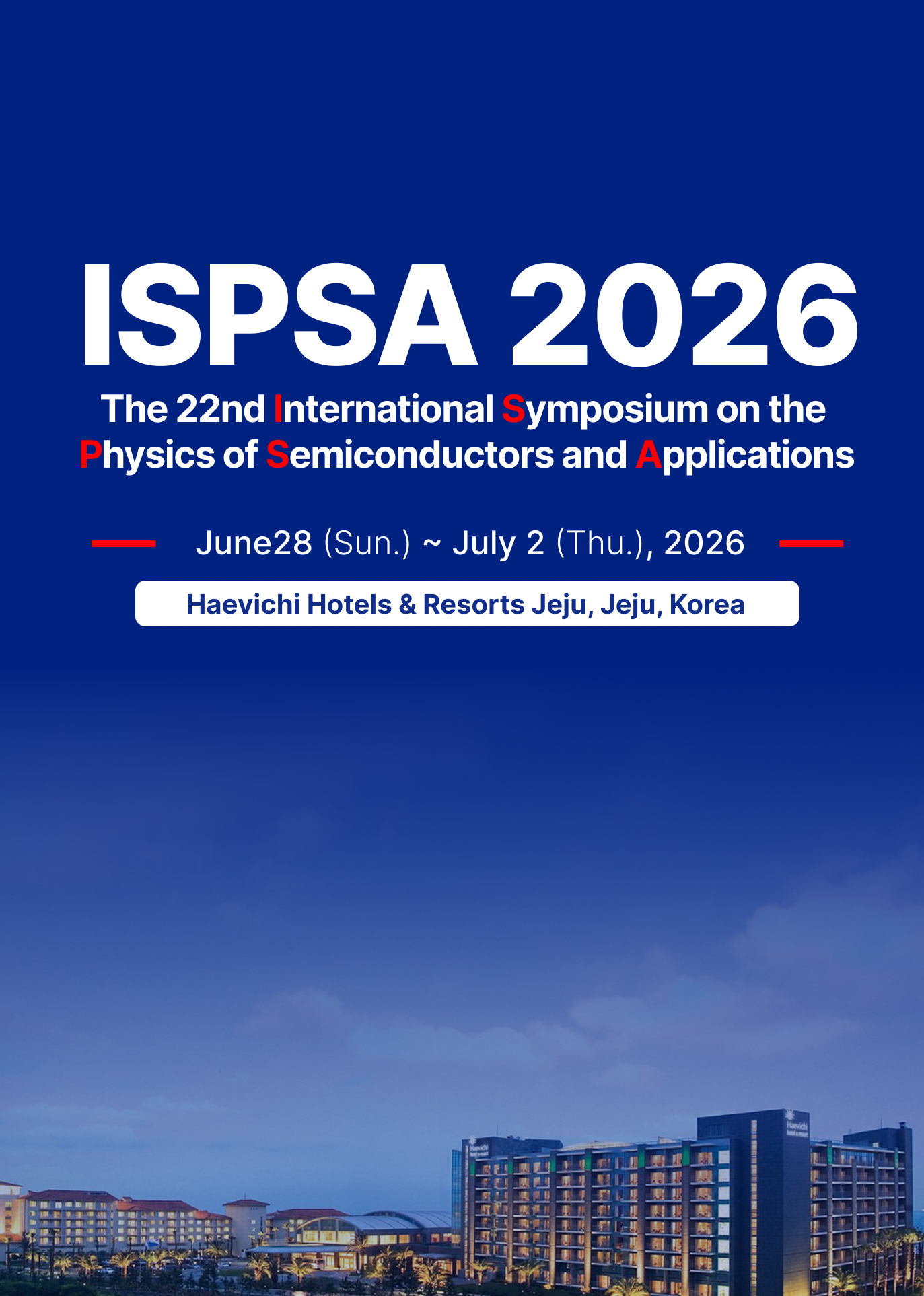
The 22nd International Symposium on the Physics of Semiconductors and Applications (ISPSA 2026) |
| 2026-06-28 ~ 2026-07-02 |

|
|
The 15th Asia-Pacific Conference on Transportation and the Environment (APTE 2026) |
| 2026-07-08 ~ 2026-07-10 |
|
|
ACEM26 / Structures26 (ACEM26) |
| 2026-08-24 ~ 2026-08-25 |
Journal Promotion

|
| Acta Koreana (Acta Koreana) |

|
| Acta Via Serica (AVS) |
|
| Advances in Concrete Construction (Advances in Concrete Construction ) |

|
| Advances in Nano Research (Advances in Nano Research) |

|
| Computers and Concrete (Computers and Concrete) |

|
| Earthquakes and Structures, An International Journal (Earthquakes and Structures) |

|
| Geomechanics and Engineering (Geomechanics and Engineering) |

|
| Journal of Information Processing Systems (JIPS) |

|
| Journal of Internet Computing and Services (KSII - JICS) |
|
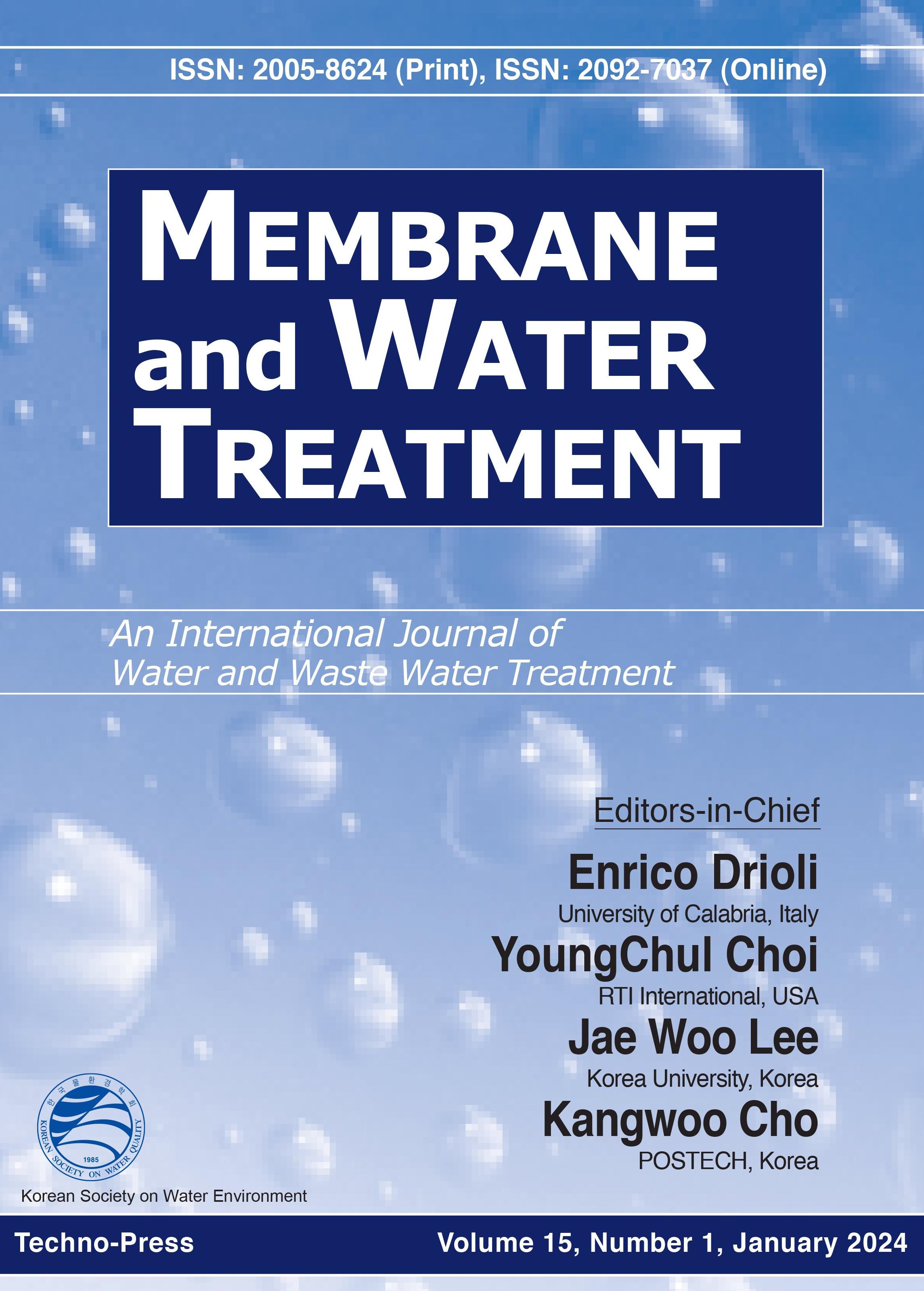
| Membrane and Water Treatment (MWT) |

|
| Smart Structures and Systems (Smart Structures and Systems) |

|
| Steel and Composite Structures, An International Journal (Steel and Composite Structures) |

|
| Structural Engineering and Mechanics, An International Journal (Structural Engineering and Mechanics) |

|
| Wind and Structures, An International Journal (Wind and Structures) |




MANUSCRIPTLINK © 2015 -
