


41st PARIS International Conference on Civil, Transportation & Environmental Engineering (PC2TE2-26) Dec. 3-5, 2026 Paris (France)
PC2TE2-26
- URL: https://earcee.eares.org/conference/342
- Event Date: 2026-12-03 ~ 2026-12-05
- Submission Date: 2026-11-12
- Organizer: EARCEE
Environmental & Geological Engineering Transportation Civil Engineering Environmental Sciences Environmental & Occupational Medicine
Call for papers/Topics
Topics of interest for submission include any topics related to:
1. Core Civil Engineering
These topics represent the traditional "backbone" of the industry, focusing on physical structures and materials.
Structural Engineering:
Reinforced Concrete and Steel Design.
Seismic Analysis and Earthquake Engineering.
Bridge and Tunnel Engineering.
Geotechnical Engineering:
Soil Mechanics and Foundation Design.
Retaining Walls and Slope Stability.
Ground Improvement Techniques.
Construction Management:
Project Scheduling (BIM, PERT/CPM).
Cost Estimation and Quantity Surveying.
Safety and Risk Management.
2. Transportation Engineering
This sector focuses on the efficient, safe, and sustainable movement of people and goods.
Geometric Design:
Highway Alignment (Horizontal and Vertical curves).
Intersection and Interchange Design.
Pavement Engineering:
Flexible and Rigid Pavement Design.
Pavement Maintenance and Management Systems (PMS).
Traffic Engineering:
Signal Timing and Operations.
Traffic Flow Theory and Capacity Analysis.
Intelligent Transportation Systems (ITS).
Public and Urban Transit:
Mass Transit Systems (LRT, BRT, Subway).
Active Transportation (Bicycle and Pedestrian infrastructure).
3. Environmental Engineering
This field focuses on protecting human health and the natural environment through technical solutions.
Water & Wastewater Treatment:
Potable Water Purification.
Biological and Chemical Wastewater Treatment.
Desalination Technologies.
Solid and Hazardous Waste Management:
Landfill Engineering.
Recycling and Waste-to-Energy Systems.
Remediation of Contaminated Sites.
Air Quality & Noise Control:
Emission Control Technologies.
Atmospheric Dispersion Modeling.
Acoustic Barrier Design.
4. Interrelated & Multi-Disciplinary Topics
These are the "overlap" areas where the three fields must collaborate to solve modern challenges.
TopicIntegration PointsSustainable Urban Drainage (SuDS)Civil/Env: Designing infrastructure that manages stormwater runoff while preventing pollution in local waterways.Green InfrastructureCivil/Trans/Env: Incorporating permeable pavements, bioswales, and "green" bridges into highway design.Environmental Impact Assessment (EIA)Trans/Env: Evaluating how a new transit corridor affects local ecosystems, noise levels, and carbon footprints.Smart Cities & IoTCivil/Trans: Using sensors in bridges and roads to monitor structural health and traffic loads in real-time.Hydrology & HydraulicsCivil/Env: Designing culverts, dams, and levees that manage water flow for both safety and ecological health.Climate ResiliencyAll: Adapting existing infrastructure to survive rising sea levels, extreme heat, and increased flooding.
5. Emerging Trends
Autonomous Vehicle Infrastructure: How road design must change to accommodate self-driving cars.
Circular Economy in Construction: Using recycled plastic or glass in asphalt and concrete.
Carbon Sequestration in Materials: Developing "carbon-negative" cement and building materials.
Event Promotion
|
|
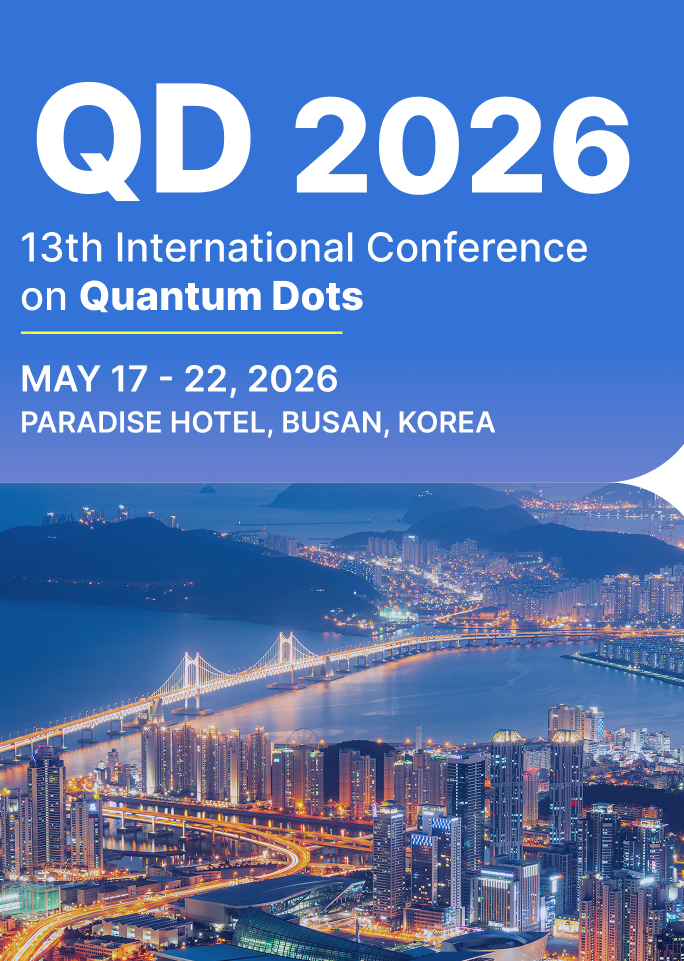
The 13th International Conference on Quantum Dots (QD 2026) |
| 2026-05-17 ~ 2026-05-22 |
|
|
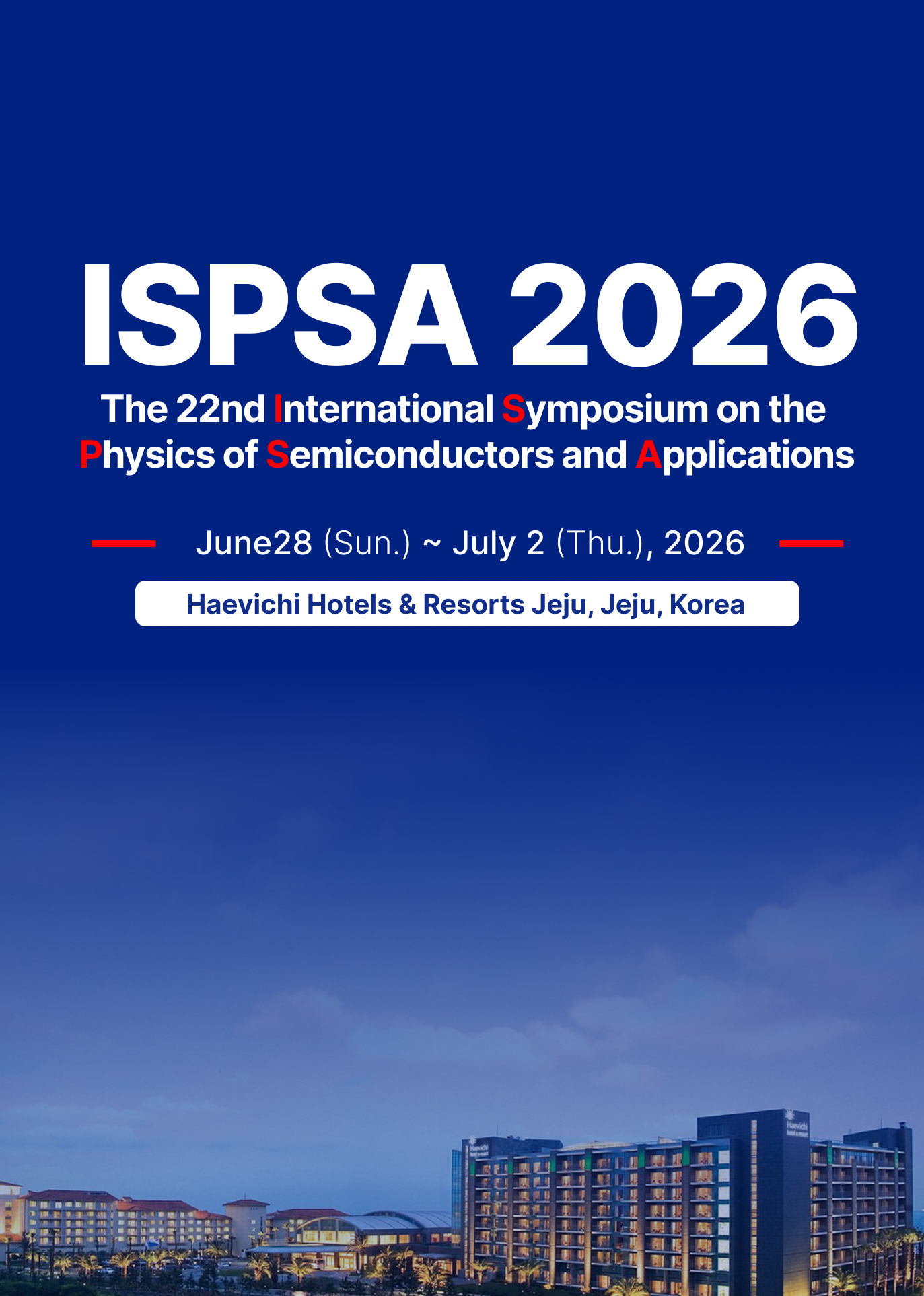
The 22nd International Symposium on the Physics of Semiconductors and Applications (ISPSA 2026) |
| 2026-06-28 ~ 2026-07-02 |

|
|
The 15th Asia-Pacific Conference on Transportation and the Environment (APTE 2026) |
| 2026-07-08 ~ 2026-07-10 |
|
|
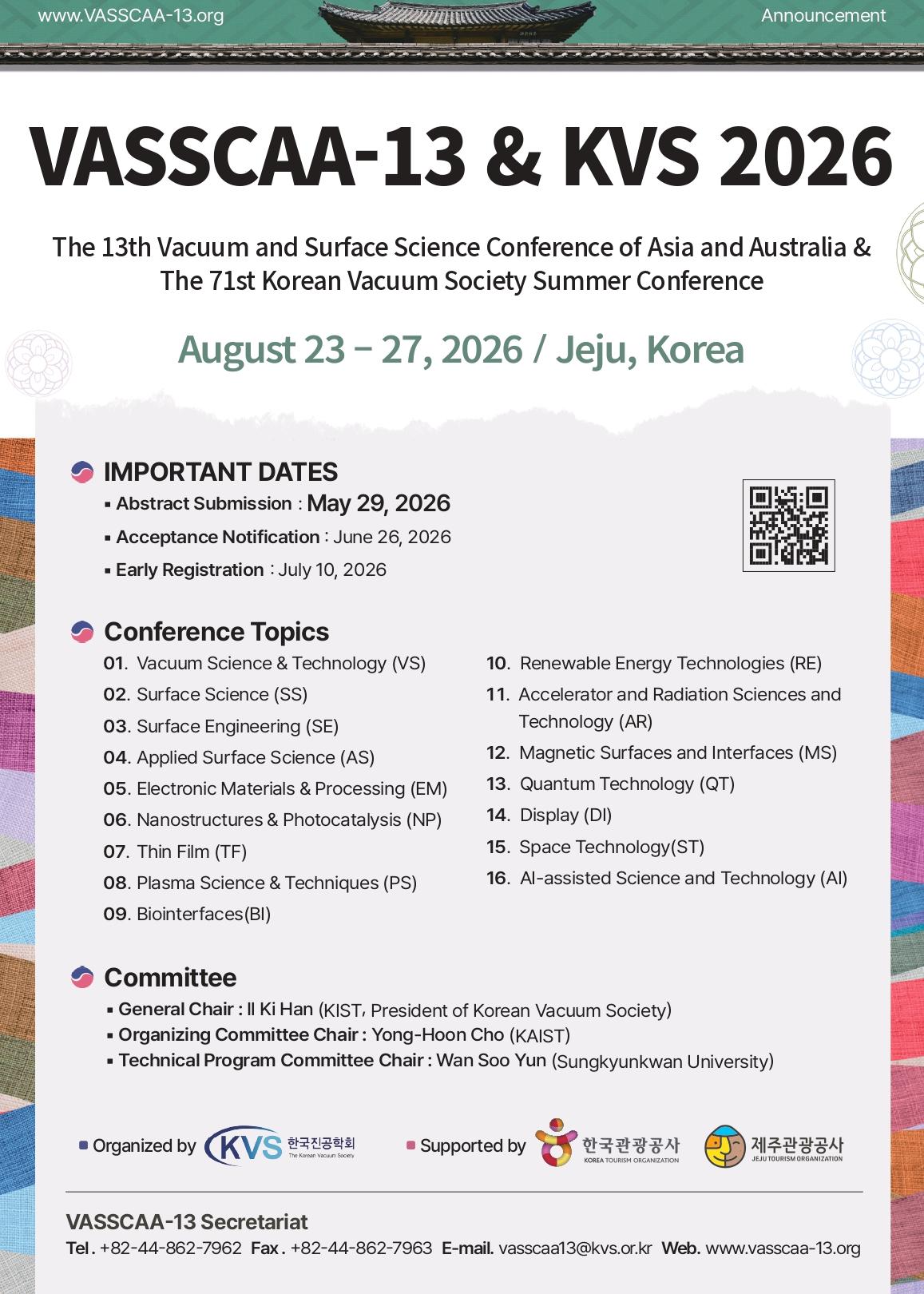
VASSCAA-13 & The 71st KVS Summer Annual Conference (VASSCAA 13) |
| 2026-08-23 ~ 2026-08-27 |
|
|
ACEM26 / Structures26 (ACEM26) |
| 2026-08-24 ~ 2026-08-25 |
Journal Promotion
|
| Acta Koreana (Acta Koreana) |
|
| Acta Via Serica (AVS) |
|
| Advances in Concrete Construction (Advances in Concrete Construction ) |

|
| Advances in Nano Research (Advances in Nano Research) |
|
| Computers and Concrete (Computers and Concrete) |
|
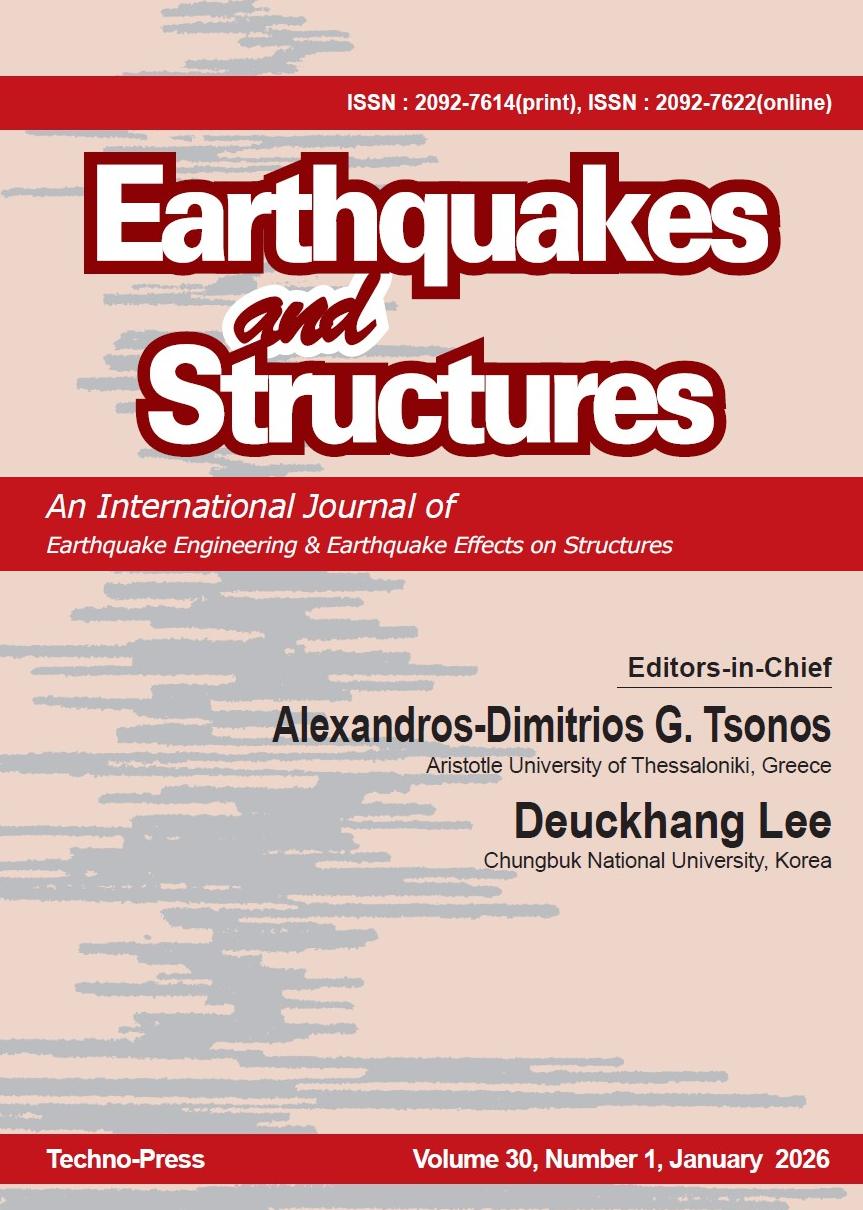
| Earthquakes and Structures, An International Journal (Earthquakes and Structures) |
|
| Geomechanics and Engineering (Geomechanics and Engineering) |
|
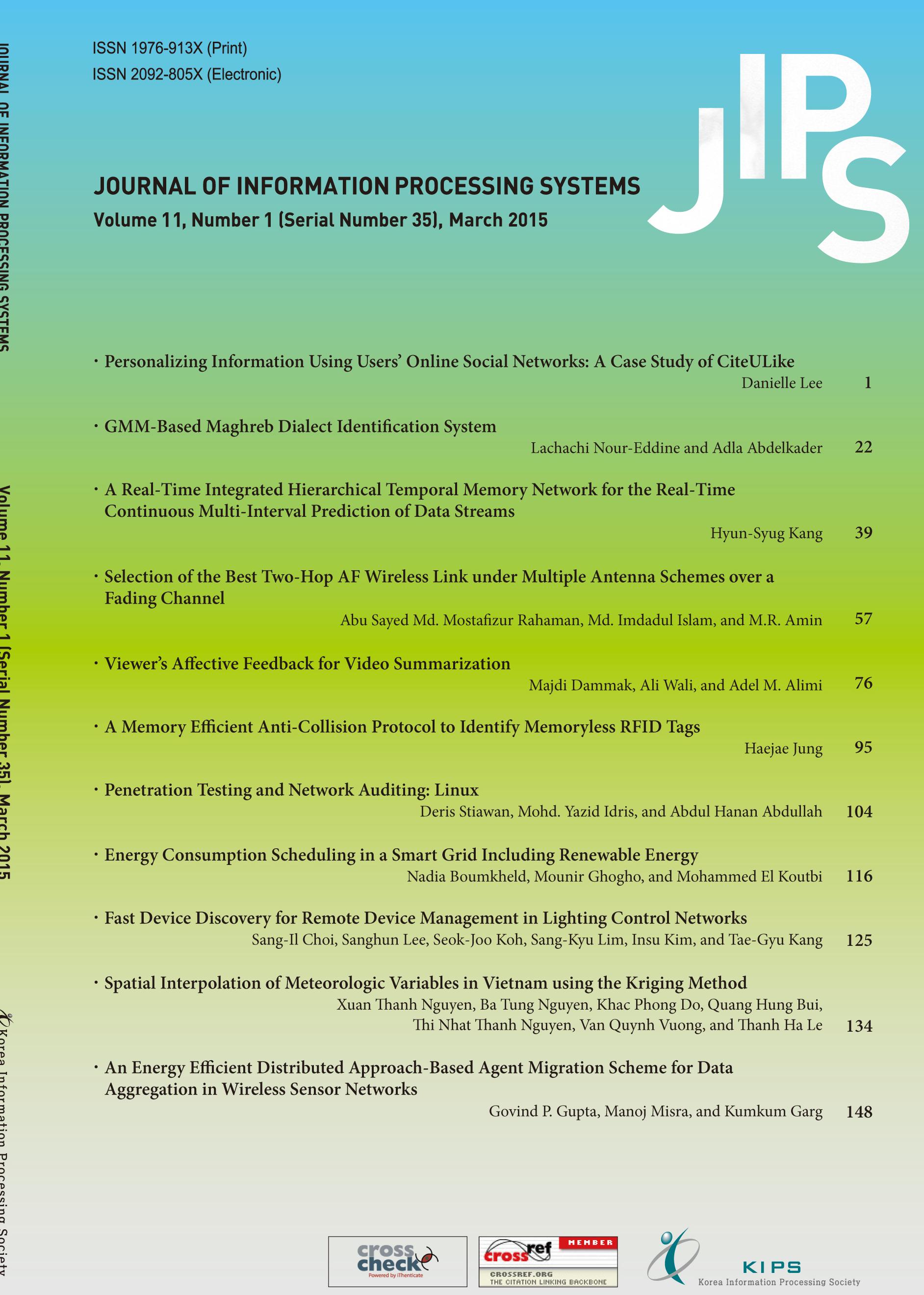
| Journal of Information Processing Systems (JIPS) |

|
| Journal of Internet Computing and Services (KSII - JICS) |
|
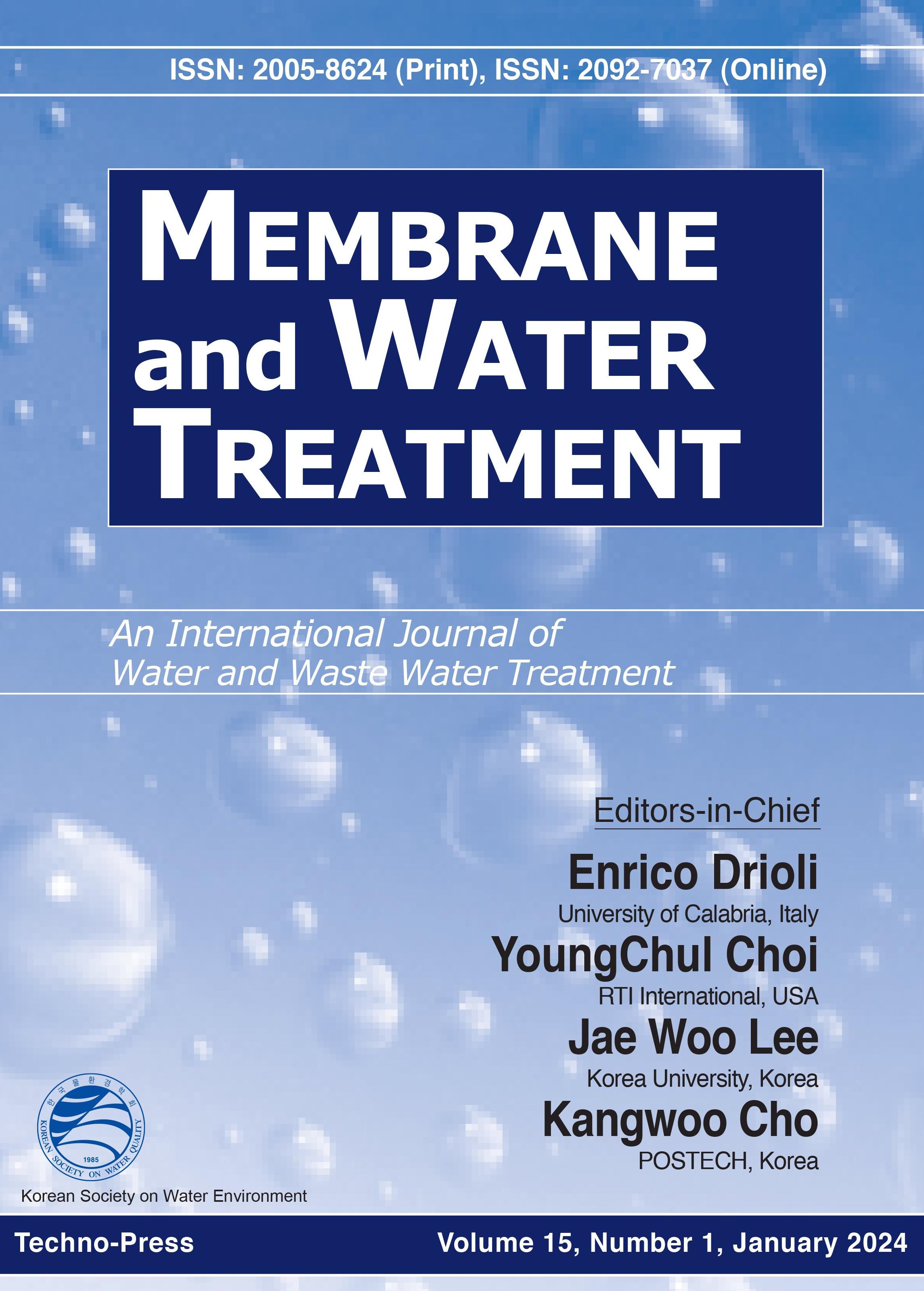
| Membrane and Water Treatment (MWT) |

|
| Smart Structures and Systems (Smart Structures and Systems) |
|
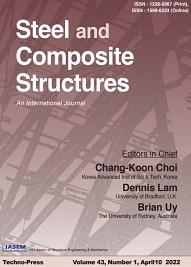
| Steel and Composite Structures, An International Journal (Steel and Composite Structures) |
|
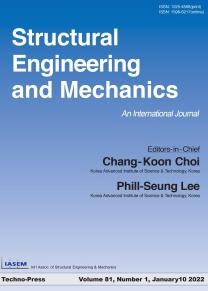
| Structural Engineering and Mechanics, An International Journal (Structural Engineering and Mechanics) |
|
| Wind and Structures, An International Journal (Wind and Structures) |




MANUSCRIPTLINK © 2015 -
