


53rd PARIS International Conference on Challenges in “Science, Engineering & Technology” (PCSET-26) scheduled on July 20-22, 2026 Paris (France)
PCSET-26
- URL: https://iaaes.org/conference/390
- Event Date: 2026-07-20 ~ 2026-07-22
- Submission Date: 2026-07-01
- Organizer: IAAES
- Location: Paris, France
Materials Engineering Chemical & Material Sciences (General)
Topics
All Abstracts, Reviews, short articles, Full articles, Posters are welcomed related with any of the following research fields:
1. Natural & Formal Sciences
These disciplines provide the theoretical framework and laws that govern the physical and logical world.
Physical Sciences
Physics: Mechanics, Thermodynamics, Quantum Physics, Electromagnetism, Optics, and Relativity.
Chemistry: Organic, Inorganic, Physical, Analytical, and Biochemistry.
Earth Sciences: Geology, Meteorology, Oceanography, and Environmental Science.
Life Sciences
Biology: Genetics, Microbiology, Ecology, Zoology, and Botany.
Health Sciences: Anatomy, Physiology, Pharmacology, and Epidemiology.
Formal Sciences
Mathematics: Calculus, Linear Algebra, Statistics, and Topology.
Logic: Theoretical Computer Science and Set Theory.
2. Engineering Disciplines
Engineering applies scientific principles to design, build, and maintain structures, machines, and systems.
Mechanical & Physical Engineering
Mechanical: Dynamics, Heat Transfer, Fluid Mechanics, and Robotics.
Civil: Structural Analysis, Geotechnical Engineering, and Transportation Systems.
Aerospace: Aerodynamics, Propulsion, and Avionics.
Chemical & Process Engineering
Chemical: Reaction Engineering, Transport Phenomena, and Materials Science.
Biomedical: Tissue Engineering, Medical Devices, and Biomechanics.
Electrical & Electronics Engineering
Electrical: Power Systems, Control Systems, and Electromagnetics.
Electronic: Microelectronics, Signal Processing, and Telecommunications.
3. Technology & Digital Systems
Technology focuses on the collection of techniques, skills, and processes used to produce goods or services or accomplish objectives.
Information Technology (IT) & Computing
Software Engineering: Algorithms, Data Structures, and App Development.
Artificial Intelligence: Machine Learning, Neural Networks, and NLP.
Cybersecurity: Cryptography, Network Security, and Ethical Hacking.
Data Science: Big Data Analytics and Data Mining.
Advanced Manufacturing & Materials
Nanotechnology: Nanofabrication and Molecular Engineering.
Biotechnology: CRISPR/Gene Editing and Synthetic Biology.
Additive Manufacturing: 3D Printing and Rapid Prototyping.
4. Interrelated & Emerging Domains
Modern innovation usually happens at the intersection of these three pillars.
Interrelated FieldOverlapping DisciplinesKey Focus AreaMechatronicsMechanical + Electrical + SoftwareSmart machines and automated systems.Sustainability TechEnvironmental Science + Civil/Chemical EngineeringRenewable energy and carbon capture.Quantum ComputingQuantum Physics + Computer ScienceProcessing power beyond classical limits.BioinformaticsBiology + Statistics + Computer ScienceAnalyzing complex biological data (DNA).NeuroengineeringNeuroscience + Electrical EngineeringBrain-computer interfaces.
Event Promotion

|
|
The 13th International Conference on Quantum Dots (QD 2026) |
| 2026-05-17 ~ 2026-05-22 |
|
|
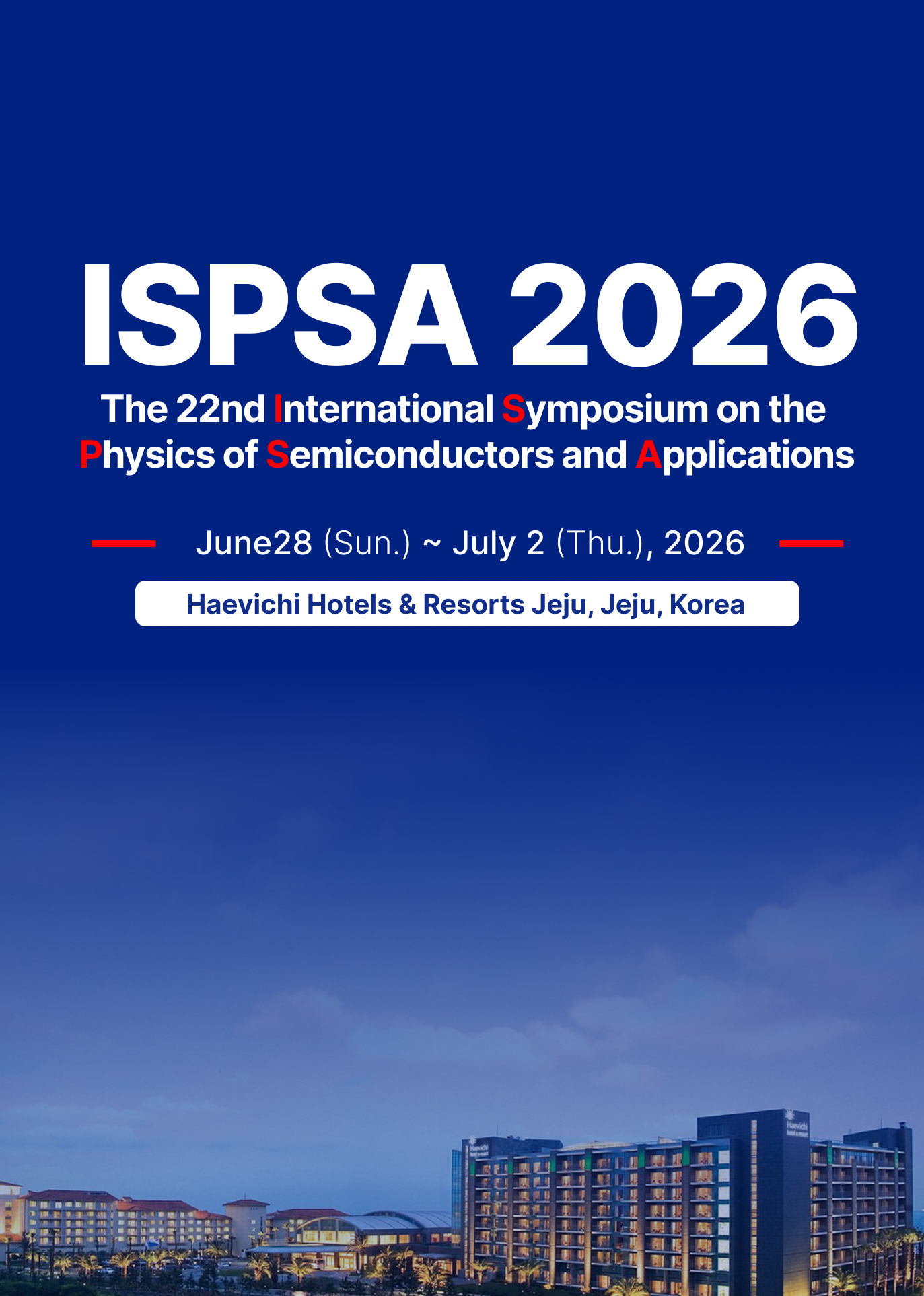
The 22nd International Symposium on the Physics of Semiconductors and Applications (ISPSA 2026) |
| 2026-06-28 ~ 2026-07-02 |

|
|
The 15th Asia-Pacific Conference on Transportation and the Environment (APTE 2026) |
| 2026-07-08 ~ 2026-07-10 |
|
|
ACEM26 / Structures26 (ACEM26) |
| 2026-08-24 ~ 2026-08-25 |
Journal Promotion

|
| Acta Koreana (Acta Koreana) |

|
| Acta Via Serica (AVS) |
|
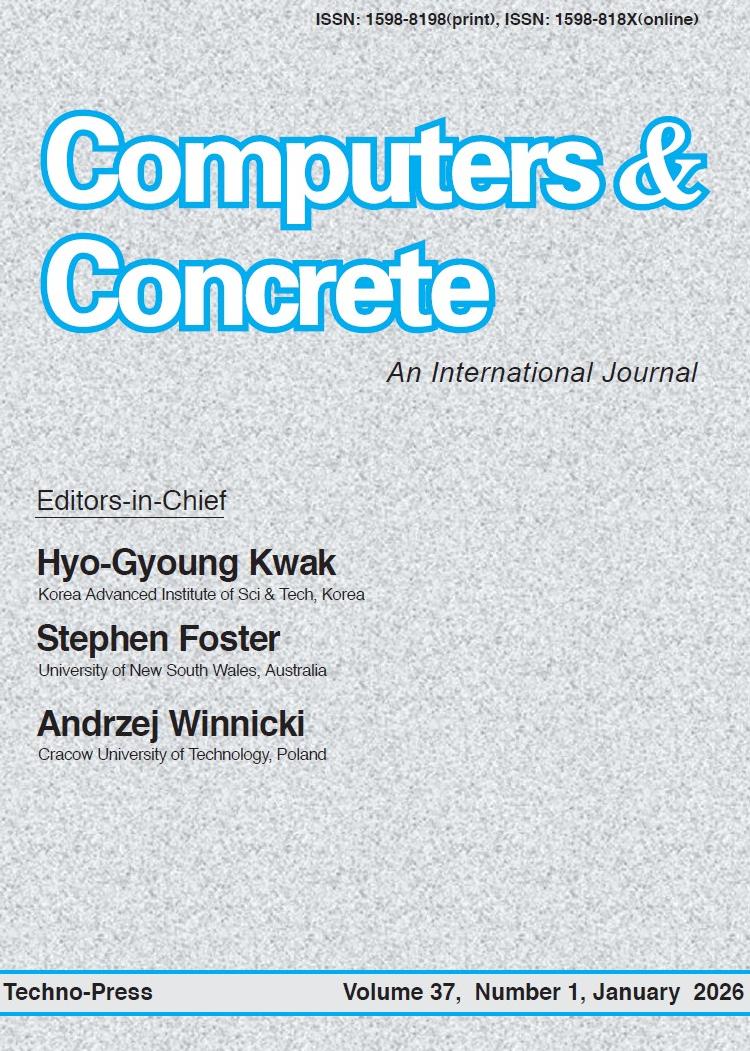
| Computers and Concrete (Computers and Concrete) |

|
| Earthquakes and Structures, An International Journal (Earthquakes and Structures) |
|
| Geomechanics and Engineering (Geomechanics and Engineering) |

|
| Journal of Information Processing Systems (JIPS) |

|
| Journal of Internet Computing and Services (KSII - JICS) |

|
| Membrane and Water Treatment (MWT) |

|
| Smart Structures and Systems (Smart Structures and Systems) |

|
| Steel and Composite Structures, An International Journal (Steel and Composite Structures) |
|
| Structural Engineering and Mechanics, An International Journal (Structural Engineering and Mechanics) |

|
| Wind and Structures, An International Journal (Wind and Structures) |




MANUSCRIPTLINK © 2015 -
