


42nd PARIS International Conference on Research in Engineering, Science & Technology (PREST-26)
PREST-26
- URL: https://iceeat.heaig.org/conference/367
- Event Date: 2026-06-24 ~ 2026-06-26
- Submission Date: 2026-06-01
- Organizer: ICEEAT
- Location: Paris, France
Materials Engineering Engineering & Computer Science (General) Materials Engineering Mechanical Engineering Aviation & Aerospace Engineering Ceramic Engineering
Call for papers/Topics
Full Articles/ Reviews/ Shorts Papers/ Abstracts are welcomed in the following research fields:
1. Natural Sciences
Science is categorized into the study of the physical world (Physical Sciences) and living organisms (Life Sciences).
Physical Sciences
Physics: Classical mechanics, thermodynamics, electromagnetism, quantum mechanics, and relativity.
Chemistry: Organic, inorganic, analytical, physical, and biochemistry.
Earth Science: Geology (solid Earth), Meteorology (weather), Oceanography (seas), and Paleontology (fossils).
Astronomy: Astrophysics, cosmology, and planetary science.
Life Sciences (Biology)
Microbiology: Virology, bacteriology, and immunology.
Botany: Plant physiology, ecology, and genetics.
Zoology: Ethology (behavior), entomology (insects), and herpetology.
Genetics: Genomics, molecular biology, and heredity.
Ecology: Conservation biology, environmental science, and biodiversity.
2. Engineering
Engineering is the application of scientific and mathematical principles to design and build structures, machines, and systems.
Core Engineering Branches
Civil Engineering: Structural, geotechnical, transportation, and water resources engineering.
Mechanical Engineering: Thermodynamics, robotics, fluid mechanics, and manufacturing systems.
Electrical Engineering: Power systems, electronics, telecommunications, and signal processing.
Chemical Engineering: Process engineering, polymer science, and molecular engineering.
Specialized & Interdisciplinary Engineering
Aerospace Engineering: Aeronautics (within atmosphere) and Astronautics (spacecraft).
Biomedical Engineering: Biomechanics, medical imaging, and tissue engineering.
Computer Engineering: Hardware systems, VLSI design, and embedded systems.
Environmental Engineering: Waste management, pollution control, and sustainable design.
Nuclear Engineering: Reactor physics, radiation protection, and fusion energy.
3. Technology & Information Science
Technology focuses on the "know-how" and the digital frameworks that drive modern society.
Information Technology (IT) & Computer Science
Software Engineering: Application development, algorithms, and systems architecture.
Artificial Intelligence (AI): Machine learning, natural language processing, and computer vision.
Data Science: Big data analytics, data mining, and statistical modeling.
Cybersecurity: Network security, cryptography, and digital forensics.
Cloud Computing: Infrastructure as a Service (IaaS), SaaS, and distributed systems.
Emerging Technologies
Nanotechnology: Nanomaterials, molecular assembly, and nanoelectronics.
Biotechnology: CRISPR/gene editing, synthetic biology, and bioinformatics.
Quantum Technology: Quantum computing, quantum sensing, and cryptography.
Renewable Energy Tech: Photovoltaics (solar), wind turbine tech, and hydrogen fuel cells.
Robotics & Automation: Mechatronics, autonomous vehicles, and industrial automation.
4. Formal Sciences
These provide the logical and abstract framework used by all other disciplines.
Mathematics: Calculus, linear algebra, topology, and differential equations.
Statistics: Probability, inference, and experimental design.
Logic: Formal logic, set theory, and computational theory.
Event Promotion
|
|
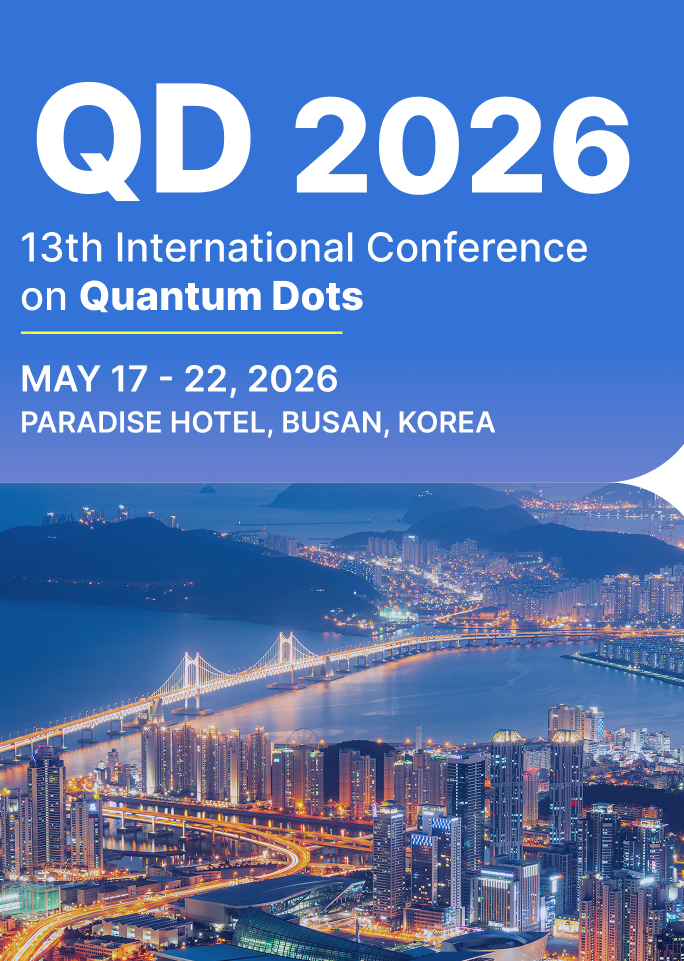
The 13th International Conference on Quantum Dots (QD 2026) |
| 2026-05-17 ~ 2026-05-22 |
|
|
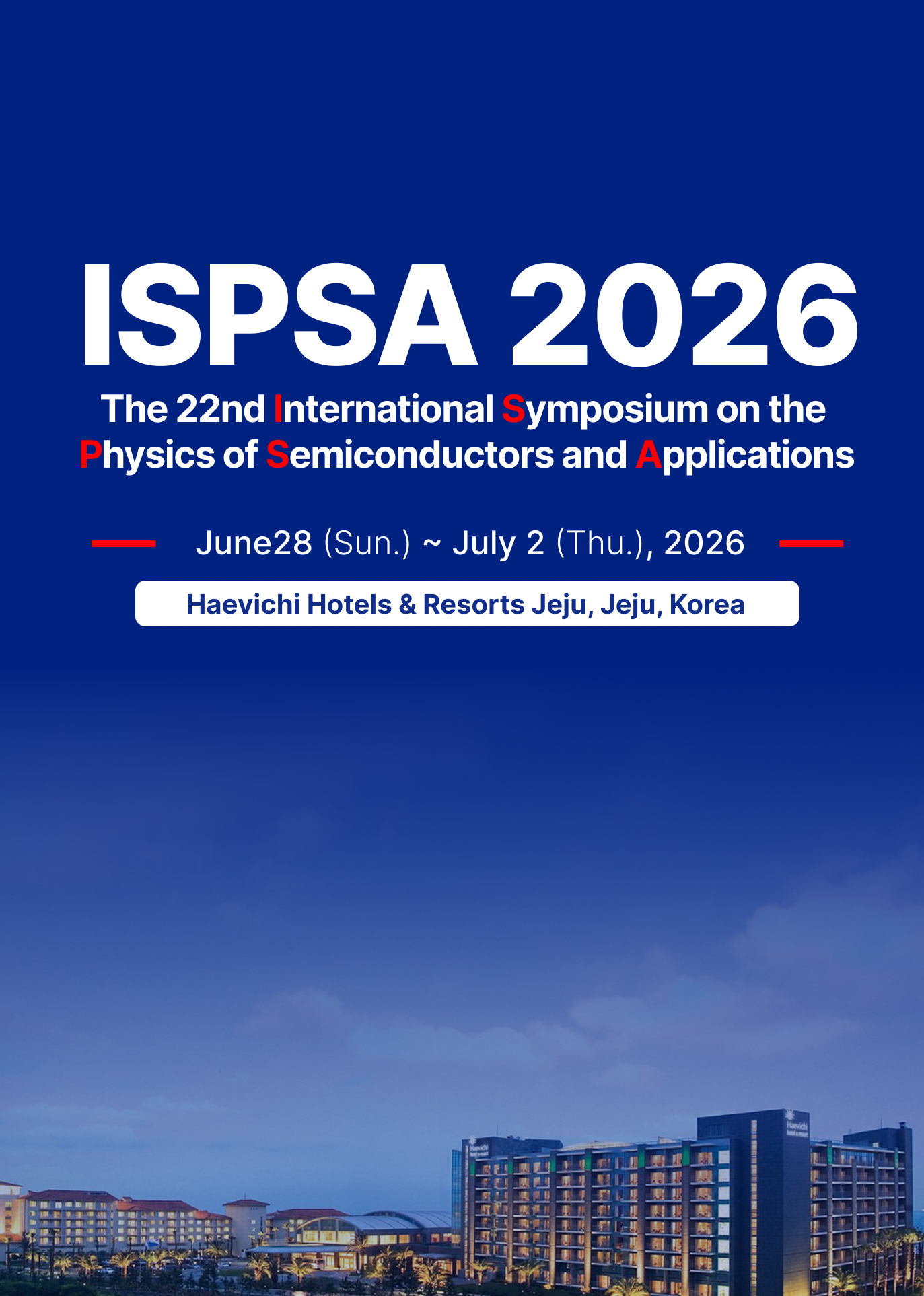
The 22nd International Symposium on the Physics of Semiconductors and Applications (ISPSA 2026) |
| 2026-06-28 ~ 2026-07-02 |
|
|
The 15th Asia-Pacific Conference on Transportation and the Environment (APTE 2026) |
| 2026-07-08 ~ 2026-07-10 |
Journal Promotion

|
| Acta Koreana (Acta Koreana) |
|
| Acta Via Serica (AVS) |
|
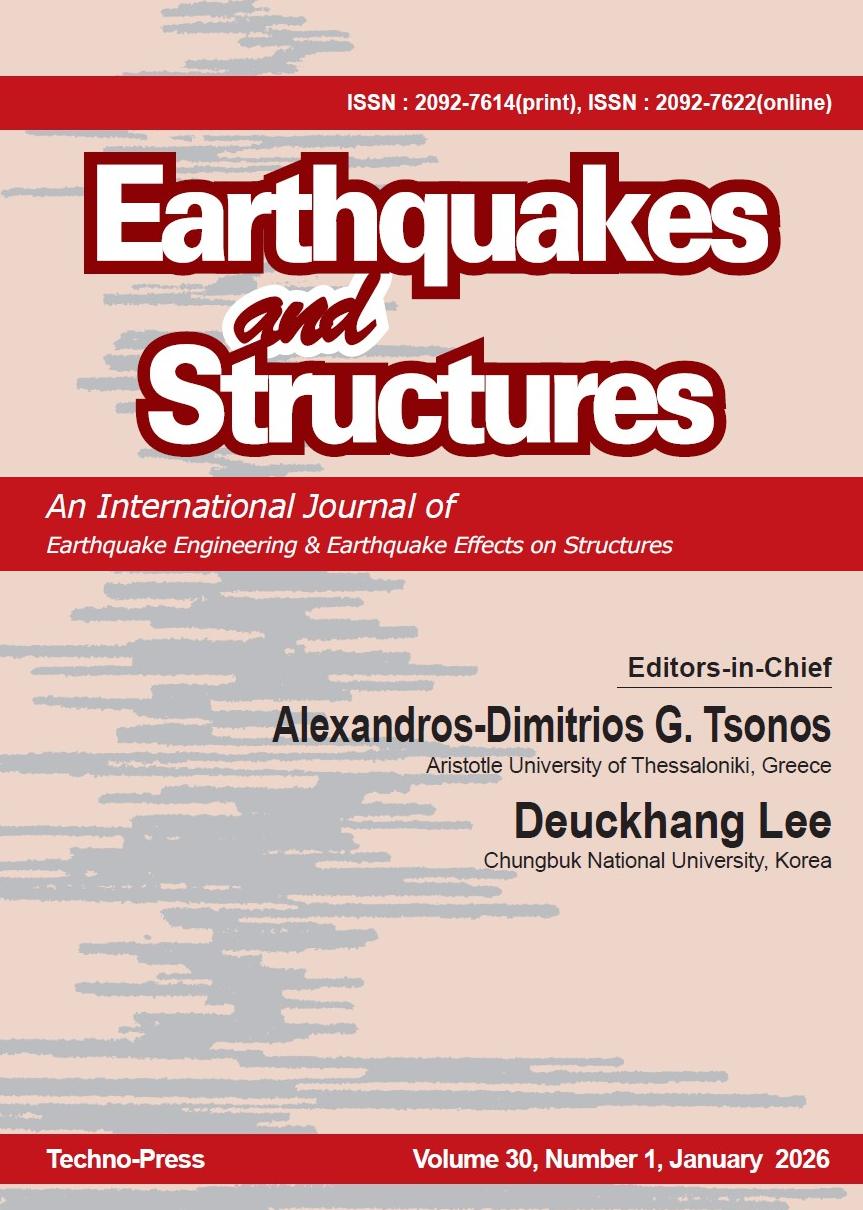
| Earthquakes and Structures, An International Journal (Earthquakes and Structures) |
|
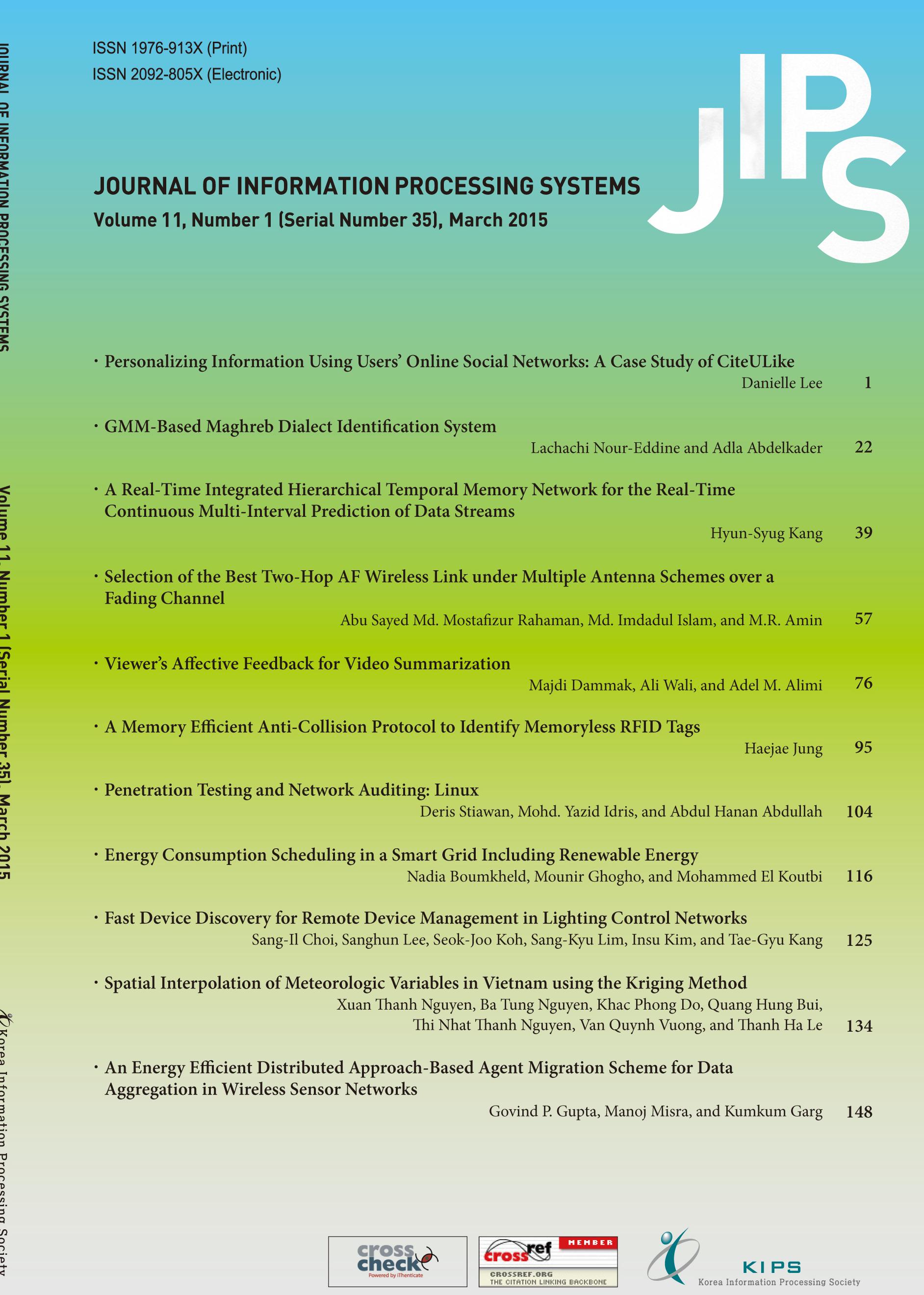
| Journal of Information Processing Systems (JIPS) |

|
| Journal of Internet Computing and Services (KSII - JICS) |
|
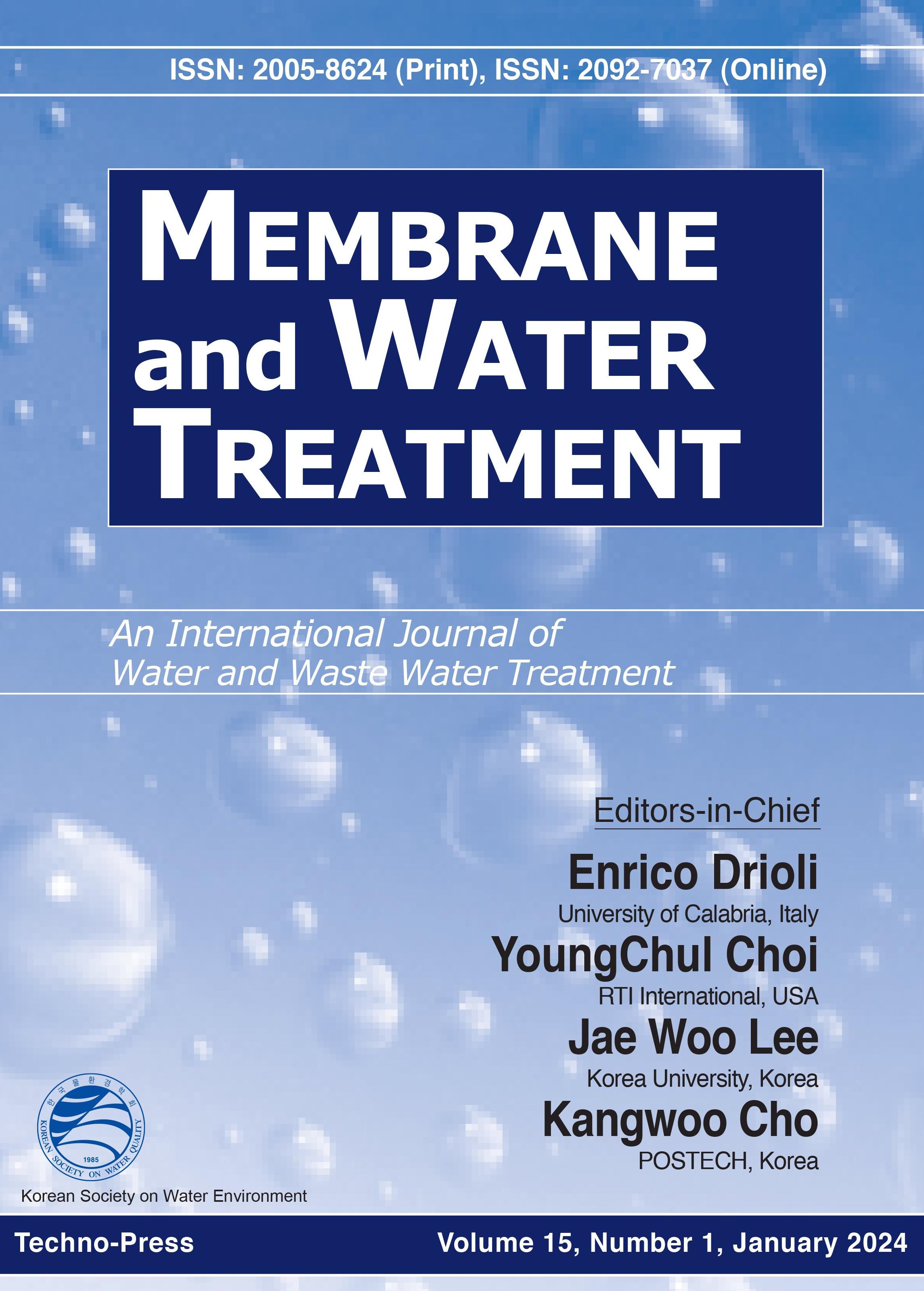
| Membrane and Water Treatment (MWT) |
|
| Smart Structures and Systems (Smart Structures and Systems) |




MANUSCRIPTLINK © 2015 -
