

49th BANGKOK International Conference on Organic Agriculture, Food Security and Public Health (OAFSPH-26) March 23-25, 2026 Bangkok (Thailand)
OAFSPH-26
- URL: https://ffabs.org/conference/323
- Event Date: 2026-03-23 ~ 2026-03-25
- Submission Date: 2026-03-02
- Organizer: FFABS
- Location: Bangkok, Thailand
Food Science & Technology Public Health
Call for papers/Topics
Topics of interest for submission include any topics on Organic Agriculture, Food Security and Public Health:
Track 1: The "One Health" Interface
This track focuses on the interconnected health of people, animals, and the planet.
Antimicrobial Resistance (AMR): The role of organic livestock farming in reducing antibiotic usage and preventing the spread of resistant superbugs.
Zoonoses Prevention: How diverse, organic ecosystems can act as buffers against spillover events (diseases passing from animals to humans).
Soil-Gut Microbiome Axis: Emerging research connecting healthy soil biodiversity to the human gut microbiome and immune system function.
Environmental Health & Toxicology: Comparative studies on pesticide exposure in rural communities and its link to chronic non-communicable diseases (cancers, endocrine disruption).
Track 2: Advanced Organic Production & Food Security
Focusing on how to feed a growing population without synthetic inputs.
Regenerative Agriculture 2.0: Moving beyond "sustainable" to "restorative"—practices that sequester carbon, restore water cycles, and reverse desertification.
Bio-Intensive Yield Optimization: Closing the "yield gap" between organic and conventional farming through breeding programs and soil science.
Climate-Resilient Crops: Development of drought-tolerant and saline-resistant organic crop varieties for volatile climates.
Urban & Vertical Organic Farming: Controlled Environment Agriculture (CEA) as a solution for urban food deserts and local food security.
Organic Aquaculture: Sustainable "Blue Food" systems and removing microplastics/chemicals from seafood supply chains.
Track 3: Nutrition, Safety, and Quality
Focusing on the biological impact of food on the consumer.
Nutrient Density Profiling: Comparative analysis of secondary metabolites (antioxidants, polyphenols) in organic vs. conventional produce.
Mycotoxins vs. Pesticides: Balancing the risks of fungal contamination in unsprayed crops against chemical residue risks.
Bio-fortification: Natural breeding strategies to increase vitamin and mineral content in staple organic crops to fight malnutrition.
Food Safety in Circular Systems: Managing safety risks when using compost, manure, and wastewater recycling in agriculture.
Track 4: "Precision Organics" (AgTech & Innovation)
Focusing on the role of technology in scaling chemical-free farming.
AI and Robotics in Weed Control: Using autonomous laser weeders and mechanical robots to eliminate the need for herbicides.
Blockchain for Transparency: Digital tracing to guarantee organic integrity from "Farm to Fork" and prevent food fraud.
Biological Input Innovation: Next-generation bio-fertilizers, biostimulants, and pheromone-based pest control.
Smart Supply Chains: IoT solutions for reducing post-harvest loss in perishable organic goods.
Track 5: Policy, Economics, and Social Equity
Focusing on the systemic changes required for global food security.
True Cost Accounting (TCA): Calculating the hidden costs of conventional agriculture (healthcare, environmental cleanup) to level the economic playing field.
Food Sovereignty & Indigenous Knowledge: Integrating traditional ecological knowledge with modern organic science.
Public Procurement Policies: Strategies for mandating organic food in schools, hospitals, and public institutions to improve public health.
The "Double Burden" of Malnutrition: Addressing obesity and undernutrition simultaneously through diversified organic diets.
Event Promotion

|
|
The 13th International Conference on Quantum Dots (QD 2026) |
| 2026-05-17 ~ 2026-05-22 |
|
|
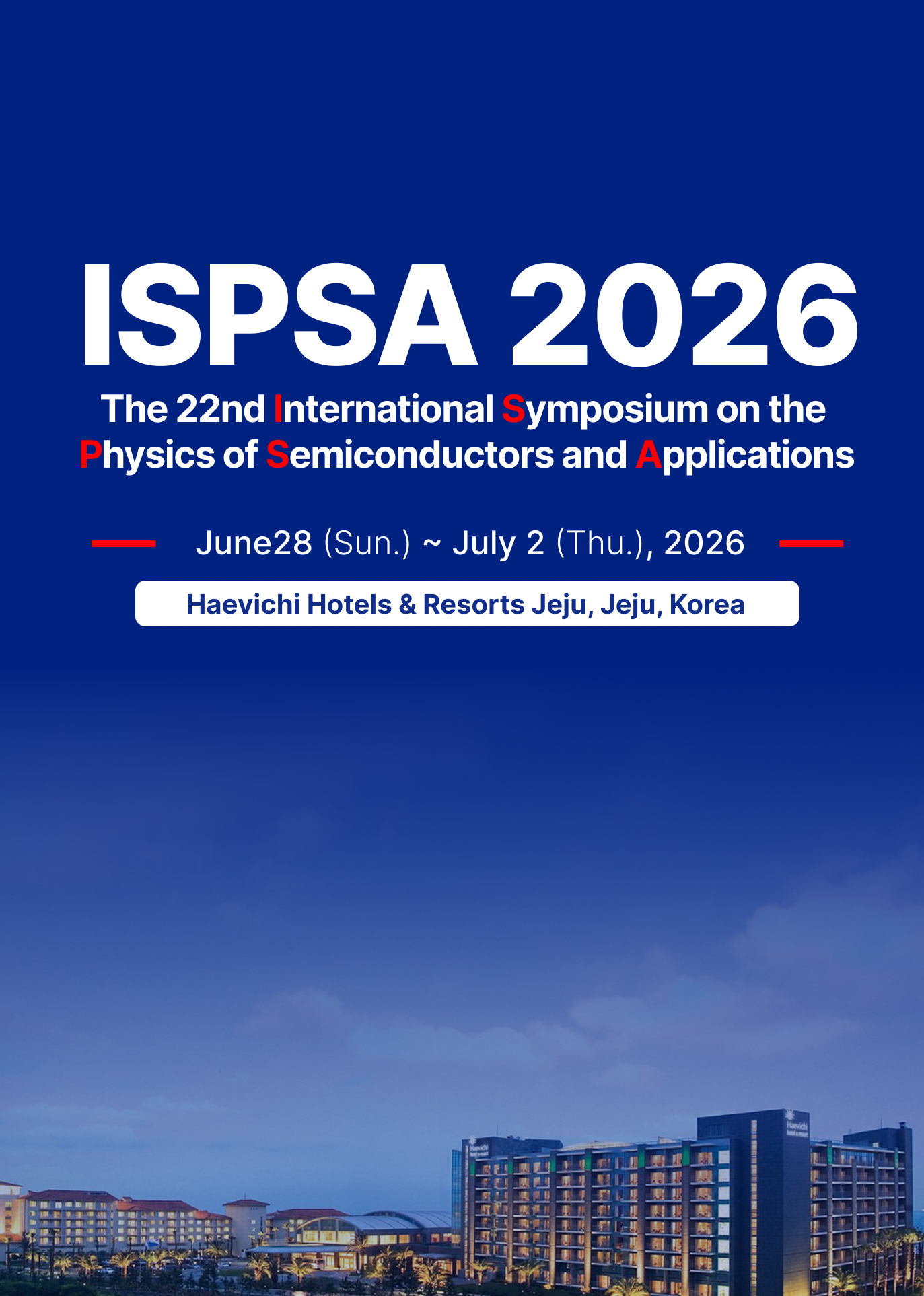
The 22nd International Symposium on the Physics of Semiconductors and Applications (ISPSA 2026) |
| 2026-06-28 ~ 2026-07-02 |

|
|
The 15th Asia-Pacific Conference on Transportation and the Environment (APTE 2026) |
| 2026-07-08 ~ 2026-07-10 |
Journal Promotion

|
| Acta Koreana (Acta Koreana) |
|
| Acta Via Serica (AVS) |

|
| Earthquakes and Structures, An International Journal (Earthquakes and Structures) |
|
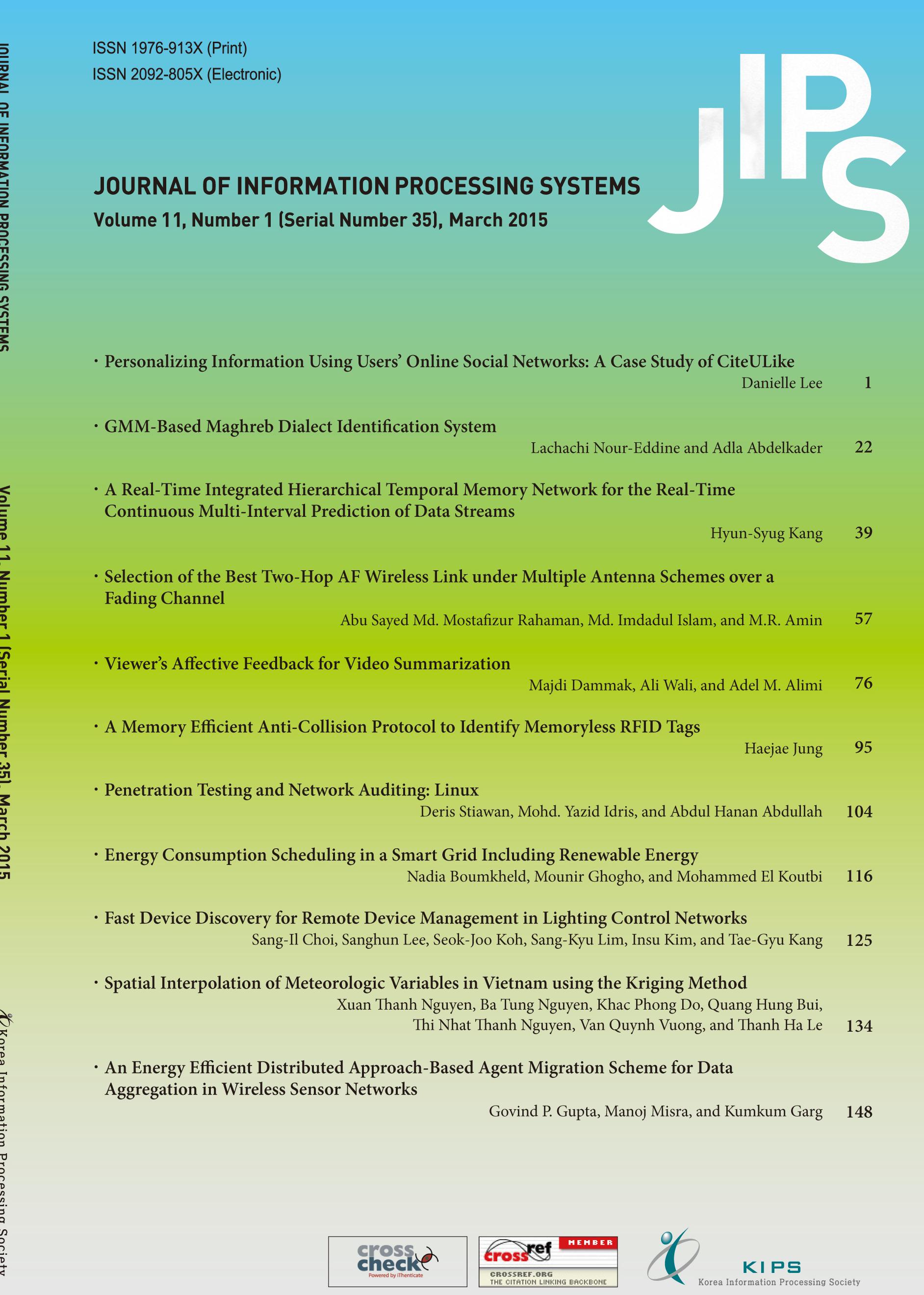
| Journal of Information Processing Systems (JIPS) |

|
| Journal of Internet Computing and Services (KSII - JICS) |
|
| Membrane and Water Treatment (MWT) |

|
| Smart Structures and Systems (Smart Structures and Systems) |




MANUSCRIPTLINK © 2015 -
