


22nd ATHENS International Conference on Materials Science & Engineering (ICMSE-26) scheduled on June 3-5, 2026 Athens (Greece)
ICMSE-26
- URL: https://eamae.erpub.org/conference/203
- Event Date: 2026-06-03 ~ 2026-06-05
- Submission Date: 2026-05-15
- Organizer: EAMAE
- Location: Athens, Greece
Materials Engineering Ceramic Engineering Engineering & Computer Science (General)
Call for papers/Topics
Topics of Interest for Submission include, but are Not Limited to:
1. Fundamentals of Materials Science
This area covers the "why" behind material behavior at the atomic level.
Atomic Structure and Bonding:
Quantum mechanics of atoms.
Primary bonds (Ionic, Covalent, Metallic).
Secondary bonds (Van der Waals, Hydrogen bonding).
Crystallography and Crystal Structures:
Unit cells and Bravais lattices.
Miller indices (planes and directions).
Crystalline vs. Amorphous materials.
Polymorphism and Allotropy.
Imperfections in Solids:
Point defects (Vacancies, Interstitials, Schottky/Frenkel defects).
Line defects (Dislocations: Edge, Screw, and Mixed).
Interfacial defects (Grain boundaries, Twin boundaries).
Bulk or volume defects.
2. Thermodynamics and Kinetics
These topics govern how materials change over time and under different environmental conditions.
Thermodynamics of Materials:
Laws of thermodynamics applied to solids.
Phase equilibria and Gibbs Phase Rule.
Free energy-composition diagrams.
Phase Diagrams:
Unary and Binary systems.
Eutectic, Eutectoid, Peritectic, and Peritectoid reactions.
The Iron-Carbon system ($Fe-Fe_3C$).
Kinetics and Diffusion:
Fick’s First and Second Laws of Diffusion.
Mechanisms of diffusion (Vacancy vs. Interstitial).
Nucleation and growth kinetics.
TTT (Time-Temperature-Transformation) diagrams.
3. Classes of Materials
Materials are generally categorized based on their chemical makeup and physical properties.
Metals and Alloys:
Ferrous alloys (Steels and Cast irons).
Non-ferrous alloys (Aluminum, Titanium, Magnesium, Copper).
Superalloys for high-temperature applications.
Ceramics and Glasses:
Structure of ionic crystals.
Traditional vs. Advanced ceramics.
Glass transition temperature and silicate structures.
Polymers:
Molecular weight and Degree of polymerization.
Thermoplastics vs. Thermosets.
Crystallinity in polymers.
Elastomers.
Composites:
Particle-reinforced vs. Fiber-reinforced.
Matrix types (MMC, CMC, PMC).
Rule of Mixtures.
4. Material Properties
This describes how a material responds to external stimuli.
Mechanical Properties:
Stress-strain behavior (Elastic and Plastic deformation).
Hardness, Toughness, and Ductility.
Fracture mechanics (Brittle vs. Ductile).
Fatigue and Creep.
Electrical Properties:
Conductivity and Resistivity.
Energy band structures.
Semiconductors (Intrinsic vs. Extrinsic).
Dielectrics and Piezoelectricity.
Thermal Properties:
Heat capacity and Thermal expansion.
Thermal conductivity.
Thermal shock resistance.
Magnetic and Optical Properties:
Diamagnetism, Paramagnetism, Ferromagnetism.
Refraction, Reflection, and Absorption.
Photoluminescence and Lasers.
5. Processing and Manufacturing
How we turn raw materials into useful shapes and components.
Metal Processing: Casting, Forging, Rolling, Extrusion, and Powder Metallurgy.
Polymer Processing: Injection molding, Blow molding, and 3D printing (Additive Manufacturing).
Ceramic Processing: Pressing, Slip casting, and Sintering.
Heat Treatment: Annealing, Quenching, Tempering, and Precipitation hardening.
6. Advanced and Functional Materials
Modern frontiers in MSE.
Nanomaterials: Carbon nanotubes, Graphene, and Quantum dots.
Biomaterials: Biocompatibility, Implants, and Tissue engineering.
Electronic/Optoelectronic Materials: Thin films and Photovoltaics.
Smart Materials: Shape memory alloys and Electroactive polymers.
Energy Materials: Battery electrodes, Fuel cells, and Supercapacitors.
7. Characterization Techniques
The tools used to "see" and measure material attributes.
Microscopy: Optical, SEM (Scanning Electron), and TEM (Transmission Electron).
Diffraction: X-ray Diffraction (XRD).
Spectroscopy: XPS, EDX, and FTIR.
Thermal Analysis: DSC (Differential Scanning Calorimetry) and TGA (Thermogravimetric Analysis).
Event Promotion

|
|
The 13th International Conference on Quantum Dots (QD 2026) |
| 2026-05-17 ~ 2026-05-22 |
|
|
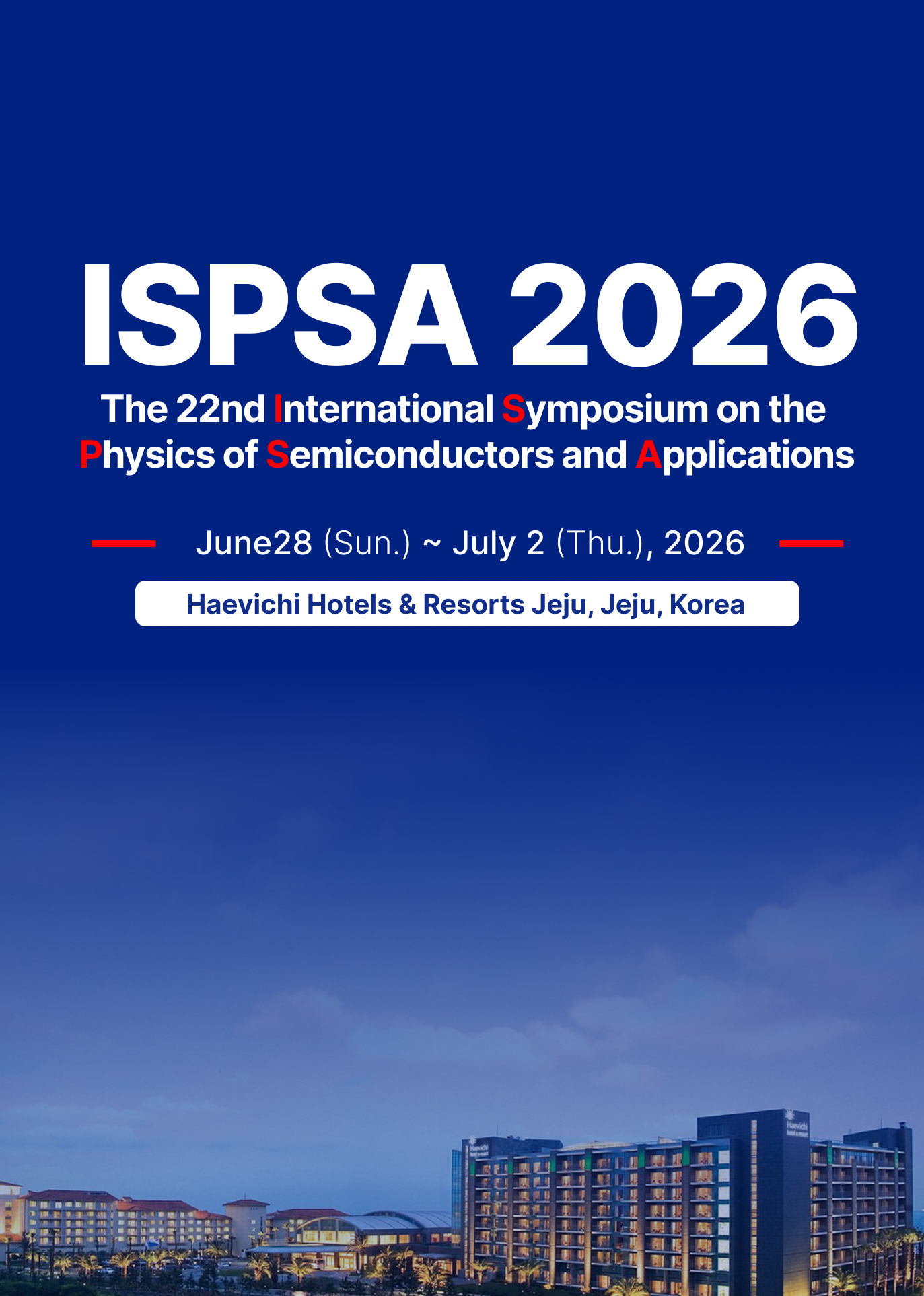
The 22nd International Symposium on the Physics of Semiconductors and Applications (ISPSA 2026) |
| 2026-06-28 ~ 2026-07-02 |

|
|
The 15th Asia-Pacific Conference on Transportation and the Environment (APTE 2026) |
| 2026-07-08 ~ 2026-07-10 |
Journal Promotion

|
| Acta Koreana (Acta Koreana) |

|
| Acta Via Serica (AVS) |
|
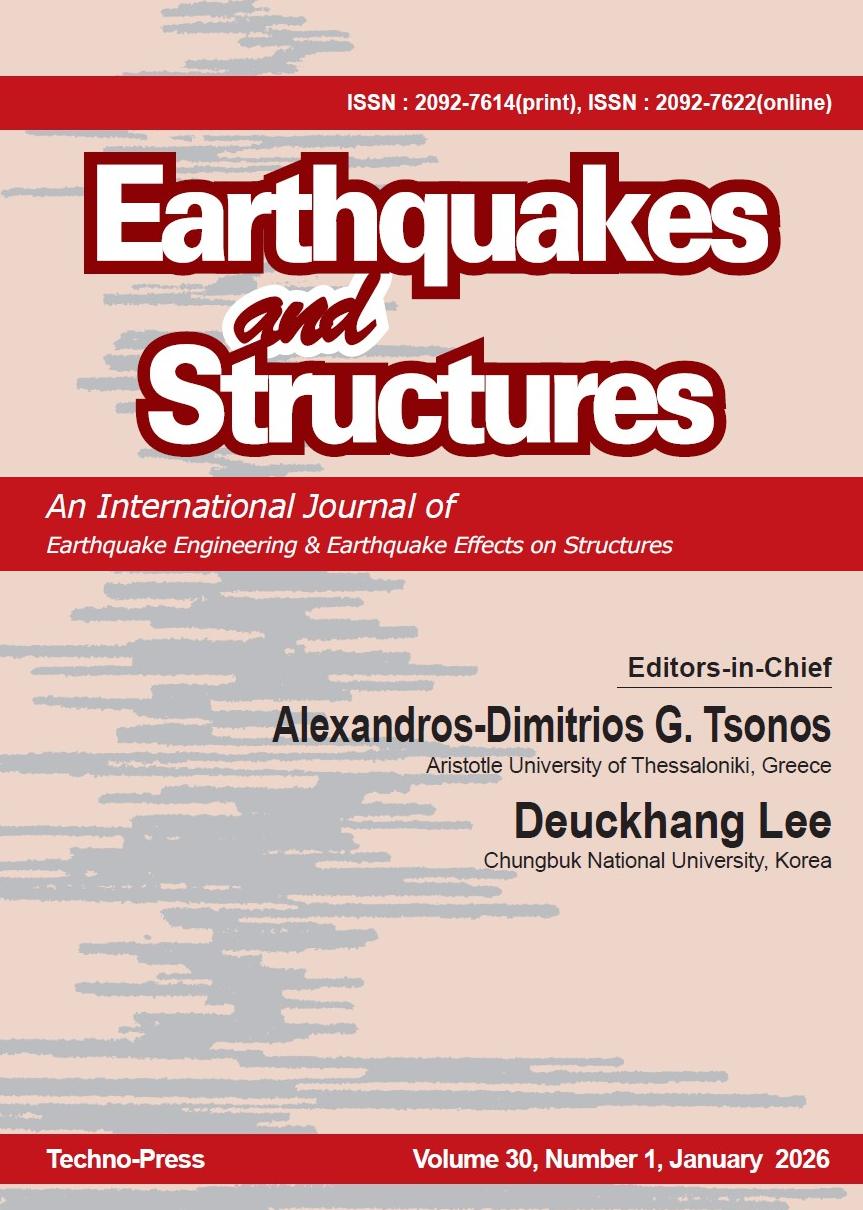
| Earthquakes and Structures, An International Journal (Earthquakes and Structures) |
|
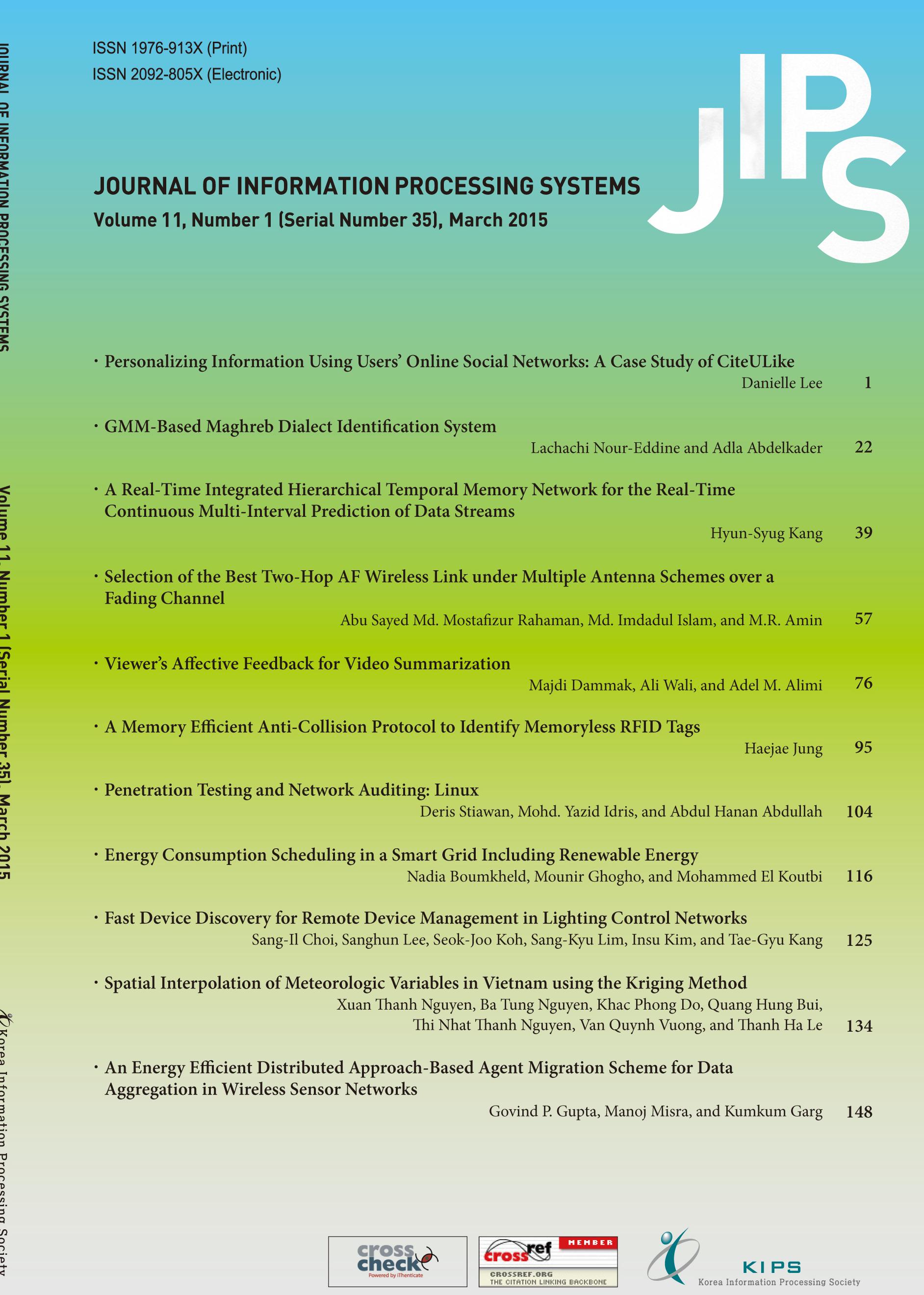
| Journal of Information Processing Systems (JIPS) |

|
| Journal of Internet Computing and Services (KSII - JICS) |

|
| Membrane and Water Treatment (MWT) |

|
| Smart Structures and Systems (Smart Structures and Systems) |




MANUSCRIPTLINK © 2015 -
