


20th MILAN International Conference on Nursing, Medical & Veterinary Sciences (MNMVS-26) scheduled on March 16-18, 2026 Milan (Italy)
MNMVS-26
- URL: https://eacbee.erpub.org/conference/190
- Event Date: 2026-03-16 ~ 2026-03-18
- Submission Date: 2026-03-01
- Organizer: EACBEE
- Location: Milano, Italy
Medicinal Chemistry Medical Informatics Biomedical Technology Nursing
Call for papers/Topics
Topics of Interest for Submission include, but are Not Limited to:
1. Nursing Sciences: The Future of Care
Nursing is shifting toward higher levels of technological integration and a focus on clinician well-being.
Technology in Nursing Practice:
Virtual Nursing: Remote monitoring and "camera-in-room" support for bedside staff.
Wearable Integration: Real-time data sync from patient smartwatches to Electronic Health Records (EHR).
AI-Driven Decision Support: Using AI to predict patient deterioration (Sepsis, falls) before they happen.
Education & Professional Development:
Immersive Simulation: Using VR/AR for high-stakes clinical training (e.g., emergency code responses).
Competency-Based Education (CBE): Shifting from "seat time" to proven mastery of skills.
Nurse Well-being & Retention:
Resilience Training: Embedding mindfulness and mental health support into nursing curricula.
Flexible Staffing Models: AI-optimized scheduling to reduce burnout and moral injury.
2. Medical Sciences: Precision & Innovation
Medicine in 2025 is defined by "Deep Tech"—AI, genomics, and robotics working at the molecular and surgical levels.
Precision & Personalized Medicine:
Pharmacogenomics: Tailoring drug dosages based on a patient’s unique DNA profile.
mRNA Therapeutics: Expanding beyond COVID-19 into cancer vaccines and rare genetic disorders.
Multi-omics: Combining genomics, proteomics, and metabolomics for "whole-body" disease profiling.
Advanced Diagnostics & Surgery:
Liquid Biopsies: Detecting cancer through a simple blood test (circulating tumor DNA).
Next-Gen Robotics: Fully autonomous suturing and micro-robotics for targeted drug delivery.
Digital Twins: Creating a virtual 3D model of a patient’s organ to "test" surgeries before the actual procedure.
Regenerative Medicine:
3D Bio-printing: Printing living tissue scaffolds for skin grafts or cartilage repair.
Exosome Therapy: Using cellular "messengers" to trigger natural tissue regeneration.
3. Veterinary Sciences: The Animal Health Frontier
Veterinary medicine is mirroring human medical advances while tackling unique challenges in food security and wildlife conservation.
Clinical & Specialist Care:
Veterinary Oncology: Adapting human CAR-T cell therapies for canine and feline cancers.
Species-Specific Pain Management: Novel monoclonal antibody treatments for osteoarthritis in pets.
Equine Sports Medicine: Using biomechanical sensors to detect early-stage lameness in performance horses.
Livestock & Production Health:
Precision Livestock Farming (PLF): Smart collars and sensors to monitor herd health and estrus cycles.
Alternative Proteins in Feed: Using insect-based or algae-based proteins to improve gut health and sustainability.
Zoological & Wildlife Medicine:
Paleogenomics: Using ancient DNA research to inform the conservation of endangered species.
Forensic Veterinary Medicine: Tech-assisted investigations into animal cruelty and illegal wildlife trade.
4. The "One Health" Intersection
This is the most critical area where all three fields overlap to solve global crises.
Antimicrobial Resistance (AMR):
Antimicrobial Stewardship: Collaborative protocols for the judicious use of antibiotics in both hospitals and farms.
Phage Therapy: Developing virus-based alternatives to traditional antibiotics for multi-drug resistant infections.
Zoonotic Disease & Pandemic Preparedness:
Spillover Monitoring: Tracking viruses as they jump from wildlife to domestic animals and humans (e.g., Avian Flu, Ebola).
Wastewater Surveillance: Using community wastewater to detect early signs of viral outbreaks in both human and animal populations.
Climate Change & Global Health:
Vector-Borne Disease Expansion: Managing the spread of Lyme disease, Malaria, and Dengue as warming climates shift tick and mosquito habitats.
Eco-toxicology: Studying how chemical pollutants (PFAS, microplastics) move through the food chain from water to livestock to humans.
Event Promotion

|
|
The 13th International Conference on Quantum Dots (QD 2026) |
| 2026-05-17 ~ 2026-05-22 |
|
|
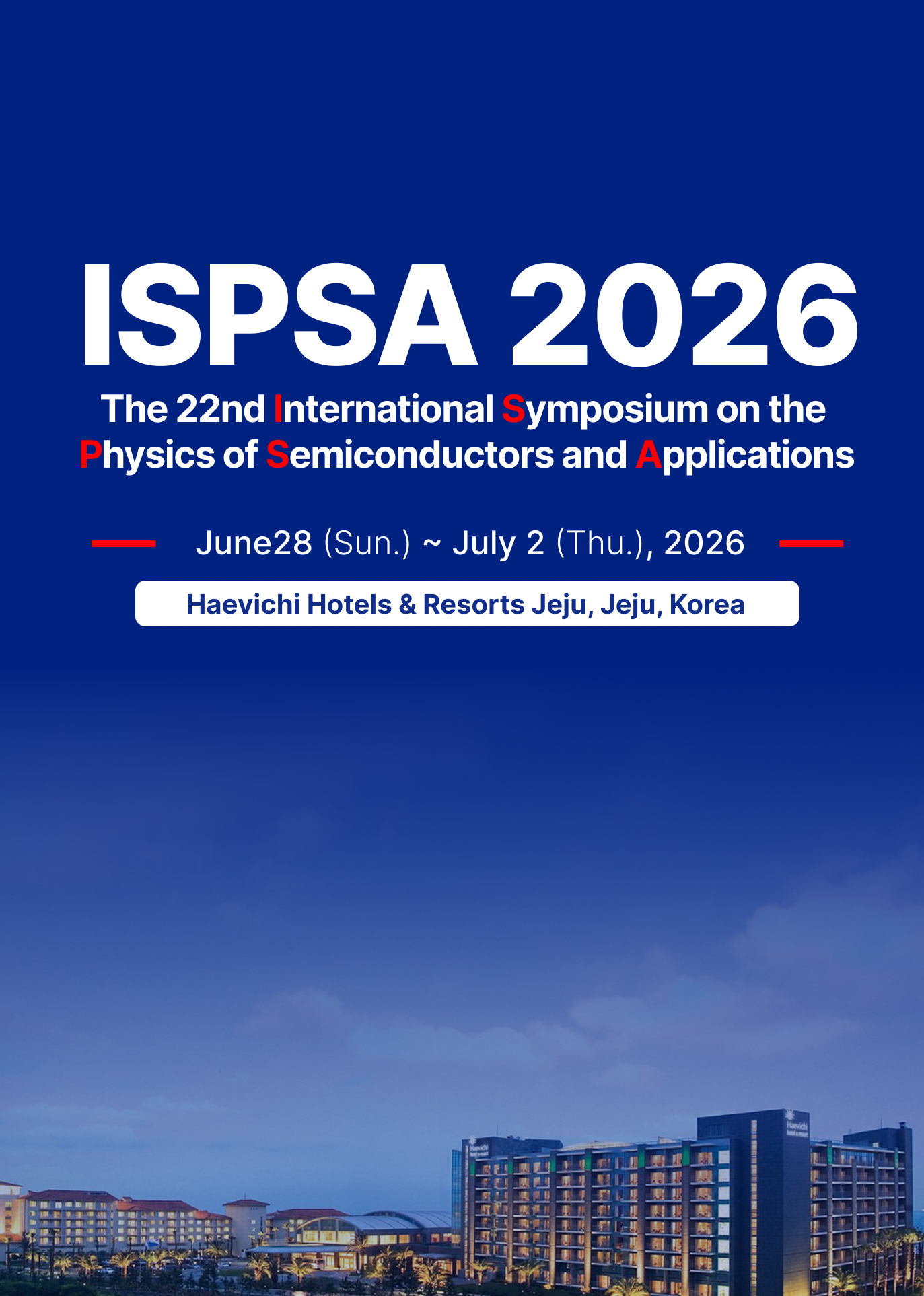
The 22nd International Symposium on the Physics of Semiconductors and Applications (ISPSA 2026) |
| 2026-06-28 ~ 2026-07-02 |

|
|
The 15th Asia-Pacific Conference on Transportation and the Environment (APTE 2026) |
| 2026-07-08 ~ 2026-07-10 |
Journal Promotion

|
| Acta Koreana (Acta Koreana) |
|
| Acta Via Serica (AVS) |

|
| Earthquakes and Structures, An International Journal (Earthquakes and Structures) |
|
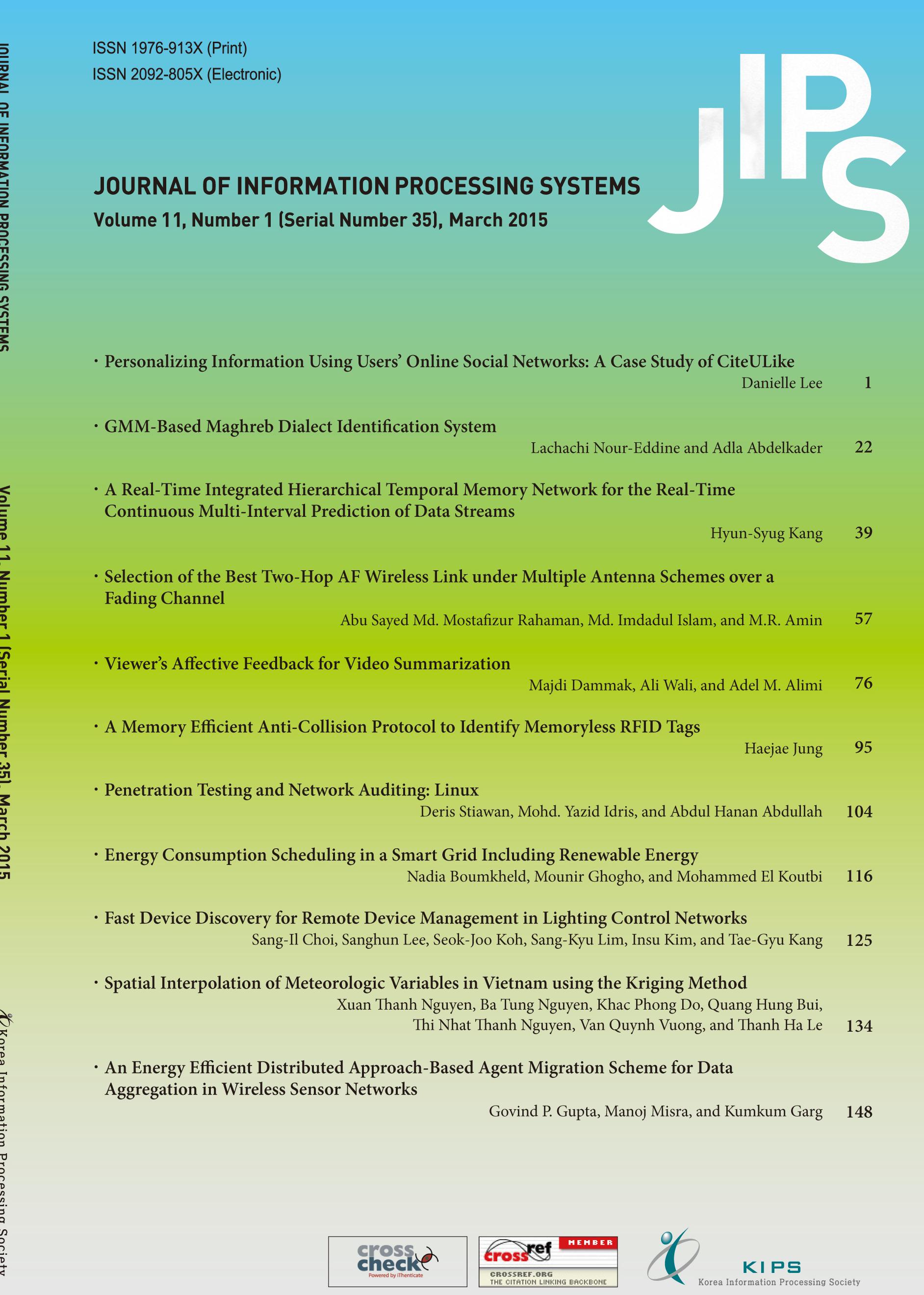
| Journal of Information Processing Systems (JIPS) |

|
| Journal of Internet Computing and Services (KSII - JICS) |
|
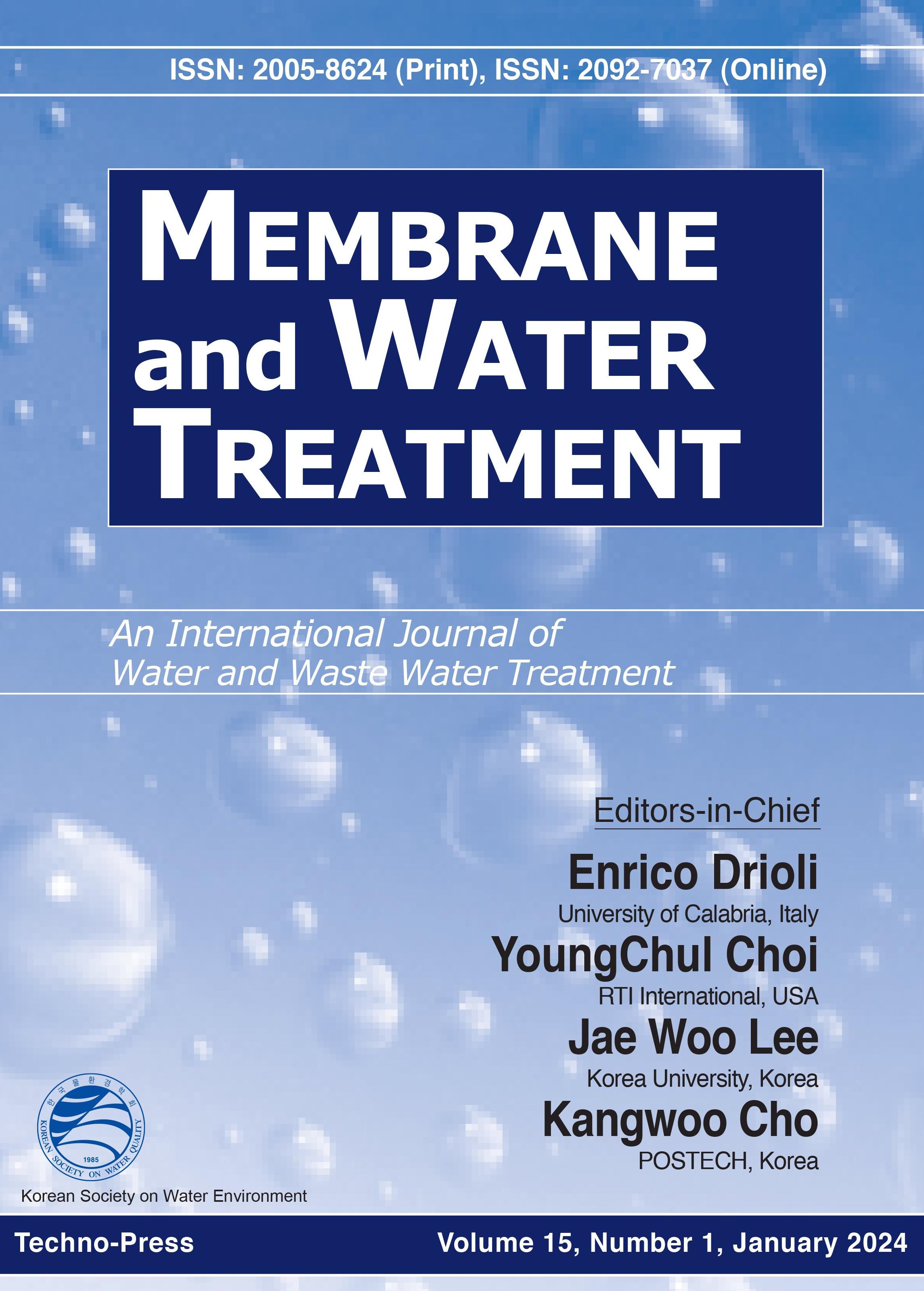
| Membrane and Water Treatment (MWT) |
|
| Smart Structures and Systems (Smart Structures and Systems) |




MANUSCRIPTLINK © 2015 -
