


64th AMSTERDAM International Conference on Plant Nutrition, Soil Pollution & Wastewater Management (PNSPWM-26) July 6-8, 2026 Amsterdam (Netherlands)
PNSPWM-26
- URL: https://drabl.org/conference/466
- Event Date: 2026-07-06 ~ 2026-07-08
- Submission Date: 2026-07-01
- Organizer: DRABL
- Location: Amsterdam, Netherlands
Call for papers/Topics
Full Articles/ Reviews/ Shorts Papers/ Abstracts are welcomed in the following research fields:
1. Plant Nutrition
Focuses on the chemical elements necessary for plant growth and the mechanisms by which they are acquired.
Essential Nutrients & Classification
Criteria for essentiality (Arnon & Stout)
Macronutrients (Primary): Nitrogen (N), Phosphorus (P), Potassium (K)
Macronutrients (Secondary): Calcium (Ca), Magnesium (Mg), Sulfur (S)
Micronutrients (Trace Elements): Iron (Fe), Zinc (Zn), Manganese (Mn), Copper (Cu), Boron (B), Molybdenum (Mo), Chlorine (Cl), Nickel (Ni)
Nutrient Uptake Mechanisms
Passive transport (Diffusion, Mass flow)
Active transport (Ion channels, Carriers, ATP-pumps)
Role of the Rhizosphere and Root hairs
Physiological Roles & Deficiency Symptoms
Metabolic functions (Photosynthesis, Enzyme activation, Protein synthesis)
Visual symptoms (Chlorosis, Necrosis, Stunting, Anthocyanin accumulation)
Nutrient mobility within the plant (Mobile vs. Immobile elements)
Fertilizers and Soil Amendments
Chemical (Inorganic) fertilizers: NPK ratios, slow-release formulas
Organic manures: Compost, Green manure, Vermicompost
Bio-fertilizers: Nitrogen-fixing bacteria (Rhizobium), Mycorrhizae (VAM)
2. Soil Pollution
Examines the degradation of soil quality due to toxic substances and human activity.
Sources and Types of Soil Pollutants
Agricultural: Pesticides, Herbicides, excess Fertilizers
Industrial: Heavy metals (Lead, Mercury, Cadmium, Arsenic), Chemical spills
Urban/Domestic: Plastic waste, E-waste, Sewage sludge
Radioactive: Nuclear waste, Mining tailings
Pollutant Behavior in Soil
Adsorption and Desorption (Soil-water interface)
Leaching and Groundwater contamination
Bioaccumulation and Biomagnification in the food chain
Environmental & Health Impacts
Reduction in soil fertility and microbial activity
Phytotoxicity (toxic effects on plants)
Impacts on human health (Carcinogenesis, Organ failure)
Soil Remediation Techniques
Physical/Chemical: Soil washing, Excavation, Thermal treatment
Bioremediation: Using microorganisms to degrade organic pollutants
Phytoremediation: Using plants to extract or stabilize contaminants (Phytoextraction, Phytostabilization)
3. Wastewater Management
Deals with the collection, treatment, and disposal of used water to protect ecosystems.
Sources and Characteristics of Wastewater
Domestic sewage (Greywater and Blackwater)
Industrial effluent (Toxic chemicals, Acids, Heavy metals)
Agricultural runoff (Nutrient-rich, Pesticide-laden water)
Parameters: BOD (Biochemical Oxygen Demand), COD (Chemical Oxygen Demand), pH, Turbidity
Stages of Wastewater Treatment
Preliminary Treatment: Screening, Grit removal
Primary Treatment: Sedimentation and Flocculation (Physical removal of solids)
Secondary Treatment: Biological processes (Activated sludge, Trickling filters, Oxidation ponds)
Tertiary (Advanced) Treatment: Nutrient removal (Nitrogen/Phosphorus), Disinfection (Chlorination, UV, Ozonation)
Sustainable Wastewater Solutions
Constructed Wetlands and Bio-swales
Water Reclamation and Reuse (Irrigation, Industrial cooling)
Sludge Management: Anaerobic digestion, Composting, Biogas production
Environmental Policy and Quality Standards
Effluent discharge limits
The Clean Water Act and local regulatory frameworks
Impact of untreated discharge: Eutrophication and Hypoxia (Dead zones)
Event Promotion

|
|
The 13th International Conference on Quantum Dots (QD 2026) |
| 2026-05-17 ~ 2026-05-22 |
|
|
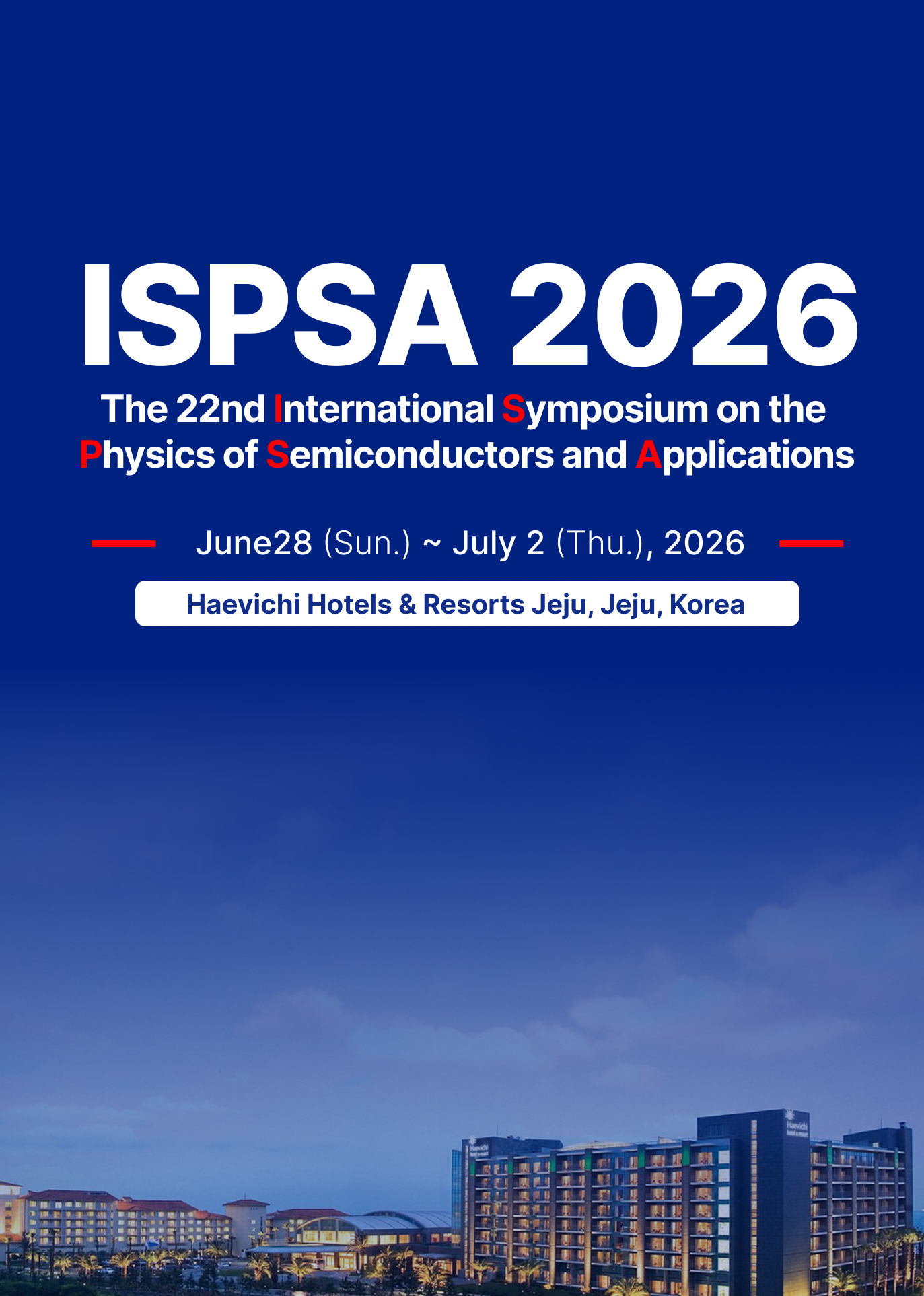
The 22nd International Symposium on the Physics of Semiconductors and Applications (ISPSA 2026) |
| 2026-06-28 ~ 2026-07-02 |

|
|
The 15th Asia-Pacific Conference on Transportation and the Environment (APTE 2026) |
| 2026-07-08 ~ 2026-07-10 |

|
|
ACEM26 / Structures26 (ACEM26) |
| 2026-08-24 ~ 2026-08-25 |
Journal Promotion

|
| Acta Koreana (Acta Koreana) |
|
| Acta Via Serica (AVS) |

|
| Computers and Concrete (Computers and Concrete) |

|
| Earthquakes and Structures, An International Journal (Earthquakes and Structures) |

|
| Geomechanics and Engineering (Geomechanics and Engineering) |
|
| Journal of Information Processing Systems (JIPS) |

|
| Journal of Internet Computing and Services (KSII - JICS) |

|
| Membrane and Water Treatment (MWT) |

|
| Smart Structures and Systems (Smart Structures and Systems) |

|
| Steel and Composite Structures, An International Journal (Steel and Composite Structures) |

|
| Structural Engineering and Mechanics, An International Journal (Structural Engineering and Mechanics) |

|
| Wind and Structures, An International Journal (Wind and Structures) |




MANUSCRIPTLINK © 2015 -
