

37th ROME International Conference on Chemical Engineering, Energy & Environmental Sustainability (RCE3S-26) June 17-19, 2026 Rome (Italy)
RCE3S-26
- URL: https://urebe.urst.org/conference/176
- Event Date: 2026-06-17 ~ 2026-06-19
- Submission Date: 2026-05-15
- Organizer: UREBE
- Location: Rome, Italy
Analytical Chemistry Electrochemistry Biochemistry Chemical & Material Sciences (General) Chemical Kinetics & Catalysis Environmental & Geological Engineering Environmental Sciences
Call for Papers: RCE3S-26
Full Articles/ Reviews/ Shorts Papers/ Abstracts are welcomed in the following research fields:
1. Chemical Engineering
These are the fundamental principles applied to sustainability challenges.
Transport Phenomena: Fluid mechanics, heat transfer, and mass transfer.
Thermodynamics: Phase equilibria, chemical potential, and energy efficiency in cycles.
Reaction Engineering: Catalyst development, reactor design, and kinetics of green chemistry.
Process Synthesis & Design: Intensification (making processes smaller and more efficient) and "Cradle-to-Grave" design.
2. Renewable Energy & Energy Conversion
The shift from fossil fuels to sustainable power sources.
Solar Energy: Photovoltaic cell manufacturing and concentrated solar power (CSP).
Hydrogen Economy: * Water electrolysis (Green Hydrogen).
Hydrogen storage and transport.
Fuel cell technology (PEM, SOFC).
Bioenergy:
First to third-generation biofuels (ethanol, biodiesel, algae).
Biomass gasification and pyrolysis.
Energy Storage: Advanced battery chemistries (Lithium-ion, Solid-state, Redox flow) and thermal energy storage.
3. Environmental Sustainability & Remediation
Focused on cleaning up existing processes and protecting natural resources.
Carbon Capture, Utilization, and Storage (CCUS):
Post-combustion and pre-combustion capture.
Carbon mineralization and CO2-to-fuel conversion.
Water Technology:
Desalination (Reverse osmosis, multi-stage flash).
Wastewater treatment and nutrient recovery.
Advanced oxidation processes.
Air Quality Engineering: Particulate matter control and scrubbing of SOx and NOx emissions.
4. Circular Economy & Waste Management
Moving away from a "linear" take-make-dispose model.
Plastic Upcycling: Chemical recycling and biodegradable polymer development.
Waste-to-Energy: Anaerobic digestion and incineration with energy recovery.
Sustainable Materials: Bio-based plastics and green solvents.
Industrial Ecology: Synergies where one industry's waste becomes another's raw material.
5. Assessment Tools & Systems Engineering
The "math" behind proving a process is actually sustainable.
Life Cycle Assessment (LCA): Quantifying environmental impact from extraction to disposal.
Techno-Economic Analysis (TEA): Determining if a green technology is financially viable.
Process Integration: Pinch analysis for heat and water recovery.
Environmental Impact Assessment (EIA): Regulatory frameworks and compliance.
Event Promotion

|
|
The 13th International Conference on Quantum Dots (QD 2026) |
| 2026-05-17 ~ 2026-05-22 |
|
|
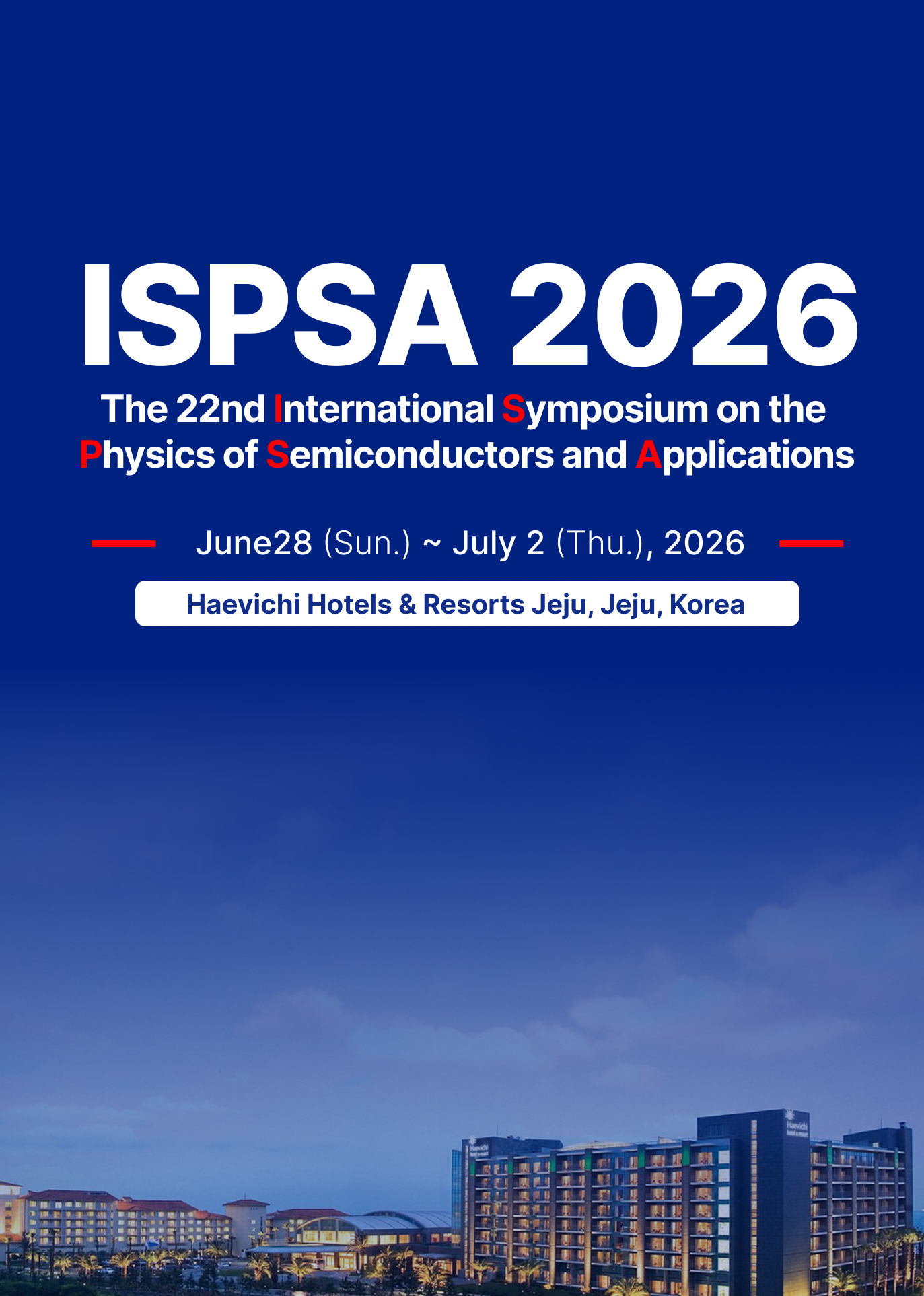
The 22nd International Symposium on the Physics of Semiconductors and Applications (ISPSA 2026) |
| 2026-06-28 ~ 2026-07-02 |

|
|
The 15th Asia-Pacific Conference on Transportation and the Environment (APTE 2026) |
| 2026-07-08 ~ 2026-07-10 |
|
|
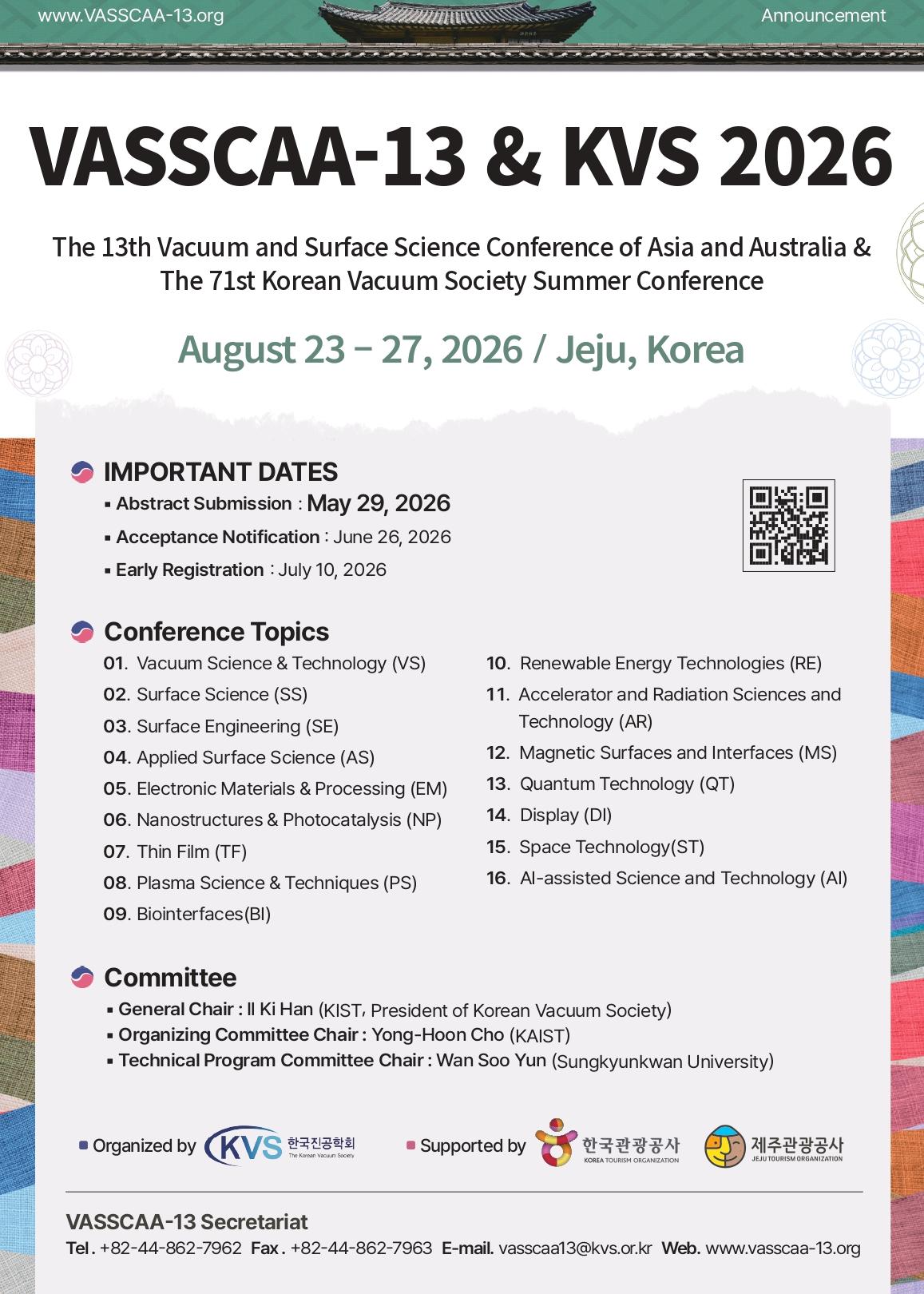
VASSCAA-13 & The 71st KVS Summer Annual Conference (VASSCAA 13) |
| 2026-08-23 ~ 2026-08-27 |
|
|
ACEM26 / Structures26 (ACEM26) |
| 2026-08-24 ~ 2026-08-25 |
Journal Promotion
|
| Acta Koreana (Acta Koreana) |
|
| Acta Via Serica (AVS) |
|
| Advances in Concrete Construction (Advances in Concrete Construction ) |

|
| Advances in Nano Research (Advances in Nano Research) |
|
| Computers and Concrete (Computers and Concrete) |
|
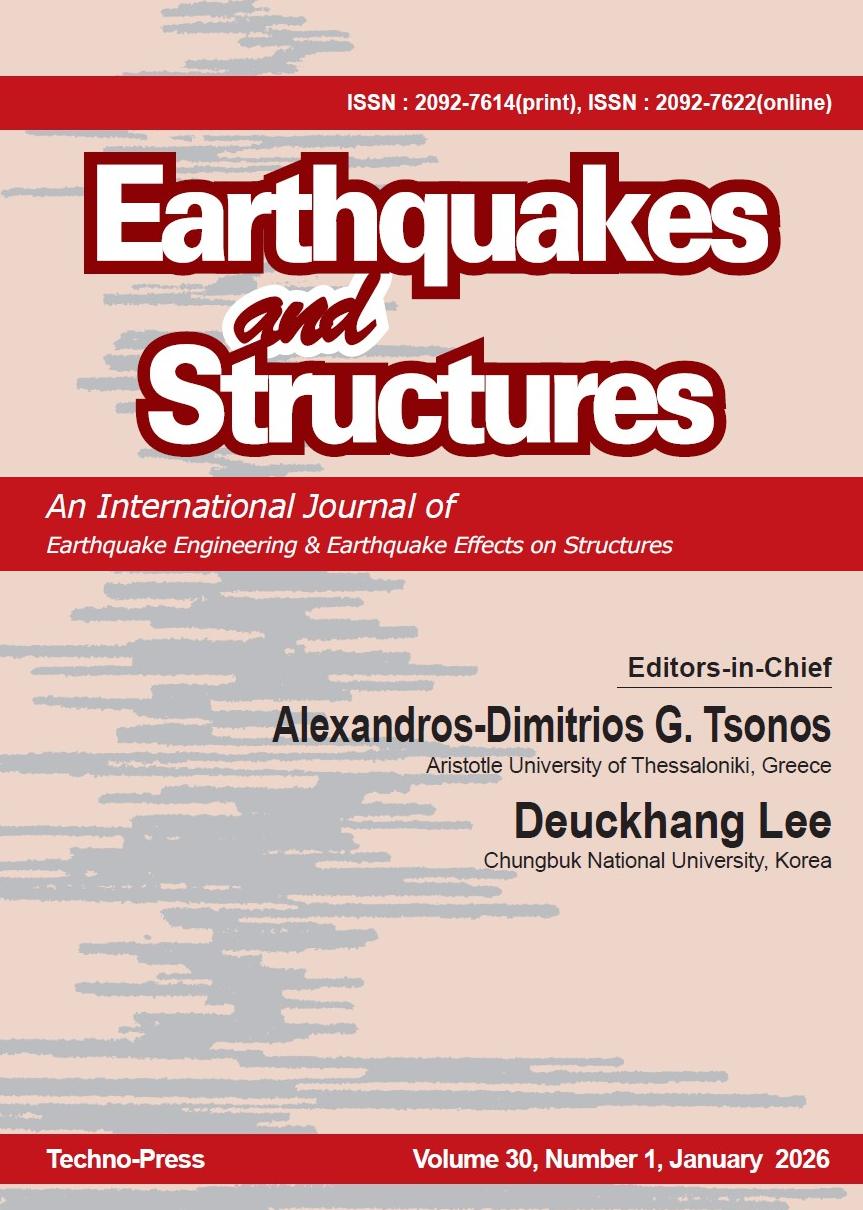
| Earthquakes and Structures, An International Journal (Earthquakes and Structures) |
|
| Geomechanics and Engineering (Geomechanics and Engineering) |
|
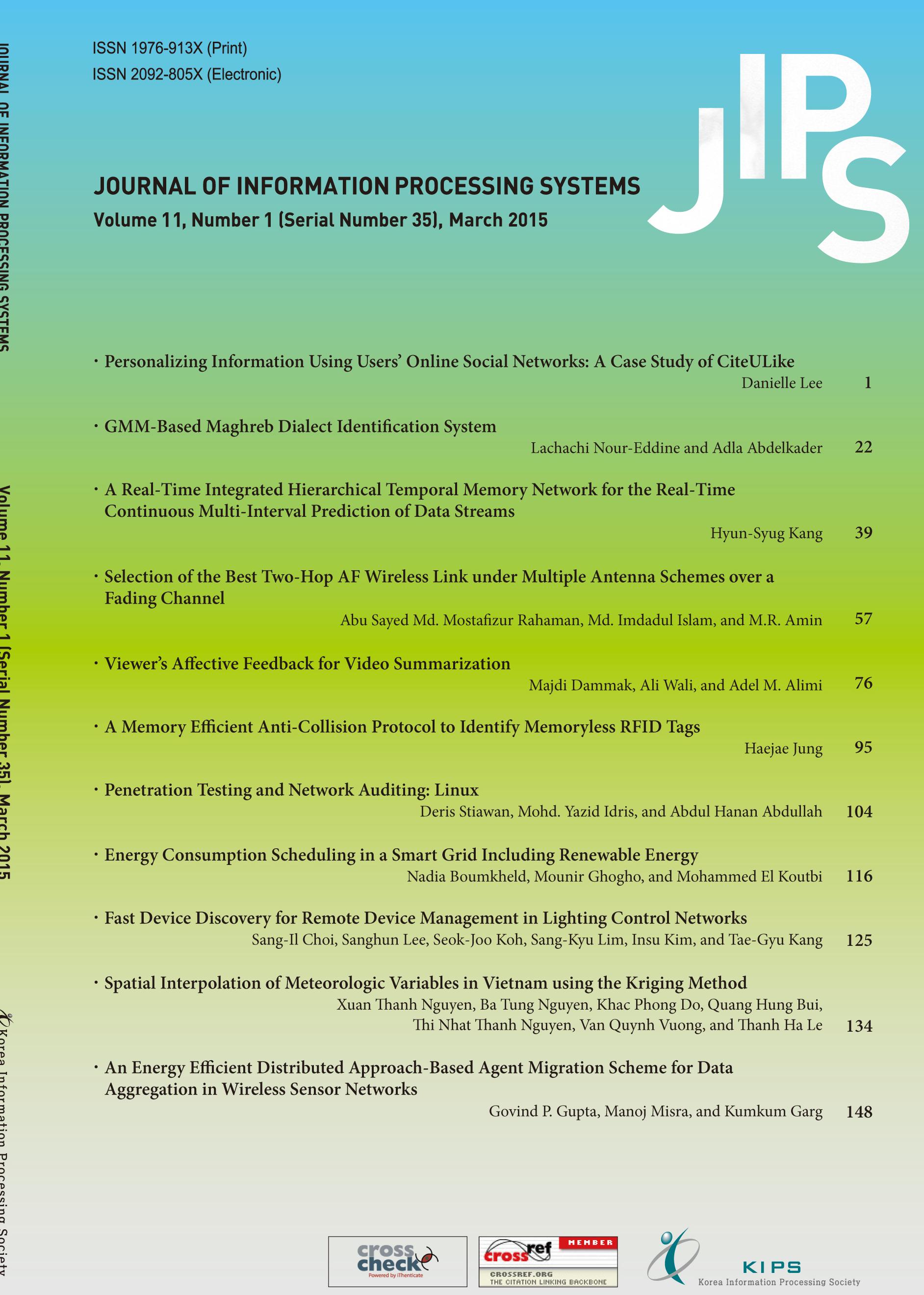
| Journal of Information Processing Systems (JIPS) |

|
| Journal of Internet Computing and Services (KSII - JICS) |
|
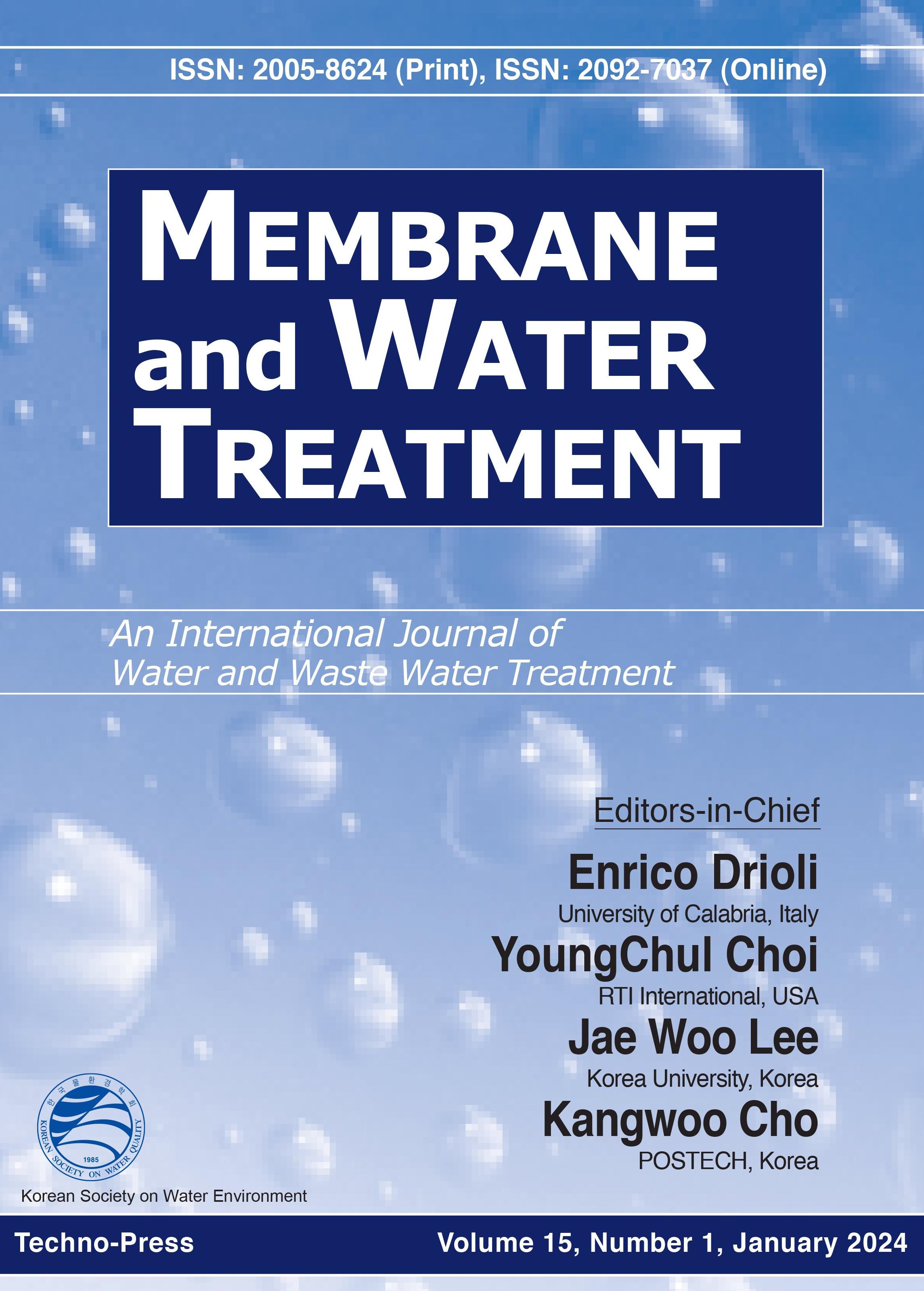
| Membrane and Water Treatment (MWT) |
|
| Smart Structures and Systems (Smart Structures and Systems) |
|
| Steel and Composite Structures, An International Journal (Steel and Composite Structures) |
|
| Structural Engineering and Mechanics, An International Journal (Structural Engineering and Mechanics) |
|
| Wind and Structures, An International Journal (Wind and Structures) |




MANUSCRIPTLINK © 2015 -
