


60th ISTANBUL International Conference on Literature, Education, Humanities & Social Sciences Studies (LEHS3-26)
LEHS3-26
- URL: https://drhss.org/conference/459
- Event Date: 2026-06-01 ~ 2026-06-03
- Submission Date: 2026-05-15
- Organizer: DRHSS
- Location: Istanbul, Turkey
Educational Technology Physical Education & Sports Medicine Humanities, Literature & Arts (General) American Literature & Studies Literature & Writing English Language & Literature
Call for papers/Topics
Full Articles/ Reviews/ Shorts Papers/ Abstracts are welcomed in the following research fields:
1. Literature & Linguistic Studies
This pillar focuses on the written word, oral traditions, and the mechanics of language.
Literary Theory & Criticism: Structuralism, post-colonialism, feminist critique, and psychoanalytic theory.
National & Regional Literatures: English, Comparative, Hispanic, Asian, and African literatures.
Genre Studies: Poetry, prose, drama, gothic fiction, and creative non-fiction.
Linguistics: * Phonetics & Phonology: The sounds of speech.
Syntax & Semantics: Sentence structure and meaning.
Sociolinguistics: How language interacts with social identity.
Philology: The historical evolution of languages and classical texts.
2. Education & Pedagogy
This field explores how knowledge is produced, managed, and transmitted across generations.
Curriculum & Instruction: Design of learning materials and classroom strategies.
Educational Psychology: Cognitive development, learning disabilities, and motivation.
Leadership & Policy: School administration, educational law, and standardized testing.
Specialized Education: * Early Childhood Education.
Special Needs & Inclusive Education.
Adult & Continuing Education (Andragogy).
Educational Technology: Digital literacy, e-learning, and AI in the classroom.
3. The Humanities
The humanities seek to understand the human experience through philosophy, history, and the arts.
Philosophy: Ethics, metaphysics, logic, and aesthetics.
History: Ancient, medieval, and modern history; historiography (the study of how history is written).
Religious Studies: Comparative religion, theology, and mythology.
Art History & Theory: The evolution of visual culture and its impact on society.
Archaeology: The study of human history through material remains.
4. Social Sciences
This pillar uses empirical and theoretical methods to study human behavior and social structures.
Sociology: Social stratification, race and ethnicity, family dynamics, and urban studies.
Psychology: Clinical, social, developmental, and forensic psychology.
Anthropology: * Cultural Anthropology: Study of norms and values.
Biological Anthropology: Human evolution.
Political Science: International relations, political theory, and comparative politics.
Economics: Microeconomics, macroeconomics, and behavioral economics.
Human Geography: How humans interact with their physical environment.
Gender & Sexuality Studies: The social construction of identity and power dynamics.
Event Promotion

|
|
The 13th International Conference on Quantum Dots (QD 2026) |
| 2026-05-17 ~ 2026-05-22 |
|
|
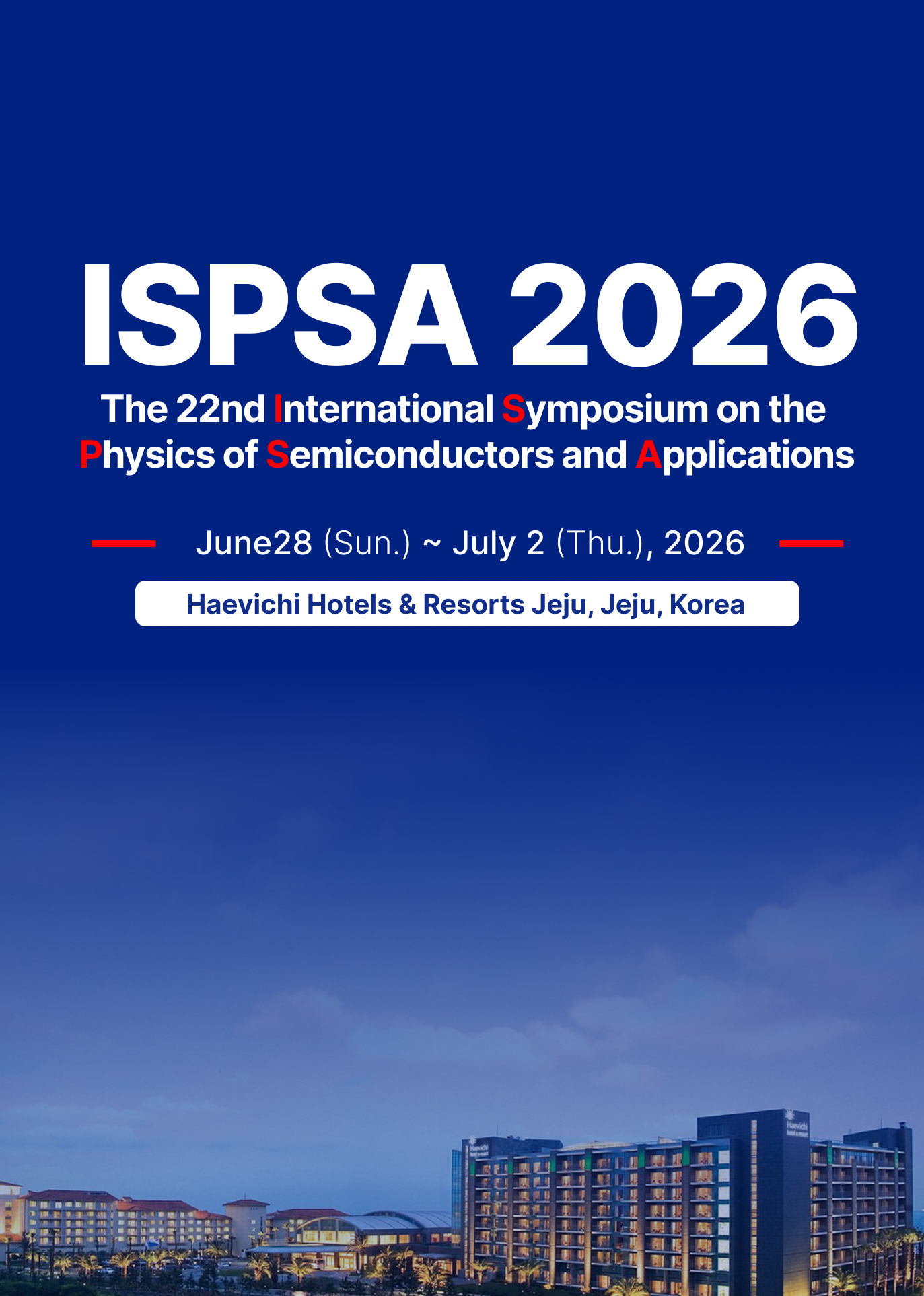
The 22nd International Symposium on the Physics of Semiconductors and Applications (ISPSA 2026) |
| 2026-06-28 ~ 2026-07-02 |

|
|
The 15th Asia-Pacific Conference on Transportation and the Environment (APTE 2026) |
| 2026-07-08 ~ 2026-07-10 |
|
|
ACEM26 / Structures26 (ACEM26) |
| 2026-08-24 ~ 2026-08-25 |
Journal Promotion
|
| Acta Koreana (Acta Koreana) |
|
| Acta Via Serica (AVS) |
|
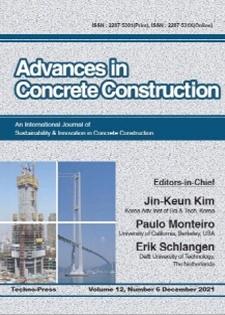
| Advances in Concrete Construction (Advances in Concrete Construction ) |

|
| Advances in Nano Research (Advances in Nano Research) |
|
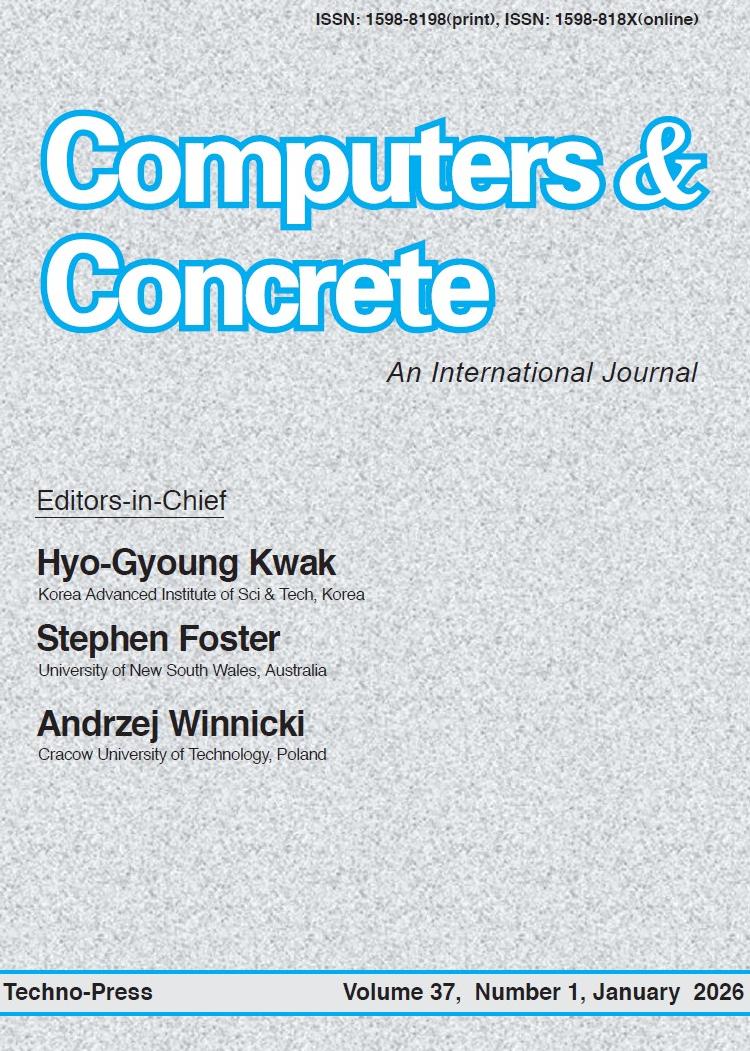
| Computers and Concrete (Computers and Concrete) |
|
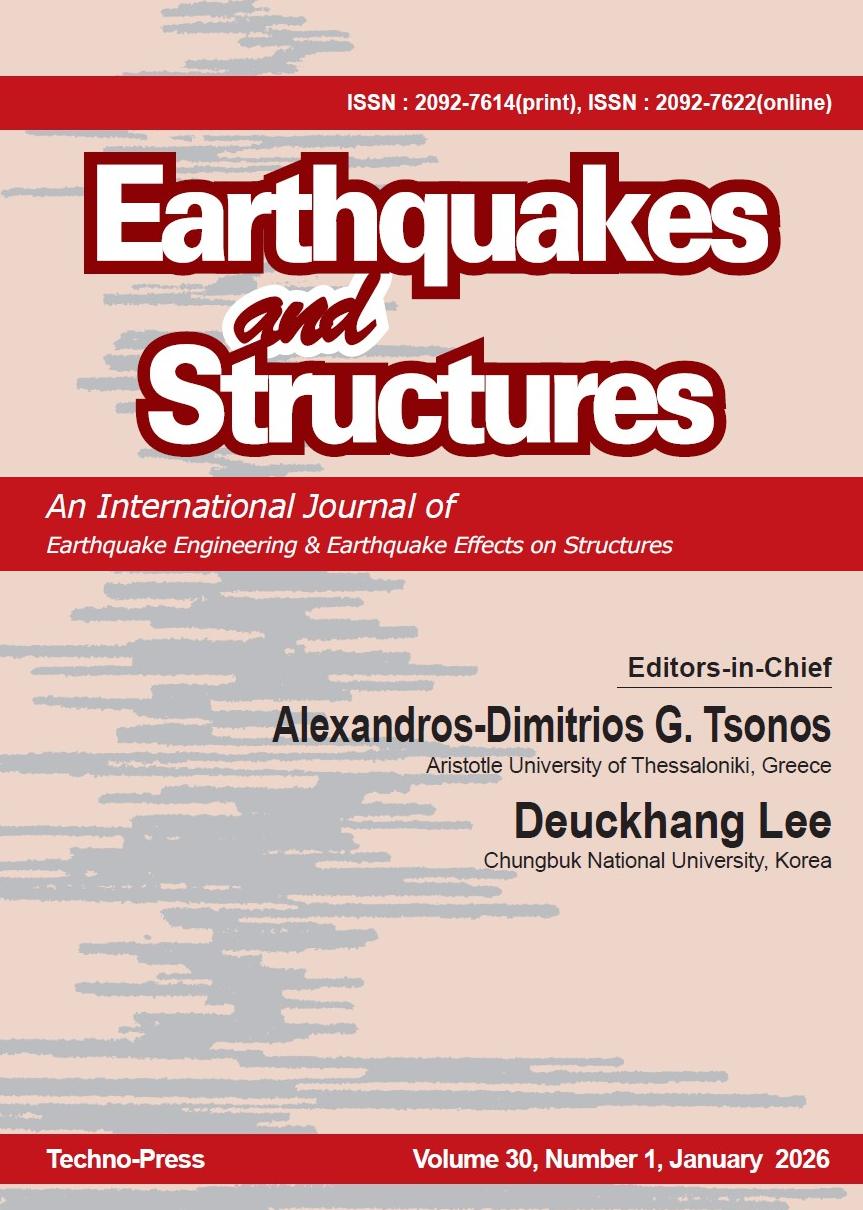
| Earthquakes and Structures, An International Journal (Earthquakes and Structures) |
|
| Geomechanics and Engineering (Geomechanics and Engineering) |
|
| Journal of Information Processing Systems (JIPS) |

|
| Journal of Internet Computing and Services (KSII - JICS) |

|
| Membrane and Water Treatment (MWT) |
|
| Smart Structures and Systems (Smart Structures and Systems) |
|
| Steel and Composite Structures, An International Journal (Steel and Composite Structures) |
|
| Structural Engineering and Mechanics, An International Journal (Structural Engineering and Mechanics) |
|
| Wind and Structures, An International Journal (Wind and Structures) |




MANUSCRIPTLINK © 2015 -
