

48th ROME World Congress on Ecological Agriculture, Biodiversity & Waste Management (REABWM-26) June 17-19, 2026 Rome (Italy)
REABWM-26
- URL: https://caeer.org/conference/388
- Event Date: 2026-06-17 ~ 2026-06-19
- Submission Date: 2026-05-22
- Organizer: CAEER
- Location: Rome, Italy
Ecology Biodiversity & Conservation Biology
Topics
Abstract/Full Paper/Posters are welcomed in the following research fields:
1. Ecological Agriculture
Ecological agriculture focuses on farming practices that work with nature rather than against it, prioritizing long-term soil health and ecosystem stability.
Principles of Agroecology
Closed-loop nutrient cycling.
Enhancing biological synergies.
Reducing reliance on external chemical inputs.
Soil Health & Management
Soil microbiology and the "Soil Food Web."
Conservation tillage and no-till farming.
Carbon sequestration in agricultural soils.
Cropping Systems
Crop rotation and diversification.
Intercropping and companion planting.
Cover cropping and green manures.
Sustainable Water Management
Drip irrigation and precision watering.
Rainwater harvesting and "Keyline" design.
Management of agricultural runoff and buffer strips.
Alternative Farming Models
Permaculture and forest gardening.
Regenerative agriculture.
Biodynamic farming.
2. Biodiversity in Agriculture
Biodiversity provides the "ecosystem services" (like pollination and pest control) that make farming possible without heavy industrial intervention.
Genetic Diversity
In-situ and ex-situ conservation of heirloom seeds.
Preserving rare and landrace livestock breeds.
Crop wild relatives (CWR) and climate resilience.
Functional Biodiversity
Integrated Pest Management (IPM) using natural predators.
Pollinator conservation (bees, butterflies, and bats).
Rhizosphere diversity (beneficial fungi and bacteria).
Landscape-Level Biodiversity
Hedgerows, windbreaks, and wildlife corridors.
Agroforestry: Integrating trees with crops and livestock.
Restoration of degraded agricultural lands.
Policy & Ethics
The Convention on Biological Diversity (CBD) in farming.
Access and Benefit-Sharing (ABS) for genetic resources.
3. Waste Management & Circularity
In an ecological system, waste does not exist; every output is an input for another process.
Organic Waste Upcycling
Aerobic composting techniques (static pile, turned windrow).
Vermicomposting (using earthworms).
Anaerobic digestion and biogas production.
On-Farm Waste Reduction
Management of agricultural plastics (mulch films, irrigation pipes).
Silage wrap recycling.
Upcycling harvest residues into biochar or animal bedding.
Nutrient Recovery
Closing the Nitrogen and Phosphorus cycles.
Safe application of treated wastewater in irrigation.
Management of livestock manure and slurry.
The Circular Bioeconomy
Agricultural by-products for bio-plastics and textiles.
Post-harvest loss reduction strategies.
Community-supported waste-to-resource programs.
Integration & Policy
Certification & Standards: Organic (USDA/EU), Regenerative Organic Certified (ROC), and Fair Trade.
Economic Incentives: Payments for Ecosystem Services (PES) and carbon credits.
Climate Change Adaptation: Using biodiversity to buffer against extreme weather events.
Event Promotion

|
|
The 13th International Conference on Quantum Dots (QD 2026) |
| 2026-05-17 ~ 2026-05-22 |
|
|
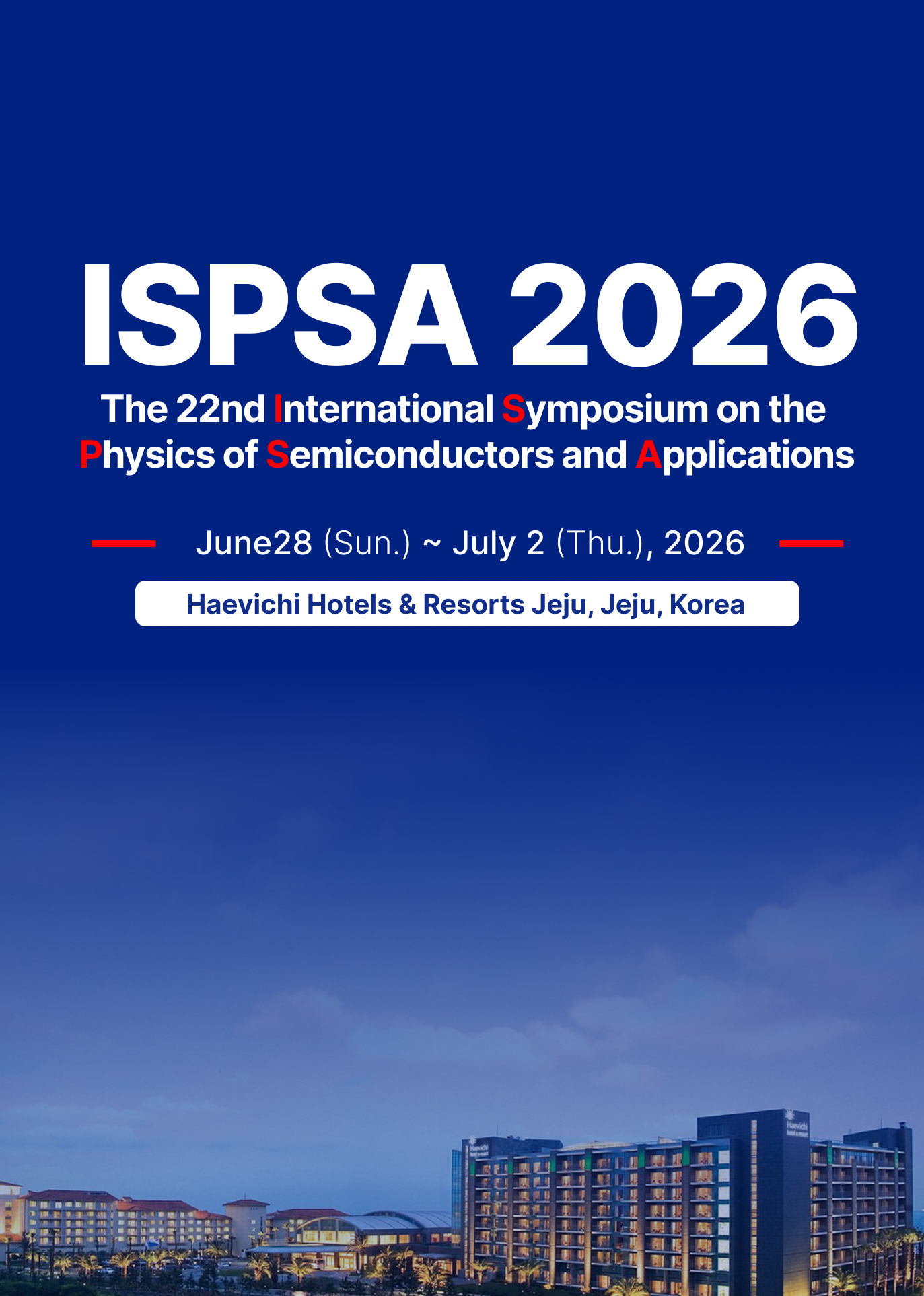
The 22nd International Symposium on the Physics of Semiconductors and Applications (ISPSA 2026) |
| 2026-06-28 ~ 2026-07-02 |

|
|
The 15th Asia-Pacific Conference on Transportation and the Environment (APTE 2026) |
| 2026-07-08 ~ 2026-07-10 |






MANUSCRIPTLINK © 2015 -
