

21st LISBON International Conference on Automobile & Aeronautical Engineering (ICA2E-26) May 13-15, 2026 Lisbon (Portugal)
ICA2E-26
- URL: https://eamae.erpub.org/conference/199
- Event Date: 2026-05-13 ~ 2026-05-15
- Submission Date: 2026-05-01
- Organizer: EAMAE
Materials Engineering Engineering & Computer Science (General) Materials Engineering Mechanical Engineering Power Engineering Ceramic Engineering
Call for papers/Topics
Topics of Interest for Submission include, but are Not Limited to:
1. Automobile Engineering
This field focuses on the design, manufacturing, and operation of land-based vehicles, with a modern shift toward electrification and autonomy.
Core Vehicle Systems
Automotive Engines (ICE): SI and CI engines, fuel injection systems (MPFI, CRDI), engine cooling, and lubrication.
Transmission & Driveline: Manual and automatic gearboxes, CVT, dual-clutch systems, torque converters, propeller shafts, and differentials.
Chassis & Suspension: Frame design, steering geometry, power steering, MacPherson struts, multi-link systems, and air suspension.
Braking Systems: ABS (Anti-lock Braking), EBD, drum vs. disc brakes, and regenerative braking for EVs.
Electronics & Safety
Automotive Electricals: Battery technology, alternators, lighting, and wiring harnesses.
Advanced Driver Assistance Systems (ADAS): Cruise control, lane-keep assist, and sensor fusion (Lidar, Radar).
Safety Engineering: Crash testing, crumple zones, airbag deployment, and occupant protection.
Emerging Technologies
Electric & Hybrid Vehicles: Battery Management Systems (BMS), motor controllers, and range extenders.
Autonomous Technology: AI in navigation, V2X (Vehicle-to-Everything) communication, and deep learning for obstacle detection.
Sustainable Materials: Lightweight composites, recyclable plastics, and 3D printing of components.
2. Aeronautical Engineering
This field deals with aircraft operating within the Earth's atmosphere, emphasizing high-speed fluid dynamics and structural integrity.
Aerodynamics & Fluid Mechanics
Flow Theory: Subsonic, transonic, and supersonic aerodynamics; lift and drag coefficients.
Airfoil Design: Wing geometry, boundary layer control, and high-lift devices (flaps/slats).
Gas Dynamics: Shock waves, expansion waves, and compressible flow.
Propulsion Systems
Jet Engines: Turbojets, turbofans, turboprops, and ramjets.
Engine Components: Compressors, combustion chambers, turbines, and exhaust nozzles.
Rocketry (Aero-Space overlap): Solid and liquid propellant systems, thrust vectoring.
Structures & Materials
Aircraft Structures: Monocoque and semi-monocoque designs, wing spars, and fuselage ribs.
Aeroelasticity: Flutter, divergence, and the interaction of aerodynamic forces with structural elasticity.
Aerospace Materials: High-temperature alloys (Titanium, Nickel-based), carbon fiber composites, and ceramics.
Flight Mechanics & Avionics
Flight Dynamics: Stability (static/dynamic), control surfaces (ailerons, elevators, rudders), and trim.
Avionics: Glass cockpits, Fly-by-Wire (FBW) systems, INS/GPS navigation, and radar systems.
Flight Testing: Envelope expansion, performance data acquisition, and certification standards.
3. Shared Fundamental Topics
Regardless of the specialization, both disciplines require mastery of these foundational subjects:
Mathematics: Calculus, differential equations, and linear algebra.
Solid Mechanics: Statics, dynamics, and strength of materials.
Thermodynamics: Heat transfer, cycles (Otto, Diesel, Brayton), and combustion.
Design Tools: Computer-Aided Design (CAD), Finite Element Analysis (FEA), and Computational Fluid Dynamics (CFD).
Event Promotion

|
|
The 13th International Conference on Quantum Dots (QD 2026) |
| 2026-05-17 ~ 2026-05-22 |
|
|
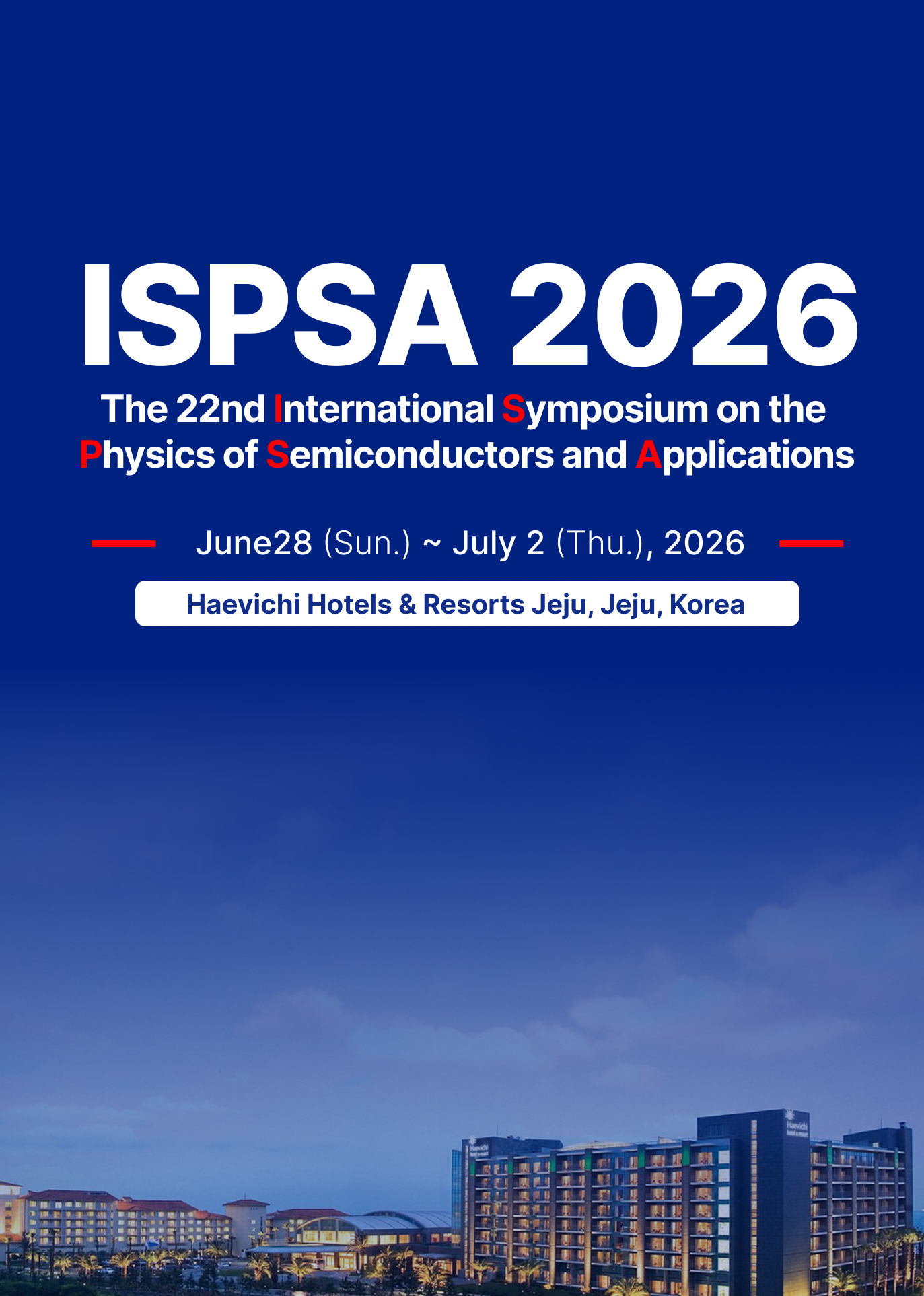
The 22nd International Symposium on the Physics of Semiconductors and Applications (ISPSA 2026) |
| 2026-06-28 ~ 2026-07-02 |

|
|
The 15th Asia-Pacific Conference on Transportation and the Environment (APTE 2026) |
| 2026-07-08 ~ 2026-07-10 |
Journal Promotion

|
| Acta Koreana (Acta Koreana) |
|
| Acta Via Serica (AVS) |
|
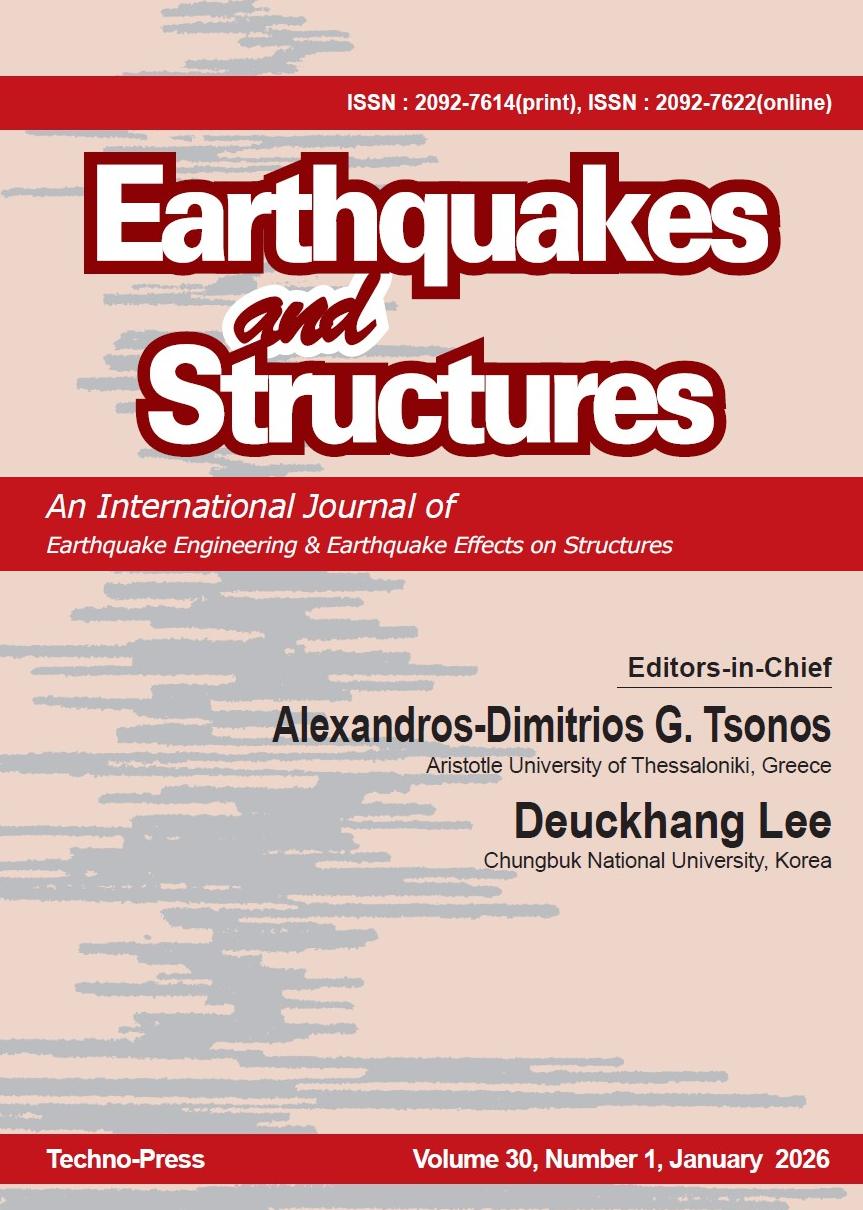
| Earthquakes and Structures, An International Journal (Earthquakes and Structures) |
|
| Journal of Information Processing Systems (JIPS) |

|
| Journal of Internet Computing and Services (KSII - JICS) |
|
| Membrane and Water Treatment (MWT) |

|
| Smart Structures and Systems (Smart Structures and Systems) |




MANUSCRIPTLINK © 2015 -
