


19th BARCELONA World Conference on Innovations in Mechanics, Composites & Manufacturing Technology (IMCMT-26)
IMCMT-26
- URL: https://eamae.erpub.org/conference/187
- Event Date: 2026-04-20 ~ 2026-04-22
- Submission Date: 2026-04-01
- Organizer: EAMAE
- Location: Barcelona, Spain
Composite Materials Manufacturing & Machinery Mechanical Engineering Fluid Mechanics Quantum Mechanics
Topics of Interest for Submission include, but are Not Limited to:
1. Advanced Composite Materials
Innovation here focuses on moving beyond traditional carbon fiber toward materials that can sense damage or heal themselves.
Smart and Functional Composites:
Self-healing polymers: Micro-encapsulated healing agents that trigger upon fracture.
Shape Memory Alloys (SMAs): Integration into composite structures for morphing wings or adaptive components.
Piezoelectric composites: For structural health monitoring and energy harvesting.
Sustainable & Bio-Composites:
Natural fiber-reinforced polymers (flax, hemp, jute).
Recyclability of thermoset resins vs. thermoplastic matrices.
Nanocomposites:
Graphene and Carbon Nanotube (CNT) reinforcement for ultra-high strength and conductivity.
2. Modern Manufacturing & Industry 4.0
The shift is from mass production to mass customization and decentralized manufacturing.
Additive Manufacturing (3D/4D Printing):
Direct Energy Deposition (DED): For large-scale metal repairs and aerospace components.
4D Printing: Materials that change shape or property over time in response to stimuli (heat, moisture).
Micro-scale 3D printing: For MEMS (Micro-Electro-Mechanical Systems).
Digital Twins & Cyber-Physical Systems:
Real-time simulation of the production floor to predict failures.
Integration of IIoT (Industrial Internet of Things) sensors for "Lights-out" manufacturing.
Hybrid Manufacturing:
Combining additive manufacturing (layering) with subtractive manufacturing (CNC milling) in a single machine.
3. Innovations in Mechanics & Structural Analysis
Mechanics is evolving to handle increasingly complex geometries and extreme environments.
Metamaterials & Architected Materials:
Mechanical lattices with negative Poisson’s ratio (auxetic materials).
Acoustic metamaterials for vibration damping and sound "cloaking."
Micro and Nanomechanics:
Mechanics of thin films and 2D materials.
Molecular dynamics simulations for predicting material failure at the atomic level.
Computational Mechanics:
Isogeometric Analysis (IGA): Integrating CAD design directly with Finite Element Analysis (FEA).
AI-Driven Topology Optimization: Using neural networks to design the lightest possible structure for a specific load.
4. Precision & Sustainable Manufacturing
The focus is on reducing the carbon footprint while increasing the "tightness" of tolerances.
Green Manufacturing:
Dry Machining (MQL): Minimum Quantity Lubrication to reduce chemical waste.
Energy-efficient tool path optimization.
Ultra-Precision Machining:
Diamond turning for optical components.
Femtosecond laser machining for medical implants (stents, eye surgery tools).
5. Robotics & Automation in Production
Robots are moving out of cages and onto the floor alongside humans.
Cobotics (Collaborative Robots):
Human-robot interaction and safety sensors.
Soft Robotics: Using flexible materials for handling delicate organic or fragile items.
Automated Fiber Placement (AFP):
Robotic precision laying of composite tapes for aircraft fuselages.
Event Promotion

|
|
The 13th International Conference on Quantum Dots (QD 2026) |
| 2026-05-17 ~ 2026-05-22 |
|
|
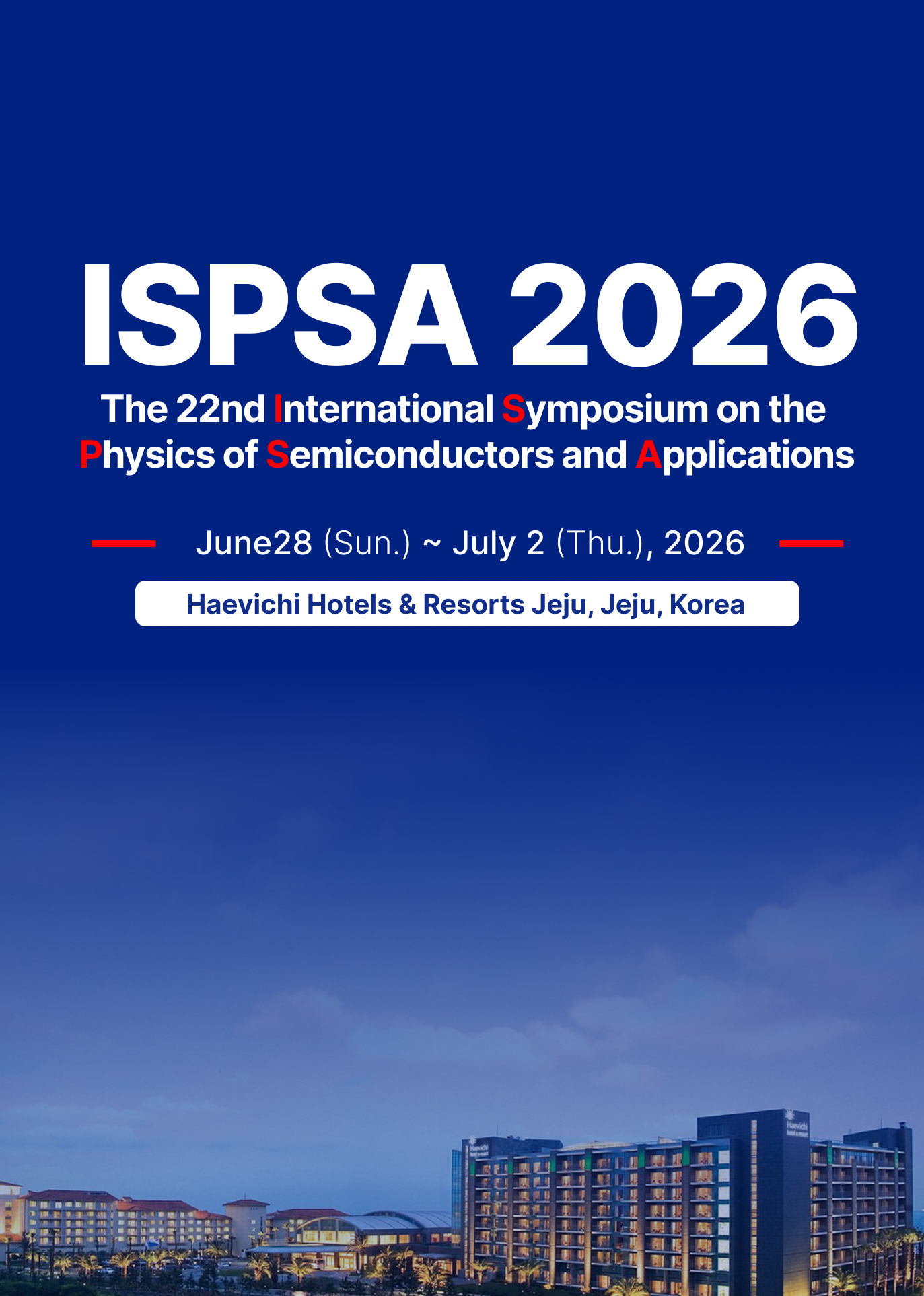
The 22nd International Symposium on the Physics of Semiconductors and Applications (ISPSA 2026) |
| 2026-06-28 ~ 2026-07-02 |

|
|
The 15th Asia-Pacific Conference on Transportation and the Environment (APTE 2026) |
| 2026-07-08 ~ 2026-07-10 |
Journal Promotion

|
| Acta Koreana (Acta Koreana) |

|
| Acta Via Serica (AVS) |

|
| Earthquakes and Structures, An International Journal (Earthquakes and Structures) |
|
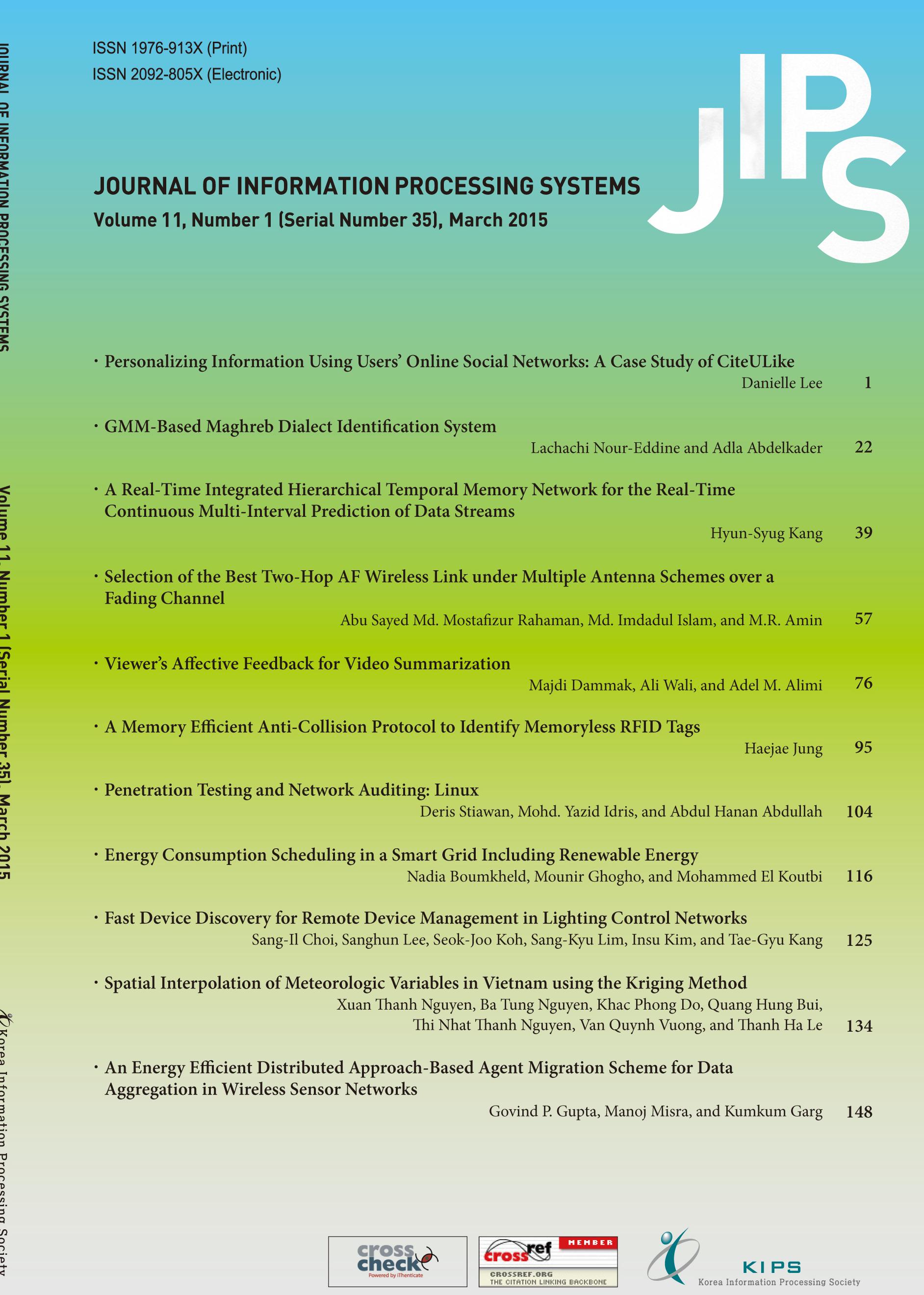
| Journal of Information Processing Systems (JIPS) |

|
| Journal of Internet Computing and Services (KSII - JICS) |

|
| Membrane and Water Treatment (MWT) |

|
| Smart Structures and Systems (Smart Structures and Systems) |




MANUSCRIPTLINK © 2015 -
