


22nd BANGKOK International Conference on “Smart Energy Systems and Technologies” (BSEST-26)March 23-25, 2026 Bangkok (Thailand)
BSEST-26
- URL: https://eaceee.erpub.org/conference/177
- Event Date: 2026-03-23 ~ 2026-03-25
- Submission Date: 2026-03-02
- Organizer: EACEEE
- Location: Bangkok, Thailand
Nanotechnology Educational Technology Sustainable Energy Biotechnology High Energy & Nuclear Physics
Call for papers/Topics
Topics of Interest for Submission include, but are Not Limited to:
1. Smart Grid and Power Systems
Grid Modernization: Advanced metering infrastructure (AMI), wide-area monitoring, protection, and control (WAMPAC).
Microgrids & Virtual Power Plants (VPP): Islanding detection, control strategies, and coordinated operation of distributed resources.
Resilience & Reliability: Self-healing grids, fault detection/diagnosis, and disaster recovery planning.
Power Quality: Harmonic mitigation, voltage stability, and frequency regulation in inverter-dominated grids.
DC Grids: HVDC (High Voltage Direct Current) transmission and LVDC (Low Voltage Direct Current) distribution systems.
2. Renewable Energy Integration
Distributed Energy Resources (DERs): Integration of rooftop solar, small-scale wind, and fuel cells.
Forecasting: AI-driven prediction of solar irradiance, wind speed, and load demand.
Grid-Forming Inverters: Control techniques for 100% renewable energy penetration.
Hybrid Systems: Wind-solar-storage hybrid system optimization.
3. Energy Storage and Conversion
Battery Energy Storage Systems (BESS): Sizing, placement, and state-of-health (SoH) monitoring.
Beyond Batteries: Supercapacitors, flywheels, compressed air, and pumped hydro storage.
Hydrogen Economy: Green hydrogen production (electrolyzers), storage, and fuel cell applications.
Power Electronics: Next-generation converters (SiC/GaN devices) for renewable integration and electric drives.
4. Smart Cities and Demand Side Management
Electric Vehicles (EVs): Vehicle-to-Grid (V2G), Vehicle-to-Home (V2H), and smart charging infrastructure.
Smart Buildings: Building Energy Management Systems (BEMS), net-zero energy buildings, and home automation.
Demand Response (DR): Incentive-based and price-based programs for peak load shifting.
Smart Lighting & Heating: Intelligent street lighting and smart HVAC systems.
5. Digitalization and Cyber-Physical Systems
AI and Machine Learning: Applications in fault prediction, predictive maintenance, and energy trading.
Cybersecurity: Threat detection, blockchain for data integrity, and secure communication protocols (e.g., IEC 61850).
Internet of Things (IoT): Sensor networks for asset monitoring and edge computing in smart grids.
Digital Twins: Real-time simulation and modeling of power assets for operational optimization.
6. Energy Markets and Policy
Transactive Energy: Peer-to-peer (P2P) energy trading using blockchain.
Market Design: Local energy markets, ancillary service markets, and dynamic pricing models.
Regulatory Frameworks: Policies supporting decarbonization, tariff structures, and grid codes.
Economics: Cost-benefit analysis of smart grid investments and circular economy in energy systems.
7. Sector Coupling (Power-to-X)
District Heating/Cooling: Electrification of heat (large-scale heat pumps) and thermal storage.
Integrated Energy Systems: Co-optimization of electricity, gas, heat, and transport networks
Event Promotion
|
|
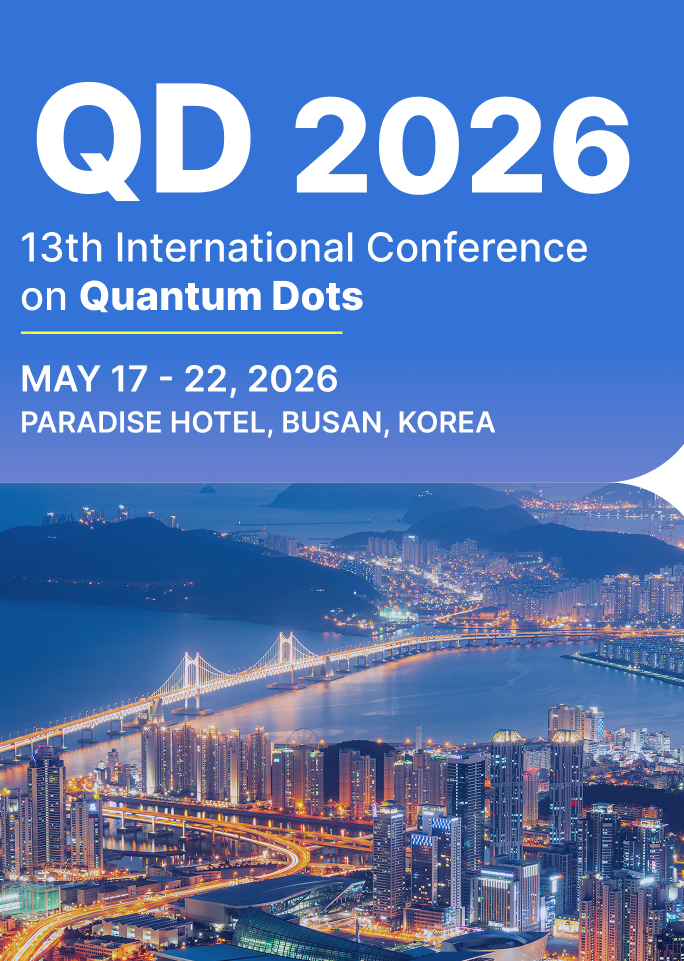
The 13th International Conference on Quantum Dots (QD 2026) |
| 2026-05-17 ~ 2026-05-22 |
|
|
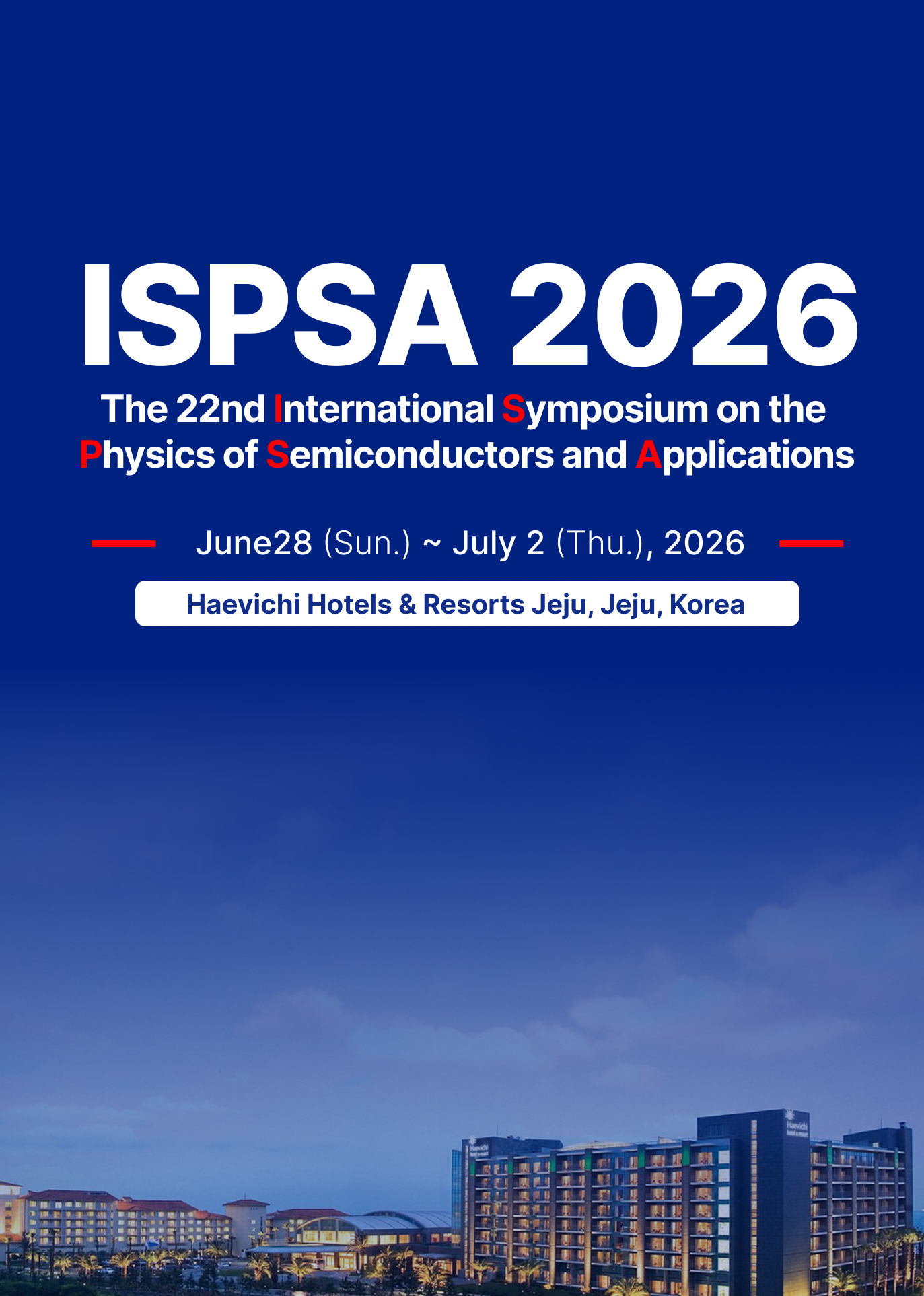
The 22nd International Symposium on the Physics of Semiconductors and Applications (ISPSA 2026) |
| 2026-06-28 ~ 2026-07-02 |
|
|
The 15th Asia-Pacific Conference on Transportation and the Environment (APTE 2026) |
| 2026-07-08 ~ 2026-07-10 |
Journal Promotion

|
| Acta Koreana (Acta Koreana) |
|
| Acta Via Serica (AVS) |
|
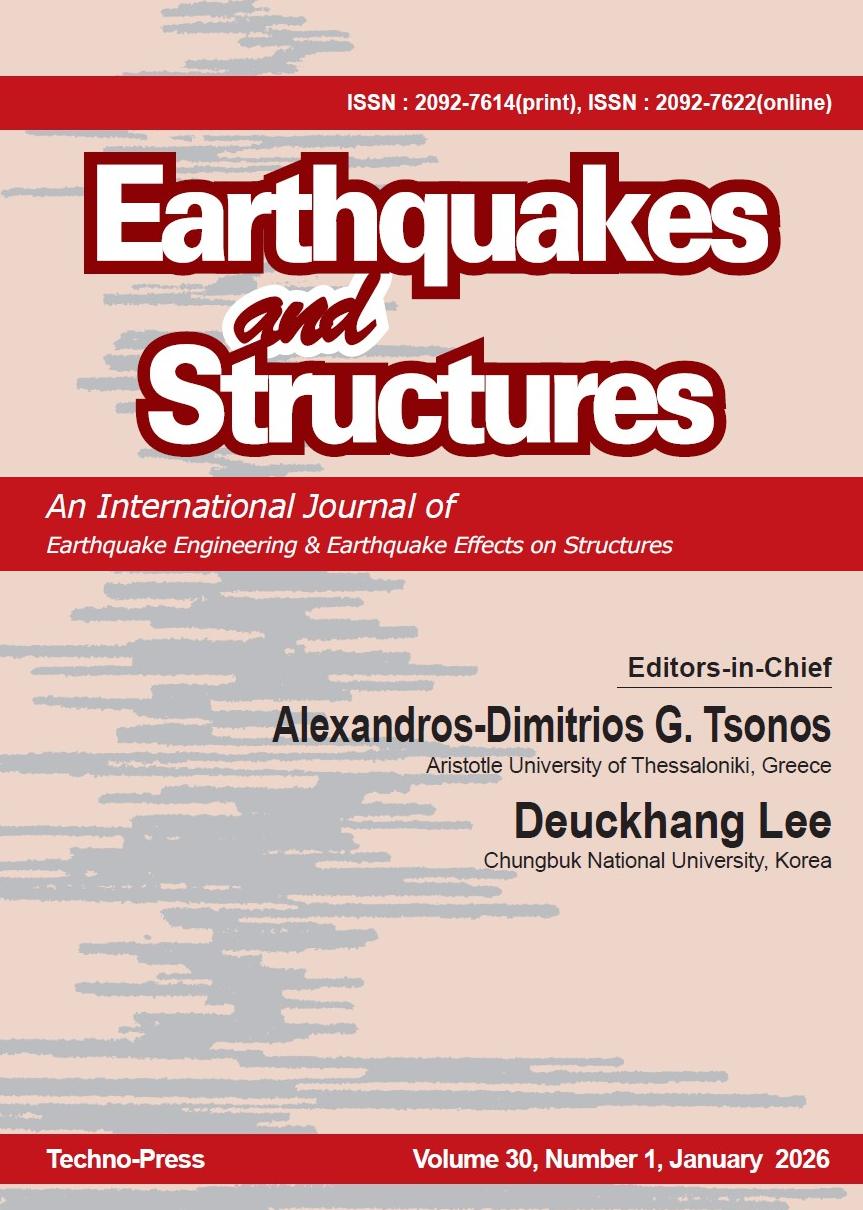
| Earthquakes and Structures, An International Journal (Earthquakes and Structures) |
|
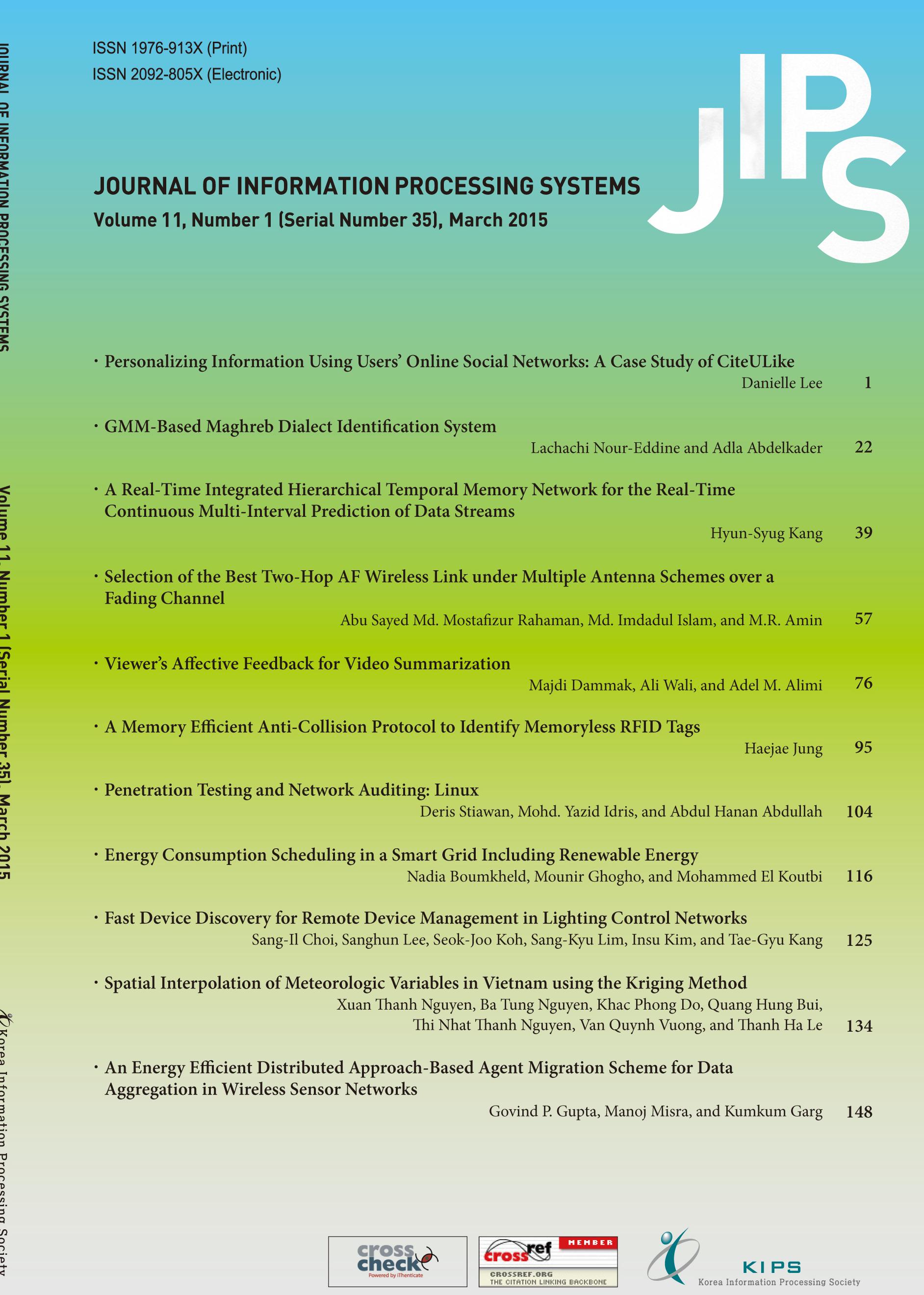
| Journal of Information Processing Systems (JIPS) |

|
| Journal of Internet Computing and Services (KSII - JICS) |

|
| Membrane and Water Treatment (MWT) |

|
| Smart Structures and Systems (Smart Structures and Systems) |




MANUSCRIPTLINK © 2015 -
