


53rd ATHENS International Congress on Humanities, Social Sciences & Management Studies (HSSMS-26) scheduled on June 3-5, 2026 Athens (Greece)
HSSMS-26
- URL: https://fahss.org/conference/347
- Event Date: 2026-06-03 ~ 2026-06-05
- Submission Date: 2026-05-15
- Organizer: FAHSS
- Location: Athens, Greece
Human Resources & Organizations Human Computer Interaction Social Psychology Humanities, Literature & Arts (General) Human Migration
Call for papers/Topics
Topics of interest for submission include any topics related to:
1. Humanities
The Humanities focus on the human condition and how people process and document the human experience.
Literature and Language
Linguistics: Phonetics, syntax, semantics, and sociolinguistics.
Literary Theory: Structuralism, post-colonialism, and feminist critique.
Comparative Literature: Analyzing themes across different cultures and eras.
Creative Writing: Fiction, poetry, and non-fiction scripts.
Philosophy and Ethics
Metaphysics: The nature of reality and existence.
Epistemology: The study of knowledge and belief.
Ethics: Moral philosophy, bioethics, and environmental ethics.
Logic: Deductive and inductive reasoning.
History and Heritage
Ancient & Medieval History: The foundation of civilizations.
Modern & Contemporary History: Global conflicts, revolutions, and digital shifts.
Art History: The evolution of visual culture from cave paintings to digital art.
Archaeology: The study of human activity through material remains.
Religion and Culture
Theology: The study of the divine and religious beliefs.
Comparative Religion: Finding commonalities and differences in global faiths.
Cultural Studies: How identity is shaped by media, race, and gender.
2. Social Sciences
The Social Sciences use a more scientific approach to study society and the relationships among individuals within a society.
Psychology (Behavioral Science)
Cognitive Psychology: How we think, remember, and perceive.
Developmental Psychology: Growth from childhood to old age.
Social Psychology: How individuals behave in groups.
Abnormal Psychology: The study of mental health disorders.
Sociology and Anthropology
Sociological Theory: Analyzing social structures and institutions.
Urban & Rural Sociology: The dynamics of living environments.
Cultural Anthropology: The study of human cultures and their development.
Demography: The statistical study of human populations.
Political Science and Law
International Relations: Diplomacy, global conflict, and trade.
Political Theory: Democracy, socialism, and authoritarianism.
Public Policy: How governments design and implement laws.
Jurisprudence: The philosophy and theory of law.
Economics
Microeconomics: Individual and firm-level decision-making.
Macroeconomics: National income, inflation, and unemployment.
Development Economics: Improving the fiscal and social conditions in developing nations.
Behavioral Economics: Why people make "irrational" financial choices.
3. Management
Management focuses on the organization and coordination of activities to achieve defined objectives.
Organizational Behavior & HR
Human Resource Management (HRM): Recruitment, training, and retention.
Leadership Studies: Styles of management and emotional intelligence.
Organizational Culture: The internal "personality" of a company.
Strategic Management
Operations Management: Streamlining production and supply chains.
Project Management: Methodologies like Agile, Scrum, and Waterfall.
Entrepreneurship: Innovation and venture capital.
Change Management: Navigating transitions within a business.
Marketing and Communication
Consumer Behavior: Understanding why people buy.
Digital Marketing: SEO, social media, and content strategy.
Public Relations (PR): Managing brand reputation and media.
Finance and Accounting
Corporate Finance: Capital budgeting and investment.
Financial Accounting: Reporting and auditing.
Risk Management: Identifying and mitigating business threats.
Event Promotion

|
|
The 13th International Conference on Quantum Dots (QD 2026) |
| 2026-05-17 ~ 2026-05-22 |
|
|
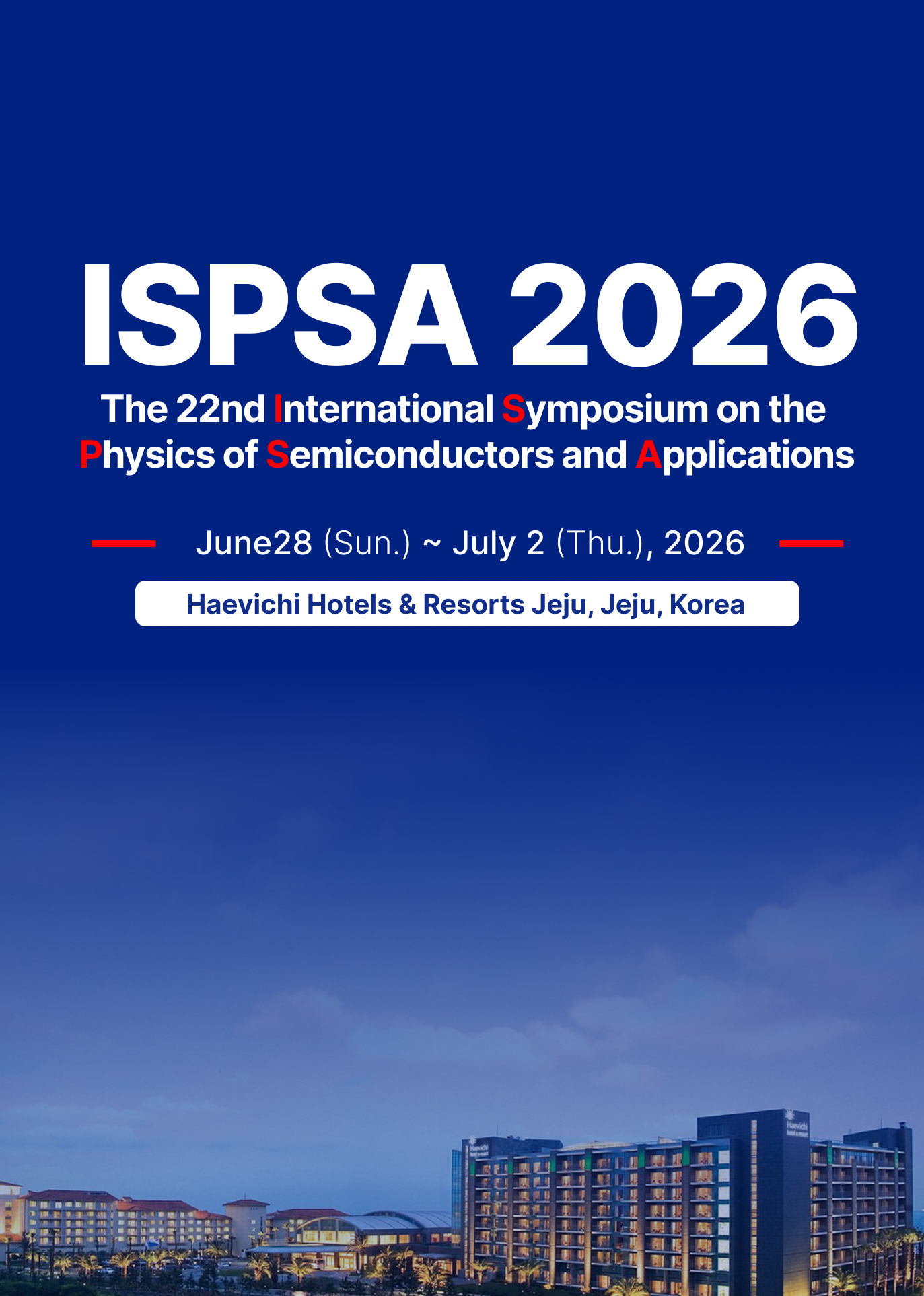
The 22nd International Symposium on the Physics of Semiconductors and Applications (ISPSA 2026) |
| 2026-06-28 ~ 2026-07-02 |

|
|
The 15th Asia-Pacific Conference on Transportation and the Environment (APTE 2026) |
| 2026-07-08 ~ 2026-07-10 |








MANUSCRIPTLINK © 2015 -
