

52nd LISBON International Conference on Nursing and Medical Sciences (LICNMS-26) May 13-15, 2026 Lisbon (Portugal)
LICNMS-26
- URL: https://ffabs.org/conference/343
- Event Date: 2026-05-13 ~ 2026-05-15
- Submission Date: 2026-05-01
- Organizer: FFABS
- Location: Lisbon, Portugal
Medicinal Chemistry Biomedical Technology Nursing Vascular Medicine
Call for papers/Topics
Topics of interest for submission include any topics related to:
1. Foundational Medical Sciences
These subjects provide the biological and chemical basis for understanding the human body in health and disease.
Anatomy & Physiology: Gross anatomy, histology, and the mechanics of organ systems (integumentary, skeletal, muscular, nervous, endocrine, etc.).
Medical Biochemistry: Chemical processes within living organisms, metabolism, and molecular biology.
Pathopathology: The study of the causes and effects of diseases or injuries.
Microbiology & Immunology: Bacteriology, virology, mycology, and the body’s immune response mechanisms.
Pharmacology: Pharmacokinetics (how the body affects the drug) and pharmacodynamics (how the drug affects the body).
Genetics: Heredity, genetic disorders, and genomics in personalized medicine.
2. Core Nursing Science
These topics focus specifically on the "art and science" of patient care and the professional framework of nursing.
Nursing Fundamentals: Basic patient care, hygiene, vital signs, and the Nursing Process (Assessment, Diagnosis, Planning, Implementation, Evaluation).
Nursing Theories: Frameworks by theorists like Florence Nightingale, Jean Watson (Caring), and Dorothea Orem (Self-Care).
Community & Public Health Nursing: Epidemiology, health promotion, disease prevention, and rural healthcare.
Nursing Leadership & Management: Healthcare administration, staffing, budgeting, and unit management.
Nursing Informatics: Using data and technology to improve patient outcomes and streamline documentation.
3. Clinical Medical Specialties
These subtopics represent the specialized branches where medical and nursing care intersect for specific populations or conditions.
Medical-Surgical Nursing/Medicine: Care for adult patients with a wide range of acute and chronic illnesses.
Pediatrics: Neonatology, adolescent medicine, and developmental disorders.
Obstetrics & Gynecology (OB/GYN): Maternal-fetal medicine, labor and delivery, and reproductive health.
Psychiatry & Mental Health: Behavioral health, substance abuse, and psychiatric disorders.
Gerontology: The study of aging and specialized care for the elderly.
Critical Care & Emergency Medicine: Trauma, ICU protocols, and advanced life support.
Oncology: Cancer biology, chemotherapy, radiation, and palliative care.
4. Professional & Ethical Dimensions
Modern medicine relies heavily on the "soft sciences" and regulatory frameworks.
Bioethics: Medical ethics, patient autonomy, informed consent, and end-of-life decisions.
Medical Jurisprudence: Healthcare law, malpractice, and professional regulations.
Evidence-Based Practice (EBP): Research methodology, biostatistics, and applying clinical research to bedside care.
Global Health: Health disparities, infectious disease control on a global scale, and health policy.
Event Promotion
|
|
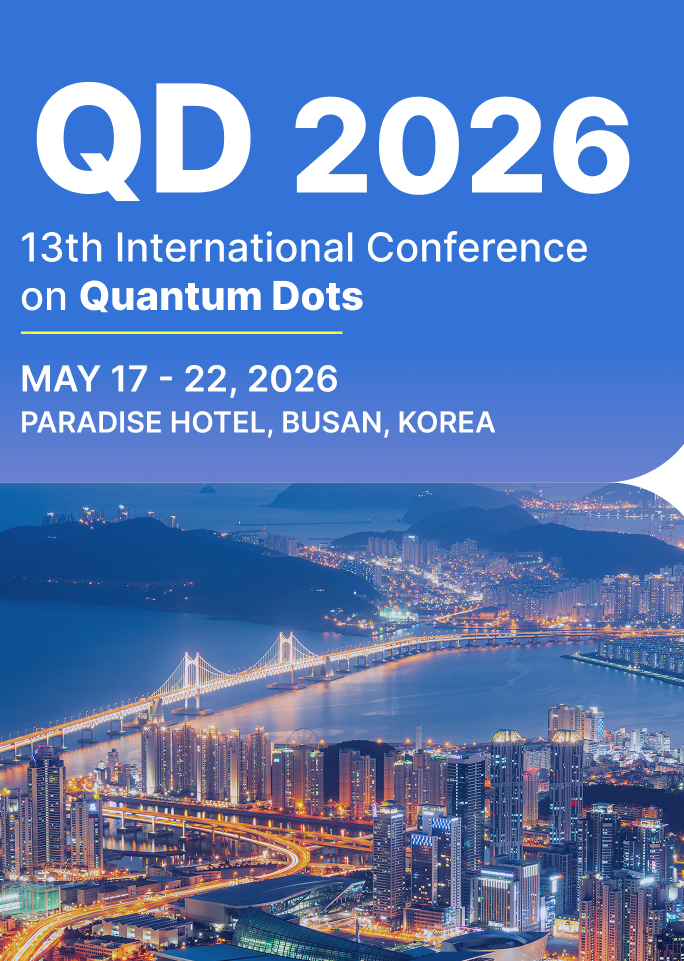
The 13th International Conference on Quantum Dots (QD 2026) |
| 2026-05-17 ~ 2026-05-22 |
|
|
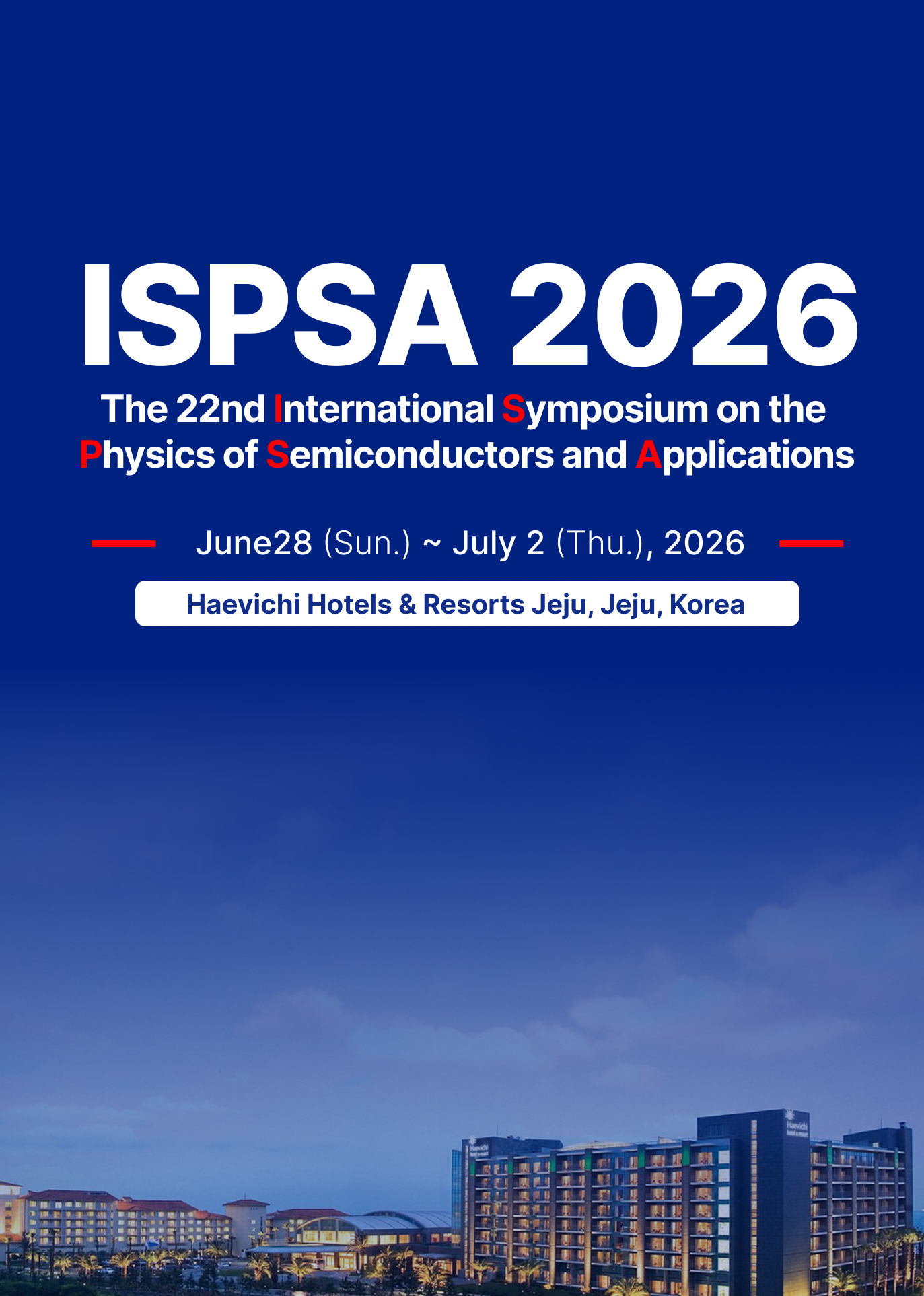
The 22nd International Symposium on the Physics of Semiconductors and Applications (ISPSA 2026) |
| 2026-06-28 ~ 2026-07-02 |

|
|
The 15th Asia-Pacific Conference on Transportation and the Environment (APTE 2026) |
| 2026-07-08 ~ 2026-07-10 |
Journal Promotion

|
| Acta Koreana (Acta Koreana) |
|
| Acta Via Serica (AVS) |

|
| Earthquakes and Structures, An International Journal (Earthquakes and Structures) |
|
| Journal of Information Processing Systems (JIPS) |
|
| Journal of Internet Computing and Services (KSII - JICS) |
|
| Membrane and Water Treatment (MWT) |
|
| Smart Structures and Systems (Smart Structures and Systems) |



MANUSCRIPTLINK © 2015 -
