


55th PRAGUE International Conference on Ecological Agriculture, Food Security & Public Health (EAFPH-26)
EAFPH-26
- URL: https://cecabs.org/conference/378
- Event Date: 2026-07-27 ~ 2026-07-29
- Submission Date: 2026-07-01
- Organizer: CECABS
- Location: Prague, Czech Republic
Food Science & Technology Public Health Ecology
Call for papers/Topics
Full Articles/ Reviews/ Shorts Papers/ Abstracts are welcomed in the following research fields:
1. Ecological Agriculture (The Production Pillar)
This topic focuses on farming methods that work with nature rather than against it, emphasizing biodiversity and ecosystem services.
Agroecological Practices
Crop Rotation and Polyculture (Intercropping).
Cover Cropping and Green Manures.
Biological Pest Control and Integrated Pest Management (IPM).
Soil Health & Regeneration
Carbon Sequestration (Carbon Farming).
Composting and Organic Fertilizer Management.
Minimum Tillage and Erosion Control.
Water Stewardship
Rainwater Harvesting and Integrated Water Management.
Agroforestry and Riparian Buffers (protecting water quality).
Climate Resilience
Drought-Resistant Traditional Crop Varieties.
Climate-Smart Agriculture (CSA) Innovations.
Biodiversity as a buffer against extreme weather events.
2. Food Security (The Access & Stability Pillar)
Food security is defined by the four dimensions below, ensuring everyone has reliable access to sufficient, safe, and nutritious food.
Availability
Sustainable Yield Optimization in Marginal Lands.
Urban and Peri-urban Agriculture (reducing distance to food).
Smallholder Productivity and Infrastructure.
Access
Socio-economic Drivers (Income, Food Prices, and Equity).
Land Tenure and Agrarian Reform (Rights of smallholders).
Circular Food Economies and Reducing Post-Harvest Loss.
Utilization
Dietary Diversity (Moving beyond staple monocultures).
Biofortification (Increasing micronutrients like Iron and Zinc in crops).
Food Safety and Hygiene Standards in Supply Chains.
Stability
Building Resilience against Geopolitical and Economic Shocks.
Preserving Genetic Diversity (Seed Banks and Heirloom Varieties).
3. Public Health (The Outcome Pillar)
This lens examines the direct and indirect impacts of agricultural systems on the human body and community well-being.
Nutrition-Sensitive Agriculture
Prevention of Stunting, Anemia, and Wasting.
Combating "Hidden Hunger" (Micronutrient Deficiencies).
Impact of Fresh vs. Ultra-processed Foods on Non-Communicable Diseases (NCDs).
Environmental Toxicology
Impact of Synthetic Pesticide Residues on Human Biology.
Nitrate Contamination in Drinking Water from Fertilizer Runoff.
Endocrine Disruptors and Respiratory Health of Farmworkers.
Epidemiology and Zoonotics
The "One Health" Approach: Interconnectedness of animal, human, and environmental health.
Antimicrobial Resistance (AMR) in Livestock Production.
Biodiversity as a buffer against Zoonotic Disease Spillover.
Mental and Community Wellbeing
Labor Conditions and Fair Living Wages for Rural Workers.
Social Sustainability: Gender Equality and Youth Renewal in Farming.
4. Governance & Policy (The Integration Pillar)
The glue that connects these sectors through legal and economic frameworks.
Integrated Food Policies
"Farm to Fork" Strategies and Circular Food Systems.
Human Rights-Based Frameworks (The Right to Food).
Market & Economic Instruments
Payment for Ecosystem Services (PES).
True Cost Accounting (pricing the environmental/health impact of food).
Certification Schemes (Organic, Fair Trade, Regenerative).
Event Promotion

|
|
The 13th International Conference on Quantum Dots (QD 2026) |
| 2026-05-17 ~ 2026-05-22 |
|
|
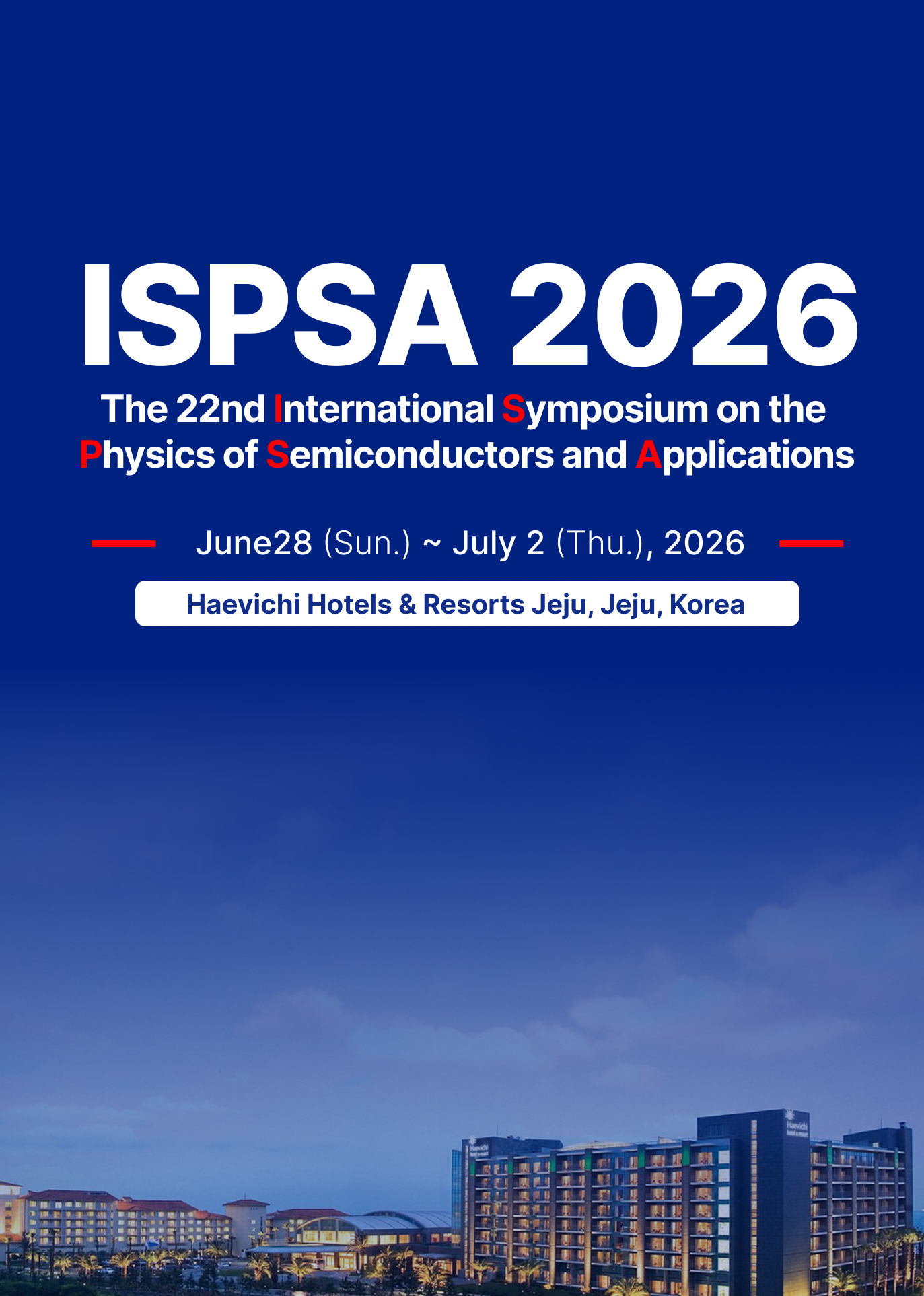
The 22nd International Symposium on the Physics of Semiconductors and Applications (ISPSA 2026) |
| 2026-06-28 ~ 2026-07-02 |

|
|
The 15th Asia-Pacific Conference on Transportation and the Environment (APTE 2026) |
| 2026-07-08 ~ 2026-07-10 |
Journal Promotion

|
| Acta Koreana (Acta Koreana) |
|
| Acta Via Serica (AVS) |

|
| Earthquakes and Structures, An International Journal (Earthquakes and Structures) |
|
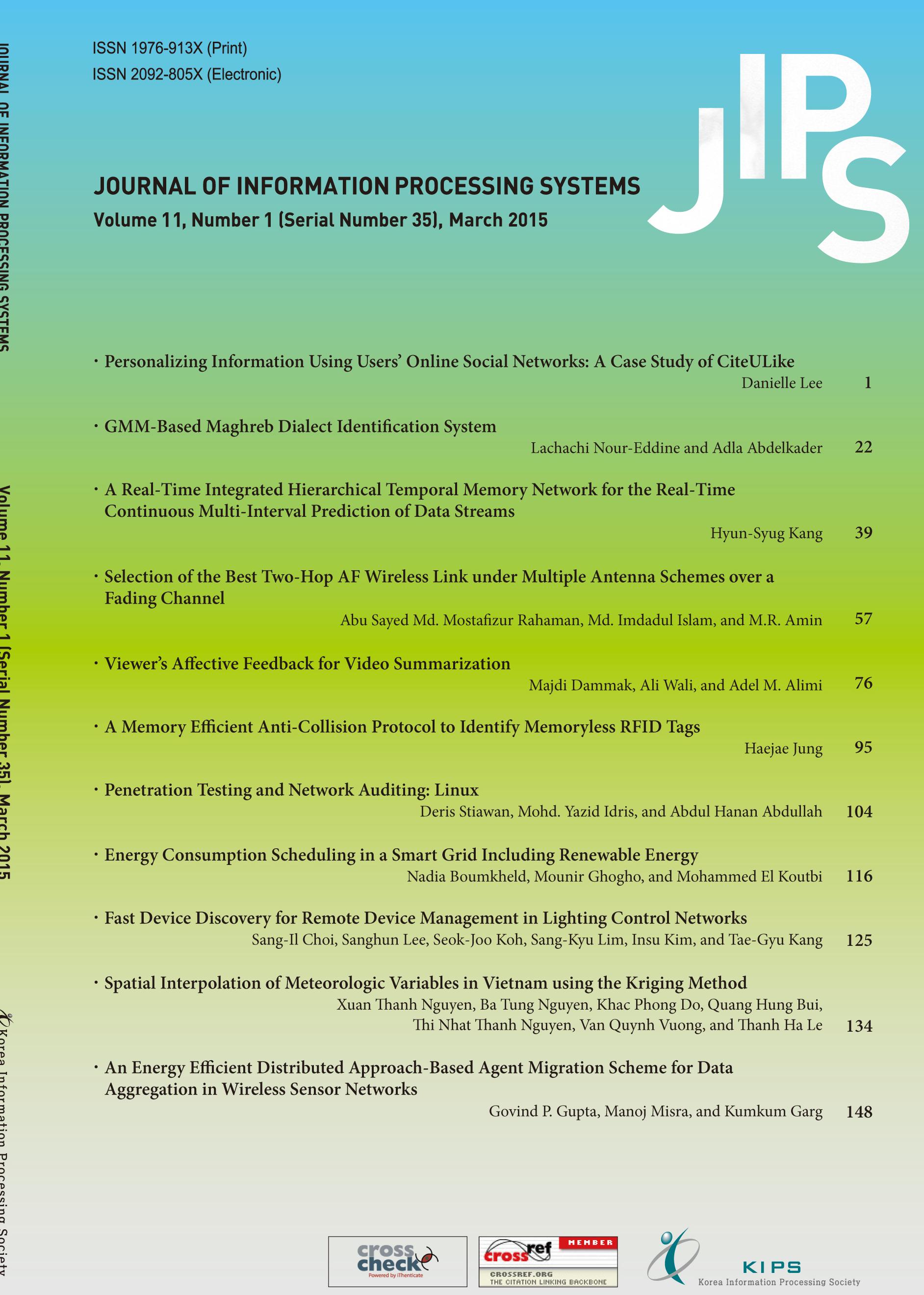
| Journal of Information Processing Systems (JIPS) |

|
| Journal of Internet Computing and Services (KSII - JICS) |
|
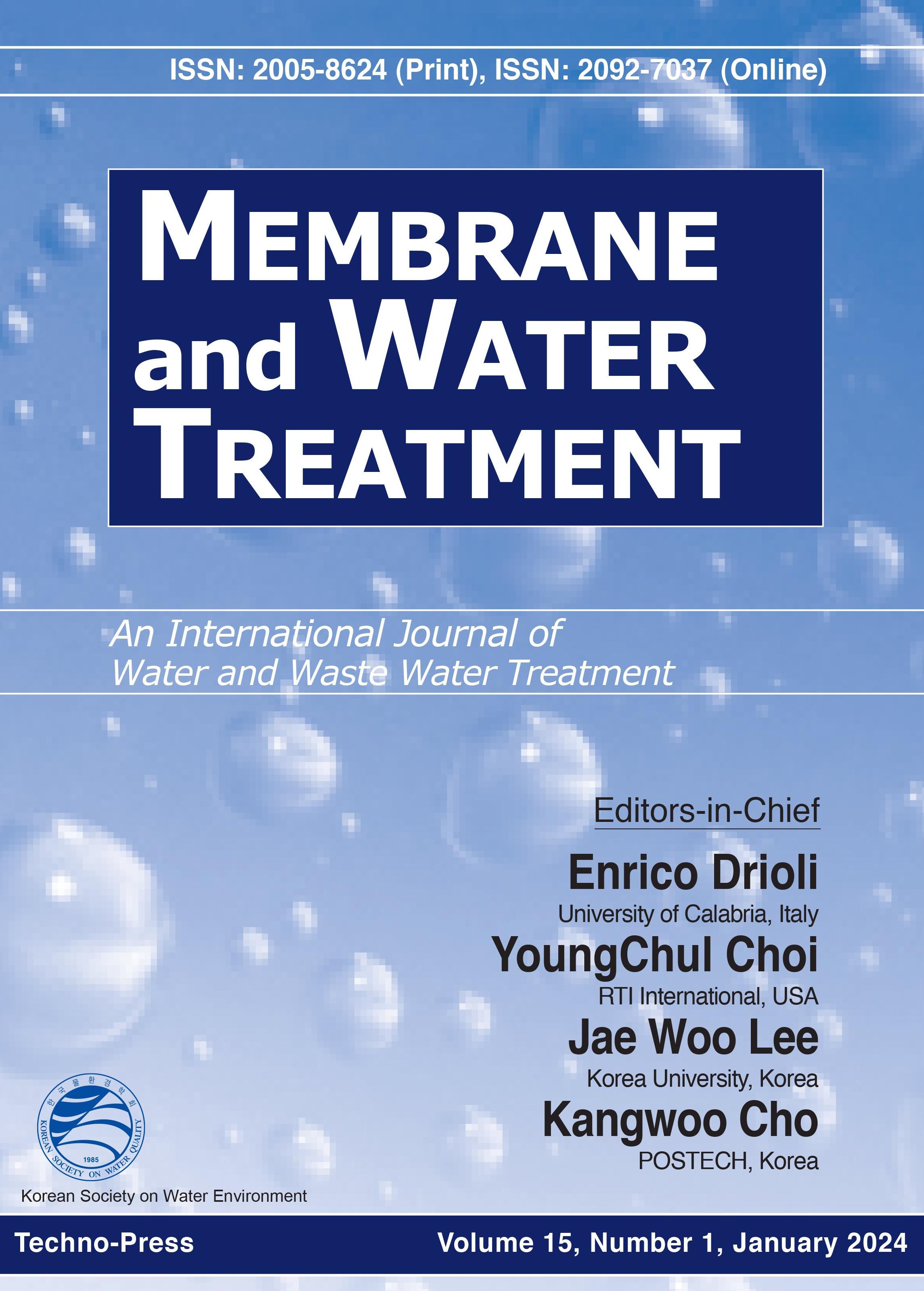
| Membrane and Water Treatment (MWT) |

|
| Smart Structures and Systems (Smart Structures and Systems) |




MANUSCRIPTLINK © 2015 -
