


30th AMSTERDAM International Congress on Agricultural & Food Engineering (AICAFE-26) July 6-8, 2026 Amsterdam (Netherlands)
AICAFE-26
- URL: https://eacbee.erpub.org/conference/210
- Event Date: 2026-07-06 ~ 2026-07-08
- Submission Date: 2026-07-01
- Organizer: EACBEE
- Location: Amsterdam, Netherlands
Call for papers/Topics
Topics of Interest for Submission include, but are Not Limited to:
1. Farm Machinery and Power Engineering
This area focuses on the design, operation, and maintenance of equipment used in primary production.
Tractor Systems and Controls: Engines, transmissions, and ergonomic design.
Tillage and Sowing Equipment: Plows, harrows, seed drills, and precision planters.
Plant Protection Equipment: Sprayers, dusters, and variable rate application (VRA) technology.
Harvesting and Threshing Machinery: Combine harvesters, fruit harvesters, and root crop diggers.
Renewable Energy in Agriculture: Solar pumps, wind energy, and biomass gasifiers.
2. Soil and Water Conservation Engineering
This branch deals with the management of natural resources to ensure long-term agricultural productivity.
Hydrology: Rainfall-runoff relationships and watershed management.
Irrigation Engineering: Drip, sprinkler, and surface irrigation system design.
Drainage Engineering: Surface and subsurface drainage systems for waterlogged lands.
Soil Erosion Control: Terracing, bunding, and vegetative barriers.
Groundwater Engineering: Well hydraulics, pumping systems, and recharge techniques.
3. Food Process Engineering
Focuses on the transformation of raw agricultural materials into value-added food products.
Unit Operations in Food Processing: Drying, milling, evaporation, and filtration.
Thermal Processing: Pasteurization, sterilization, blanching, and UHT processing.
Non-Thermal Processing: High-pressure processing (HPP), pulsed electric fields (PEF), and cold plasma.
Refrigeration and Cold Chain: Cold storage design, freezing techniques, and cryogenics.
Rheology and Texture: Flow behavior and physical properties of food materials.
4. Post-Harvest Technology
Concentrates on minimizing losses after harvest and maintaining the quality of produce.
Storage Engineering: Silos, warehouses, and controlled atmosphere (CA) storage.
Cleaning and Grading: Size, shape, and color sorting technologies.
Packaging Technology: Active packaging, intelligent packaging, and biodegradable materials.
Secondary Processing: Production of oils, flours, and fermented products.
By-product Utilization: Converting agricultural waste into animal feed or biofuel.
5. Aquacultural Engineering
The application of engineering principles to the cultivation of aquatic plants and animals.
Recirculating Aquaculture Systems (RAS): Filtration, aeration, and water treatment.
Pond Engineering: Design, construction, and liner materials.
Automation in Fisheries: Automatic feeders and water quality monitoring sensors.
6. Structures and Environmental Control
Design of specialized buildings for livestock and high-value crops.
Greenhouse Technology: Hydroponics, aeroponics, and climate control systems.
Livestock Housing: Ventilation, waste management, and thermal comfort for poultry, dairy, and swine.
Rural Building Materials: Low-cost, sustainable construction for agricultural storage.
7. Precision Agriculture and Digital Engineering
The "high-tech" frontier of modern farming.
Remote Sensing and GIS: Mapping soil health and crop vigor.
Drones (UAVs): Aerial imaging and targeted pesticide application.
Internet of Things (IoT): Real-time sensor networks for soil moisture and weather.
Artificial Intelligence: Machine learning for yield prediction and pest identification.
Event Promotion

|
|
The 13th International Conference on Quantum Dots (QD 2026) |
| 2026-05-17 ~ 2026-05-22 |
|
|
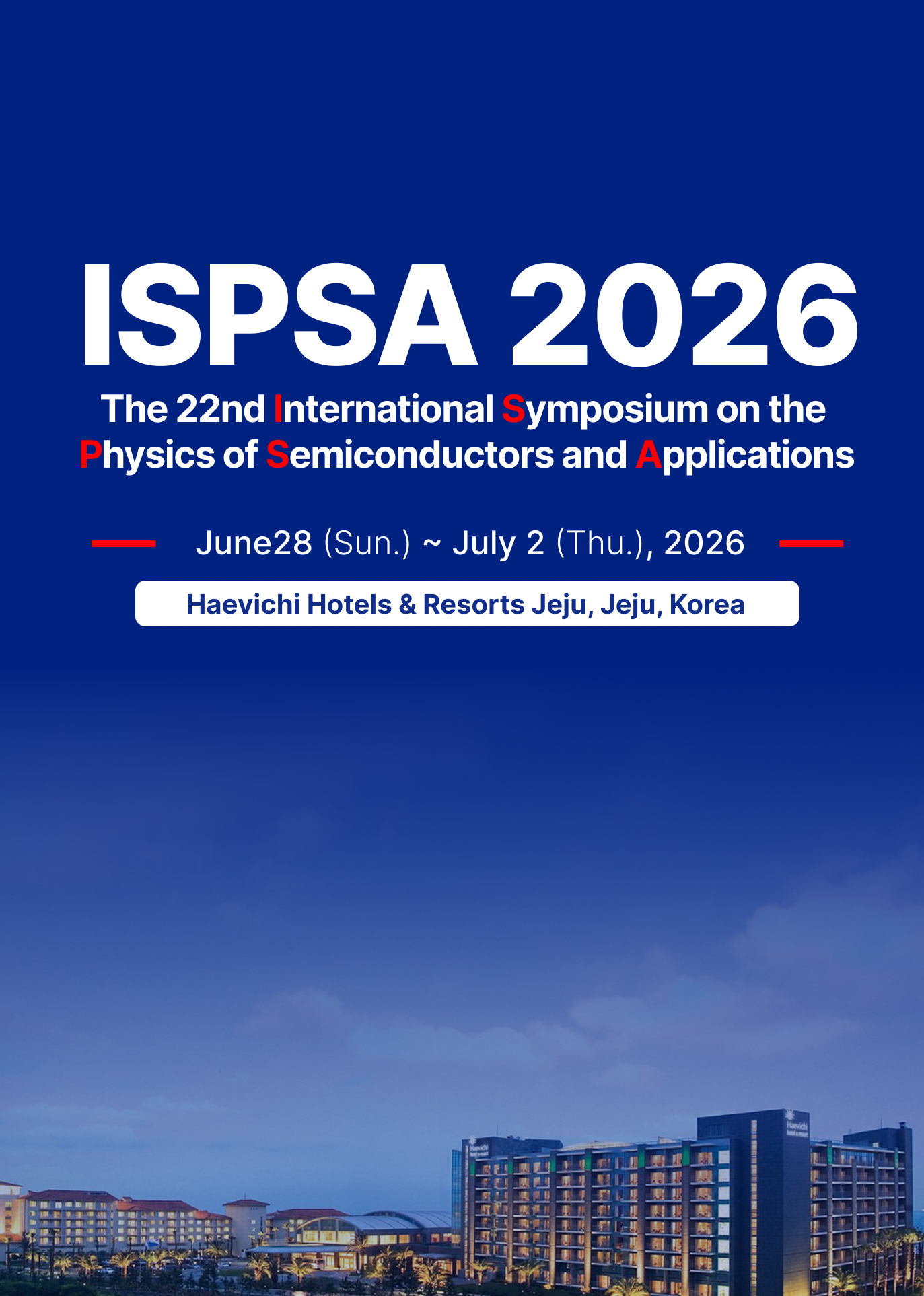
The 22nd International Symposium on the Physics of Semiconductors and Applications (ISPSA 2026) |
| 2026-06-28 ~ 2026-07-02 |

|
|
The 15th Asia-Pacific Conference on Transportation and the Environment (APTE 2026) |
| 2026-07-08 ~ 2026-07-10 |
|
|
ACEM26 / Structures26 (ACEM26) |
| 2026-08-24 ~ 2026-08-25 |
Journal Promotion

|
| Acta Koreana (Acta Koreana) |
|
| Acta Via Serica (AVS) |

|
| Computers and Concrete (Computers and Concrete) |

|
| Earthquakes and Structures, An International Journal (Earthquakes and Structures) |
|
| Geomechanics and Engineering (Geomechanics and Engineering) |

|
| Journal of Information Processing Systems (JIPS) |

|
| Journal of Internet Computing and Services (KSII - JICS) |

|
| Membrane and Water Treatment (MWT) |

|
| Smart Structures and Systems (Smart Structures and Systems) |
|
| Steel and Composite Structures, An International Journal (Steel and Composite Structures) |
|
| Structural Engineering and Mechanics, An International Journal (Structural Engineering and Mechanics) |

|
| Wind and Structures, An International Journal (Wind and Structures) |




MANUSCRIPTLINK © 2015 -
