


33rd LISBON International Conference on Nursing, Medical & Veterinary Sciences (LNMVS-26) Oct. 8-10, 2026 Lisbon (Portugal)
LNMVS-26
- URL: https://eacbee.erpub.org/conference/222
- Event Date: 2026-10-08 ~ 2026-10-10
- Submission Date: 2026-09-16
- Organizer: EACBEE
- Location: Lisbon, Portugal
Biomedical Technology Nursing Veterinary Medicine
Call for papers/Topics
Topics of Interest for Submission include, but are Not Limited to:
1. Foundational Sciences
These subjects provide the essential biological and chemical understanding required across all three fields.
Anatomy & Physiology: Comparative anatomy (differences between species) and systemic physiology.
Biochemistry & Molecular Biology: Metabolic pathways, genetic expression, and cellular function.
Microbiology & Immunology: Bacteriology, virology, mycology, and the body’s defense mechanisms.
Pathology: The study of disease processes, cell injury, and tissue repair.
Pharmacology: Pharmacokinetics ($PK$) and pharmacodynamics ($PD$), toxicology, and drug interactions.
2. Nursing Sciences
Nursing focuses on the holistic care of the patient, clinical management, and the human response to health conditions.
Clinical Nursing Specialties:
Medical-Surgical Nursing
Critical Care & Emergency Nursing
Pediatric & Neonatal Nursing
Geriatric Nursing
Obstetric & Gynecological Nursing
Nursing Theory & Ethics: Patient advocacy, nursing models (e.g., Orem, Nightingale), and bioethics.
Community & Public Health Nursing: Health promotion, disease prevention, and home health care.
Nursing Informatics: Managing data and technology to improve patient outcomes.
3. Medical Sciences
Medicine focuses primarily on the diagnosis, treatment, and prevention of human disease.
Internal Medicine: Cardiology, Endocrinology, Gastroenterology, Nephrology, and Pulmonology.
Surgical Sciences: General surgery, Orthopedics, Neurosurgery, and Anesthesiology.
Diagnostic Sciences: Radiology (imaging), Hematology, and Clinical Chemistry.
Psychiatry & Behavioral Health: Mental health disorders and psychotherapy.
Preventive Medicine: Epidemiology and lifestyle medicine.
4. Veterinary Sciences
Veterinary medicine addresses the health of all non-human animal species, from pets to livestock and wildlife.
Small Animal Medicine: Canines, felines, and avian/exotic pets.
Large Animal & Production Medicine: Equine, bovine, porcine, and small ruminants (sheep/goats).
Veterinary Surgery: Soft tissue, orthopedic, and specialized equine surgery.
Zoological & Wildlife Medicine: Conservation medicine and rehabilitation.
Theriogenology: Animal reproduction and obstetrics.
5. Interrelated Topics
The modern scientific community increasingly views these fields as a single ecosystem known as One Health.
Zoonotic Diseases: Diseases that jump from animals to humans (e.g., Rabies, Avian Flu, Ebola).
Antimicrobial Resistance (AMR): How antibiotic use in both livestock and human medicine affects global drug efficacy.
Comparative Medicine: Using animal models to understand human diseases and vice-versa.
Epidemiology & Biostatistics: Tracking disease outbreaks across populations (human or animal).
Bioethics & Animal Welfare: The ethics of clinical trials, animal testing, and end-of-life care.
Global Health Security: Food safety, food security, and international health regulations.
Event Promotion

|
|
The 13th International Conference on Quantum Dots (QD 2026) |
| 2026-05-17 ~ 2026-05-22 |
|
|
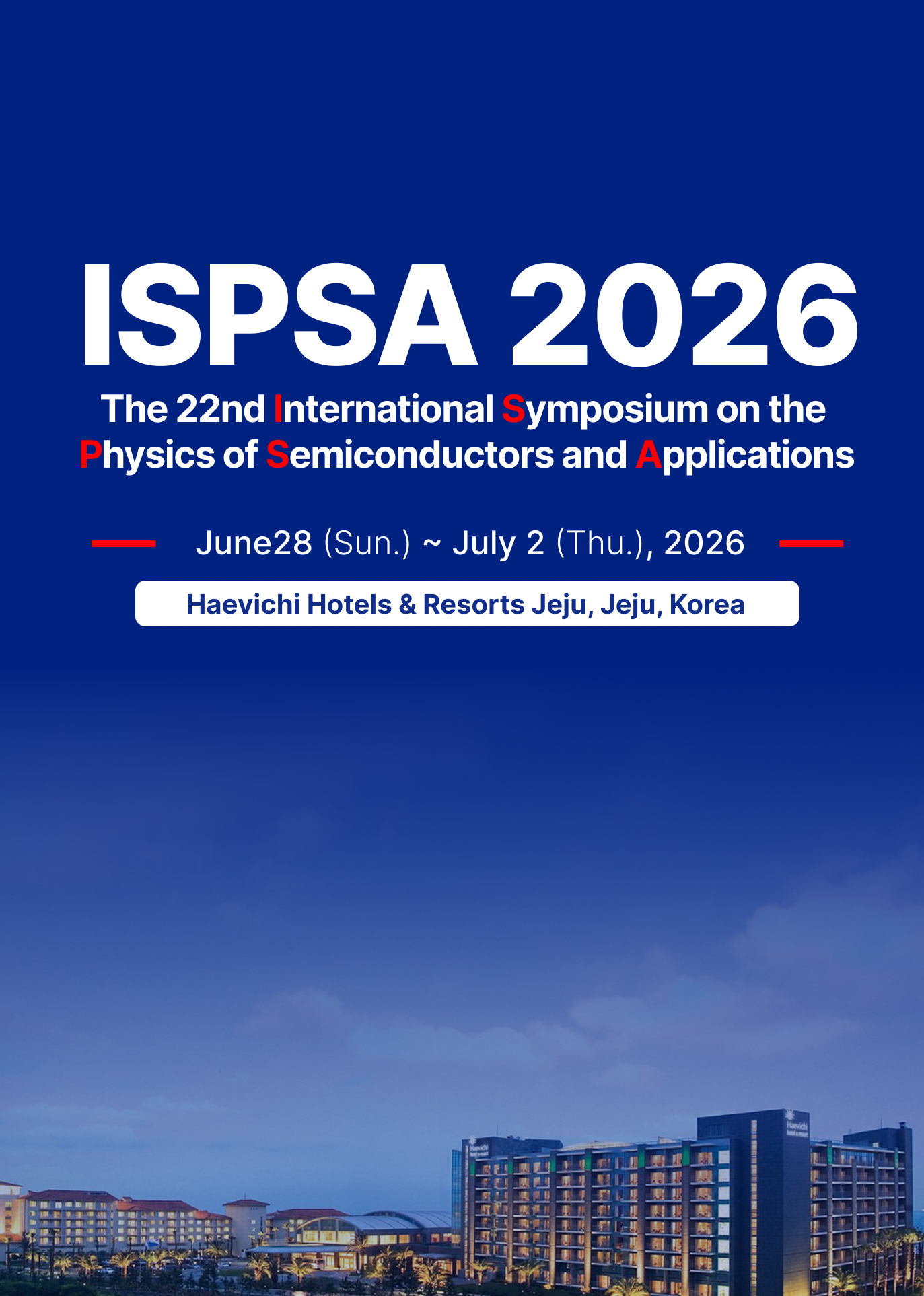
The 22nd International Symposium on the Physics of Semiconductors and Applications (ISPSA 2026) |
| 2026-06-28 ~ 2026-07-02 |

|
|
The 15th Asia-Pacific Conference on Transportation and the Environment (APTE 2026) |
| 2026-07-08 ~ 2026-07-10 |

|
|
ACEM26 / Structures26 (ACEM26) |
| 2026-08-24 ~ 2026-08-25 |
Journal Promotion
|
| Acta Koreana (Acta Koreana) |

|
| Acta Via Serica (AVS) |

|
| Advances in Concrete Construction (Advances in Concrete Construction ) |

|
| Advances in Nano Research (Advances in Nano Research) |

|
| Computers and Concrete (Computers and Concrete) |

|
| Earthquakes and Structures, An International Journal (Earthquakes and Structures) |
|
| Geomechanics and Engineering (Geomechanics and Engineering) |
|
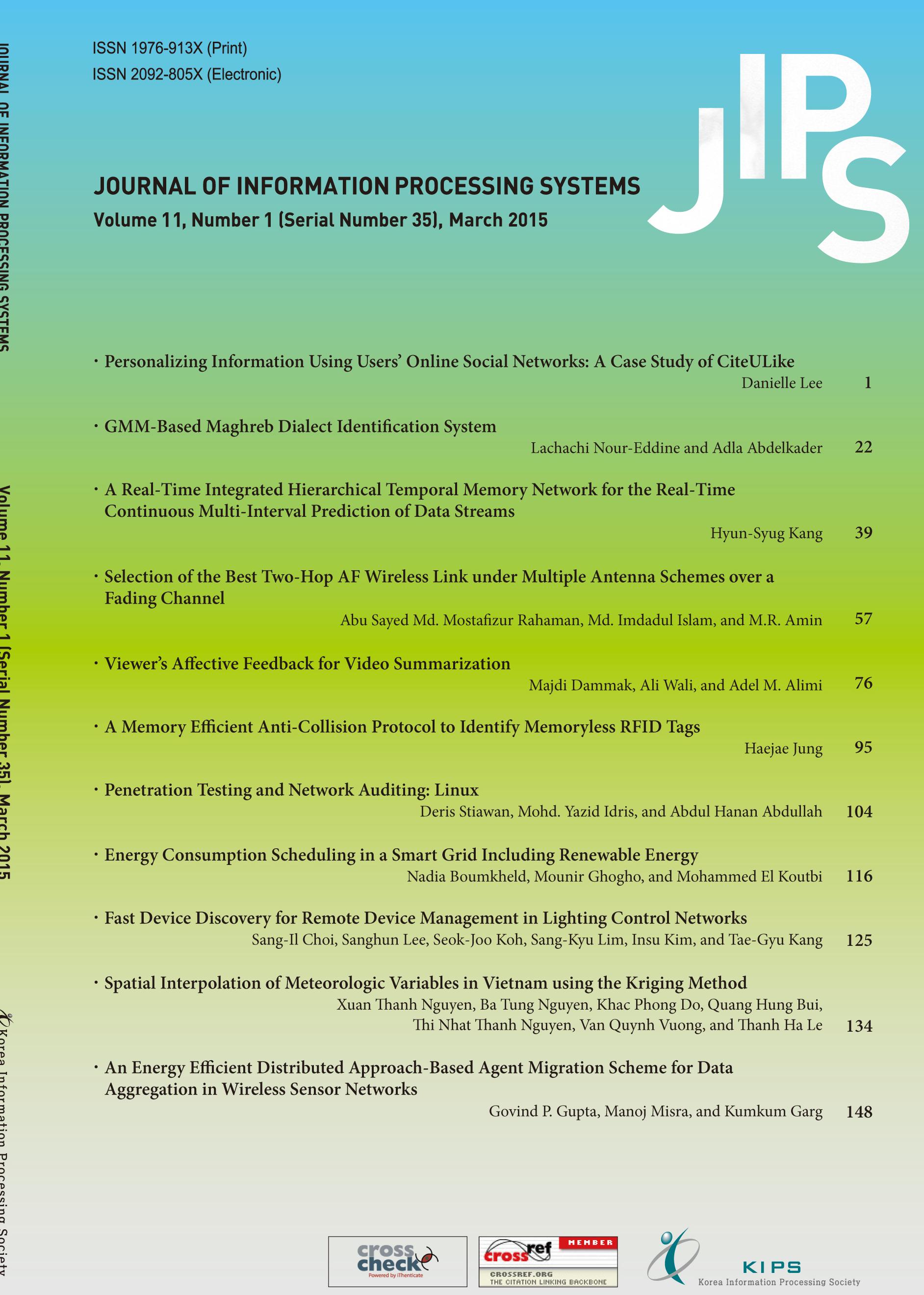
| Journal of Information Processing Systems (JIPS) |

|
| Journal of Internet Computing and Services (KSII - JICS) |
|
| Membrane and Water Treatment (MWT) |
|
| Smart Structures and Systems (Smart Structures and Systems) |
|
| Steel and Composite Structures, An International Journal (Steel and Composite Structures) |
|
| Structural Engineering and Mechanics, An International Journal (Structural Engineering and Mechanics) |
|
| Wind and Structures, An International Journal (Wind and Structures) |




MANUSCRIPTLINK © 2015 -
