


54th LISBON World Conference on Artificial Intelligence: Challenges, Applications & Impacts (LAICAI-26) Oct. 8-10, 2026 Lisbon (Portugal)
LAICAI-26
- URL: https://fenp.org/conference/351
- Event Date: 2026-10-08 ~ 2026-10-10
- Submission Date: 2026-09-17
- Organizer: FENP
- Location: Lisbon, Portugal
Call for papers/Topics
Topics of interest for submission include any topics related to:
1. Core Foundations
Before diving into impacts, these topics define the capabilities of the system.
Machine Learning (ML): Supervised, unsupervised, and reinforcement learning.
Deep Learning: Neural networks, CNNs (vision), and RNNs (sequences).
Generative AI: Large Language Models (LLMs), diffusion models, and synthetic media.
Natural Language Processing (NLP): Sentiment analysis, translation, and semantic understanding.
Computer Vision: Image recognition, spatial awareness, and video analysis.
2. Key Applications
AI is no longer theoretical; it is embedded in global infrastructure.
Healthcare:
AI-driven diagnostics and medical imaging.
Drug discovery and genomic sequencing.
Personalized treatment plans.
Finance:
Algorithmic trading and risk assessment.
Fraud detection and automated credit scoring.
Transportation & Logistics:
Autonomous vehicles and drone delivery.
Supply chain optimization and predictive maintenance.
Creative Industries:
AI-generated art, music, and literature.
Automated video editing and game design.
3. Major Challenges
These are the technical and structural hurdles preventing "perfect" AI integration.
Technical Limitations:
Hallucinations: LLMs generating confident but false information.
Data Scarcity/Quality: The "garbage in, garbage out" problem.
Explainability (Black Box Problem): The difficulty in understanding how an AI reached a specific decision.
Security Vulnerabilities:
Adversarial Attacks: Inputting data designed to trick AI models.
Model Inversion: Privacy leaks where training data can be extracted.
4. Ethical & Philosophical Impacts
This is where AI intersects with human values and social structures.
Bias and Fairness:
Algorithmic bias (racial, gender, and socioeconomic prejudices in data).
The digital divide: Who gets access to AI first?
Labor and Economy:
Job displacement vs. job augmentation.
The transition to an "AI-first" workforce and reskilling needs.
Governance and Law:
Copyright and IP ownership of AI-generated content.
Regulation (e.g., EU AI Act) and international AI safety standards.
Existential Risks & Safety:
Alignment Problem: Ensuring AI goals match human values.
Superintelligence and long-term safety concerns.
5. Interrelated Themes
These topics bridge multiple categories simultaneously.
Environmental Impact: The massive energy consumption of training models (Application vs. Sustainability).
Human-AI Interaction: How reliance on AI affects human cognition and social skills (Impact vs. Design).
Data Privacy: The tension between needing massive datasets for accuracy and protecting individual rights (Challenge vs. Ethics).
Event Promotion

|
|
The 13th International Conference on Quantum Dots (QD 2026) |
| 2026-05-17 ~ 2026-05-22 |
|
|
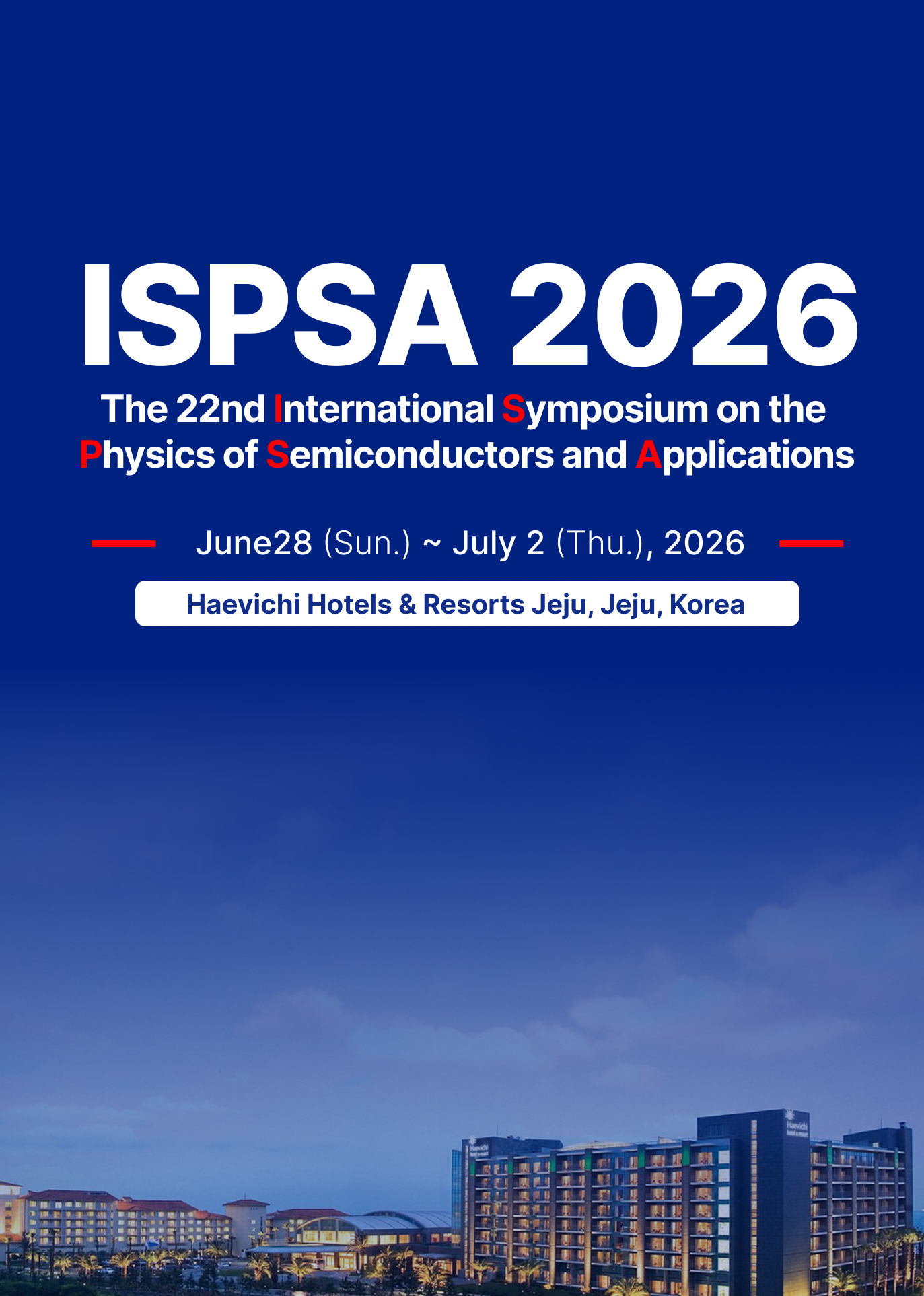
The 22nd International Symposium on the Physics of Semiconductors and Applications (ISPSA 2026) |
| 2026-06-28 ~ 2026-07-02 |

|
|
The 15th Asia-Pacific Conference on Transportation and the Environment (APTE 2026) |
| 2026-07-08 ~ 2026-07-10 |
|
|
ACEM26 / Structures26 (ACEM26) |
| 2026-08-24 ~ 2026-08-25 |
Journal Promotion
|
| Acta Koreana (Acta Koreana) |
|
| Acta Via Serica (AVS) |

|
| Advances in Concrete Construction (Advances in Concrete Construction ) |

|
| Advances in Nano Research (Advances in Nano Research) |
|
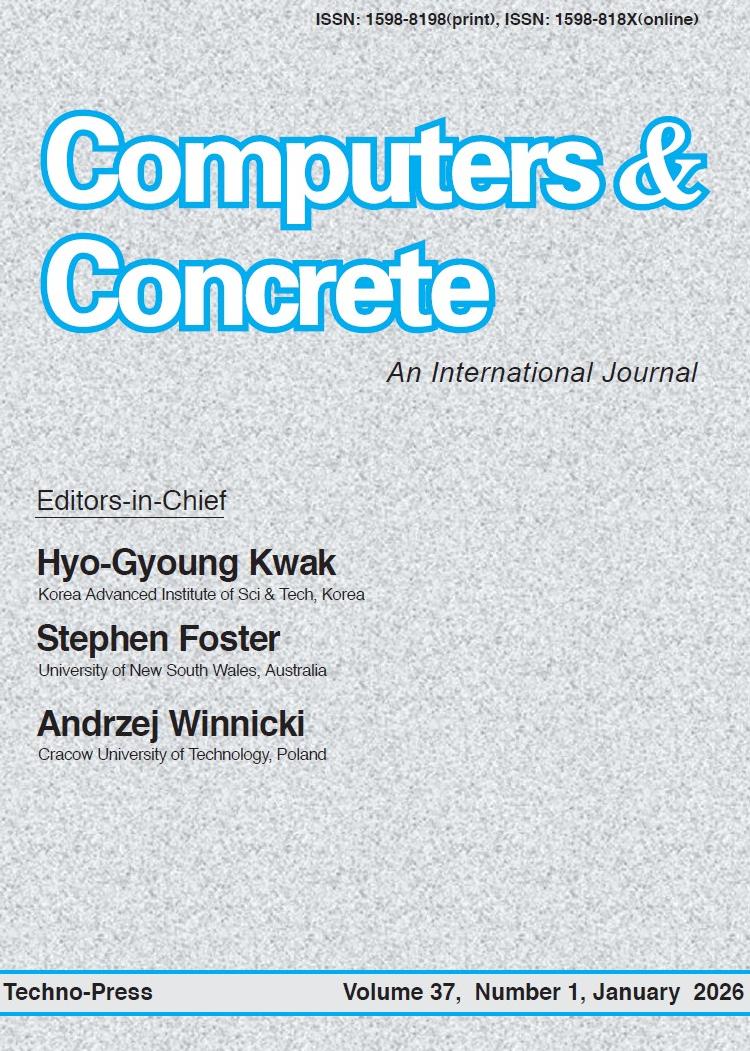
| Computers and Concrete (Computers and Concrete) |
|
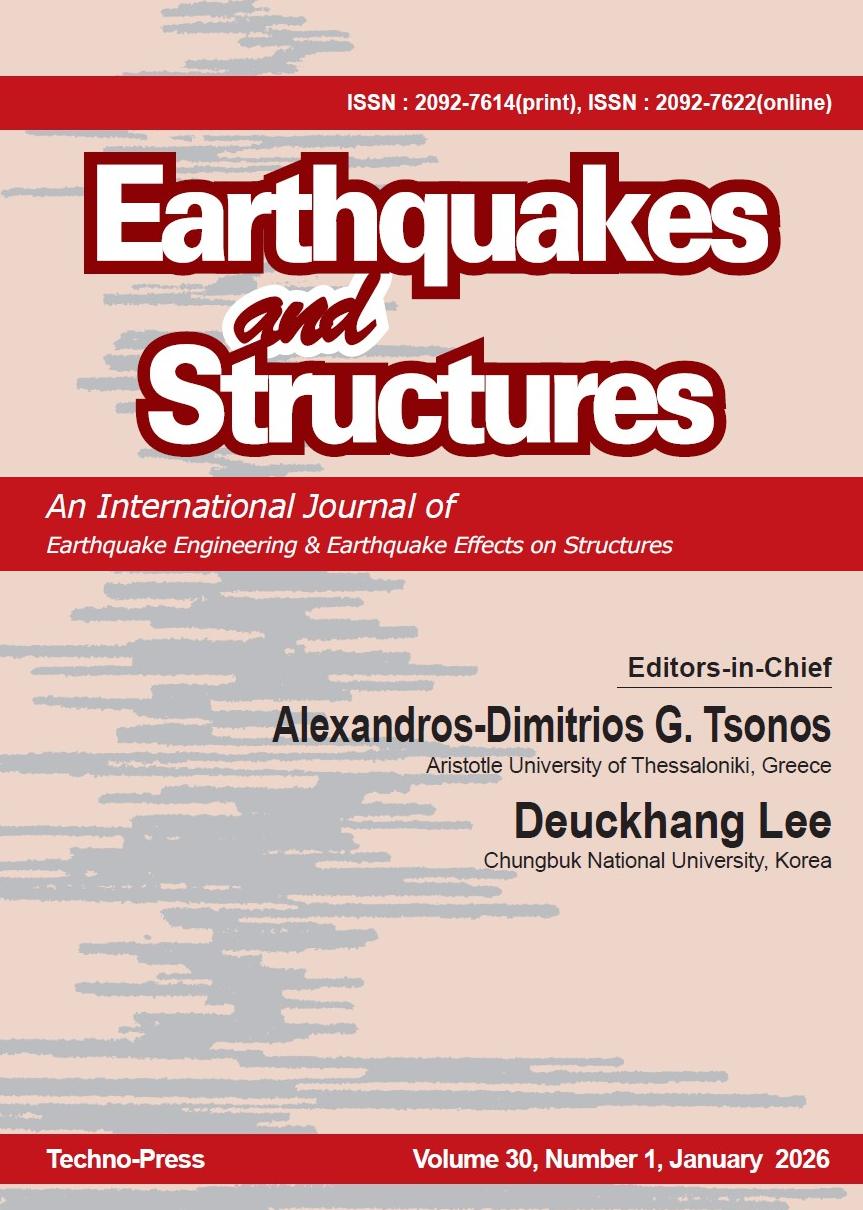
| Earthquakes and Structures, An International Journal (Earthquakes and Structures) |
|
| Geomechanics and Engineering (Geomechanics and Engineering) |
|
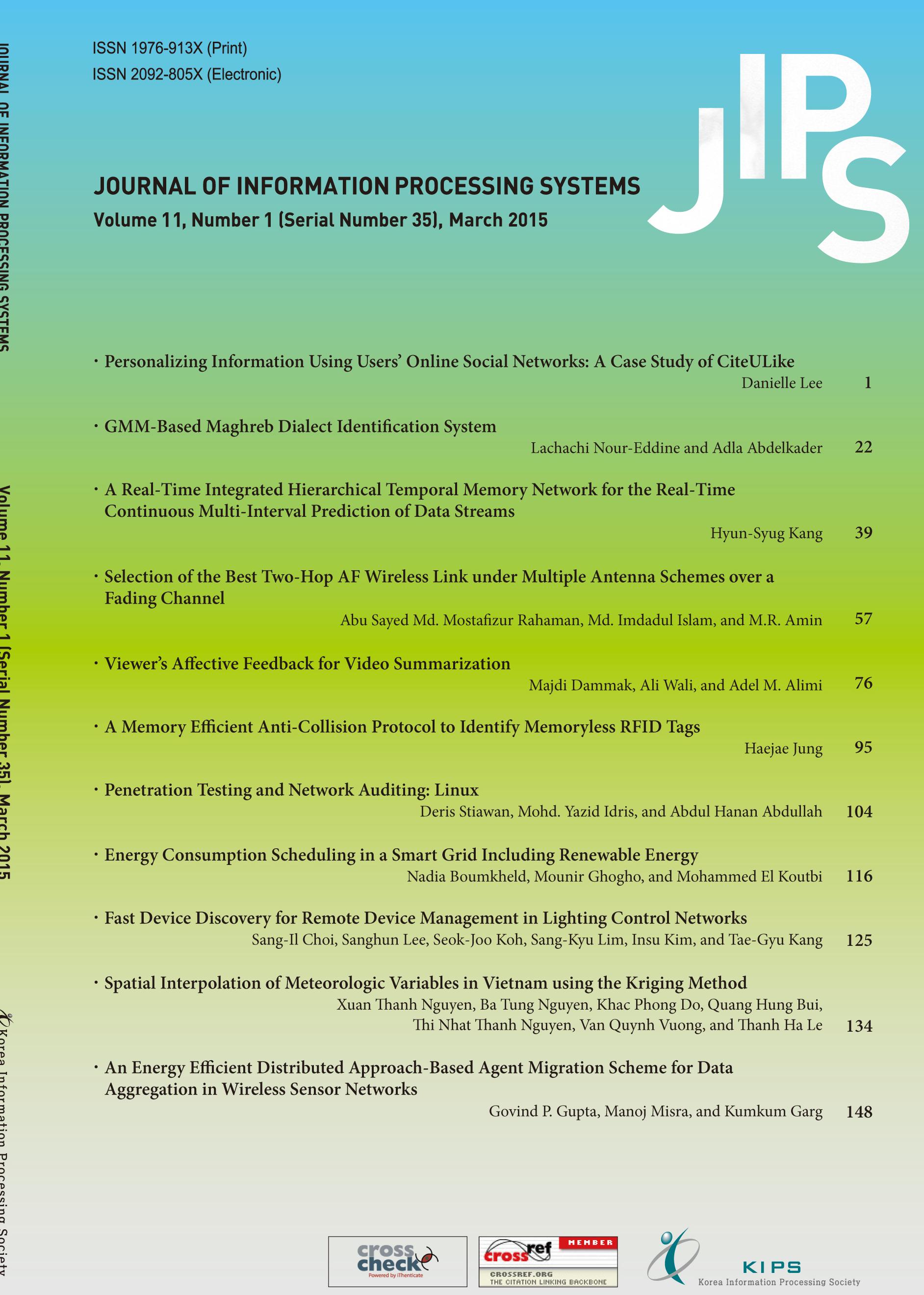
| Journal of Information Processing Systems (JIPS) |

|
| Journal of Internet Computing and Services (KSII - JICS) |

|
| Membrane and Water Treatment (MWT) |

|
| Smart Structures and Systems (Smart Structures and Systems) |

|
| Steel and Composite Structures, An International Journal (Steel and Composite Structures) |
|
| Structural Engineering and Mechanics, An International Journal (Structural Engineering and Mechanics) |

|
| Wind and Structures, An International Journal (Wind and Structures) |




MANUSCRIPTLINK © 2015 -
