


36th ISTANBUL International Congress on Animal, Fisheries & Veterinary Sciences (IAFVS-26) scheduled on April 29-May 1, 2026 Istanbul (Türkiye)
IAFVS-26
- URL: https://urebe.urst.org/conference/170
- Event Date: 2026-04-29 ~ 2026-05-01
- Submission Date: 2026-04-09
- Organizer: UREBE
- Location: Istanbul, Turkey
Veterinary Medicine Animal Husbandry
Call for Papers: IAFVS-26
Full Articles/ Reviews/ Shorts Papers/ Abstracts are welcomed in the following research fields.
This combined field covers the biology, health, production, and management of both terrestrial and aquatic animals, focusing on the human-animal relationship, food security, and public health.
Here are the topics and subtopics related to Animal, Fisheries, and Veterinary Sciences:
Animal Sciences
This focuses on the science and business of producing domestic livestock and companion animals.
Animal Production and Management
Livestock Systems: Beef, Dairy, Swine (Pigs), Poultry (Chicken, Turkey), Small Ruminants (Sheep, Goats).
Equine Science: Breeding, training, and care of horses.
Companion Animals: Nutrition, behavior, and welfare of pets (dogs, cats, small mammals).
Management Practices: Housing design, environmental control, waste management, and sustainable farming.
Animal Physiology and Nutrition
Digestive Systems: Comparative anatomy and function (monogastric vs. ruminant).
Reproductive Physiology (Theriogenology): Endocrinology, artificial insemination (AI), in-vitro fertilization (IVF), and reproductive technologies.
Animal Nutrition: Feed formulation, metabolism, nutrient requirements, and the development of alternative proteins (e.g., insect-based, algae-based) for feed.
Growth and Development: Muscle, bone, and fat deposition.
Animal Genetics and Breeding
Quantitative Genetics: Heritability, selection indexes, and genetic improvement programs.
Molecular Genetics: Genomics, transcriptomics, and genetic engineering for disease resistance and improved production traits.
Livestock Genomics: Using genetic markers for personalized animal medicine and breeding.
Animal Behavior and Welfare
Ethology: Studying natural behavior, social structure, and cognition.
Welfare Assessment: Methods to measure stress, pain, and quality of life, including ethical standards and legislation.
Precision Livestock Farming (PLF): Using wearable devices (e.g., smart collars) and sensors to monitor health, activity, and behavior in real-time.
Fisheries & Aquaculture
This section deals with the cultivation of aquatic organisms (aquaculture) and the management of wild aquatic populations (fisheries).
Aquaculture (Farming)
Culture Systems: Recirculating Aquaculture Systems (RAS), pond culture, cage culture, and mariculture (saltwater farming).
Species Culture: Finfish (Salmon, Tilapia, Catfish), Shellfish (Oysters, Shrimp), and Aquatic Plants (Seaweed, Algae).
Water Quality Management: Maintaining optimal parameters (dissolved oxygen, pH, salinity, temperature) and controlling effluent/pollution.
Aquatic Animal Health: Disease prevention, diagnostics, and treatment in crowded farm environments.
Fisheries Science (Wild Stocks)
Stock Assessment: Population dynamics, modeling, and data collection (catch per unit effort) to determine Maximum Sustainable Yield (MSY).
Fisheries Management: Setting regulations, quotas, gear restrictions, and establishing Marine Protected Areas (MPAs).
Ecosystem-Based Management (EBM): Managing fishing activities by considering the entire ecosystem, not just the target species.
Seafood Technology and Sustainability
Traceability and Certification: Auditing supply chains (e.g., Marine Stewardship Council - MSC) to verify sustainable practices.
Post-Harvest Technology: Processing, preservation, quality control, and reducing post-harvest losses.
Blue Economy: Economic development strategies focused on sustainable ocean resources.
Veterinary Sciences (Medicine)
This covers the diagnosis, treatment, and prevention of disease in animals, spanning pets, livestock, and wildlife.
Core Medical Sciences
Veterinary Anatomy and Physiology: Detailed structure and function of animal systems.
Veterinary Pathology: Studying the causes and progression of disease (necropsy, histopathology).
Veterinary Pharmacology and Toxicology: Drug mechanisms, dosage, side effects, and environmental toxins.
Veterinary Microbiology: Bacteriology, virology (e.g., mRNA vaccines for animal diseases), and mycology.
Clinical Disciplines
Veterinary Medicine: Internal medicine (small and large animal), diagnostics, and infectious disease control.
Veterinary Surgery and Radiology: Anesthesiology, specialized soft tissue and orthopedic surgery, and diagnostic imaging (X-ray, MRI, Ultrasound).
Veterinary Dentistry and Ophthalmology: Specialized care for teeth, gums, and eyes.
Emergency and Critical Care Medicine (ECCM): Managing acute illness and trauma.
Public Health and Emerging Fields
Veterinary Epidemiology: The study of disease patterns, outbreak investigation, and risk analysis in animal populations.
One Health: The interdisciplinary collaboration between human, animal, and environmental health, particularly in the context of Zoonotic Diseases (diseases transmissible from animals to humans, like Avian Influenza or Rabies).
Veterinary Public Health: Food safety, meat and milk inspection, and control of animal-borne human diseases.
Regenerative Medicine: Stem cell applications and gene therapy for treating complex injuries and genetic defects in animals.
Event Promotion

|
|
The 13th International Conference on Quantum Dots (QD 2026) |
| 2026-05-17 ~ 2026-05-22 |

|
|
The 22nd International Symposium on the Physics of Semiconductors and Applications (ISPSA 2026) |
| 2026-06-28 ~ 2026-07-02 |

|
|
The 15th Asia-Pacific Conference on Transportation and the Environment (APTE 2026) |
| 2026-07-08 ~ 2026-07-10 |

|
|
ACEM26 / Structures26 (ACEM26) |
| 2026-08-24 ~ 2026-08-25 |
Journal Promotion
|
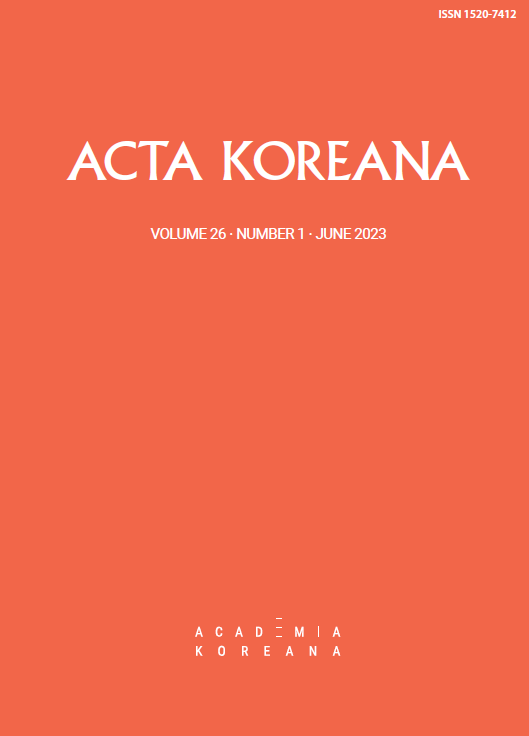
| Acta Koreana (Acta Koreana) |
|
| Acta Via Serica (AVS) |

|
| Advances in Concrete Construction (Advances in Concrete Construction ) |

|
| Advances in Nano Research (Advances in Nano Research) |

|
| Computers and Concrete (Computers and Concrete) |

|
| Earthquakes and Structures, An International Journal (Earthquakes and Structures) |

|
| Geomechanics and Engineering (Geomechanics and Engineering) |
|
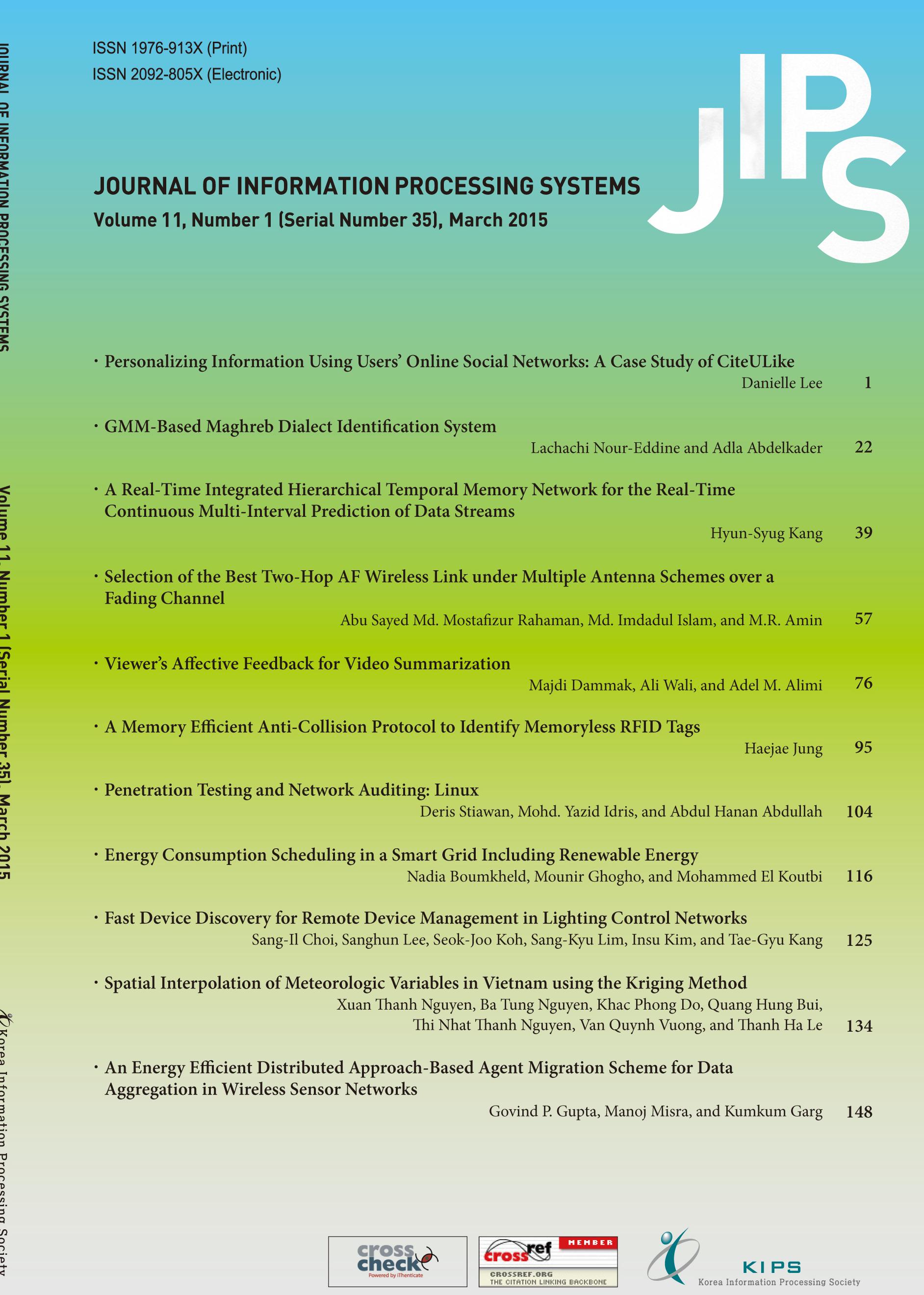
| Journal of Information Processing Systems (JIPS) |

|
| Journal of Internet Computing and Services (KSII - JICS) |
|
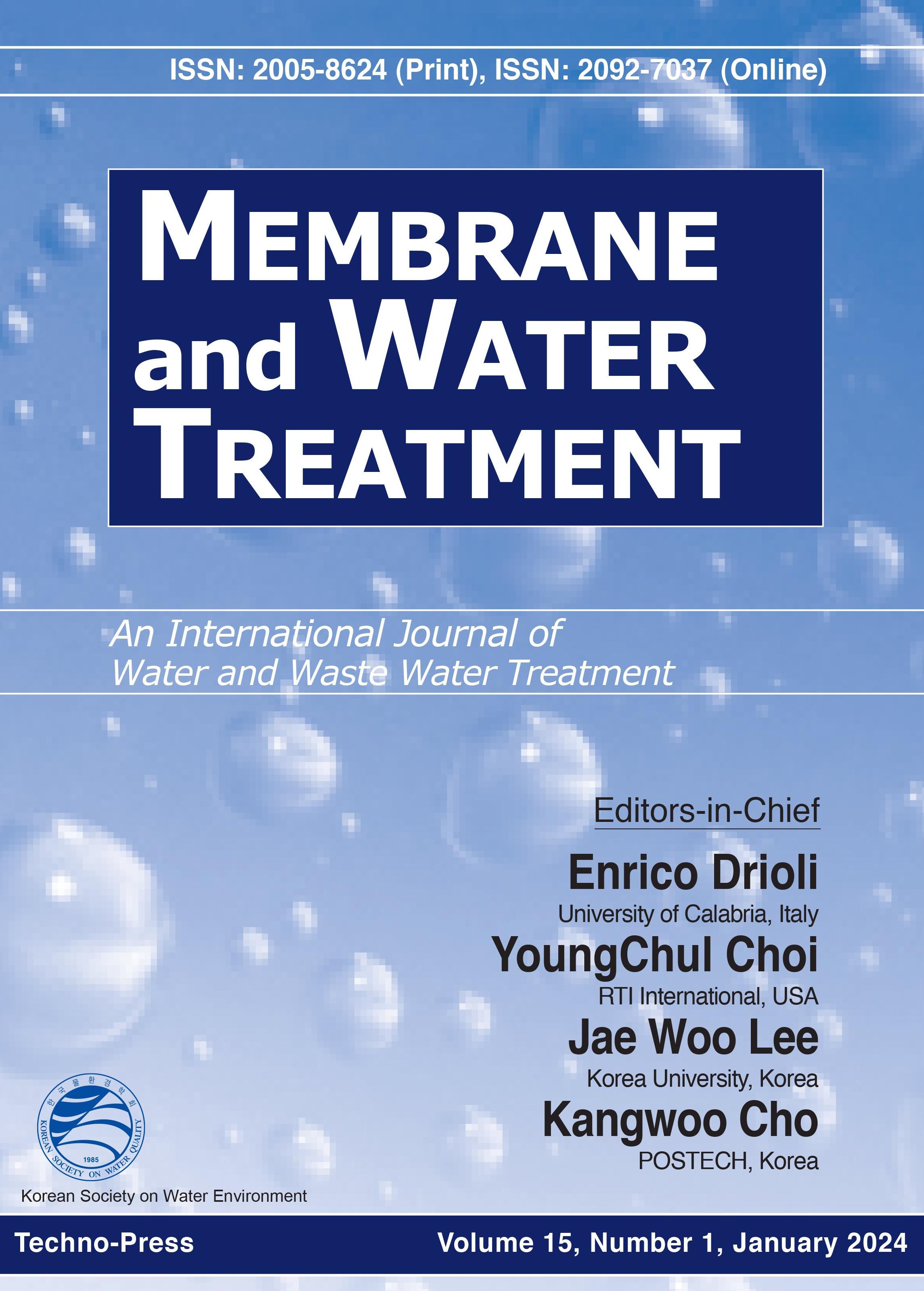
| Membrane and Water Treatment (MWT) |

|
| Smart Structures and Systems (Smart Structures and Systems) |

|
| Steel and Composite Structures, An International Journal (Steel and Composite Structures) |

|
| Structural Engineering and Mechanics, An International Journal (Structural Engineering and Mechanics) |
|
| Wind and Structures, An International Journal (Wind and Structures) |




MANUSCRIPTLINK © 2015 -
