


23rd PARIS International Conference on Advances in “Mechanical & Automobile Engineering” (PAMAE-26) June 24-26, 2026 Paris (France)
PAMAE-26
- URL: https://eamae.erpub.org/conference/207
- Event Date: 2026-06-24 ~ 2026-06-26
- Submission Date: 2026-06-01
- Organizer: EAMAE
- Location: Paris, France
Automation & Control Theory Mechanical Engineering Fluid Mechanics Quantum Mechanics
Call for papers/Topics
Topics of Interest for Submission include, but are Not Limited to:
1. Core Mechanical Engineering Foundations
These subjects form the bedrock of all mechanical systems, including vehicles.
Engineering Mechanics: Statics, Dynamics, Kinematics, and Kinetics.
Strength of Materials (Mechanics of Solids): Stress-strain relationships, Shear force and Bending moments, Torsion, Columns, and Trusses.
Thermodynamics: Laws of Thermodynamics, Entropy, Properties of pure substances, and Thermodynamic cycles (Otto, Diesel, Rankine).
Fluid Mechanics & Machinery: Fluid properties, Bernoulli’s equation, Flow through pipes, Hydraulic turbines, and Centrifugal pumps.
Theory of Machines (ToM): Mechanisms and Machines, Velocity and Acceleration analysis, Gears and Gear trains, Flywheels, and Governors.
Machine Design: Design of fasteners, shafts, couplings, bearings, and springs; Fatigue and Fracture mechanics.
2. Thermal and Energy Systems
This area focuses on how energy is converted into work.
Heat and Mass Transfer: Conduction, Convection, Radiation, and Heat exchangers.
Internal Combustion (I.C.) Engines: SI and CI engines, Engine components, Fuel injection systems, and Cooling and Lubrication.
Refrigeration and Air Conditioning (RAC): Vapour compression cycles, Psychrometry, and HVAC system design.
Power Plant Engineering: Steam power plants, Nuclear power, Gas turbines, and Hydroelectric power.
3. Manufacturing and Industrial Engineering
The "how-to" of building machines and managing production.
Manufacturing Processes: Casting, Forming (Forging, Rolling, Extrusion), Joining (Welding, Brazing), and Machining (Lathe, Milling, Drilling).
Material Science: Crystallography, Phase diagrams (Iron-Carbon), Heat treatment of metals, and Composite materials.
Metrology and Inspection: Linear and Angular measurements, Limits, Fits and Tolerances, and Surface finish.
Computer-Aided Design & Manufacturing (CAD/CAM): CNC programming, 3D Modeling (Finite Element Analysis - FEA), and Additive Manufacturing (3D Printing).
Industrial Engineering: Work study, Inventory management, Supply chain, and Quality control (Six Sigma, TQM).
4. Automobile Engineering Specializations
These topics focus specifically on the architecture and dynamics of vehicles.
Vehicle Architecture & Chassis: Frame types (Monocoque vs. Ladder), Body styles, and Aerodynamics.
Transmission Systems: Clutch mechanisms, Manual and Automatic gearboxes, CVT, Propeller shafts, and Differentials.
Steering and Suspension: Steering geometry (Ackermann, Castor, Camber), Power steering, Shock absorbers, and Independent suspension systems.
Braking Systems: Drum vs. Disc brakes, ABS (Anti-lock Braking System), EBD, and Regenerative braking.
Auto Electricals & Electronics: Battery technology, Alternators, ECU (Engine Control Unit), Sensors, and Infotainment systems.
5. Modern Automotive Trends
The current shift toward sustainability and intelligent transport.
Electric Vehicles (EVs): Battery Management Systems (BMS), Traction motors, Charging infrastructure, and Hybrid Electric Vehicles (HEVs).
Autonomous & Connected Vehicles: ADAS (Advanced Driver Assistance Systems), LiDAR/Radar integration, and Vehicle-to-Everything (V2X) communication.
Alternative Fuels: Hydrogen fuel cells, Biofuels, and CNG/LPG systems.
Vehicle Dynamics & Safety: Crash testing, Airbag systems, Vehicle rollover analysis, and NVH (Noise, Vibration, and Harshness).
6. Mechatronics and Robotics
The integration of mechanical systems with electronics and software.
Sensors and Actuators: Transducers, Solenoids, and Piezoelectric sensors.
Control Systems: PLC (Programmable Logic Controllers), Microprocessors, and Feedback loops.
Robotics: Robot anatomy, Kinematics (Forward and Inverse), and Industrial automation.
Event Promotion

|
|
The 13th International Conference on Quantum Dots (QD 2026) |
| 2026-05-17 ~ 2026-05-22 |
|
|
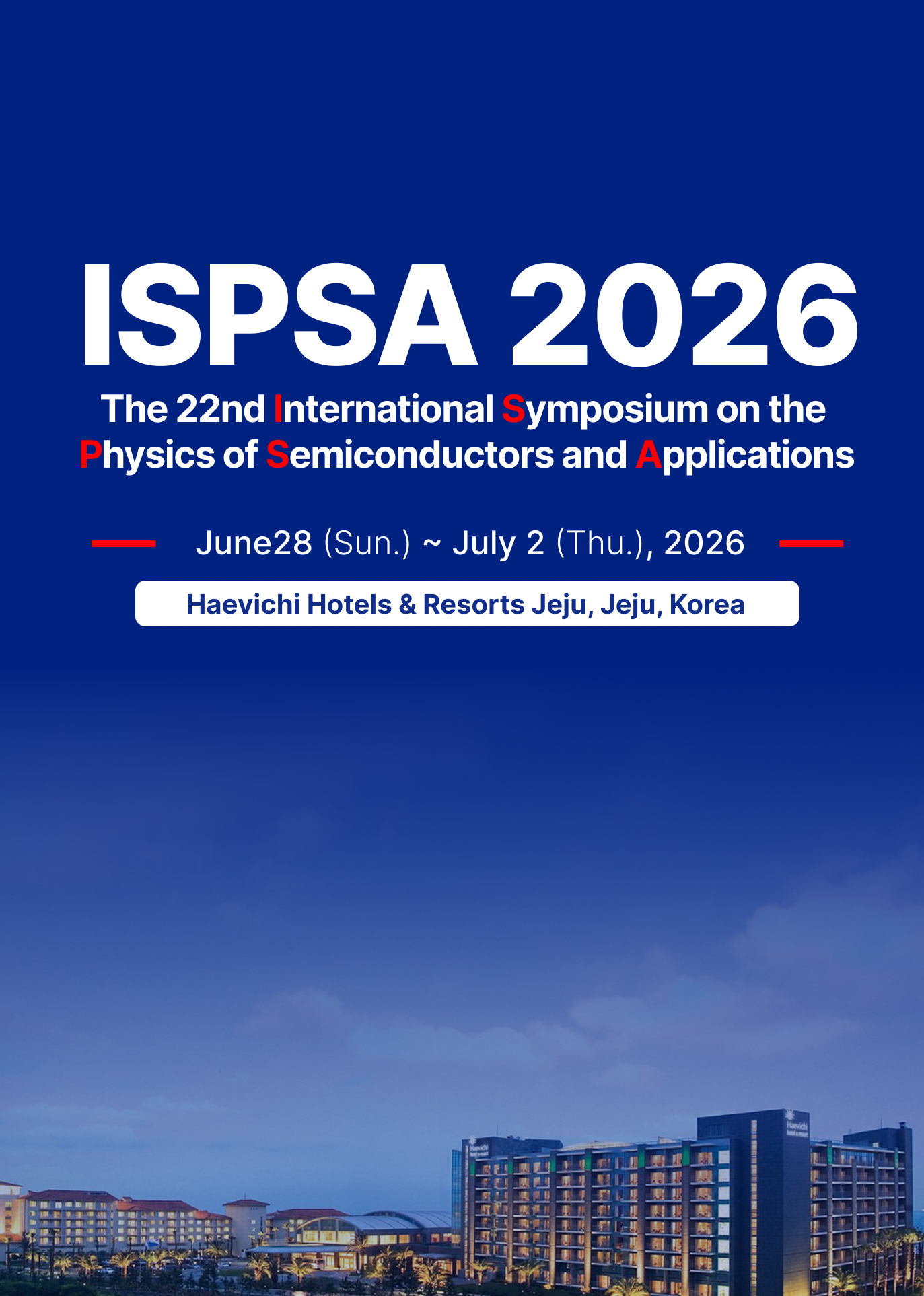
The 22nd International Symposium on the Physics of Semiconductors and Applications (ISPSA 2026) |
| 2026-06-28 ~ 2026-07-02 |

|
|
The 15th Asia-Pacific Conference on Transportation and the Environment (APTE 2026) |
| 2026-07-08 ~ 2026-07-10 |
Journal Promotion

|
| Acta Koreana (Acta Koreana) |
|
| Acta Via Serica (AVS) |
|
| Earthquakes and Structures, An International Journal (Earthquakes and Structures) |
|
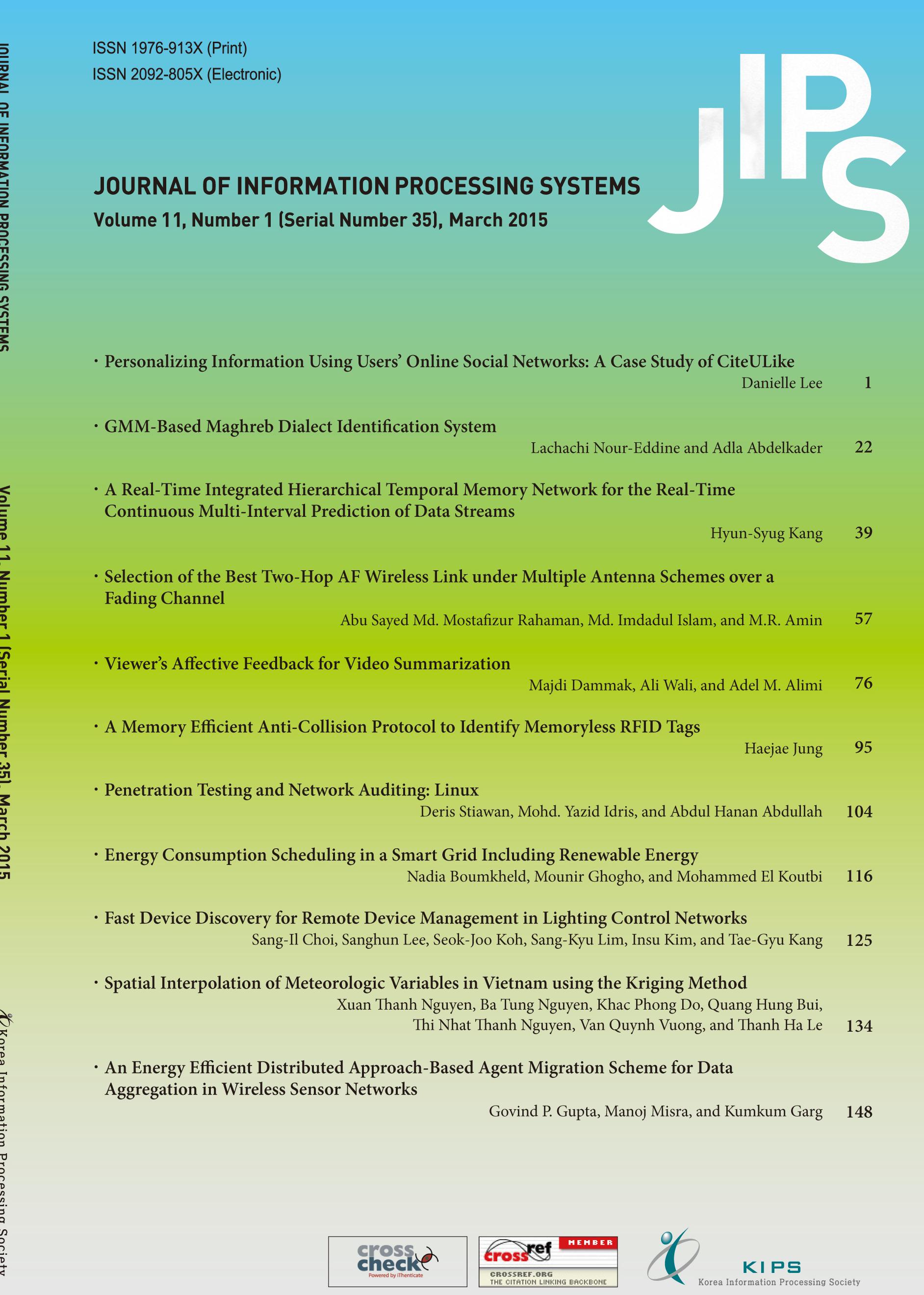
| Journal of Information Processing Systems (JIPS) |

|
| Journal of Internet Computing and Services (KSII - JICS) |
|
| Membrane and Water Treatment (MWT) |

|
| Smart Structures and Systems (Smart Structures and Systems) |




MANUSCRIPTLINK © 2015 -
