


42nd LISBON International Conference on Advances in Engineering & Technology (AEnggT-26) scheduled on Sept. 1-3, 2026 Lisbon (Portugal)
AEnggT-26
- URL: https://ureng.urst.org/conference/182
- Event Date: 2026-09-01 ~ 2026-09-03
- Submission Date: 2026-08-13
- Organizer: URENG
- Location: Lisbon, Portugal
Nanotechnology Structural Engineering
Call for Papers: AEnggT-26
All Abstracts, Reviews, short articles, Full articles, Posters are welcomed related with any of the following research fields:
1. Foundational Engineering Pillars
These are the traditional "big four" branches that serve as the bedrock for most technological advancements.
Civil & Structural Engineering
Structural Mechanics: Designing bridges, skyscrapers, and dams.
Geotechnical Engineering: Soil behavior and foundation stability.
Transportation Systems: Urban planning, highways, and rail networks.
Hydraulics & Water Resources: Fluid flow in pipes, irrigation, and waste management.
Mechanical Engineering
Thermodynamics: Heat transfer, energy conversion, and engines.
Robotics & Kinematics: The study of motion and automated machines.
Manufacturing Processes: CNC machining, 3D printing, and casting.
Materials Science: Stress, strain, and the properties of metals/polymers.
Electrical & Electronics Engineering
Power Systems: Grid management, high-voltage transmission, and renewables.
Control Systems: Feedback loops and automation logic.
Microelectronics: Circuit design, semiconductors, and VLSI.
Signal Processing: Filtering and analyzing data for communication.
Chemical Engineering
Reaction Engineering: Designing chemical reactors and catalysts.
Separation Processes: Distillation, filtration, and absorption.
Process Safety: Managing hazardous materials and industrial risks.
Biochemical Engineering: Using biological organisms for industrial production.
2. Information & Digital Technology
While often categorized under "Tech," these fields are heavily reliant on engineering logic and mathematical rigor.
Computer Science & Software Engineering
Algorithms & Data Structures: The efficiency of computation.
Artificial Intelligence: Machine learning, neural networks, and NLP.
Cybersecurity: Cryptography, network defense, and ethical hacking.
Cloud Computing: Distributed systems and serverless architecture.
Data Science & Analytics
Big Data Architecture: Handling petabyte-scale datasets.
Statistical Modeling: Predictive analytics and trend forecasting.
Data Visualization: Converting complex datasets into actionable insights.
3. Interrelated & Hybrid Disciplines
This is where the magic happens—where two or more independent fields merge to solve complex problems.
4. Systems & Management Engineering
These topics focus on how technology is integrated into the real world and managed effectively.
Systems Engineering: Managing the complexity of large-scale projects (e.g., a space station).
Industrial Engineering: Optimizing workflows, ergonomics, and supply chains.
Engineering Management: Leadership, project economics, and technical ethics.
Quality Assurance (QA): Six Sigma, Lean manufacturing, and reliability testing.
5. Emerging Tech Frontiers
These are the "wild card" topics currently reshaping the future of the industry.
Quantum Technology: Quantum computing, sensing, and communication.
Space Technology: Asteroid mining, satellite constellations, and terraforming.
Smart Cities: IoT integration, autonomous traffic management, and smart grids.
Synthetic Biology: Re-engineering organisms for new functions (Bio-foundries).
Event Promotion
|
|
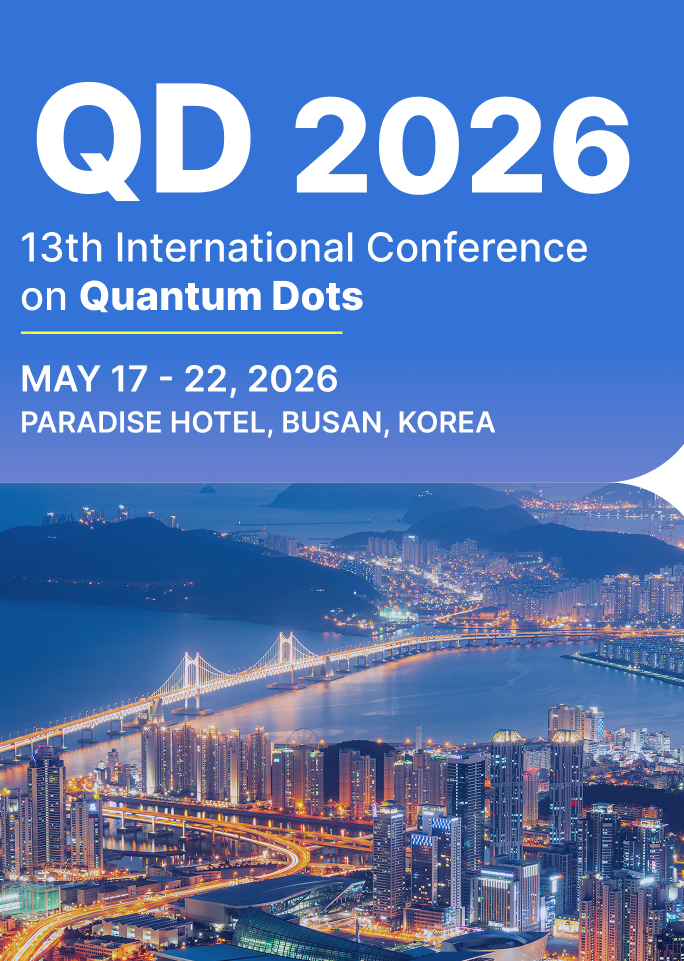
The 13th International Conference on Quantum Dots (QD 2026) |
| 2026-05-17 ~ 2026-05-22 |
|
|
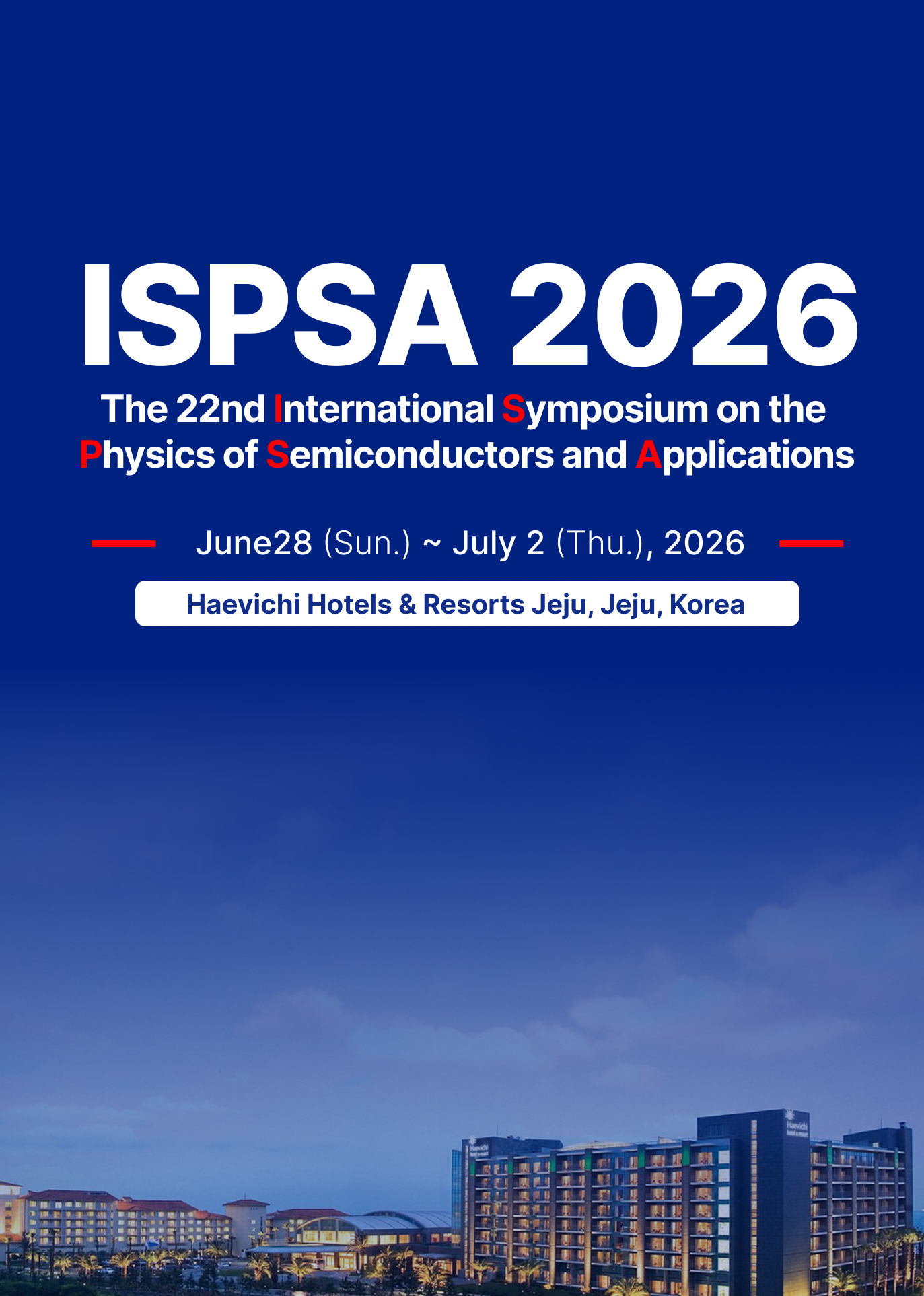
The 22nd International Symposium on the Physics of Semiconductors and Applications (ISPSA 2026) |
| 2026-06-28 ~ 2026-07-02 |

|
|
The 15th Asia-Pacific Conference on Transportation and the Environment (APTE 2026) |
| 2026-07-08 ~ 2026-07-10 |
|
|
ACEM26 / Structures26 (ACEM26) |
| 2026-08-24 ~ 2026-08-25 |
Journal Promotion

|
| Acta Koreana (Acta Koreana) |

|
| Acta Via Serica (AVS) |
|
| Advances in Concrete Construction (Advances in Concrete Construction ) |

|
| Advances in Nano Research (Advances in Nano Research) |
|
| Computers and Concrete (Computers and Concrete) |
|
| Earthquakes and Structures, An International Journal (Earthquakes and Structures) |
|
| Geomechanics and Engineering (Geomechanics and Engineering) |

|
| Journal of Information Processing Systems (JIPS) |

|
| Journal of Internet Computing and Services (KSII - JICS) |

|
| Membrane and Water Treatment (MWT) |

|
| Smart Structures and Systems (Smart Structures and Systems) |
|
| Steel and Composite Structures, An International Journal (Steel and Composite Structures) |
|
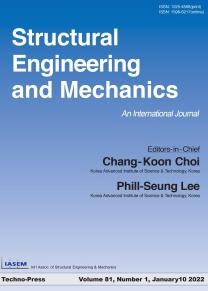
| Structural Engineering and Mechanics, An International Journal (Structural Engineering and Mechanics) |

|
| Wind and Structures, An International Journal (Wind and Structures) |




MANUSCRIPTLINK © 2015 -
