


5th PRAGUE International Congress on Green Chemical Engineering, Energy & Environmental Sciences (GCEE-2026) on July 27-29, 2026 Prague (Czech Republic)
GCEE-2026
- URL: https://etrg.org/conference/469
- Event Date: 2026-07-27 ~ 2026-07-29
- Submission Date: 2026-07-01
- Organizer: ETRG
- Location: Prague, Czech Republic
Analytical Chemistry Biochemistry Chemical & Material Sciences (General) Chemical Kinetics & Catalysis Medicinal Chemistry
Call for papers/Topics
Full Articles/ Reviews/ Shorts Papers/ Abstracts are welcomed in the following research fields:
1. Green Chemical Engineering
This pillar focuses on the "Twelve Principles of Green Chemistry" and the design of chemical processes that reduce or eliminate hazardous substances.
Green Synthesis & Reaction Engineering
Alternative Reaction Media: Ionic liquids, Deep Eutectic Solvents (DES), supercritical fluids (e.g., $scCO_2$), and "on-water" chemistry.
Catalysis: Homogeneous and heterogeneous catalysis, biocatalysis (enzymatic reactions), and organocatalysis.
New Synthetic Pathways: Photochemistry, electrosynthesis, and mechanochemistry (solvent-free grinding).
Process Intensification: Micro-reactors, continuous flow manufacturing, and multifunctional reactors.
Product Design & Material Science
Biodegradable Polymers: Design for degradation, bioplastics (PLA, PHA), and sustainable packaging.
Renewable Feedstocks: Biomass-to-chemicals, lignin valorization, and CO? as a C1 building block.
Inherently Safer Chemistry: Minimizing explosion risks and toxicity through chemical molecular design.
Green Metrics: Calculating Atom Economy, E-factor, and Process Mass Intensity (PMI).
2. Energy Sciences
This pillar focuses on the transition from fossil fuels to clean, renewable sources and the engineering required to store and transport that energy.
Renewable Energy Systems
Solar Energy: Next-generation photovoltaics (perovskites, organic PV) and concentrated solar power.
Hydrogen Economy: Green hydrogen production (electrolysis), hydrogen storage (hydrides, MOFs), and fuel cell engineering.
Bioenergy: First to fourth-generation biofuels, anaerobic digestion, and thermochemical conversion (pyrolysis/gasification).
Wind & Hydro: Turbine aerodynamics, offshore wind technology, and wave/tidal energy conversion.
Energy Storage & Management
Advanced Batteries: Solid-state batteries, lithium-sulfur, flow batteries, and sodium-ion technologies.
Supercapacitors: High-power density storage and carbon-based nanomaterials.
Thermal Energy Storage: Phase-change materials (PCMs) and sensible heat storage for industrial use.
Grid Integration: Smart grids, micro-grids, and power-to-X technologies.
3. Environmental Sciences & Engineering
This pillar focuses on monitoring, protecting, and restoring the natural environment using engineering tools.
Pollution Control & Remediation
Water & Wastewater Treatment: Membrane filtration (RO, FO), Advanced Oxidation Processes (AOPs), and desalination.
Air Quality Engineering: Carbon Capture, Utilization, and Storage (CCUS), VOC abatement, and NOx/SOx scrubbers.
Bioremediation: Using microbes or plants (phytoremediation) to clean contaminated soil and groundwater.
Waste Valorization: Circular economy models, plastic upcycling, and electronic waste (e-waste) recovery.
Sustainability Systems & Assessment
Life Cycle Assessment (LCA): Cradle-to-grave analysis of products and "Environmental Footprinting."
Industrial Ecology: Symbiosis where one industry's waste becomes another's raw material.
Climate Science: Atmospheric modeling, carbon cycle analysis, and ocean acidification studies.
Environmental Policy: Carbon pricing, environmental justice, and international sustainability protocols.
Emerging Cross-Disciplinary Trends
AI in Green Engineering: Machine learning for catalyst discovery and process optimization.
Nano-Environmental Science: Using nanomaterials for high-efficiency sensing and pollutant removal.
Urban Ecology: Sustainable city planning and green infrastructure.
Event Promotion

|
|
The 13th International Conference on Quantum Dots (QD 2026) |
| 2026-05-17 ~ 2026-05-22 |
|
|
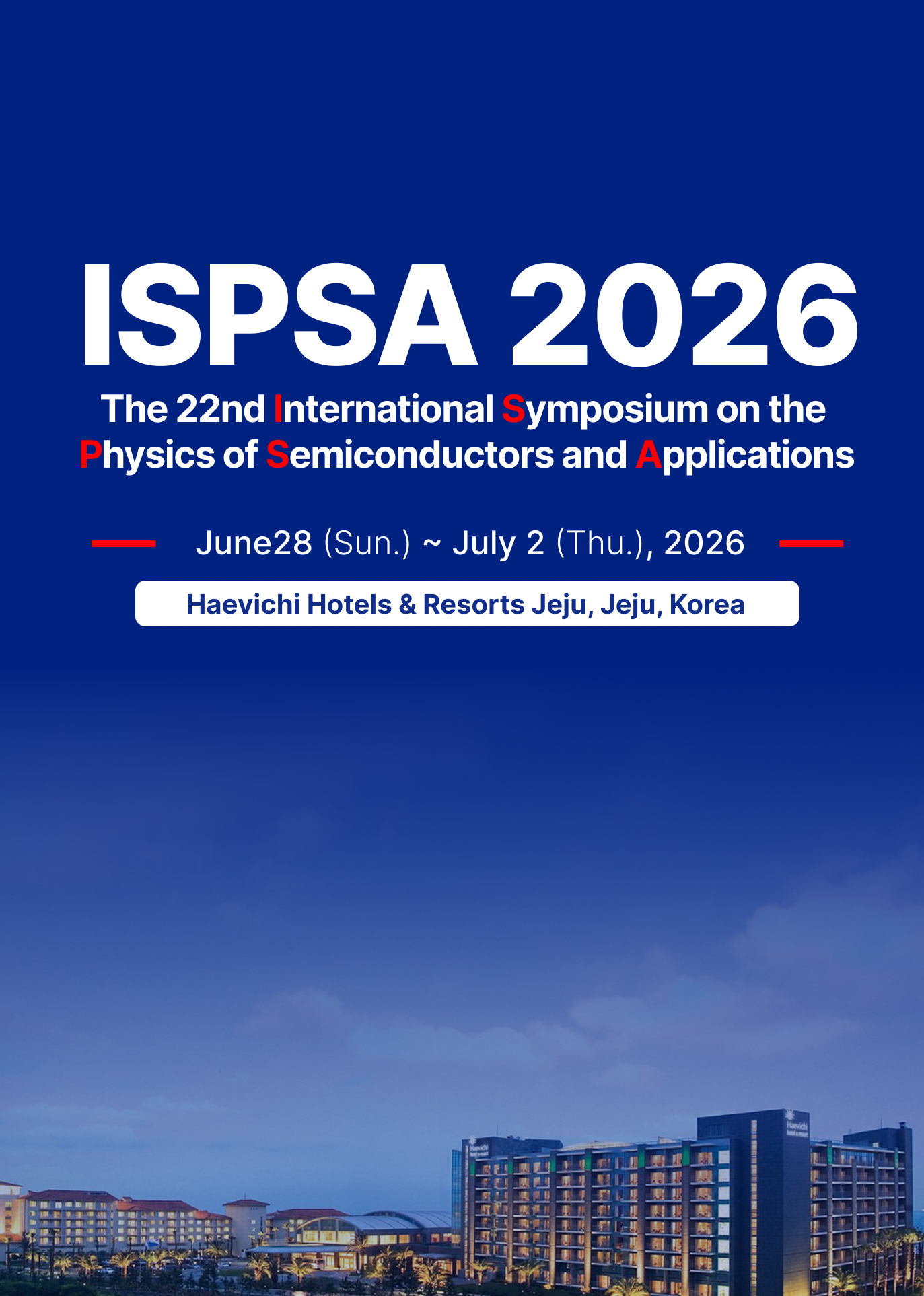
The 22nd International Symposium on the Physics of Semiconductors and Applications (ISPSA 2026) |
| 2026-06-28 ~ 2026-07-02 |

|
|
The 15th Asia-Pacific Conference on Transportation and the Environment (APTE 2026) |
| 2026-07-08 ~ 2026-07-10 |
Journal Promotion

|
| Acta Koreana (Acta Koreana) |

|
| Acta Via Serica (AVS) |

|
| Earthquakes and Structures, An International Journal (Earthquakes and Structures) |

|
| Journal of Information Processing Systems (JIPS) |

|
| Journal of Internet Computing and Services (KSII - JICS) |
|
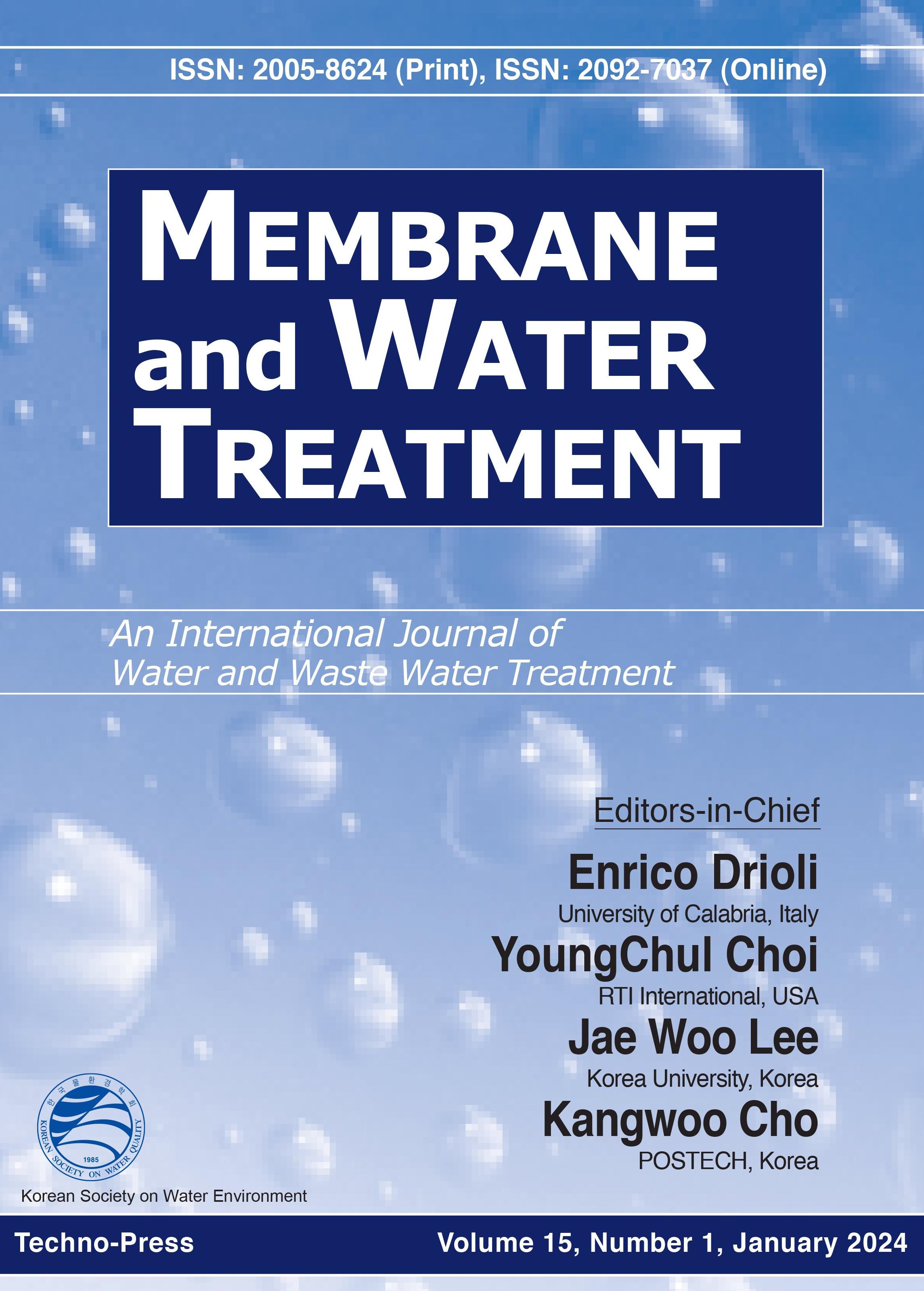
| Membrane and Water Treatment (MWT) |

|
| Smart Structures and Systems (Smart Structures and Systems) |




MANUSCRIPTLINK © 2015 -
