

54th AMSTERDAM International Conference on Nursing and Medical Sciences (AICNMS-26)
AICNMS-26
- URL: https://cecabs.org/conference/374
- Event Date: 2026-07-06 ~ 2026-07-08
- Submission Date: 2026-07-01
- Organizer: CECABS
- Location: Amsterdam, Netherlands
Nursing Environmental & Occupational Medicine
Call for papers/Topics
Full Articles/ Reviews/ Shorts Papers/ Abstracts are welcomed in the following research fields:
1. Foundational Medical Sciences
These topics provide the biological and chemical "why" behind health and disease.
Human Anatomy & Physiology: Gross anatomy, histology, and the study of organ systems (integumentary, skeletal, muscular, nervous, endocrine, etc.).
Pathophysiology: The functional changes associated with or resulting from disease or injury.
Biochemistry & Genetics: Molecular biology, metabolic pathways, genetic inheritance, and genomic medicine.
Microbiology & Immunology: Bacteriology, virology, mycology, and the body’s immune response mechanisms.
Pharmacology: Pharmacokinetics, pharmacodynamics, drug classifications, and toxicology.
2. Core Nursing Science & Practice
This pillar focuses on the "how" of patient care and the professional framework of nursing.
Fundamentals of Nursing: Basic patient care, hygiene, vital signs, and the Nursing Process (ADPIE: Assessment, Diagnosis, Planning, Implementation, Evaluation).
Medical-Surgical Nursing: Caring for adult patients with acute or chronic illnesses.
Health Assessment: Physical examination techniques and history taking.
Community & Public Health Nursing: Epidemiology, health promotion, and caring for populations at risk.
Nursing Leadership & Management: Healthcare systems, delegation, and resource management.
3. Specialized Medical & Nursing Fields
Specialized areas that require specific clinical knowledge and protocols.
Pediatrics: Child development, neonatal care, and pediatric pathology.
Obstetrics & Gynecology (OB-GYN): Maternal-fetal medicine, labor and delivery, and reproductive health.
Mental Health & Psychiatry: Neurobiology of mental illness, therapeutic communication, and behavioral health.
Gerontology: The study of aging and the unique healthcare needs of the elderly.
Emergency & Critical Care Nursing: Trauma resuscitation, ICU protocols, and advanced life support.
4. Diagnostic & Therapeutic Sciences
The technical methods used to identify and treat conditions.
Medical Imaging: Radiography, MRI, CT, and Ultrasound.
Laboratory Medicine: Hematology, clinical chemistry, and urinalysis.
Nutrition & Dietetics: Clinical nutrition, parenteral nutrition, and therapeutic diets.
Anesthesiology: Pain management and perioperative care.
5. Professional & Ethical Frameworks
The "soft" but critical sciences that govern the healthcare industry.
Bioethics & Jurisprudence: Medical law, patient rights, and ethical decision-making.
Nursing Research & Evidence-Based Practice (EBP): Quantitative/qualitative research methods and data-driven care.
Health Informatics: Digital health records (EHR), data privacy, and healthcare technology.
Global Health Policy: Universal healthcare, health disparities, and international health regulations.
Event Promotion
|
|
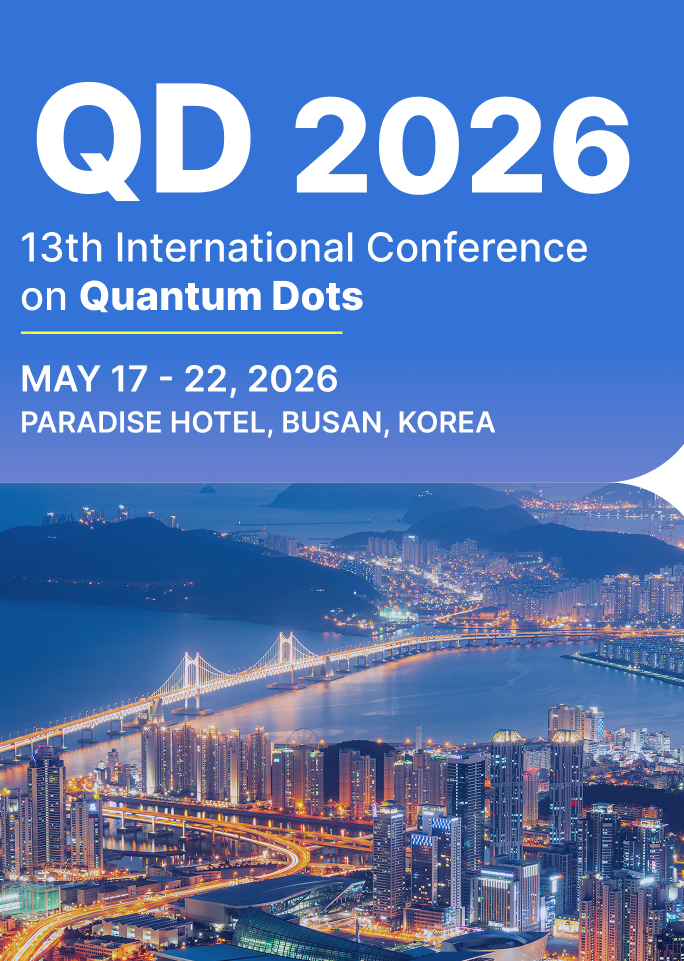
The 13th International Conference on Quantum Dots (QD 2026) |
| 2026-05-17 ~ 2026-05-22 |
|
|
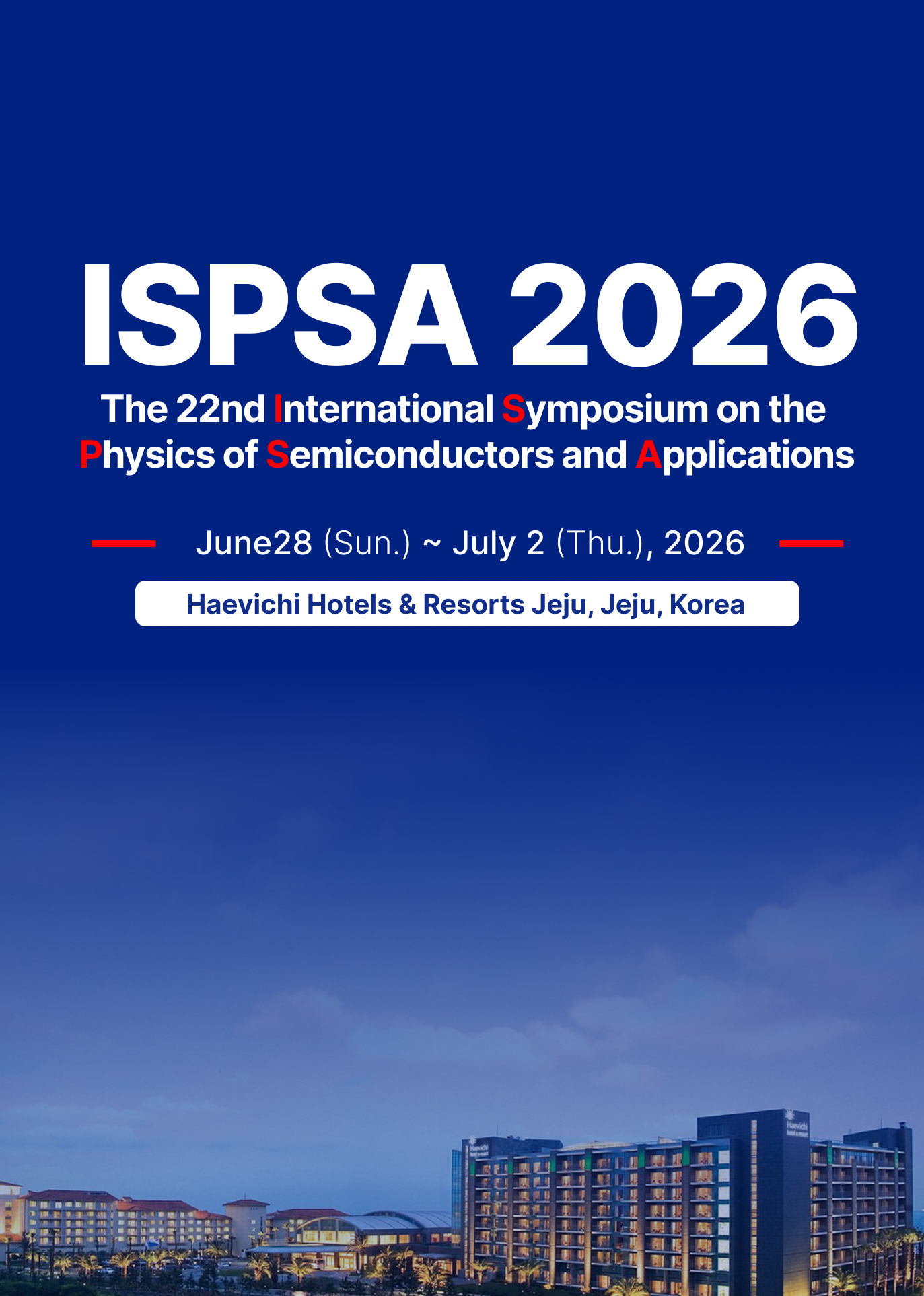
The 22nd International Symposium on the Physics of Semiconductors and Applications (ISPSA 2026) |
| 2026-06-28 ~ 2026-07-02 |

|
|
The 15th Asia-Pacific Conference on Transportation and the Environment (APTE 2026) |
| 2026-07-08 ~ 2026-07-10 |
Journal Promotion
|
| Acta Koreana (Acta Koreana) |
|
| Acta Via Serica (AVS) |
|
| Earthquakes and Structures, An International Journal (Earthquakes and Structures) |
|
| Journal of Information Processing Systems (JIPS) |

|
| Journal of Internet Computing and Services (KSII - JICS) |
|
| Membrane and Water Treatment (MWT) |
|
| Smart Structures and Systems (Smart Structures and Systems) |


MANUSCRIPTLINK © 2015 -
