

38th MILAN International Conference on Advances in Science, Engineering & Technology (MASET-26) scheduled on March 16-18, 2026 Milan (Italy)
MASET-26
- URL: https://ureng.urst.org/conference/172
- Event Date: 2026-03-16 ~ 2026-03-18
- Submission Date: 2026-03-01
- Organizer: URENG
- Location: Milano, Italy
Nanotechnology Chemical & Material Sciences (General) Engineering & Computer Science (General)
Call for Papers: MASET-26
Full Articles/ Reviews/ Shorts Papers/ Abstracts are welcomed in the following research fields:
Theme 1: AI, Computing & Robotics
Focuses on the transition from traditional automation to autonomous, cognitive systems.
Next-Generation Artificial Intelligence:
Beyond Transformers: Exploring new neural architectures.
Ethical AI and Explainability (XAI) in critical infrastructure.
Edge AI: Bringing intelligence to low-power IoT devices.
Robotics & Autonomous Systems:
Human-Robot Collaboration (Cobots) in manufacturing.
Soft Robotics and bio-inspired design.
Autonomous vehicles: From navigation algorithms to legal frameworks.
Quantum Computing & Advanced Informatics:
Quantum-resistant cryptography.
High-Performance Computing (HPC) for complex climate modeling.
The integration of Blockchain in secure supply chain management.
Theme 2: "Sustainable Engineering & The Net-Zero Goal"
Focuses on the engineering required to meet global climate targets and resource efficiency.
Renewable Energy Systems:
Advancements in Perovskite solar cells and offshore wind technology.
Hydrogen Economy: Production, storage, and transport challenges.
Smart Grids and AI-driven energy demand forecasting.
Green Infrastructure & Civil Engineering:
Carbon-neutral construction materials (Self-healing concrete, recycled aggregates).
Disaster-resilient urban planning and "Sponge City" concepts.
Sustainable transport: Electric Vehicle (EV) infrastructure and hyperloop research.
Environmental Technology:
Advanced Carbon Capture and Storage (CCS) techniques.
Circular Economy: Engineering for product end-of-life and waste-to-energy.
Water purification and desalination using nanotechnology.
Theme 3: "Frontier Sciences & Bio-Innovation"
Focuses on the "Science" pillar—material breakthroughs and the intersection of biology and tech.
Advanced Materials Science:
2D Materials (Graphene, MXenes) and their industrial applications.
Smart materials with shape-memory and sensory capabilities.
Nanotechnology in drug delivery and targeted therapy.
Biotechnology & Health Engineering:
Synthetic Biology: Engineering microbes for industrial production.
Bioinformatics and the use of Big Data in genomics.
Wearable Health Tech: Continuous non-invasive monitoring and telemedicine.
Space Science & Exploration:
In-situ Resource Utilization (ISRU) for lunar and Martian missions.
Small Satellite (CubeSat) constellations and global connectivity.
Space debris mitigation and orbital sustainability.
Theme 4: "Industry 5.0 & Human-Centric Technology"
Focuses on the societal impact of technology and the "Human-in-the-loop" philosophy.
Digital Transformation & Cyber-Physical Systems:
Digital Twins: Real-time simulation for industrial optimization.
The Industrial Internet of Things (IIoT) and 6G connectivity.
Cybersecurity in the era of interconnected industrial systems.
Technology in Education & Society (EdTech/SocTech):
Adaptive learning platforms using Generative AI.
The Digital Divide: Engineering low-cost solutions for developing nations.
Augmented and Virtual Reality (AR/VR) for professional training and surgery.
Ethical Engineering & Policy:
Technocracy and the role of engineers in policy making.
Intellectual Property (IP) in an AI-driven design world.
Event Promotion
|
|
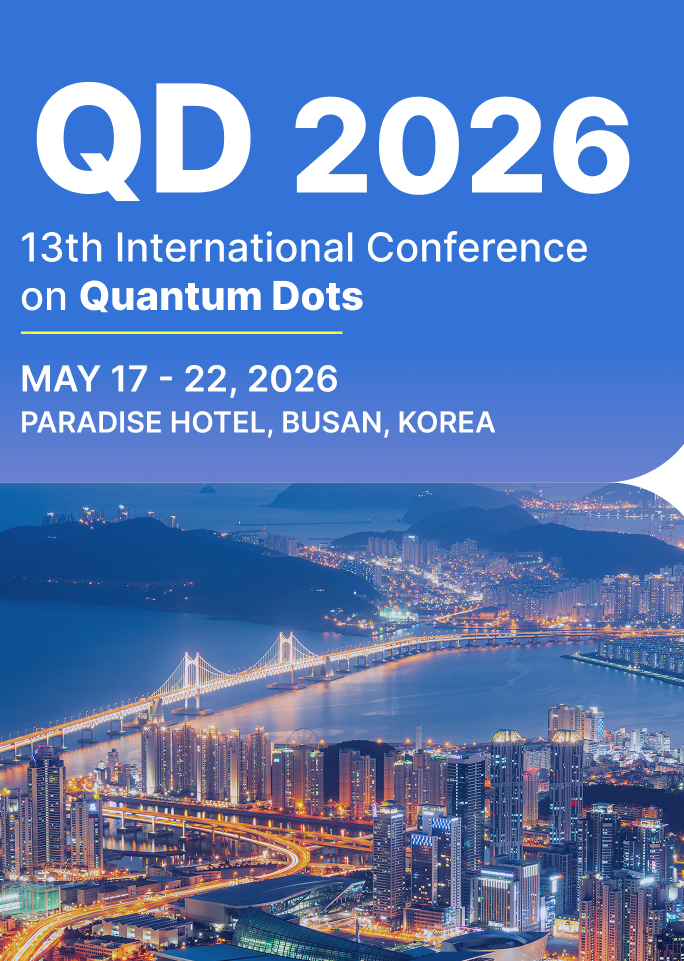
The 13th International Conference on Quantum Dots (QD 2026) |
| 2026-05-17 ~ 2026-05-22 |
|
|
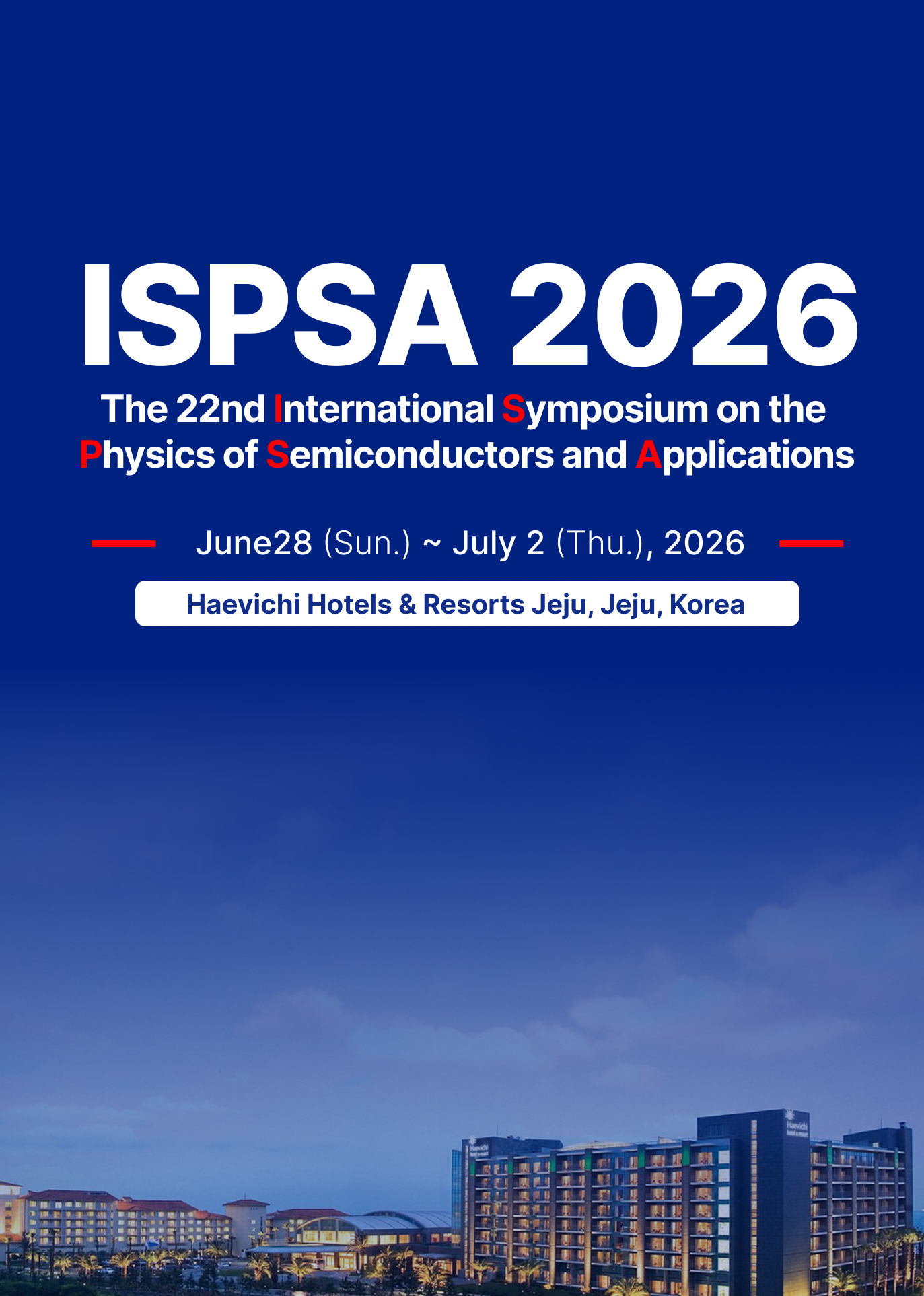
The 22nd International Symposium on the Physics of Semiconductors and Applications (ISPSA 2026) |
| 2026-06-28 ~ 2026-07-02 |

|
|
The 15th Asia-Pacific Conference on Transportation and the Environment (APTE 2026) |
| 2026-07-08 ~ 2026-07-10 |
Journal Promotion
|
| Acta Koreana (Acta Koreana) |
|
| Acta Via Serica (AVS) |
|
| Earthquakes and Structures, An International Journal (Earthquakes and Structures) |
|
| Journal of Information Processing Systems (JIPS) |
|
| Journal of Internet Computing and Services (KSII - JICS) |
|
| Membrane and Water Treatment (MWT) |
|
| Smart Structures and Systems (Smart Structures and Systems) |



MANUSCRIPTLINK © 2015 -
