


6th CEBU International Congress on Green Chemical Engineering, Energy & Environmental Sustainability (GCE3S-26) scheduled on March 26-28, 2026 Cebu (Philippines)
GCE3S-26
- URL: https://cbmsr.org/conference/376
- Event Date: 2026-03-26 ~ 2026-03-28
- Submission Date: 2026-03-01
- Organizer: CBMSR
- Location: Cebu, Philippines
Sustainable Energy Sustainable Energy High Energy & Nuclear Physics
Topics/Call for Papers
Full Articles/ Reviews/ Shorts Papers/ Abstracts are welcomed in the following research fields:
1. 🧪 Green Chemical Engineering (Process Design & Innovation)
This pillar focuses on implementing the 12 Principles of Green Chemistry and Engineering into industrial processes to reduce hazard and waste.
Green Solvents and Reaction Media:
Development and application of sustainable solvents (e.g., ionic liquids, deep eutectic solvents, supercritical fluids, bio-based solvents) to replace volatile organic compounds (VOCs).
Solvent-free synthesis and mechanochemistry.
Catalysis and Reaction Engineering:
Design of highly efficient and selective catalysts (heterogeneous, biocatalysis, electrocatalysis) to operate under mild conditions (lower pressure/temperature).
Photocatalysis and light-driven green reactions for sustainable chemical synthesis.
Process Intensification (PI):
Developing and scaling up intensified reactor technologies (e.g., microreactors, reactive distillation, dividing wall columns) to improve efficiency and reduce equipment size.
Continuous Flow Chemistry as a safer and more efficient alternative to batch processing.
Green Metrics and Assessment:
Applying quantitative tools like Life Cycle Assessment (LCA), Atom Economy, and E-factor to evaluate the environmental footprint of chemical processes and products.
2. ⚡ Energy Systems and Conversion
This section focuses on developing clean energy generation, storage, and utilization technologies to achieve global decarbonization targets.
Carbon Capture, Utilization, and Storage (CCUS/CCU):
Developing novel sorbents, solvents, and membranes for CO₂ capture from industrial sources.
CO₂ Conversion: Transforming captured CO₂ into valuable products like fuels (e.g., methanol), platform chemicals, or building materials.
Hydrogen Economy:
Sustainable "Green" Hydrogen production via electrolysis powered by renewables.
Development of materials for hydrogen storage and infrastructure development.
Fuel Cells and their application in transport and stationary power.
Energy Storage and Materials:
Advanced battery technologies (e.g., solid-state, lithium-sulfur, flow batteries) for grid-scale and electric vehicle applications.
Sustainable materials and processes for manufacturing and recycling photovoltaic (solar cell) devices.
Biofuels and Biorefineries:
Conversion of biomass (algae, agricultural waste) into advanced biofuels (e.g., sustainable aviation fuel) and biochemicals.
Biorefinery integration for the zero-waste valorization of renewable feedstocks.
3. ♻️ Environmental Sustainability and Circular Economy
This pillar addresses pollution prevention, remediation, and the closing of material loops.
Water and Wastewater Treatment:
Advanced methods for removing emerging contaminants (e.g., microplastics, pharmaceuticals, PFAS) from water sources.
Sustainable desalination, water reuse, and recycling technologies.
Industrial wastewater valorization for resource recovery.
Waste Valorization and Resource Recovery:
Chemical and mechanical recycling of plastic waste (pyrolysis, chemolysis) and composites.
Waste-to-Energy (WtE) and thermal treatment processes with minimal emissions.
Recovery of critical and precious materials (e.g., rare earth elements, lithium) from electronic waste (e-waste).
Air Pollution Control and Mitigation:
Catalytic converters and scrubbers for reducing NOx, SOx, and particulate matter emissions.
Advanced monitoring and modeling of air quality and toxic gas neutralization.
Safe and Sustainable by Design (SSbD):
Designing chemicals and products for end-of-life degradation into benign substances.
Implementing Circular Economy principles across supply chains to eliminate waste and keep resources in use.
Event Promotion

|
|
The 13th International Conference on Quantum Dots (QD 2026) |
| 2026-05-17 ~ 2026-05-22 |
|
|
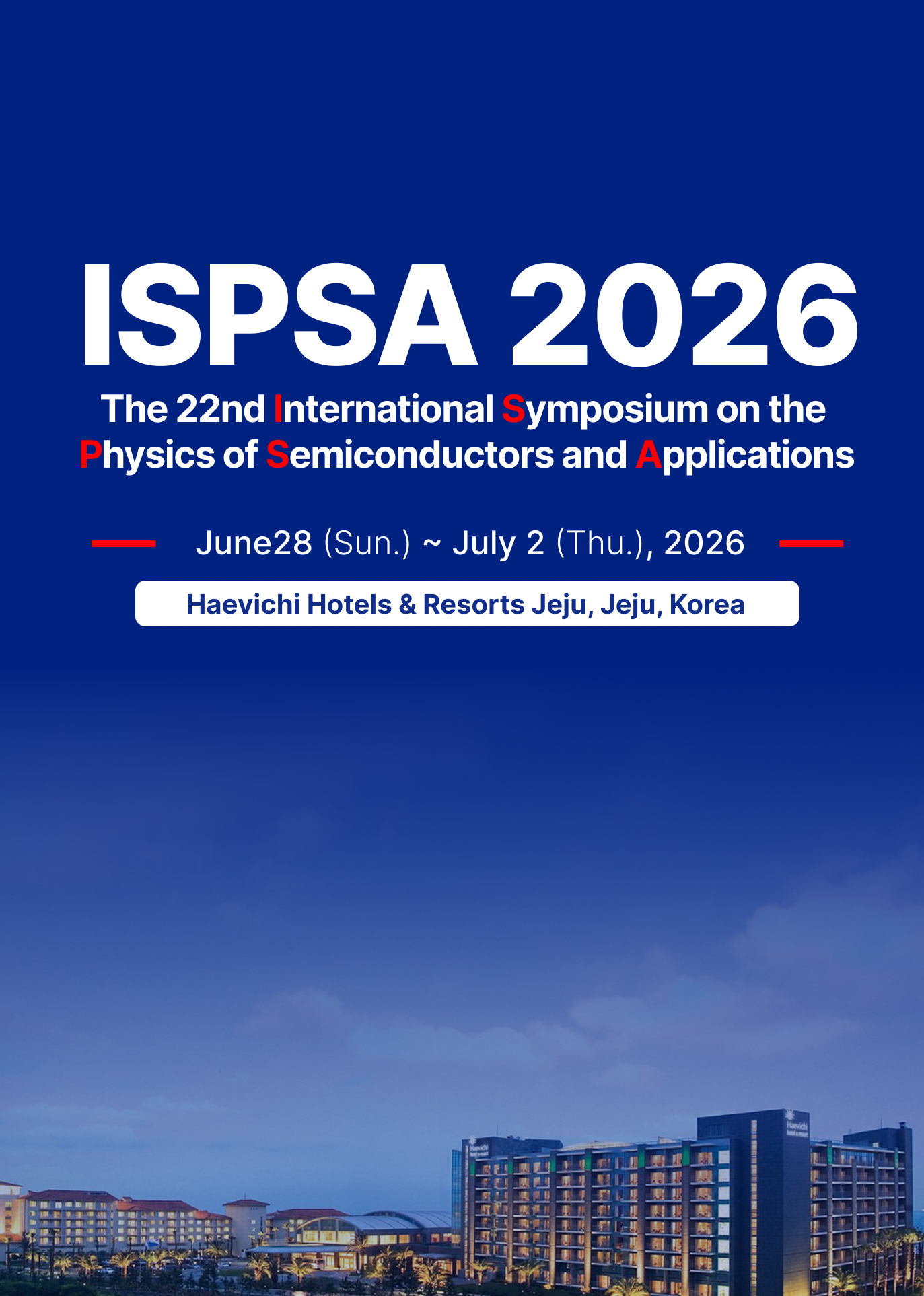
The 22nd International Symposium on the Physics of Semiconductors and Applications (ISPSA 2026) |
| 2026-06-28 ~ 2026-07-02 |

|
|
The 15th Asia-Pacific Conference on Transportation and the Environment (APTE 2026) |
| 2026-07-08 ~ 2026-07-10 |








MANUSCRIPTLINK © 2015 -
