


43rd PARIS International Conference on Research in Chemical, Biological & Environmental Sciences: ACBES-26
ACBES-26
- URL: https://iicbe.org/2026/04/17/140
- Event Date: 2026-04-15 ~ 2026-04-17
- Submission Date: 2026-04-02
- Organizer: IICBE
- Location: Paris, France
Chemical & Material Sciences (General) Chemical Kinetics & Catalysis Bioinformatics & Computational Biology Molecular Biology Cell Biology Biodiversity & Conservation Biology Bioinformatics & Computational Biology
Call for papers/Topics
Topics of interest for submission include any topics related to:
Here are some suggested topics and subtopics for this broad field:
🧪 Chemical Biology and Biochemistry
This area explores biological problems using chemical tools and techniques, and applies biological principles to chemical synthesis.
Chemical Genetics and Proteomics
Target identification and validation for drug discovery.
Development and application of activity-based protein probes (ABPP).
Small molecule perturbation of biological pathways.
Bio-Organic and Medicinal Chemistry
Synthesis of novel anti-cancer, antiviral, and antimicrobial agents (e.g., drug candidates from natural products).
Design of molecular machines and devices for biological applications.
Peptide and nucleic acid chemistry (e.g., therapeutics like siRNAs).
Biophysics and Structural Biology
Protein folding, misfolding, and aggregation (e.g., in neurodegenerative diseases).
Mechanistic studies of enzyme catalysis using advanced spectroscopy (e.g., cryo-EM, X-ray crystallography).
Single-molecule force measurements on biological systems.
Biosensing and Diagnostics
Development of highly sensitive and selective biomarkers for disease.
Nanomaterial-based biosensors for point-of-care diagnostics.
Microfluidic systems for high-throughput biological screening.
🔬 Molecular, Cellular, and Genomic Biology
This focuses on the fundamental processes of life, often leveraging tools developed in chemical biology.
Genetics and Gene Regulation
Epigenetics and its role in disease (e.g., DNA methylation, histone modification).
Mechanisms of RNA biology (e.g., non-coding RNAs, RNA splicing).
Development and application of CRISPR-based gene editing technologies.
Immunology and Host-Pathogen Interactions
Chemical strategies to modulate the immune response (e.g., immunotherapies).
Understanding and combating antimicrobial resistance (AMR).
Viral entry and replication mechanisms, and the development of new vaccines and antivirals.
Metabolism and Cell Signaling
Metabolic engineering for sustainable biofuel or bioproduct production.
Investigating nutrient and bioactive compound effects on cellular metabolism.
The role of the microbiome (gut, soil, etc.) in health and environmental processes.
🌍 Environmental Chemistry and Sustainability
This section addresses the impact of human activity on the environment and the development of sustainable solutions.
Pollution and Remediation
Fate, transport, and effects of Contaminants of Emerging Concern (CECs), like pharmaceuticals and personal care products.
Analysis and mitigation of Per- and Polyfluoroalkyl Substances (PFAS), or "forever chemicals," in water and soil.
Phytoremediation (using plants) and Environmental Microbiology for biological cleanup of pollutants.
Climate Change and Atmospheric Science
Carbon Capture and Utilization (CCU) technologies.
Atmospheric chemistry of greenhouse gases and aerosols.
Impact of climate change on coastal, estuarine, and polar ecosystems (e.g., ocean acidification).
Green Chemistry and Materials
Development of Deep Eutectic Solvents (DESs) as greener alternatives to traditional organic solvents.
Synthesis of biodegradable polymers from renewable resources (e.g., algae biomass).
Catalytic reactions for sustainable chemical synthesis (e.g., photocatalysis).
Water and Waste Management
Membrane technology and advanced oxidation processes for water treatment and desalination.
Microplastic and nanoplastic pollution detection, quantification, and degradation.
Sustainable waste management and resource recovery (e.g., lithium from batteries).
📈 Cross-Disciplinary Methodologies
These are tools and approaches that underpin research across all three domains.
Analytical Chemistry
Development of advanced separation techniques (e.g., chromatography) for complex samples.
Novel applications of Mass Spectrometry (MS) and spectroscopy (e.g., Raman, NMR) in environmental and biological matrices.
Chemometrics and data analysis for interpreting large chemical datasets.
Computational and Theoretical Sciences
Computational modeling and simulation of molecular and environmental processes.
Bioinformatics and systems biology for analyzing genomic, proteomic, and metabolomic data.
Development of Predictive Toxicology models for assessing chemical risk.
Event Promotion

|
|
The 13th International Conference on Quantum Dots (QD 2026) |
| 2026-05-17 ~ 2026-05-22 |
|
|
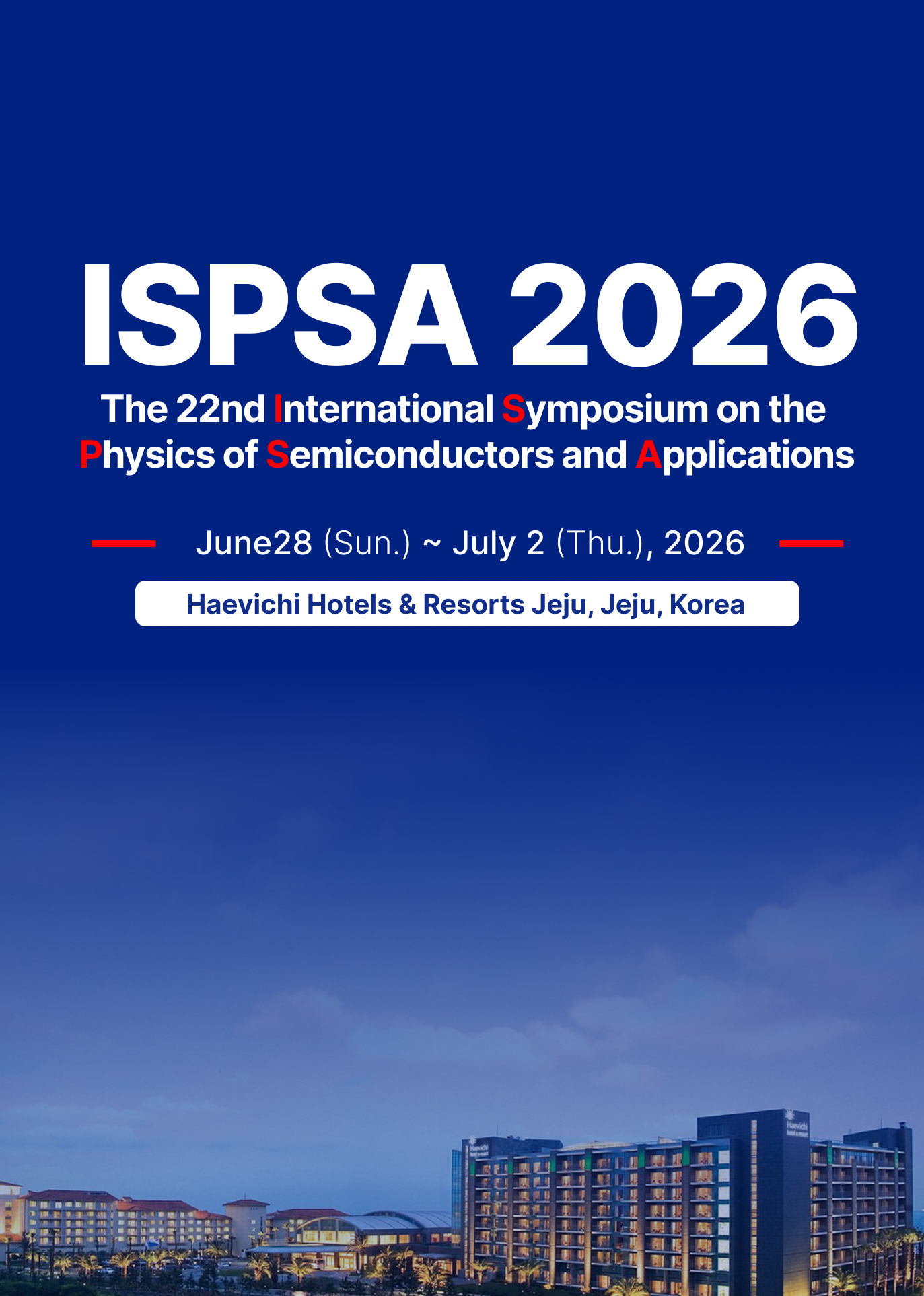
The 22nd International Symposium on the Physics of Semiconductors and Applications (ISPSA 2026) |
| 2026-06-28 ~ 2026-07-02 |

|
|
The 15th Asia-Pacific Conference on Transportation and the Environment (APTE 2026) |
| 2026-07-08 ~ 2026-07-10 |
Journal Promotion

|
| Acta Koreana (Acta Koreana) |

|
| Acta Via Serica (AVS) |

|
| Earthquakes and Structures, An International Journal (Earthquakes and Structures) |
|
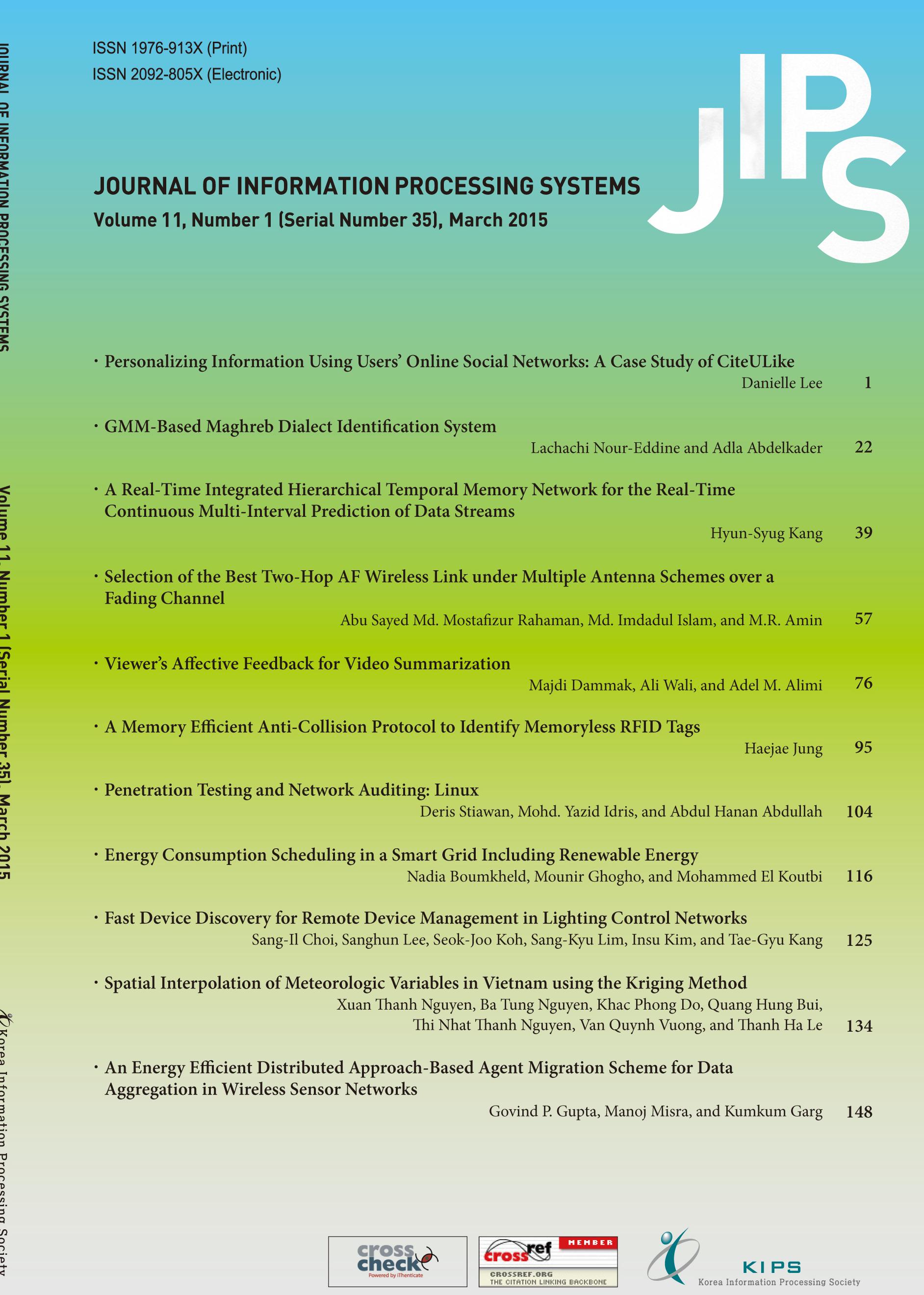
| Journal of Information Processing Systems (JIPS) |

|
| Journal of Internet Computing and Services (KSII - JICS) |
|
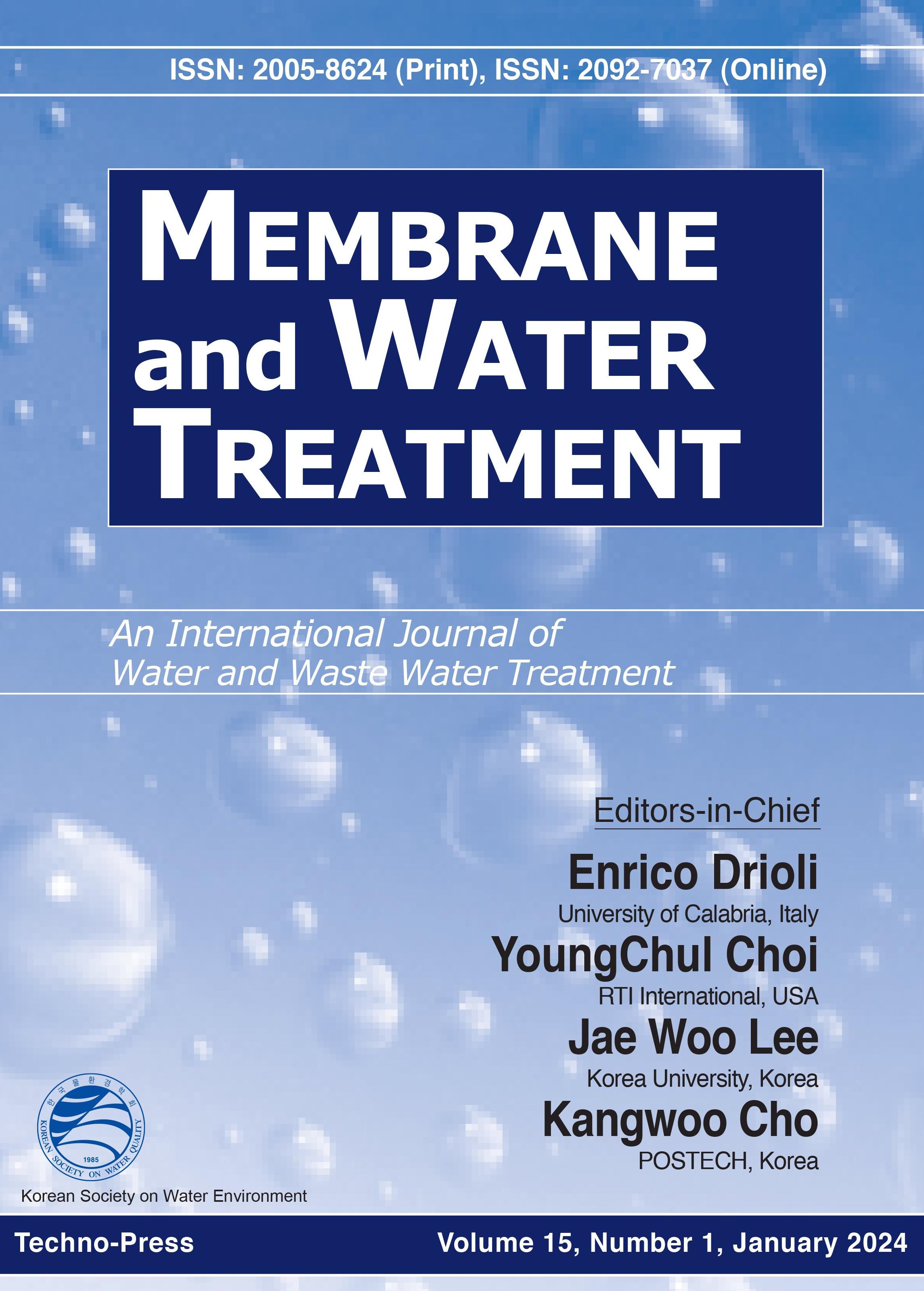
| Membrane and Water Treatment (MWT) |

|
| Smart Structures and Systems (Smart Structures and Systems) |




MANUSCRIPTLINK © 2015 -
