


49th PARIS International Conference on “Advanced Computing, Engineering and Cybersecurity” (ACEC-26) April 15-17, 2026 Paris (France)
ACEC-26
- URL: https://fenp.org/conference/336
- Event Date: 2026-04-15 ~ 2026-04-17
- Submission Date: 2026-04-02
- Organizer: FENP
- Location: Paris, France
Computational Linguistics Computer Graphics Computer Hardware Design Computer Networks & Wireless Communication Computer Security & Cryptography Computer Vision & Pattern Recognition Computing Systems Engineering & Computer Science (General) Bioinformatics & Computational Biology
Topics of interest for submission include any topics related to:
Here is a comprehensive list of Call for Papers (CFP) topics and subtopics related to this domain, organized by the three core pillars:
1. Advanced Computing (AI, HPC, Quantum)
This pillar focuses on the innovation of algorithms, hardware, and computational models.
Advanced AI & Computational Intelligence
Deep Learning (DL) & Neural Networks: CNNs, RNNs, Transformer models, Generative AI (GenAI).
Explainable AI (XAI): Feature importance, LIME, SHAP, and ensuring transparency in complex models.
AI Ethics and Governance: Bias, fairness, accountability, and the societal impact of AI.
Computational Methods: Fuzzy logic, evolutionary computation, genetic algorithms, and multi-objective optimization.
High-Performance & Distributed Computing
HPC Architectures: Exascale computing, post-exascale architectures, and heterogeneous computing (CPU-GPU, FPGA).
Parallel and Distributed Systems: Grid, cluster, and parallel computing algorithms.
Cloud, Edge, and Fog Computing: Serverless computing (FaaS), containerization (Docker, Kubernetes), hybrid cloud strategies, and real-time edge intelligence.
Big Data & Data Analytics: Real-time stream processing, predictive/prescriptive analytics, and data visualization for large-scale systems.
Emerging Computing Paradigms
Quantum Computing: Quantum algorithms (e.g., optimization, materials design), quantum hardware, and quantum error correction.
Trusted Computing: Secure hardware, secure enclaves, and trusted execution environments.
Computational Biology/Bioinformatics: Algorithms for sequence analysis, structure prediction, and computational medicine.
2. Engineering (Systems, Software, and Architecture)
This pillar focuses on the design, development, integration, and reliability of complex systems.
Software Engineering and Development
Secure Software Development Lifecycle (SSDLC): DevSecOps, secure coding practices, and vulnerability detection.
Software Architecture: Microservices, cloud-native applications, and resilient system design.
Quality Assurance: Automated testing, formal methods, and software reliability/reengineering.
Programming Languages and Theory: Type systems, formal specification, and verification of programs.
Computer and Network Engineering
Computer Architecture: Embedded systems, System-on-Chip (SoC) design, FPGA/ASIC, and approximate computing.
Networking and Communications (5G/6G): Software-Defined Networking (SDN), Network Function Virtualization (NFV), and vehicular networks (V2X).
Mobile and Pervasive Computing: Wearable devices, wireless sensor networks, and mobile security.
Cyber-Physical Systems (CPS) and IoT
Industrial IoT (IIoT) & Smart Cities: Design, control, and real-time processing for connected infrastructure.
Autonomous Systems: Software for drones (sUAS), autonomous vehicles, and robotics.
Engineering Reliability: Predictive maintenance, fault tolerance, and resilience in integrated systems.
3. Cybersecurity (Defense, Offense, and Privacy)
This pillar focuses on securing assets, managing threats, and ensuring privacy across digital and physical domains.
Core Cryptography and Security Foundations
Cryptography & Cryptanalysis: Cryptographic algorithms, post-quantum cryptography, and cryptographic protocols.
Access and Usage Control: Zero-Trust architectures, Identity and Access Management (IAM), and micro-segmentation.
Hardware Security: Side-channel attacks, secure computer architectures, and physical security for embedded systems.
Security Models and Architectures: Security frameworks (NIST, ISO), and security architecture analysis.
Cyber Threat Intelligence and Defense
Network Security: Advanced network defense mechanisms, intrusion detection and response systems (IDS/IPS).
Malware Analysis & Detection: Advanced persistent threats (APTs), threat hunting, and reverse engineering.
Vulnerability Management: Ethical hacking, penetration testing, and vulnerability analysis.
Cyber Resilience: Incident response, disaster recovery, and strengthening an organization's ability to withstand disruptions.
Privacy and Governance
Privacy-Enhancing Technologies (PETs): Homomorphic encryption, differential privacy, and secure multi-party computation.
Data Protection: Compliance with regulations (GDPR, CCPA), data leakage prevention, and digital forensics.
Legal and Ethical Aspects: Cybersecurity policy, governance, compliance, and the legal implications of cybercrime and electronic evidence.
Event Promotion

|
|
The 13th International Conference on Quantum Dots (QD 2026) |
| 2026-05-17 ~ 2026-05-22 |
|
|
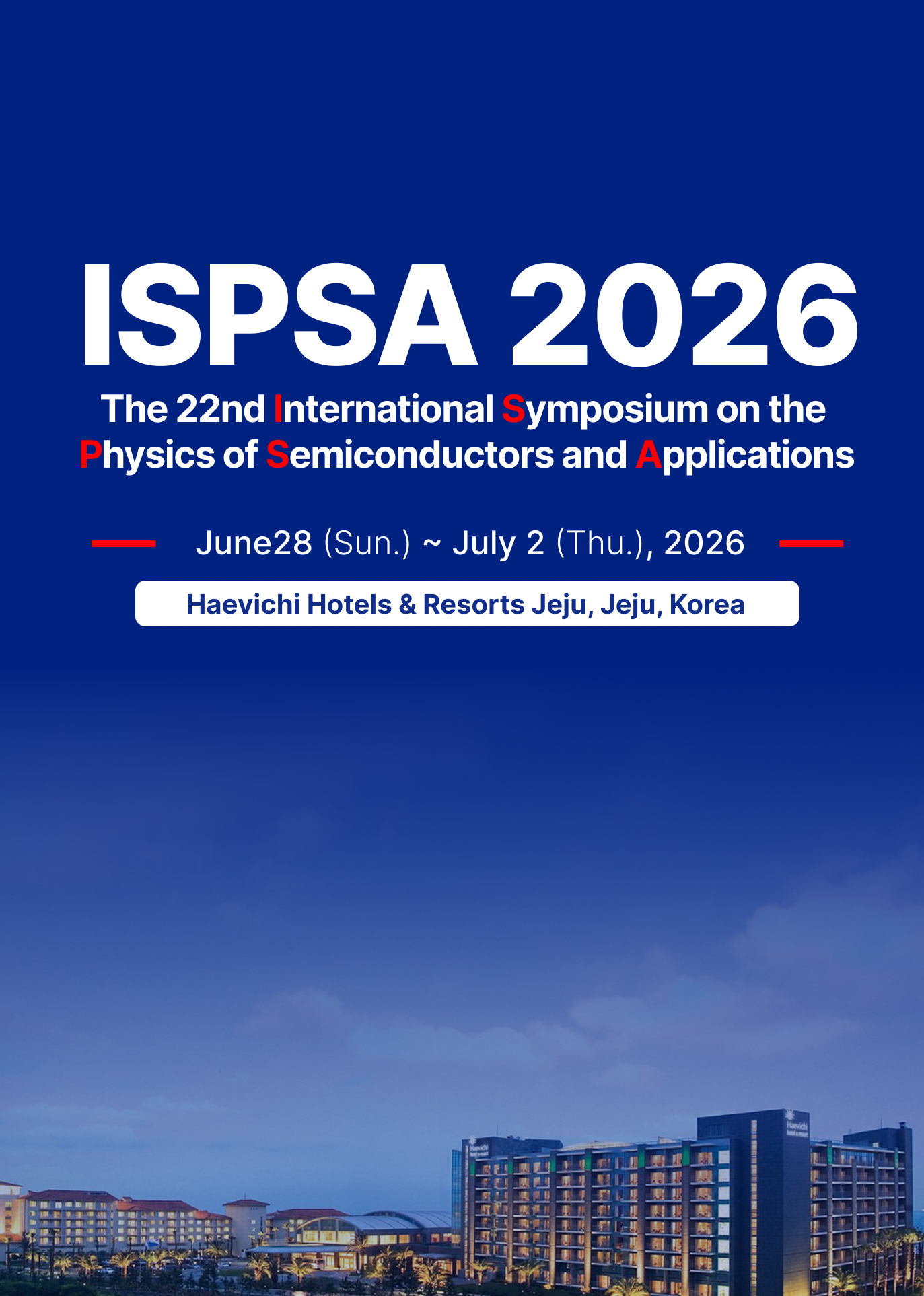
The 22nd International Symposium on the Physics of Semiconductors and Applications (ISPSA 2026) |
| 2026-06-28 ~ 2026-07-02 |

|
|
The 15th Asia-Pacific Conference on Transportation and the Environment (APTE 2026) |
| 2026-07-08 ~ 2026-07-10 |
Journal Promotion

|
| Acta Koreana (Acta Koreana) |

|
| Acta Via Serica (AVS) |

|
| Earthquakes and Structures, An International Journal (Earthquakes and Structures) |
|
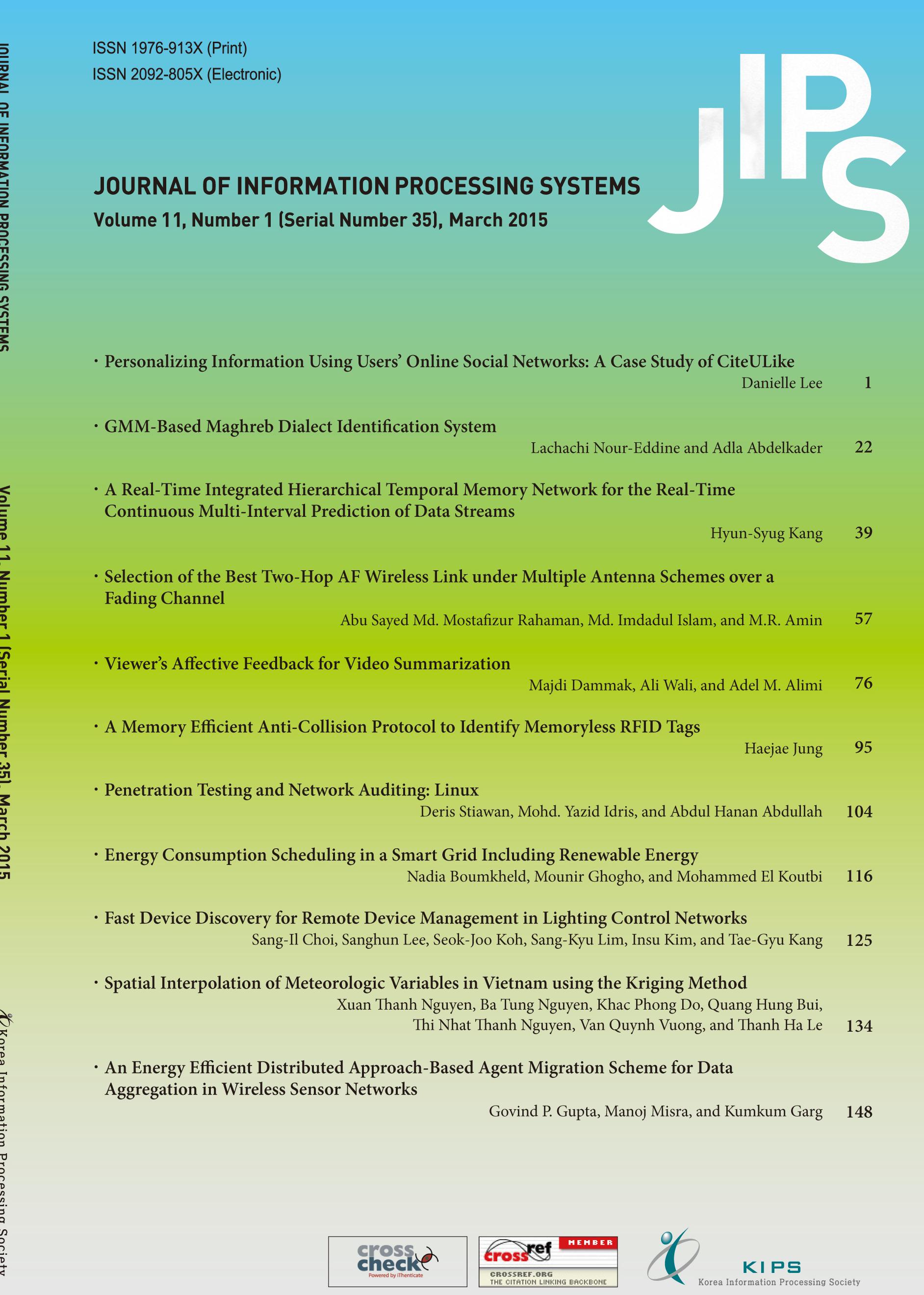
| Journal of Information Processing Systems (JIPS) |

|
| Journal of Internet Computing and Services (KSII - JICS) |

|
| Membrane and Water Treatment (MWT) |

|
| Smart Structures and Systems (Smart Structures and Systems) |




MANUSCRIPTLINK © 2015 -
