

46th BARCELONA World Congress on Business Studies (BWCBS-26) April 20-22, 2026 Barcelona (Spain)
BWCBS-26
- URL: https://iceebm.org/conference/362
- Event Date: 2026-04-20 ~ 2026-04-22
- Submission Date: 2026-04-01
- Organizer: ICEEBM
- Location: Barcelona, Spain
International Business Business, Economics & Management (General)
Business Studies is a broad, multidisciplinary field that examines how organizations operate, compete, and grow. Topics of interest for submission include any topics on:
1. Business Environment & Strategy
This area focuses on the "big picture"—how a business interacts with the world and plans for the future.
External Environment Analysis:
PESTLE Analysis: Political, Economic, Social, Technological, Legal, and Environmental factors.
Porter’s Five Forces: Analyzing industry competition and market attractiveness.
Business Ownership Structures:
Sole Traders, Partnerships, and Private vs. Public Limited Companies.
Franchising, Cooperatives, and Social Enterprises.
Strategic Planning:
Setting Mission, Vision, and Corporate Objectives.
SWOT Analysis: Strengths, Weaknesses, Opportunities, and Threats.
Ansoff’s Matrix: Market penetration, product development, and diversification.
2. Marketing Management
Marketing is about identifying and satisfying customer needs profitably.
Market Research:
Primary vs. Secondary research methods.
Qualitative vs. Quantitative data analysis.
The Marketing Mix (4Ps & 7Ps):
Product: Life cycle (PLC), branding, and packaging.
Price: Skimming, penetration, and psychological pricing.
Place: Distribution channels and e-commerce logistics.
Promotion: Advertising, PR, and digital marketing strategies.
Consumer Behavior:
Segmentation, Targeting, and Positioning (STP).
The buyer decision-making process.
3. Human Resource Management (HRM)
This focuses on the most valuable asset of any business: its people.
Workforce Planning:
Recruitment, selection, and induction processes.
Training and development (On-the-job vs. Off-the-job).
Motivation Theories:
Taylor’s Scientific Management.
Maslow’s Hierarchy of Needs and Herzberg’s Two-Factor Theory.
Organizational Structure:
Span of control, chain of command, and delegation.
Centralization vs. Decentralization.
Employment Relations:
Trade unions, collective bargaining, and redundancy.
4. Operations Management
Operations involves the production of goods and services efficiently.
Production Methods:
Job, Batch, Flow, and Cell production.
Lean Production: Just-in-Time (JIT) and Kaizen (continuous improvement).
Quality Management:
Quality Control vs. Quality Assurance.
Total Quality Management (TQM).
Supply Chain & Logistics:
Managing suppliers, stock control (EOQ), and lead times.
5. Finance and Accounting
The "language of business" used to measure performance and manage resources.
Sources of Finance:
Internal (retained profit) vs. External (loans, venture capital, share capital).
Financial Statements:
Income Statement: Calculating gross and operating profit.
Statement of Financial Position (Balance Sheet): Assets, liabilities, and equity.
Cash Flow Forecasts: Managing liquidity and working capital.
Investment Appraisal:
Payback Period and Net Present Value (NPV).
Ratio Analysis:
Profitability ratios (ROCE, GPM) and Liquidity ratios (Current ratio).
6. Business Ethics & Globalisation
Modern business studies must account for global impact and morality.
Corporate Social Responsibility (CSR):
The "Triple Bottom Line": People, Planet, Profit.
International Business:
Multinational Corporations (MNCs) and Offshoring.
The impact of exchange rates and trade barriers (Tariffs/Quotas).
Event Promotion
|
|
The 13th International Conference on Quantum Dots (QD 2026) |
| 2026-05-17 ~ 2026-05-22 |
|
|
The 22nd International Symposium on the Physics of Semiconductors and Applications (ISPSA 2026) |
| 2026-06-28 ~ 2026-07-02 |

|
|
The 15th Asia-Pacific Conference on Transportation and the Environment (APTE 2026) |
| 2026-07-08 ~ 2026-07-10 |
|
|
ACEM26 / Structures26 (ACEM26) |
| 2026-08-24 ~ 2026-08-25 |
Journal Promotion
|
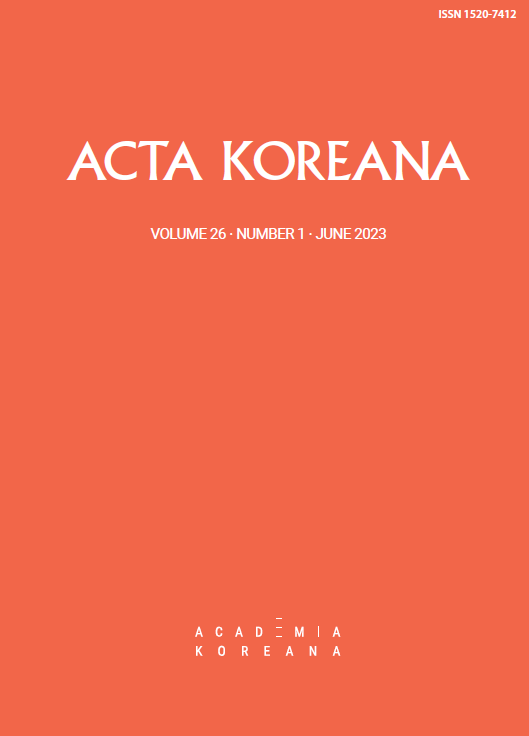
| Acta Koreana (Acta Koreana) |
|
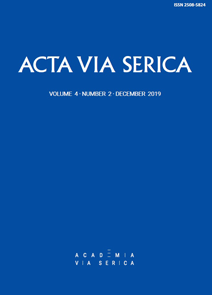
| Acta Via Serica (AVS) |

|
| Advances in Nano Research (Advances in Nano Research) |

|
| Computers and Concrete (Computers and Concrete) |

|
| Earthquakes and Structures, An International Journal (Earthquakes and Structures) |
|
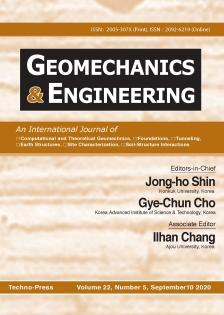
| Geomechanics and Engineering (Geomechanics and Engineering) |
|
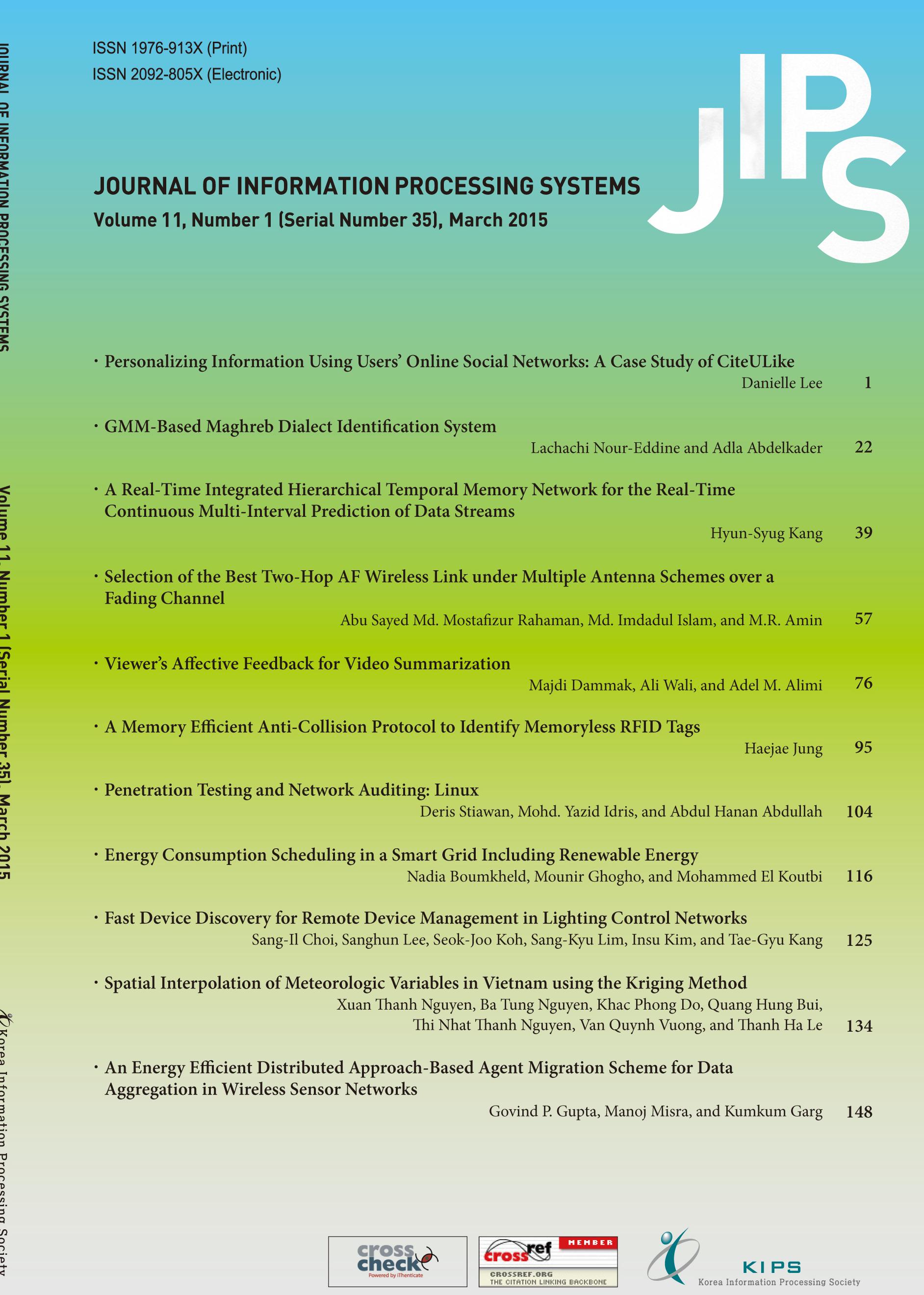
| Journal of Information Processing Systems (JIPS) |

|
| Journal of Internet Computing and Services (KSII - JICS) |

|
| Membrane and Water Treatment (MWT) |

|
| Smart Structures and Systems (Smart Structures and Systems) |
|
| Steel and Composite Structures, An International Journal (Steel and Composite Structures) |
|
| Structural Engineering and Mechanics, An International Journal (Structural Engineering and Mechanics) |

|
| Wind and Structures, An International Journal (Wind and Structures) |




MANUSCRIPTLINK © 2015 -
