

54th PARIS International Conference on Business Studies (PICBS-26)
PICBS-26
- URL: https://belrg.dirpub.org/conference/464
- Event Date: 2026-06-24 ~ 2026-06-26
- Submission Date: 2026-06-01
- Organizer: BELRG
- Location: Paris, France
International Business Business, Economics & Management (General)
Call for papers/Topics
Full Articles/ Reviews/ Shorts Papers/ Abstracts are welcomed in the following research fields:
1. Business Environment and Foundations
This area covers the "why" and "how" of starting a business and the external factors that influence success.
Purpose and Nature of Business: Needs vs. wants, primary/secondary/tertiary sectors.
Business Ownership: Sole traders, partnerships, private/public limited companies, franchises, and cooperatives.
Business Objectives: Profit maximization, social enterprise goals, survival, and growth.
Stakeholders: Internal (employees, owners) and external (customers, government, community).
External Influences (PESTLE): Political, Economic, Social, Technological, Legal, and Environmental factors.
2. Marketing
Marketing focuses on identifying and satisfying customer needs while building a brand.
Market Research: Primary (field) vs. secondary (desk) research, qualitative vs. quantitative data.
The Marketing Mix (4Ps/7Ps): Product, Price, Place, Promotion (plus People, Process, and Physical Evidence).
Market Segmentation: Targeting by geography, demographics, and psychographics.
Product Life Cycle: Research & development, introduction, growth, maturity, and decline.
Branding and Packaging: Brand loyalty, identity, and the role of packaging in marketing.
3. People and Human Resources (HR)
This focuses on the most valuable asset of a business: its employees.
Recruitment and Selection: Job descriptions, person specifications, and interviewing.
Motivation Theory: Theories by Maslow, Herzberg, and Taylor; financial vs. non-financial incentives.
Organizational Structure: Tall vs. flat structures, spans of control, and chain of command.
Training and Development: Induction, on-the-job, and off-the-job training.
Employment Law: Redundancy, dismissal, and health and safety regulations.
4. Operations Management
This is the "engine room" where inputs are converted into finished goods or services.
Production Methods: Job, batch, flow, and lean production.
Quality Management: Quality control (QC) vs. Quality Assurance (QA) and Total Quality Management (TQM).
Supply Chain Management: Procurement, logistics, and supplier relationships.
Location Decisions: Factors affecting where a business sits (costs, proximity to market, infrastructure).
Technology in Production: Automation, CAD (Computer-Aided Design), and CAM (Computer-Aided Manufacturing).
5. Finance and Accounts
The "language of business," focusing on tracking money and making investment decisions.
Sources of Finance: Internal (retained profit) vs. external (loans, venture capital, crowdfunding).
Financial Statements: The Income Statement (Profit & Loss) and the Balance Sheet (Statement of Financial Position).
Cash Flow Management: Forecasting, inflows/outflows, and managing liquidity.
Ratio Analysis: Profitability ratios (Gross/Net margin) and liquidity ratios (Current/Acid test).
Break-even Analysis: Calculating the point where total revenue equals total costs.
6. Business Strategy and Growth
Higher-level decision-making regarding the long-term direction of the firm.
Strategic Tools: SWOT Analysis (Strengths, Weaknesses, Opportunities, Threats) and Ansoff’s Matrix.
Growth Strategies: Organic (internal) vs. Inorganic (mergers and acquisitions).
Global Business: International trade, globalization, and the impact of multinational corporations (MNCs).
Change Management: How businesses adapt to new markets or internal restructuring.
Ethics and CSR: Corporate Social Responsibility and the balance between profit and ethics.
Event Promotion
|
|
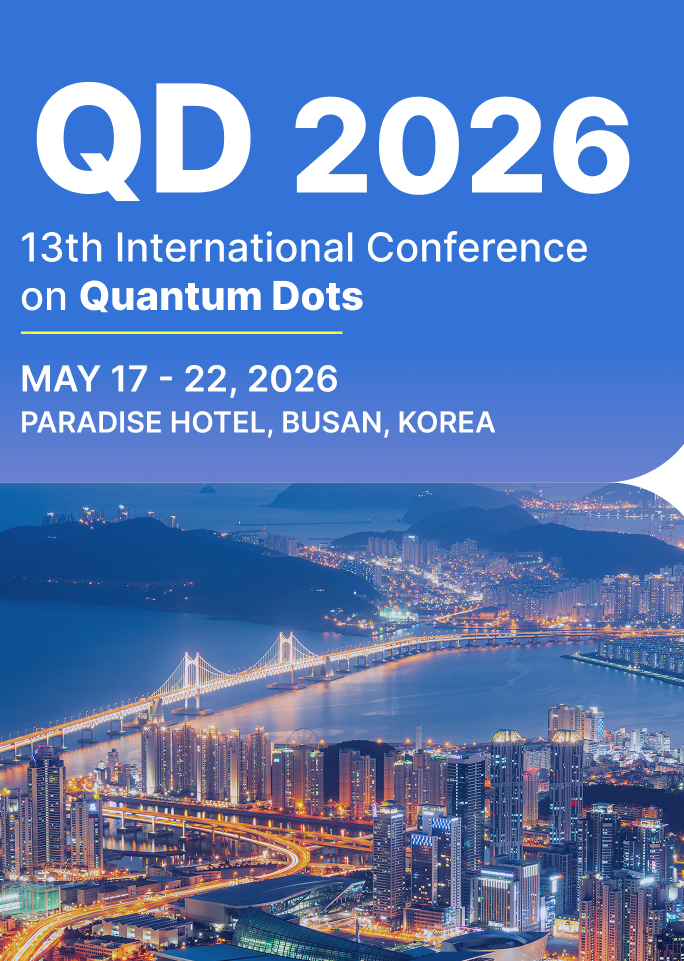
The 13th International Conference on Quantum Dots (QD 2026) |
| 2026-05-17 ~ 2026-05-22 |
|
|
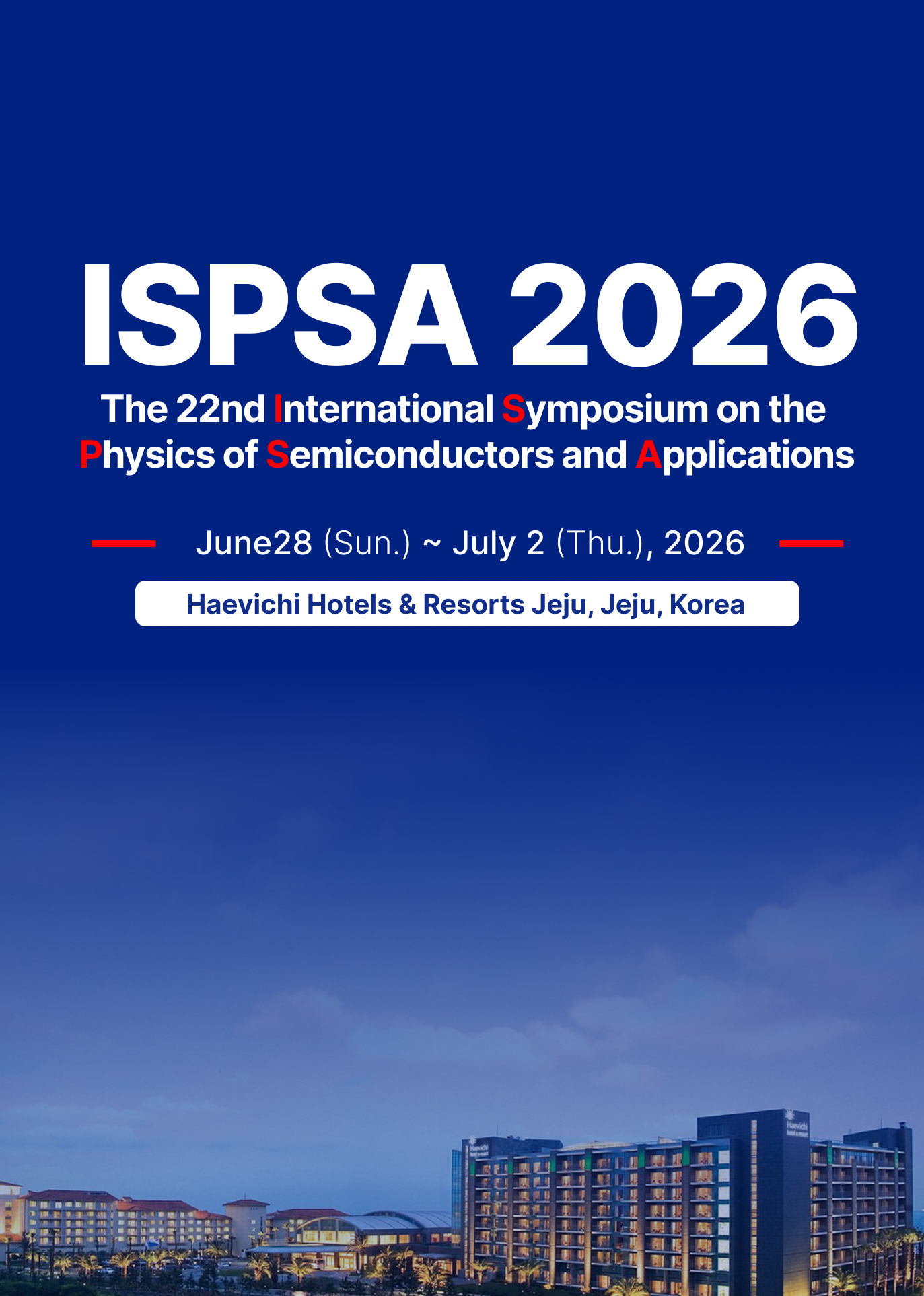
The 22nd International Symposium on the Physics of Semiconductors and Applications (ISPSA 2026) |
| 2026-06-28 ~ 2026-07-02 |

|
|
The 15th Asia-Pacific Conference on Transportation and the Environment (APTE 2026) |
| 2026-07-08 ~ 2026-07-10 |

|
|
ACEM26 / Structures26 (ACEM26) |
| 2026-08-24 ~ 2026-08-25 |
Journal Promotion
|
| Acta Koreana (Acta Koreana) |

|
| Acta Via Serica (AVS) |

|
| Advances in Nano Research (Advances in Nano Research) |

|
| Computers and Concrete (Computers and Concrete) |

|
| Earthquakes and Structures, An International Journal (Earthquakes and Structures) |
|
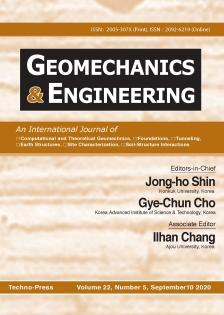
| Geomechanics and Engineering (Geomechanics and Engineering) |
|
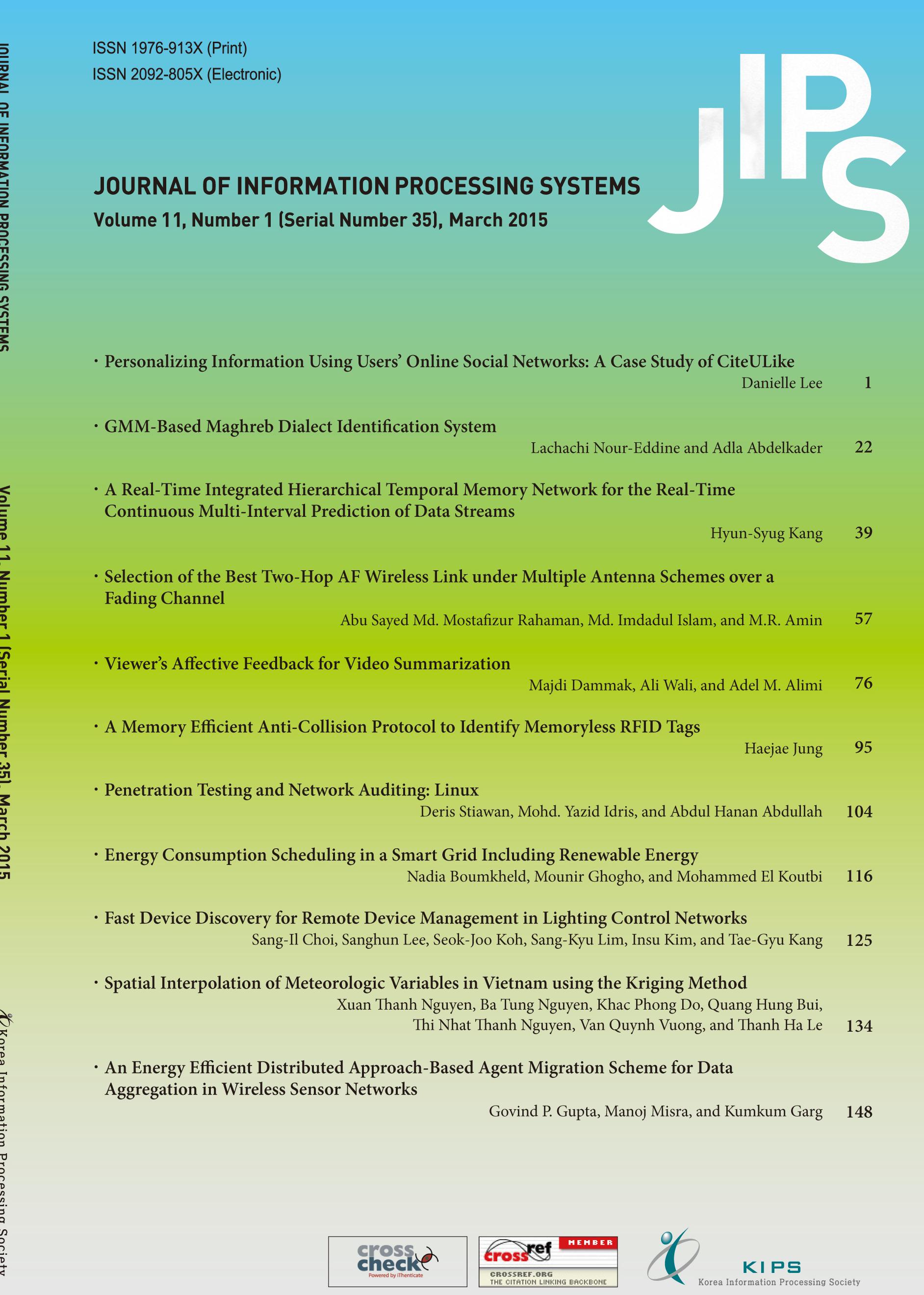
| Journal of Information Processing Systems (JIPS) |
|
| Journal of Internet Computing and Services (KSII - JICS) |
|
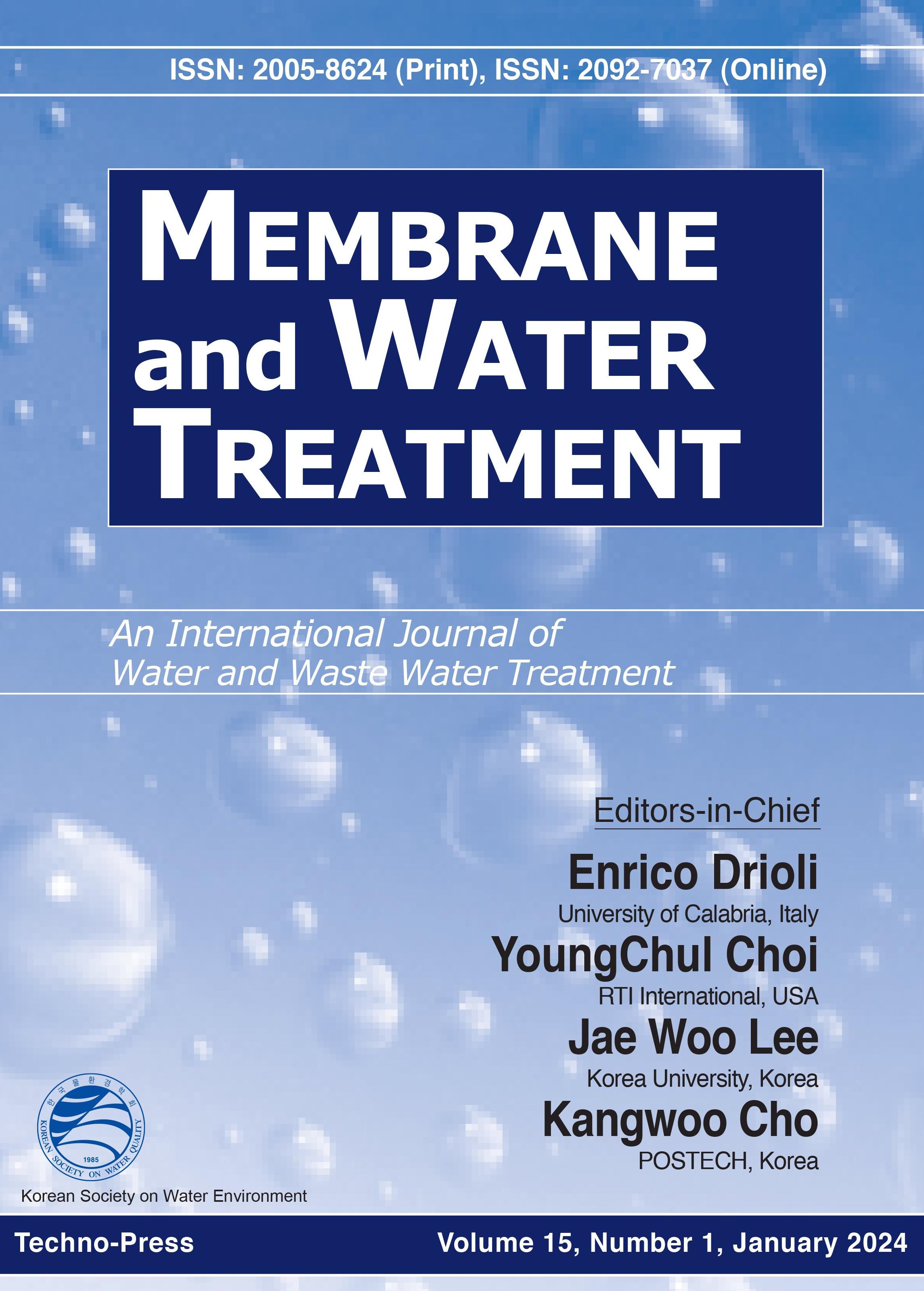
| Membrane and Water Treatment (MWT) |

|
| Smart Structures and Systems (Smart Structures and Systems) |

|
| Steel and Composite Structures, An International Journal (Steel and Composite Structures) |

|
| Structural Engineering and Mechanics, An International Journal (Structural Engineering and Mechanics) |

|
| Wind and Structures, An International Journal (Wind and Structures) |




MANUSCRIPTLINK © 2015 -
