


52nd ROME International Conference on Advances in Science & Technology (RICAST-26) June 17-19, 2026 Rome (Italy)
RICAST-26
- URL: https://iaaes.org/conference/386
- Event Date: 2026-06-17 ~ 2026-06-19
- Submission Date: 2026-05-15
- Organizer: IAAES
- Location: Rome, Italy
Engineering & Computer Science (General) Wood Science & Technology Biotechnology
Topics
Papers are welcomed in the following research fields:
1. Natural Sciences
This branch explores the physical world through observation and experimentation.
Physical Sciences
Physics: Classical Mechanics, Thermodynamics, Quantum Mechanics, Relativity, Optics, Nuclear Physics, and Particle Physics.
Chemistry: Organic, Inorganic, Physical, Analytical, Biochemistry, and Polymer Chemistry.
Astronomy: Astrophysics, Cosmology, Planetary Science, and Astrobiology.
Life Sciences (Biology)
Cellular & Molecular: Genetics, Microbiology, Molecular Biology, and Cell Physiology.
Organismal: Botany (plants), Zoology (animals), Anatomy, and Human Biology.
Ecological: Ecology, Evolutionary Biology, and Marine Biology.
Earth & Environmental Sciences
Geology: Seismology, Volcanology, Mineralogy, and Paleontology.
Oceanography: Marine Chemistry, Physical Oceanography, and Marine Geology.
Atmospheric Science: Meteorology, Climatology, and Atmospheric Chemistry.
2. Formal Sciences
These disciplines focus on theoretical systems, logic, and the language of science.
Mathematics: Algebra, Calculus, Geometry, Statistics, Probability, and Number Theory.
Logic: Mathematical Logic, Philosophical Logic, and Computational Logic.
Computer Science: Algorithms, Data Structures, Theory of Computation, and Cryptography.
Systems Science: Cybernetics, Control Theory, and Operations Research.
3. Applied Science & Engineering
This involves the practical application of scientific knowledge to build tools and infrastructure.
Traditional Engineering
Civil Engineering: Structural, Geotechnical, Transportation, and Urban Engineering.
Mechanical Engineering: Robotics, Mechatronics, Thermodynamics, and Manufacturing.
Electrical Engineering: Power Systems, Telecommunications, Microelectronics, and Signal Processing.
Chemical Engineering: Process Engineering, Materials Science, and Petroleum Engineering.
Information Technology (IT)
Software Development: Web Development, Mobile Apps, and Operating Systems.
Data Science: Artificial Intelligence (AI), Machine Learning (ML), and Big Data Analytics.
Networking: Cybersecurity, Cloud Computing, and Internet of Things (IoT).
Advanced & Interdisciplinary Tech
Biotechnology: Genetic Engineering, CRISPR, Bioinformatics, and Synthetic Biology.
Nanotechnology: Nanomaterials, Nanoelectronics, and Molecular Manufacturing.
Aerospace: Aeronautics (aircraft) and Astronautics (spacecraft).
Medical Technology: Biomedical Engineering, Neurotechnology, and Radiology.
4. Science & Society (Interdisciplinary)
The study of how science and technology interact with human culture and policy.
Ethics & Philosophy: Bioethics, AI Ethics, and Philosophy of Science.
Policy & Economics: Space Law, Intellectual Property (Patents), and R&D Funding.
Sustainability: Renewable Energy Tech, Green Chemistry, and Circular Economy.
Event Promotion
|
|
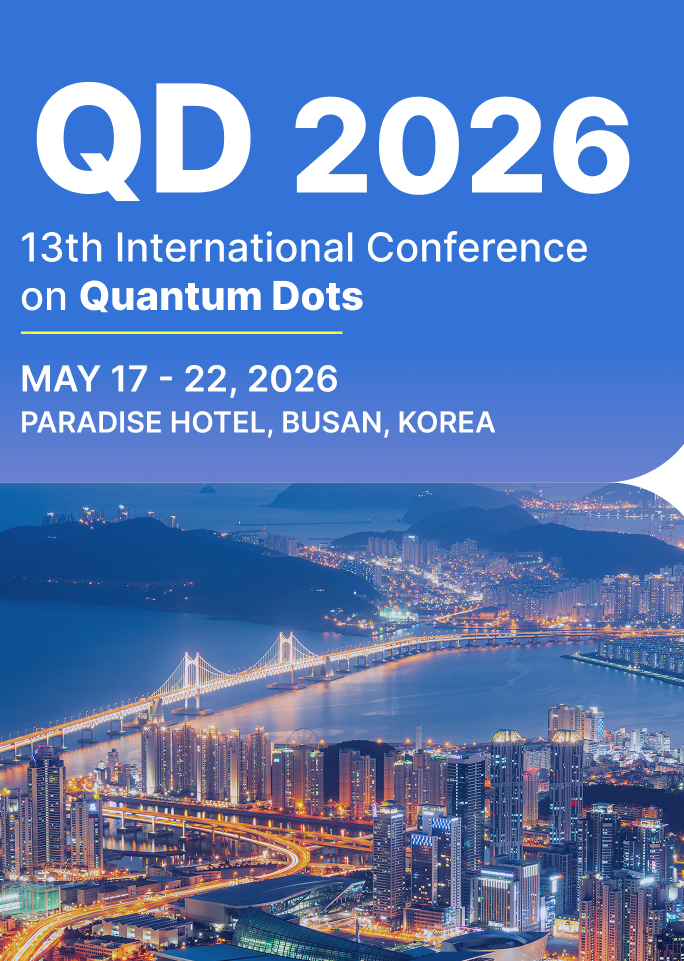
The 13th International Conference on Quantum Dots (QD 2026) |
| 2026-05-17 ~ 2026-05-22 |
|
|
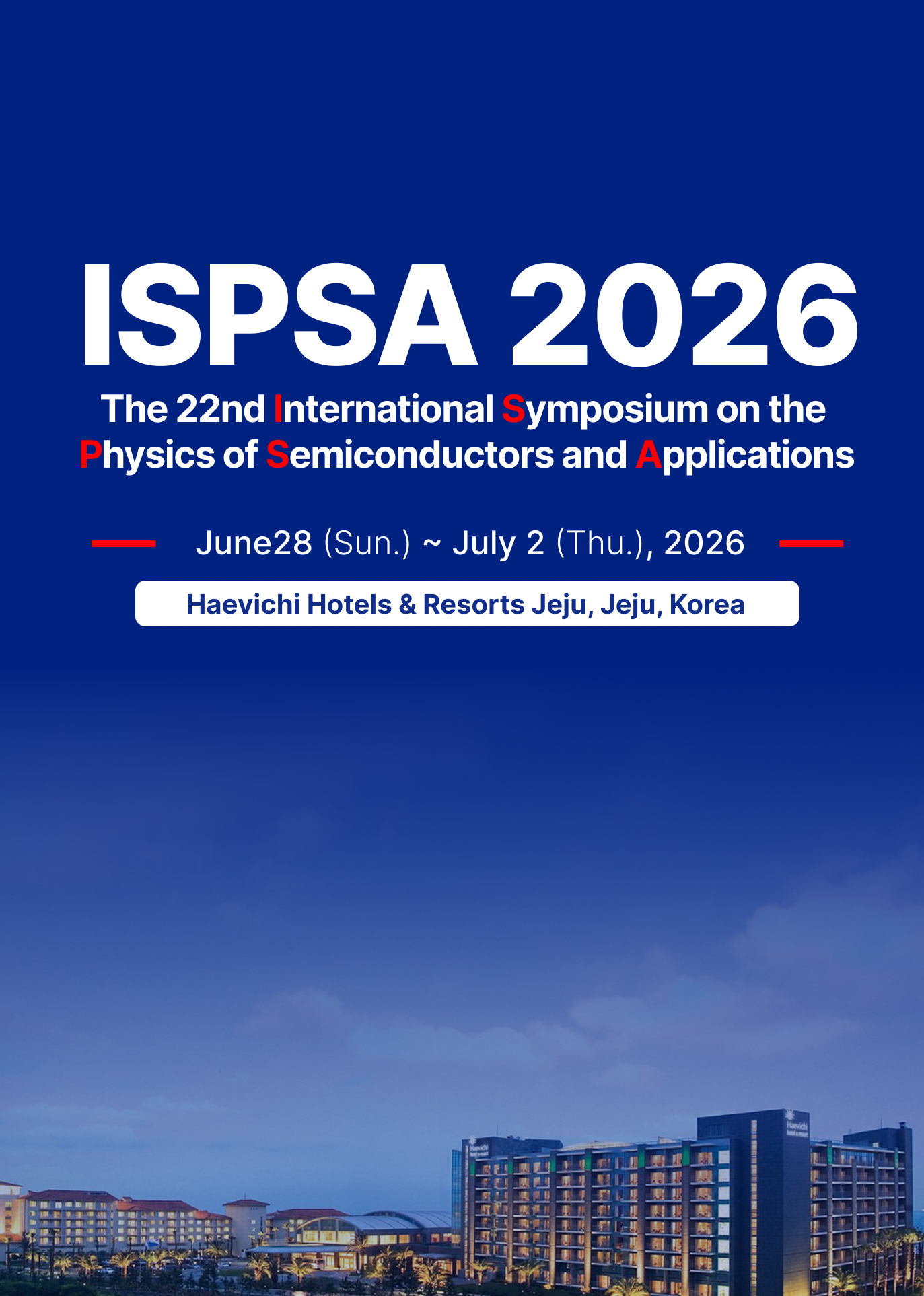
The 22nd International Symposium on the Physics of Semiconductors and Applications (ISPSA 2026) |
| 2026-06-28 ~ 2026-07-02 |

|
|
The 15th Asia-Pacific Conference on Transportation and the Environment (APTE 2026) |
| 2026-07-08 ~ 2026-07-10 |
|
|
ACEM26 / Structures26 (ACEM26) |
| 2026-08-24 ~ 2026-08-25 |
Journal Promotion

|
| Acta Koreana (Acta Koreana) |
|
| Acta Via Serica (AVS) |
|
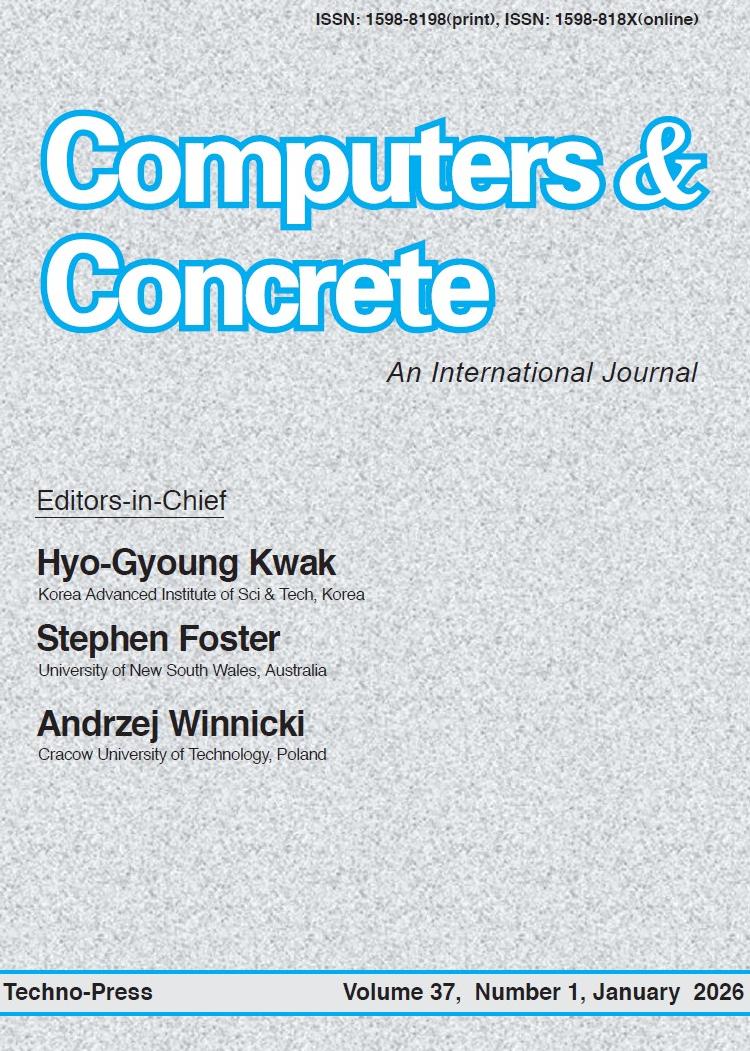
| Computers and Concrete (Computers and Concrete) |
|
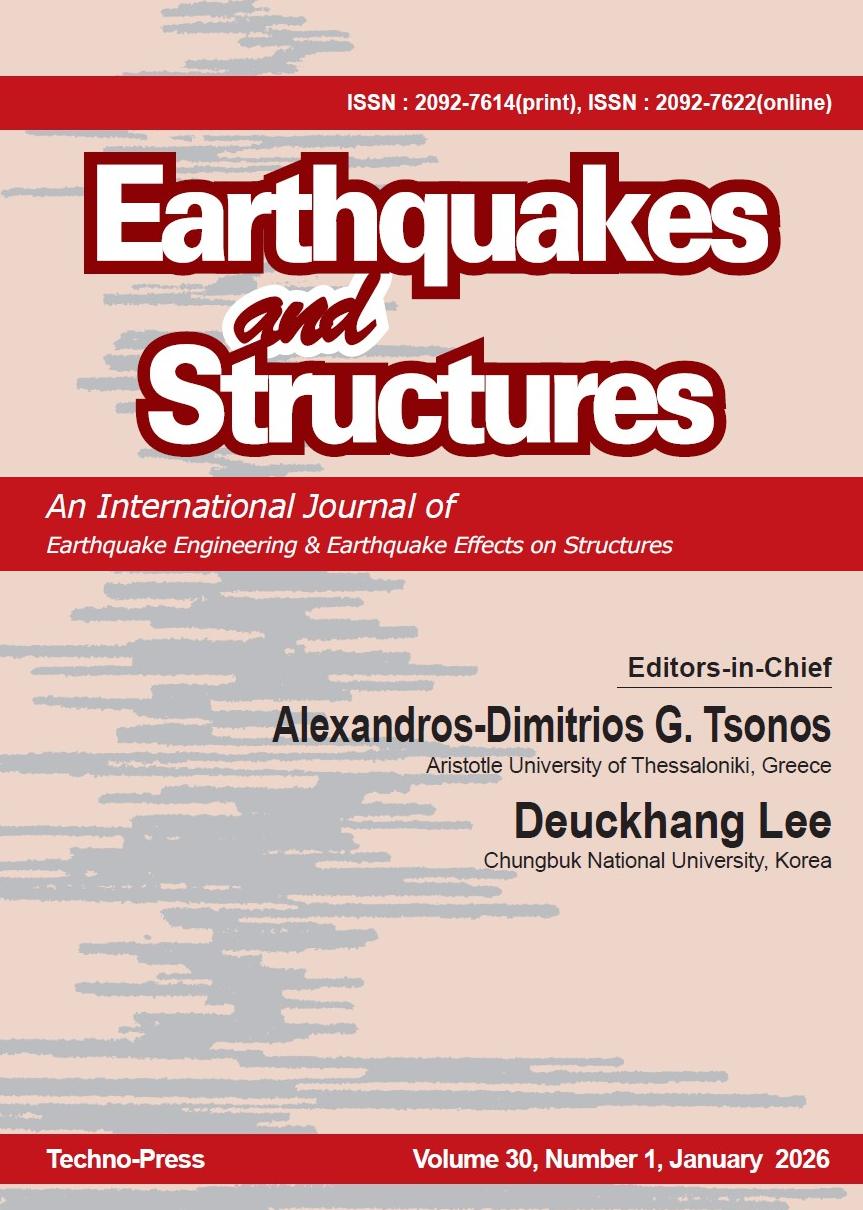
| Earthquakes and Structures, An International Journal (Earthquakes and Structures) |
|
| Geomechanics and Engineering (Geomechanics and Engineering) |
|
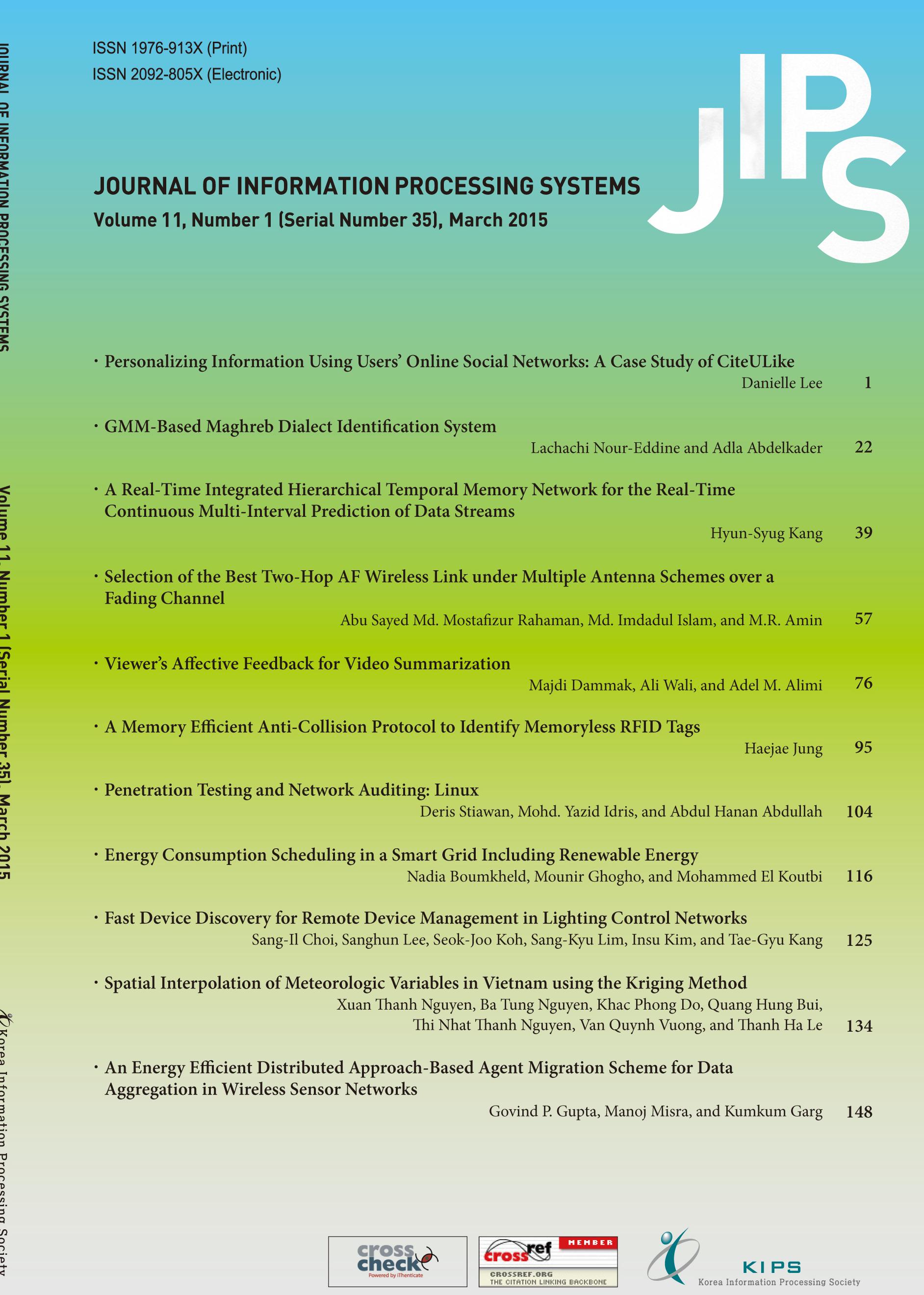
| Journal of Information Processing Systems (JIPS) |

|
| Journal of Internet Computing and Services (KSII - JICS) |

|
| Membrane and Water Treatment (MWT) |
|
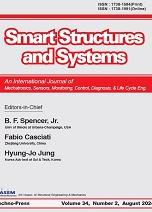
| Smart Structures and Systems (Smart Structures and Systems) |
|
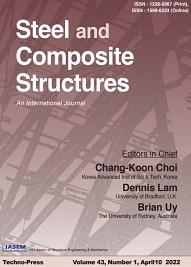
| Steel and Composite Structures, An International Journal (Steel and Composite Structures) |
|
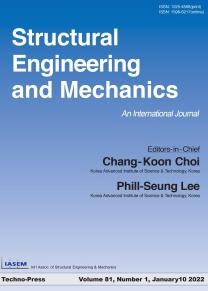
| Structural Engineering and Mechanics, An International Journal (Structural Engineering and Mechanics) |
|
| Wind and Structures, An International Journal (Wind and Structures) |




MANUSCRIPTLINK © 2015 -
