


39th PARIS International Conference on Research in Civil & Architectural Engineering (RCAE-26) July 20-22, 2026 Paris (France)
RCAE-26
- URL: https://urcae.urst.org/conference/180
- Event Date: 2026-07-20 ~ 2026-07-22
- Submission Date: 2026-07-01
- Organizer: URCAE
- Location: Paris, France
Architecture Civil Engineering
Call for Papers: RCAE-26
All Abstracts, Reviews, short articles, Full articles, Posters are welcomed related with any of the following research fields:
1. Core Structural Engineering
This is the most significant overlap between the two disciplines, focusing on the "bones" of a project.
Statics and Dynamics: Analysis of loads (stationary and moving) on structures.
Mechanics of Materials: Stress, strain, and elasticity of wood, steel, and concrete.
Structural Analysis: Determining the effects of loads on physical structures and their components.
Reinforced Concrete & Steel Design: Designing frameworks for skyscrapers, bridges, and housing.
Seismic Engineering: Designing structures to withstand earthquake forces.
2. Geotechnical Engineering
Primarily a Civil Engineering branch, but essential for Architectural Engineers to understand foundation stability.
Soil Mechanics: Behavior of different soil types under pressure.
Foundation Engineering: Design of shallow and deep foundations (piles, rafts, footings).
Retaining Structures: Designing walls to hold back earth or water.
Slope Stability: Landslide prevention and embankment design.
3. Building Systems (Architectural Engineering Focus)
These are the "organs" of a building. While Civil engineers handle the site, Architectural engineers handle the internal environment.
HVAC Systems: Heating, ventilation, and air conditioning design for thermal comfort.
Electrical & Lighting Systems: Power distribution and specialized architectural lighting design.
Acoustics: Sound insulation and vibration control within spaces.
Plumbing & Fire Protection: Internal water distribution and life-safety sprinkler systems.
4. Construction Engineering & Management
The "how" of bringing a design to life. This is a highly interrelated field.
Project Scheduling: Using tools like CPM (Critical Path Method).
Cost Estimation: Quantity surveying and budgeting.
Construction Safety: Occupational health and safety on site.
Building Information Modeling (BIM): 3D digital representation of physical and functional characteristics.
5. Transportation & Infrastructure (Civil Engineering Focus)
These topics usually exist independently of building-specific architectural engineering.
Highway Engineering: Pavement design and geometric layout of roads.
Traffic Engineering: Flow analysis, signaling, and urban mobility.
Railway & Airport Engineering: Design of specialized transit hubs and tracks.
6. Environmental & Water Resources
Focused on the impact of the built environment on nature and vice versa.
Hydrology: Management of surface water and groundwater.
Wastewater Treatment: Design of systems to process and clean urban waste.
Sustainable Design (LEED): Energy efficiency and green building materials (Highly interrelated).
Hydraulics: Fluid mechanics in pipes and open channels.
7. Materials Science
The study of the physical and chemical properties of what we build with.
Advanced Composites: Carbon fiber and polymers.
Cementitious Materials: High-performance concrete and additives.
Sustainable Materials: Recycled aggregates and low-carbon timber (Cross-laminated timber).
Event Promotion

|
|
The 13th International Conference on Quantum Dots (QD 2026) |
| 2026-05-17 ~ 2026-05-22 |
|
|
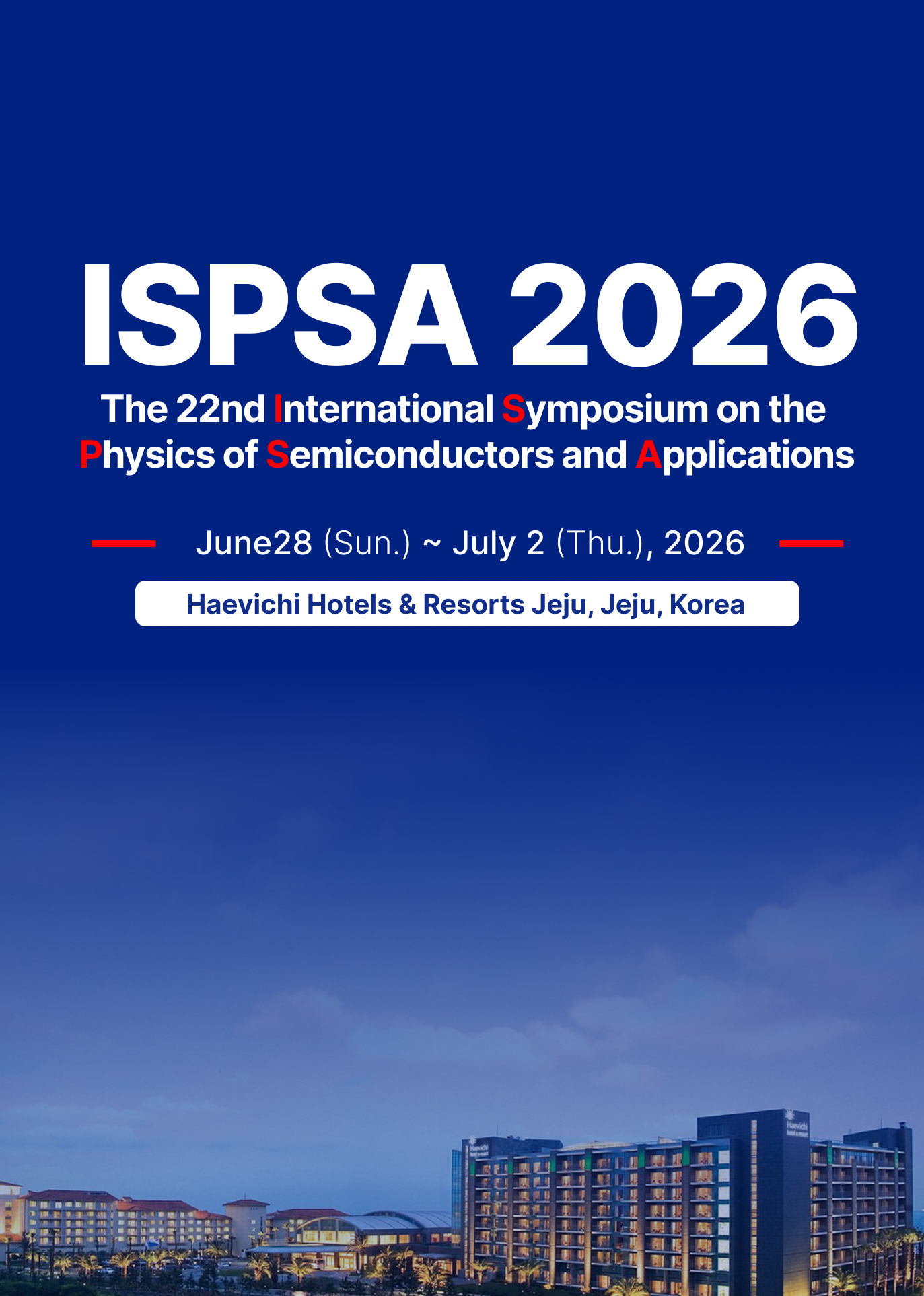
The 22nd International Symposium on the Physics of Semiconductors and Applications (ISPSA 2026) |
| 2026-06-28 ~ 2026-07-02 |

|
|
The 15th Asia-Pacific Conference on Transportation and the Environment (APTE 2026) |
| 2026-07-08 ~ 2026-07-10 |
|
|
ACEM26 / Structures26 (ACEM26) |
| 2026-08-24 ~ 2026-08-25 |
Journal Promotion

|
| Acta Koreana (Acta Koreana) |
|
| Acta Via Serica (AVS) |
|
| Computers and Concrete (Computers and Concrete) |
|
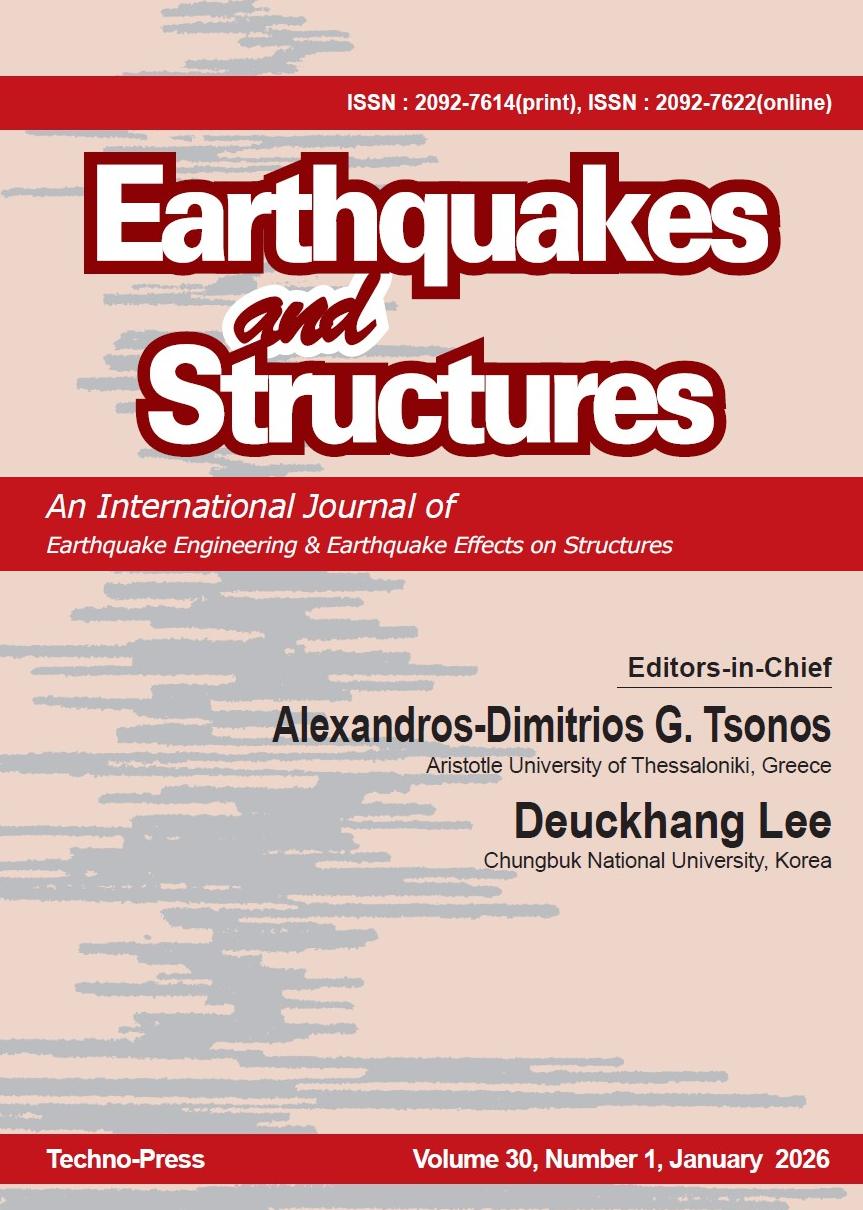
| Earthquakes and Structures, An International Journal (Earthquakes and Structures) |
|
| Geomechanics and Engineering (Geomechanics and Engineering) |
|
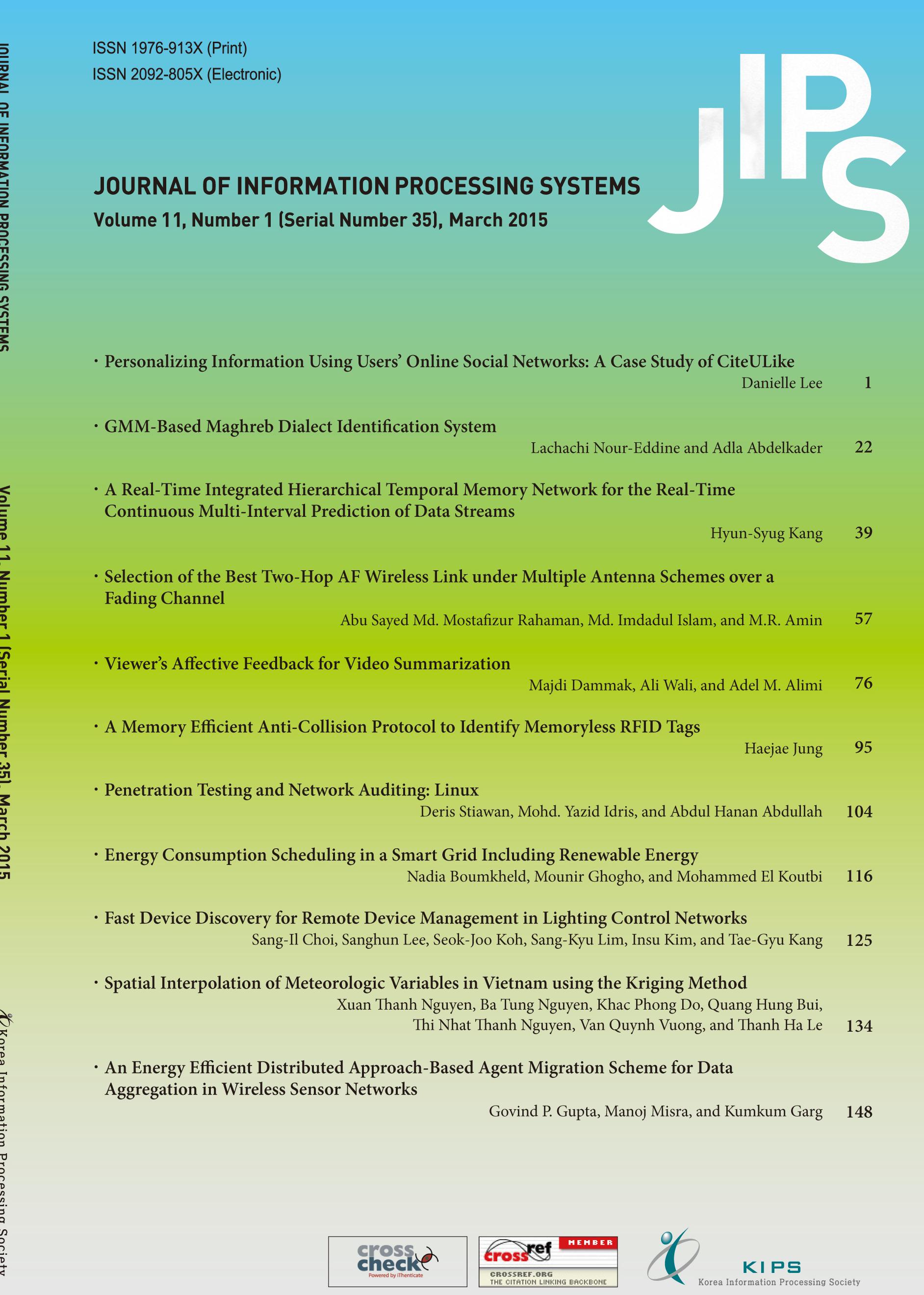
| Journal of Information Processing Systems (JIPS) |

|
| Journal of Internet Computing and Services (KSII - JICS) |

|
| Membrane and Water Treatment (MWT) |

|
| Smart Structures and Systems (Smart Structures and Systems) |
|
| Steel and Composite Structures, An International Journal (Steel and Composite Structures) |
|
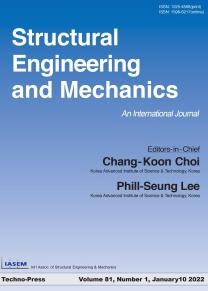
| Structural Engineering and Mechanics, An International Journal (Structural Engineering and Mechanics) |
|
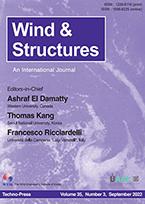
| Wind and Structures, An International Journal (Wind and Structures) |




MANUSCRIPTLINK © 2015 -
