


63rd PARIS International Congress on Studies in Chemical, Biological & Environmental Engineering (PSCBE2-26)
PSCBE2-26
- URL: https://drabl.org/conference/462
- Event Date: 2026-06-24 ~ 2026-06-26
- Submission Date: 2026-06-01
- Organizer: DRABL
- Location: Paris, France
Analytical Chemistry Dispersion Chemistry Electrochemistry Biochemistry Chemical & Material Sciences (General) Chemical Kinetics & Catalysis Crystallography & Structural Chemistry Environmental & Geological Engineering
Call for papers/Topics
Full Articles/ Reviews/ Shorts Papers/ Abstracts are welcomed in the following research fields:
1. Core Chemical Engineering (The Foundation)
Chemical engineering deals with the large-scale production of chemicals, fuel, and materials through chemical processes.
Thermodynamics
Laws of Thermodynamics
Phase Equilibria (VLE, LLE)
Chemical Reaction Equilibria
Transport Phenomena
Fluid Mechanics (Newtonian and non-Newtonian flow)
Heat Transfer (Conduction, Convection, Radiation)
Mass Transfer (Diffusion and Interphase transport)
Chemical Reaction Engineering (CRE)
Kinetics and Reactor Design (Batch, CSTR, PFR)
Catalysis and Heterogeneous Reactions
Bioreactor Design
Separation Processes
Distillation and Absorption
Extraction and Leaching
Membrane Separations
Process Control & Safety
Dynamics and Control Systems
Hazard and Operability Analysis (HAZOP)
2. Biological Engineering
This branch applies engineering principles to biological systems, focusing on pharmaceuticals, food production, and medical technologies.
Bioprocess Engineering
Cell Culture Engineering (Mammalian, Microbial)
Downstream Processing (Purification and Recovery)
Fermentation Technology
Biomolecular Engineering
Protein Engineering
Synthetic Biology
Metabolic Engineering
Biomedical Applications
Tissue Engineering and Regenerative Medicine
Drug Delivery Systems
Biosensors and Diagnostics
Food Engineering
Sterilization and Pasteurization
Nutraceuticals
Food Rheology
3. Environmental Engineering
This area focuses on protecting human health and the environment by minimizing waste and managing natural resources.
Water & Wastewater Treatment
Physical/Chemical Treatment (Flocculation, Sedimentation)
Biological Treatment (Activated Sludge, Anaerobic Digestion)
Desalination and Water Reuse
Air Quality Engineering
Particulate Matter Control
Gas-Phase Pollutant Treatment (Scrubbers, Catalytic Converters)
Atmospheric Dispersion Modeling
Waste Management
Solid Waste Engineering and Landfills
Hazardous Waste Remediation
Circular Economy and Recycling
Sustainability & Energy
Life Cycle Assessment (LCA)
Renewable Energy (Biofuels, Hydrogen, Solar Thermal)
Carbon Capture and Sequestration (CCS)
4. Cross-Disciplinary Topics
Modern engineering often blends these fields to solve complex global challenges.
Materials Science: Nanomaterials, Polymers, and Biomaterials.
Computational Modeling: Molecular Dynamics, Computational Fluid Dynamics (CFD), and Process Simulation.
Green Chemistry: Minimizing toxic waste in industrial chemical production.
Electrochemistry: Batteries, Fuel Cells, and Corrosion Science.
Event Promotion
|
|
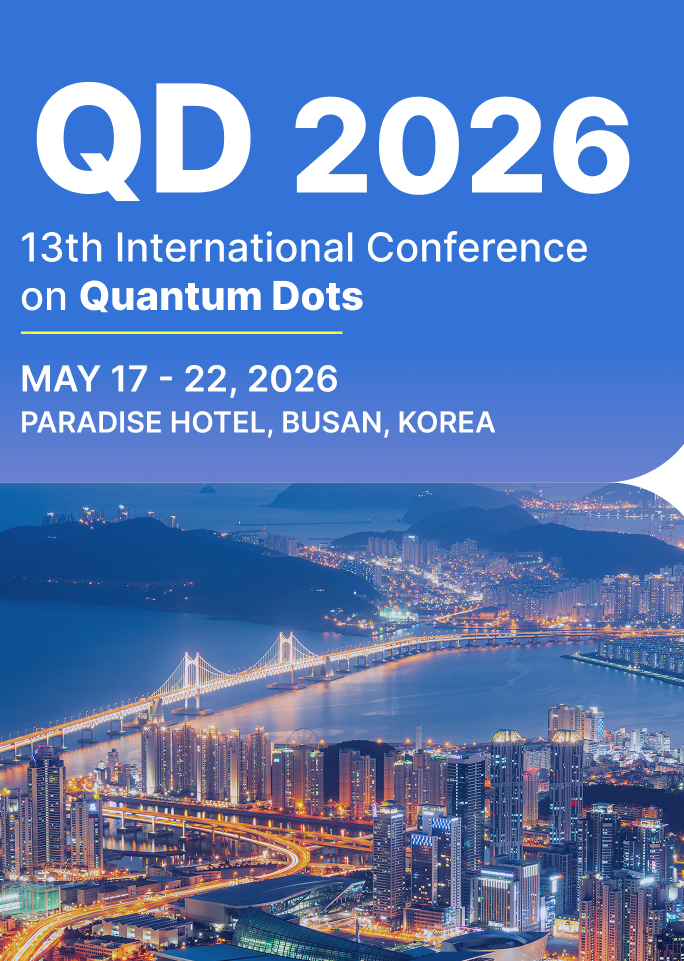
The 13th International Conference on Quantum Dots (QD 2026) |
| 2026-05-17 ~ 2026-05-22 |
|
|
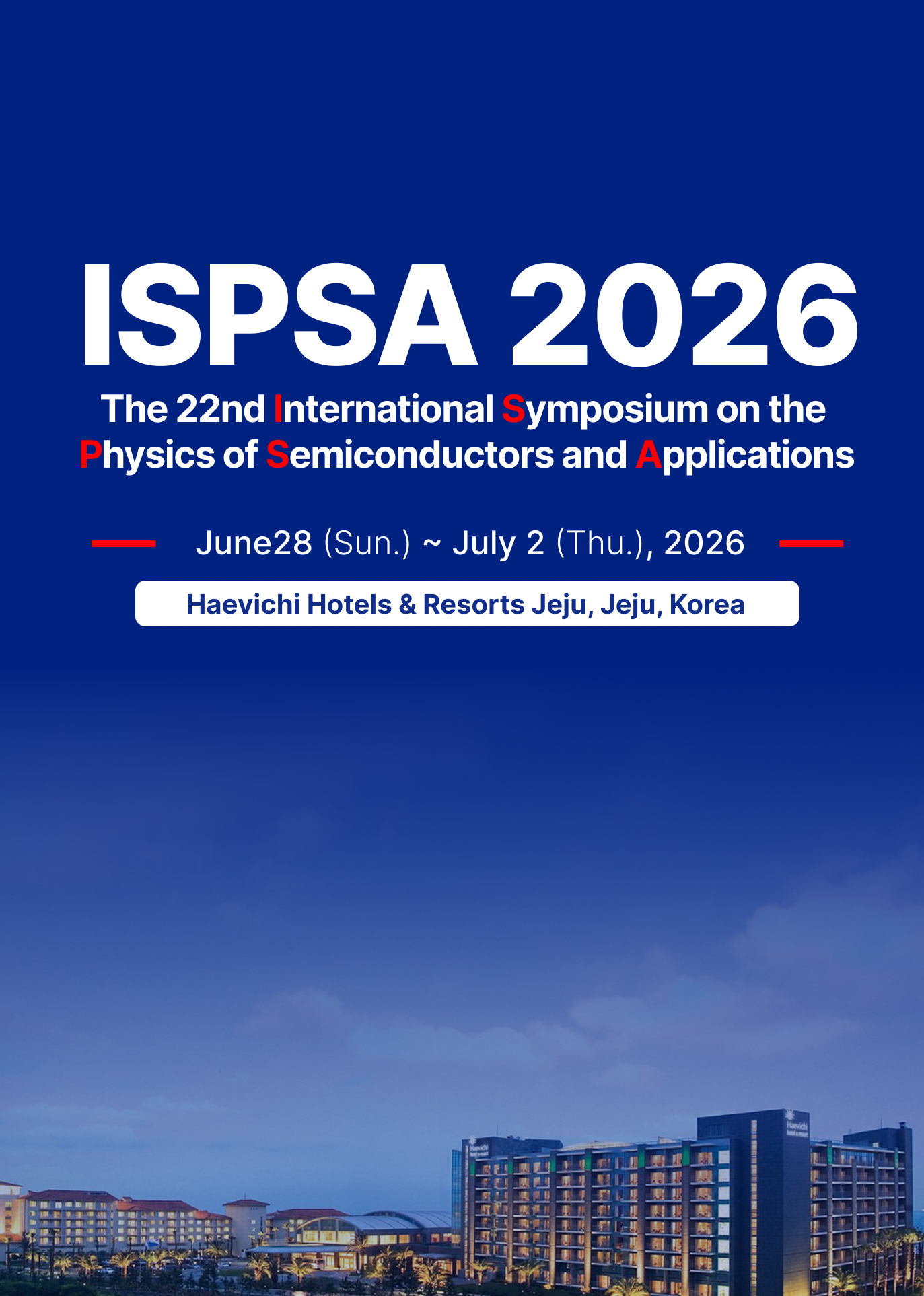
The 22nd International Symposium on the Physics of Semiconductors and Applications (ISPSA 2026) |
| 2026-06-28 ~ 2026-07-02 |

|
|
The 15th Asia-Pacific Conference on Transportation and the Environment (APTE 2026) |
| 2026-07-08 ~ 2026-07-10 |






MANUSCRIPTLINK © 2015 -
