


27th LISBON International Conference on Agriculture and Food Sciences (LICAFS-26) May 13-15, 2026 Lisbon (Portugal)
LICAFS-26
- URL: https://eacbee.erpub.org/conference/198
- Event Date: 2026-05-13 ~ 2026-05-15
- Submission Date: 2026-05-01
- Organizer: EACBEE
- Location: Lisbon, Portugal
Call for papers/Topics
Topics of Interest for Submission include, but are Not Limited to:
1. Agricultural Sciences (The Production Phase)
This area focuses on the cultivation of plants, the rearing of animals, and the management of natural resources.
Agronomy and Crop Science
Genetics and Breeding: Developing drought-resistant or high-yield varieties.
Crop Physiology: Studying how plants grow and respond to their environment.
Weed Science: Management of invasive plants that compete with crops.
Horticulture: Specialized cultivation of fruits, vegetables, and ornamental plants.
Soil Science (Edaphology and Pedology)
Soil Fertility: Nutrient management (Nitrogen, Phosphorus, Potassium).
Soil Microbiology: Studying the fungi and bacteria that support plant health.
Conservation and Health: Preventing erosion and maintaining soil structure.
Animal Science
Livestock Production: Management of cattle, poultry, swine, and sheep.
Animal Nutrition: Formulating feed for optimal growth and health.
Veterinary Science: Disease prevention and animal welfare.
Aquaculture: Farming of fish, crustaceans, and aquatic plants.
Agricultural Engineering and Technology
Precision Agriculture: Using GPS, drones, and IoT for data-driven farming.
Irrigation and Water Management: Efficient water delivery systems.
Farm Machinery: Development of harvesters, tractors, and automated robotics.
2. Food Science (The Processing Phase)
This discipline applies biology, chemistry, and engineering to ensure food quality, safety, and shelf-life.
Food Chemistry and Analysis
Molecular Composition: Studying proteins, lipids, carbohydrates, and vitamins.
Food Additives: Use of antioxidants, emulsifiers, and preservatives.
Flavor Chemistry: The study of aroma and taste compounds.
Food Microbiology and Safety
Fermentation: Using beneficial bacteria to create yogurt, bread, or kombucha.
Pathogen Control: Managing risks like Salmonella, E. coli, and Listeria.
Food Preservation: Techniques like pasteurization, canning, and dehydration.
Food Engineering and Processing
Manufacturing Processes: Extrusion, milling, and thermal processing.
Packaging Technology: Biodegradable materials and modified atmosphere packaging (MAP).
Product Development: Creating new food products from concept to shelf.
Sensory and Consumer Science
Sensory Evaluation: Scientific testing of texture, smell, and appearance.
Consumer Behavior: Understanding why people choose certain foods.
3. Intersection and Global Perspectives
Topics that span both agriculture and food science to address modern challenges.
Sustainability and Agroecology: Farming systems that mimic natural ecosystems.
Food Security: Ensuring all people have access to sufficient, safe food.
Nutraceuticals: Foods that provide medical or health benefits (Functional Foods).
Agribusiness and Economics: The global trade, supply chain, and marketing of food.
Post-Harvest Technology: Reducing waste between the farm gate and the consumer.
Event Promotion

|
|
The 13th International Conference on Quantum Dots (QD 2026) |
| 2026-05-17 ~ 2026-05-22 |
|
|
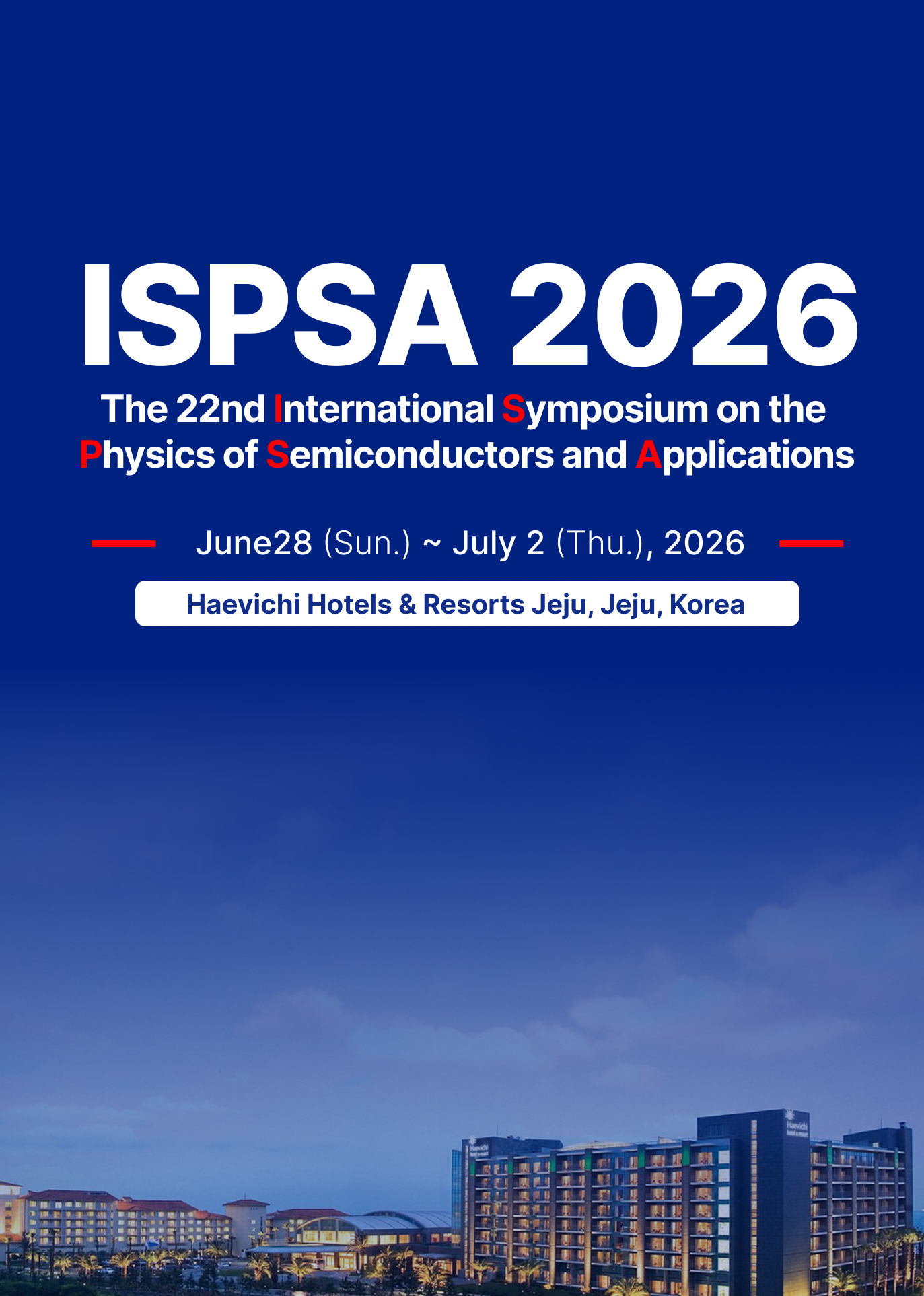
The 22nd International Symposium on the Physics of Semiconductors and Applications (ISPSA 2026) |
| 2026-06-28 ~ 2026-07-02 |

|
|
The 15th Asia-Pacific Conference on Transportation and the Environment (APTE 2026) |
| 2026-07-08 ~ 2026-07-10 |
Journal Promotion

|
| Acta Koreana (Acta Koreana) |
|
| Acta Via Serica (AVS) |

|
| Computers and Concrete (Computers and Concrete) |

|
| Earthquakes and Structures, An International Journal (Earthquakes and Structures) |
|
| Geomechanics and Engineering (Geomechanics and Engineering) |
|
| Journal of Information Processing Systems (JIPS) |

|
| Journal of Internet Computing and Services (KSII - JICS) |
|
| Membrane and Water Treatment (MWT) |

|
| Smart Structures and Systems (Smart Structures and Systems) |
|
| Steel and Composite Structures, An International Journal (Steel and Composite Structures) |
|
| Structural Engineering and Mechanics, An International Journal (Structural Engineering and Mechanics) |

|
| Wind and Structures, An International Journal (Wind and Structures) |




MANUSCRIPTLINK © 2015 -
