

32nd ISTANBUL World Congress on Disaster Management, Globalization & Sustainable Development (DMGSD-26) scheduled on April 29-May 1, 2026 Istanbul (Türkiye)
DMGSD-26
- URL: https://eaamp.erpub.org/conference/196
- Event Date: 2026-04-29 ~ 2026-05-01
- Submission Date: 2026-04-01
- Organizer: EAAMP
- Location: Istanbul, Turkey
Development Economics Disaster Management Globalization
Call for papers/Topics
Topics of Interest for Submission include, but are Not Limited to:
I. Disaster Management (DM)
Disaster Management focuses on the organization and management of resources and responsibilities for dealing with all humanitarian aspects of emergencies.
The Disaster Management Cycle
Mitigation: Structural (dams, retrofitting) vs. Non-structural (policies, insurance, land-use planning).
Preparedness: Early Warning Systems (EWS), evacuation planning, and emergency drills.
Response: Search and rescue, immediate relief (food, water, medical), and incident command systems.
Recovery: Rehabilitation (restoring services) and Reconstruction ("Building Back Better").
Types of Hazards
Natural Hazards: Geological (earthquakes, volcanoes), Hydrological (floods, tsunamis), and Meteorological (cyclones, droughts).
Man-Made/Technological: Industrial accidents (Bhopal gas tragedy type), nuclear leaks, and cyber-terrorism.
Biological Hazards: Epidemics and pandemics (COVID-19), pest infestations.
Key Frameworks & Tools
International Agreements: The Sendai Framework for Disaster Risk Reduction (2015–2030).
Technology in DM: GIS (Geographic Information Systems), Remote Sensing, and AI for predictive modeling.
II. Globalization
Globalization is the process of interaction and integration among people, companies, and governments worldwide.
Core Dimensions
Economic: Global trade, Foreign Direct Investment (FDI), and Global Value Chains (GVCs).
Political: Supranational organizations (UN, WTO, IMF) and the changing role of state sovereignty.
Cultural: Cultural homogenization vs. heterogenization, the digital divide, and the spread of ideologies.
Drivers of Globalization
Technological Advancements: The internet, high-speed transportation, and fintech.
Liberalization: Reduction of trade barriers and deregulation of capital markets.
Societal Impacts
Labor Markets: Outsourcing, migration patterns, and the "Brain Drain."
Inequality: The gap between the Global North and Global South.
III Sustainable Development (SD)
Sustainable Development is development that meets the needs of the present without compromising the ability of future generations to meet their own.
1. Environmental Sustainability
Focuses on maintaining the integrity of life-support systems and the responsible management of natural resources.
Climate Change & Energy
Renewable Energy (Solar, Wind, Hydro, Geothermal)
Decarbonization and Carbon Sequestration
Energy Efficiency and Green Building
Biodiversity & Ecosystems
Conservation of Terrestrial Ecosystems (Forests, Mountains)
Marine Conservation (Life Below Water)
Restoration Ecology and Rewilding
Resource Management
Sustainable Water Management and Sanitation
Soil Health and Land Degradation Neutrality
Waste Management and the Circular Economy
2. Social Sustainability
Focuses on human rights, equity, and the well-being of communities.
Human Development
Poverty Alleviation and Social Safety Nets
Quality Education and Lifelong Learning
Universal Health Coverage and Mental Well-being
Equity & Justice
Gender Equality and Empowerment
Reduced Inequalities (Income, Race, Ability)
Peace, Justice, and Strong Institutions
Sustainable Communities
Urban Planning and Sustainable Cities
Affordable Housing and Public Transport
Preservation of Cultural Heritage
3. Economic Sustainability
Focuses on long-term economic growth without negatively impacting social or environmental components.
Sustainable Production & Consumption
Ethical Supply Chains and Fair Trade
Responsible Corporate Governance (ESG Criteria)
Reducing Food Waste and Sustainable Agriculture
Green Economy
Circular Economic Models
Sustainable Finance and Green Bonds
Job Creation in Renewable Sectors
Innovation & Infrastructure
Resilient Infrastructure Development
Sustainable Industrialization
Research and Development (R&D) in Clean Tech
4. Governance and Global Cooperation
The frameworks and partnerships required to implement sustainable goals.
Policy & Frameworks
The UN Sustainable Development Goals (SDGs)
International Agreements (The Paris Agreement, Montreal Protocol)
National and Local Sustainability Strategies
Partnerships
Public-Private Partnerships (PPP)
Technology Transfer to Developing Nations
Data Monitoring and Accountability Frameworks
5. Emerging Challenges & Cross-Cutting Themes
Modern issues that intersect with all pillars of sustainability.
Digital Sustainability: The environmental impact of AI, data centers, and e-waste.
Disaster Risk Reduction: Building resilience against natural disasters.
Ethical Migration: Addressing climate refugees and urban migration.
Behavioral Change: Psychology of sustainability and sustainable lifestyle choices.
Event Promotion
|
|
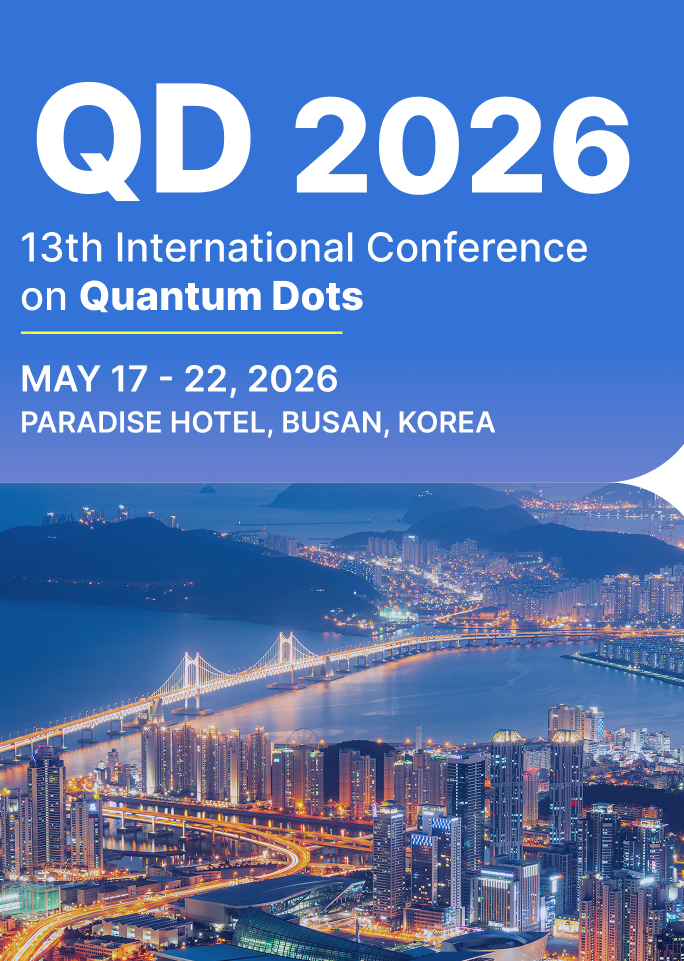
The 13th International Conference on Quantum Dots (QD 2026) |
| 2026-05-17 ~ 2026-05-22 |
|
|
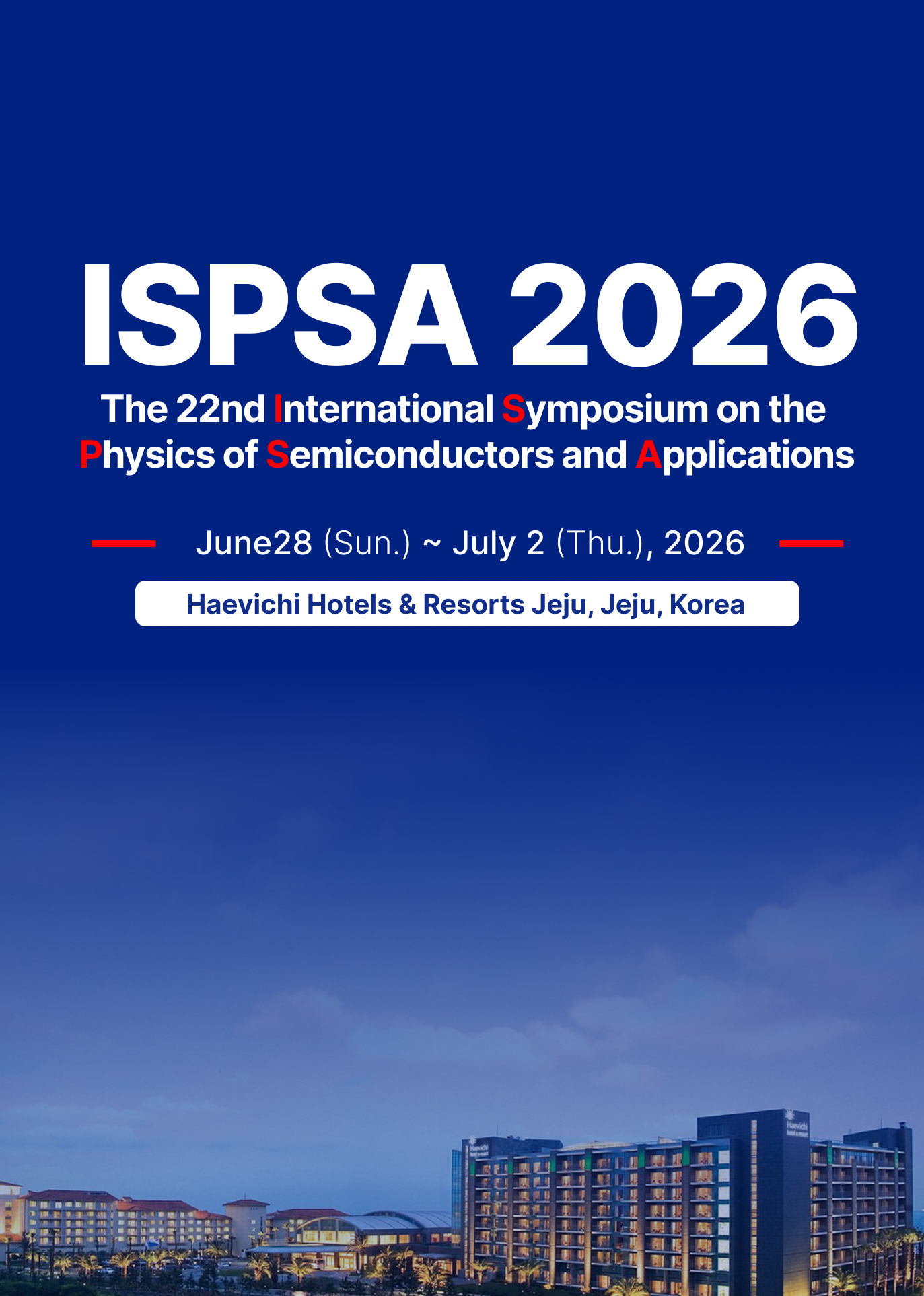
The 22nd International Symposium on the Physics of Semiconductors and Applications (ISPSA 2026) |
| 2026-06-28 ~ 2026-07-02 |
|
|
The 15th Asia-Pacific Conference on Transportation and the Environment (APTE 2026) |
| 2026-07-08 ~ 2026-07-10 |
|
|
ACEM26 / Structures26 (ACEM26) |
| 2026-08-24 ~ 2026-08-25 |
Journal Promotion
|
| Acta Koreana (Acta Koreana) |
|
| Acta Via Serica (AVS) |
|
| Advances in Concrete Construction (Advances in Concrete Construction ) |

|
| Advances in Nano Research (Advances in Nano Research) |

|
| Computers and Concrete (Computers and Concrete) |
|
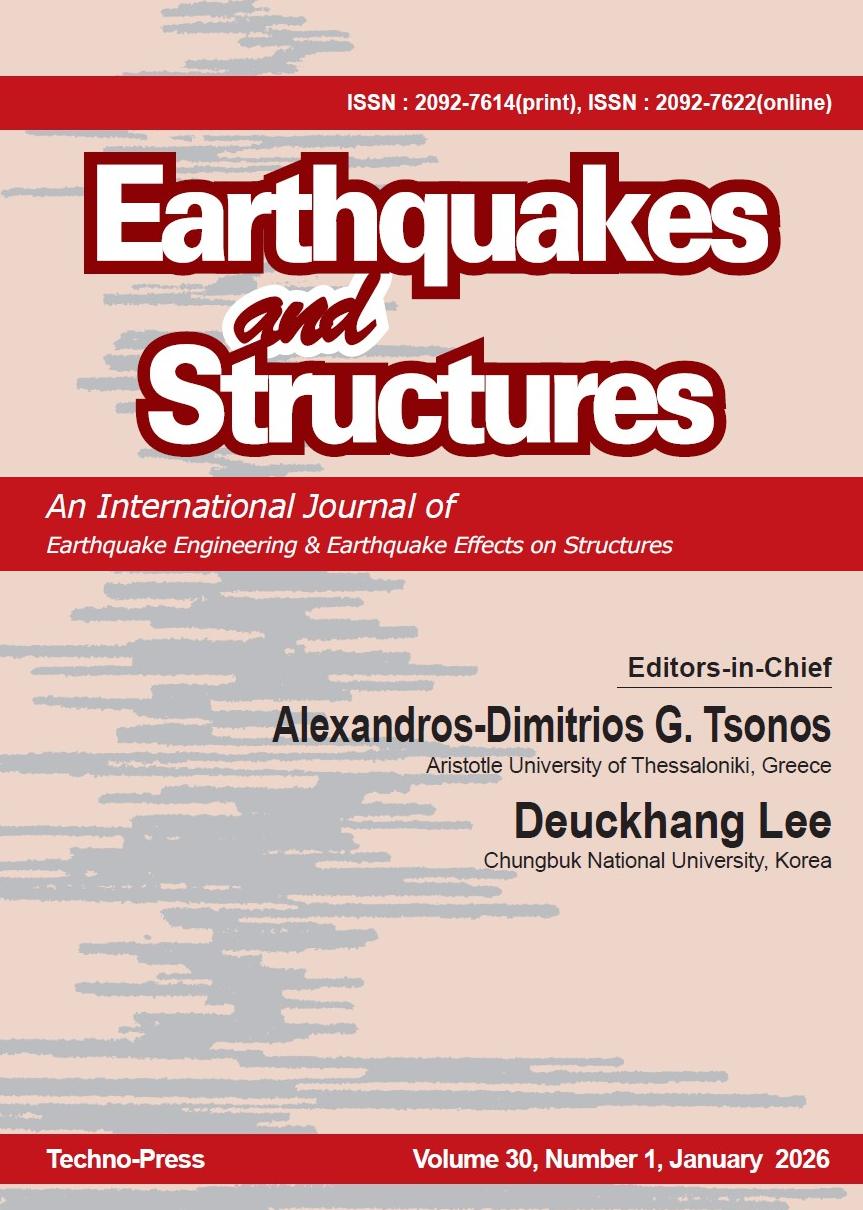
| Earthquakes and Structures, An International Journal (Earthquakes and Structures) |
|
| Geomechanics and Engineering (Geomechanics and Engineering) |
|
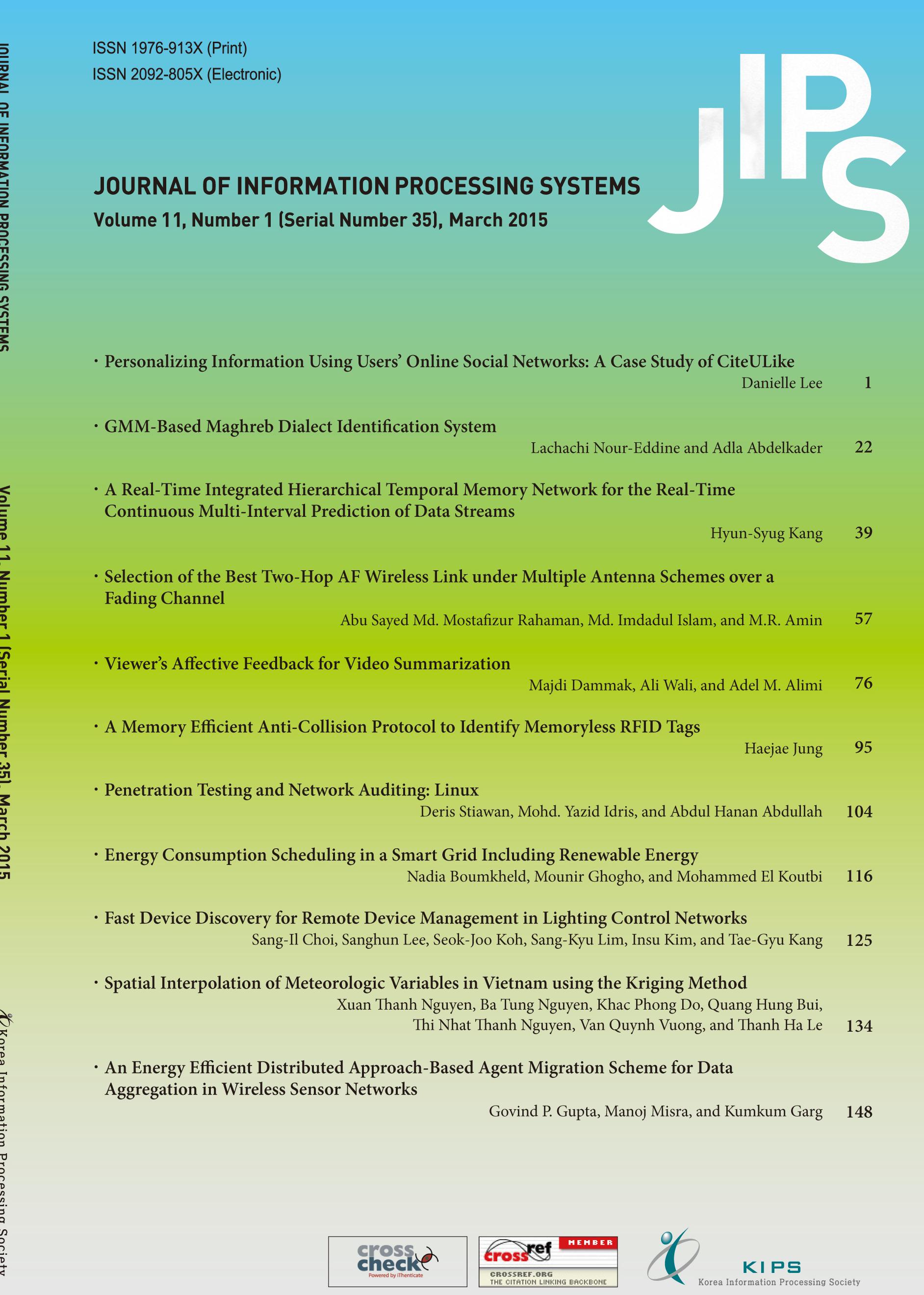
| Journal of Information Processing Systems (JIPS) |

|
| Journal of Internet Computing and Services (KSII - JICS) |

|
| Membrane and Water Treatment (MWT) |

|
| Smart Structures and Systems (Smart Structures and Systems) |
|
| Steel and Composite Structures, An International Journal (Steel and Composite Structures) |
|
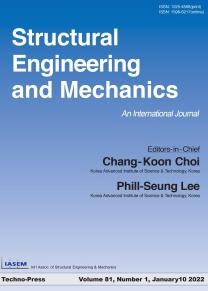
| Structural Engineering and Mechanics, An International Journal (Structural Engineering and Mechanics) |

|
| Wind and Structures, An International Journal (Wind and Structures) |



MANUSCRIPTLINK © 2015 -
