


VIENNA 8th World Conference on Research in Chemical, Biological & Environmental Engineering: VCBE2-27
VCBE2-27
- URL: https://etrg.org/conference/517
- Event Date: 2027-07-28 ~ 2027-07-30
- Submission Date: 2027-07-01
- Organizer: ETRG
Biochemistry Chemical & Material Sciences (General) Chemical Kinetics & Catalysis Biomedical Technology Cell Biology
Call for papers/Topics
Full Articles/ Reviews/ Shorts Papers/ Abstracts are welcomed in the following research fields:
Core Independent Topics
1. Chemical Engineering Fundamentals Focuses on converting raw materials into useful products via chemical, physical, and thermodynamic processes.
Transport Phenomena: Momentum transfer (fluid mechanics), heat transfer (conduction, convection, radiation), and mass transfer (diffusion, interphase transport).
Thermodynamics & Phase Equilibria: First and second laws, chemical potential, phase behavior of mixtures, non-ideal solutions, and reaction equilibria.
Chemical Reaction Engineering: Homogeneous and heterogeneous kinetics, reactor design (CSTR, PFR, packed-bed), catalyst development, and transport-reaction interactions.
Separation Processes: Distillation, liquid-liquid extraction, absorption, crystallization, and membrane separations.
Process Dynamics, Systems, & Control: Process modeling, feedback/feedforward control loops, optimization, and plant safety systems.
2. Biological & Biochemical Engineering Applies engineering principles to biological systems, organisms, and molecular biology.
Bioprocess Engineering: Fermentation technology, bioreactor design and scale-up, cell culture kinetics, and downstream processing (purification, separation).
Enzyme & Protein Engineering: Biocatalysis, enzyme kinetics, protein folding, directed evolution, and immobilization techniques.
Metabolic Engineering & Synthetic Biology: Genetic pathway manipulation, flux balance analysis, cellular chassis development, and industrial strain design.
Biomedical Engineering Systems: Biomaterial interaction, tissue engineering scaffolds, drug delivery systems, and biosensors.
Biomanufacturing Quality & Regulation: Process analytical technology (PAT), sterility assurance, biosafety levels, and regulatory compliance.
3. Environmental Engineering & Science Focuses on preserving natural ecosystems, remediating pollution, and safeguarding public health.
Water & Wastewater Treatment: Physicochemical treatment, biological nutrient removal, advanced oxidation processes, and desalination.
Air Quality Engineering: Particulate matter control, gaseous emission abatement, atmospheric chemistry, and indoor air quality.
Solid & Hazardous Waste Management: Landfill engineering, hazardous waste neutralization, waste-to-energy conversion, and soil containment.
Environmental Remediation: Bioremediation, phytoremediation, chemical oxidation in soil/groundwater, and pump-and-treat systems.
Hydrology & Environmental Fluid Dynamics: Fate and transport of contaminants, surface/groundwater modeling, and environmental fluid mechanics.
Interrelated & Cross-Disciplinary Topics
These fields integrate concepts from chemical, biological, and environmental domains to tackle complex, modern challenges.
1. Environmental Biotechnology & Bioremediation Merges Biological Engineering + Environmental Engineering
Microbial Ecology in Treatment Systems: Metagenomics of wastewater microbes, biofilm reactors, and anaerobic digestion kinetics.
Biological Contaminant Degradation: Degradation pathways for microplastics, PFAS, hydrocarbons, and pharmaceuticals.
Resource Recovery from Waste: Algal bioprocessing for biofuels, nutrient recovery (struvite precipitation), and bioplastic production from waste streams.
2. Sustainable Chemical Processes & Green Chemistry Merges Chemical Engineering + Environmental Engineering
Life Cycle Assessment (LCA) & Eco-Efficiency: Carbon footprinting, cradle-to-grave analysis, and industrial ecology.
Green Solvents & Catalysis: Ionic liquids, supercritical fluids, bio-based catalysts, and atom-economical synthesis.
Process Intensification: Microreactors, reactive distillation, and energy-efficient separation systems aimed at minimizing environmental footprints.
3. Biorefineries & Circular Bioeconomy Merges Chemical Engineering + Biological Engineering + Environmental Engineering
Biomass Conversion & Fractionation: Pretreatment technologies, pyrolysis, gasification, and enzymatic hydrolysis of lignocellulosic feedstocks.
Biochemical Synthesis: Conversion of synthesis gas or bio-sugars into platform chemicals, biopolymers, and bio-jet fuels.
Closed-Loop Systems: Industrial symbiosis, zero-liquid discharge (ZLD) plants, and circular carbon utilization.
4. Advanced Carbon Management & Climate Mitigation Merges Chemical Engineering + Biological Engineering + Environmental Engineering
Direct Air & Point-Source Capture: Amine scrubbing, metal-organic frameworks (MOFs), and solid sorbents.
Biological Carbon Sequestration: Microalgae cultivation, enhanced soil carbon storage, and enzymatic carbon fixation.
Carbon Utilization (CCU): Electrochemical and catalytic reduction of CO2 into fuels and building materials
Journal Promotion

|
| Acta Koreana (Acta Koreana) |
|
| Acta Via Serica (AVS) |
|
| Advances in Concrete Construction (Advances in Concrete Construction ) |

|
| Advances in Nano Research (Advances in Nano Research) |
|
| Computers and Concrete (Computers and Concrete) |
|
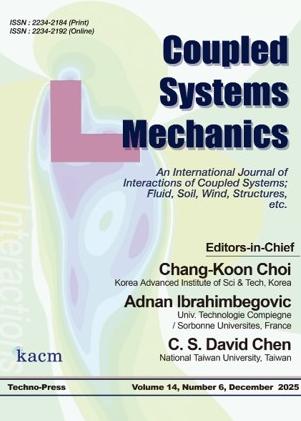
| Coupled Systems Mechanics (Coupled Systems Mechanics) |

|
| Earthquakes and Structures, An International Journal (Earthquakes and Structures) |
|
| Geomechanics and Engineering (Geomechanics and Engineering) |

|
| Journal of Information Processing Systems (JIPS) |

|
| Journal of Internet Computing and Services (KSII - JICS) |
|
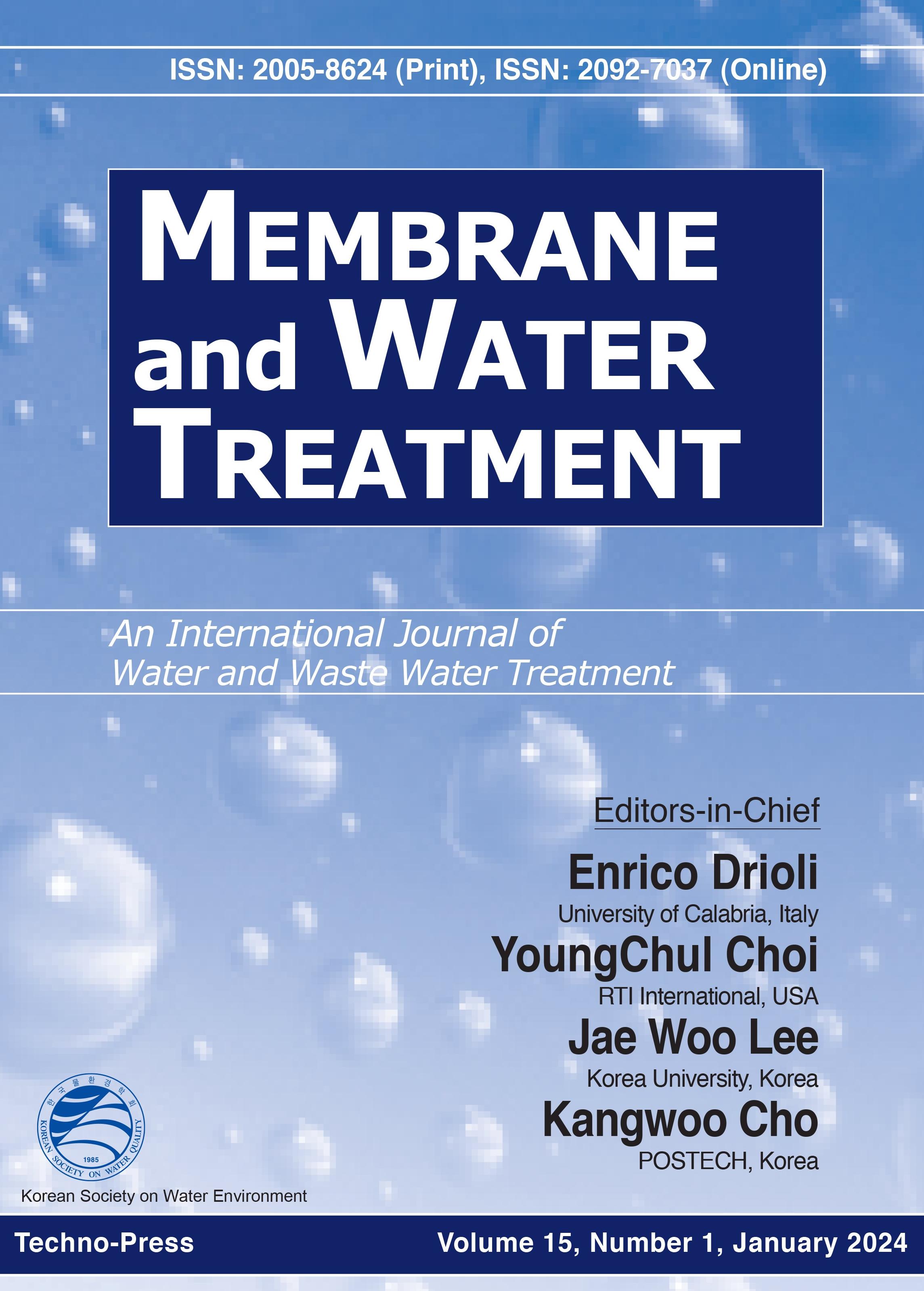
| Membrane and Water Treatment (MWT) |

|
| Smart Structures and Systems (Smart Structures and Systems) |
|
| Steel and Composite Structures, An International Journal (Steel and Composite Structures) |
|
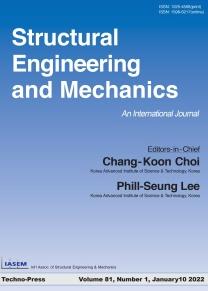
| Structural Engineering and Mechanics, An International Journal (Structural Engineering and Mechanics) |

|
| Wind and Structures, An International Journal (Wind and Structures) |




MANUSCRIPTLINK © 2015 -
