


PRAGUE 14th Global Congress on Civil, Materials & Environmental Engineering (PCMEE-27) scheduled on July 26-28, 2027 Prague (Czech Republic)
PCMEE-27
- URL: https://urcae.urst.org/conference/208
- Event Date: 2027-07-26 ~ 2027-07-28
- Submission Date: 2027-07-01
- Organizer: URCAE
Environmental & Geological Engineering Civil Engineering Environmental & Geological Engineering Environmental Sciences
Call for papers/Topics
All Abstracts, Reviews, short articles, Full articles, Posters are welcomed related with any of the following research fields:
Independent Topics
Civil Engineering
Structural Dynamics and Earthquake Engineering
Ground motion analysis and seismic hazard assessment
Structural response to dynamic loading
Seismic isolation and dampening systems
Performance-based seismic design
Geotechnical Engineering and Foundation Design
Soil mechanics and stress-strain behavior
Deep and shallow foundation analysis
Slope stability and retaining wall design
Soil stabilization and ground improvement
Transportation Systems and Traffic Logistics
Geometric design of highways and railways
Traffic flow theory and capacity analysis
Intelligent Transportation Systems (ITS)
Pavement structural evaluation and maintenance
Materials Science and Engineering
Phase Transformations and Thermodynamics
Binary and ternary phase diagrams
Kinetics of nucleation and growth
Diffusion mechanisms in solids
Heat treatment and microstructural evolution
Electronic, Magnetic, and Optical Materials
Semiconductor physics and device fabrication
Superconductivity and quantum materials
Ferromagnetic and dielectric phenomena
Photonic crystals and optoelectronic devices
Mechanical Behavior of Materials
Dislocation theory and strengthening mechanisms
Fracture mechanics and fatigue failure
High-temperature creep and stress rupture
Tribology and wear mechanisms
Environmental Engineering
Aquatic Chemistry and Water Quality Engineering
Chemical equilibria in natural water systems
Disinfection mechanics and byproduct formation
Heavy metal speciation and transport
Coagulation, flocculation, and sedimentation processes
Air Quality and Atmospheric Chemistry
Particulate matter formation and dispersion modeling
Photochemical smog and tropospheric ozone chemistry
Industrial emissions control technologies
Indoor air quality and bioaerosol control
Subsurface Contaminant Transport and Remediation
Groundwater hydrology and flow modeling
Non-aqueous phase liquid (NAPL) dynamics
In-situ chemical oxidation and reduction
Soil vapor extraction and pump-and-treat systems
Interrelated Topics
Civil + Materials Engineering
Advanced Concrete Technology and Binder Systems
Hydration kinetics of Portland cement
Supplementary cementitious materials (fly ash, slag, silica fume)
Alkali-activated materials and geopolymers
Microstructural characterization of the interfacial transition zone
Infrastructure Asset Degradation and Corrosion
Electrochemical mechanisms of steel rebar corrosion
Chloride ingress and carbonation modeling
Alkali-silica reaction (ASR) mechanisms and mitigation
Non-destructive evaluation of internal material defects
Fiber-Reinforced Composites for Structural Retrofitting
Carbon and glass FRP composite wrap applications
Interfacial bond mechanics between composite and concrete
High-performance fiber-reinforced cementitious composites (HPFRCC)
Long-term durability under environmental fatigue
Materials + Environmental Engineering
Sustainable Materials Design and Circular Metallurgy
Design for disassembly and recycling
Upcycling of industrial byproducts and slag
Bio-based and biodegradable polymers
Rare earth element recovery from electronic waste
Membrane Science for Water Purification
Polymeric and ceramic membrane synthesis
Reverse osmosis and nanofiltration transport mechanisms
Membrane fouling mechanisms and anti-fouling surface modification
Electrodialysis and capacitive deionization materials
Environmental Catalysis and Photocatalysis
Titanium dioxide and semiconductor photocatalysis
Catalysts for advanced oxidation processes (AOPs)
Degradation of emerging contaminants and PFAS
Selective catalytic reduction (SCR) of nitrogen oxides
Civil + Environmental Engineering
Sustainable Urban Water Infrastructure
Low Impact Development (LID) and green infrastructure design
Urban stormwater runoff routing and quality management
Integrated sewer system overflow control
Rainwater harvesting and decentralized greywater reuse
Geoenvironmental Engineering and Containment Systems
Design of composite liner systems for municipal landfills
Clay barrier permeability and chemical compatibility
Leachate collection, generation, and treatment hydraulics
Capping systems for contaminated site closure
Resilient Coastal Infrastructure
Hydrodynamic modeling of storm surges and sea-level rise
Living shorelines and nature-based coastal protection
Wave-structure interaction on breakwaters and seawalls
Coastal aquifer saltwater intrusion management
Civil + Materials + Environmental Engineering (Three-Way Intersection)
Life Cycle Assessment and Sustainable Infrastructure Systems
Embodied carbon quantification in construction materials
Cradle-to-grave inventory analysis of civil assets
Circular economy integration in mega-infrastructure planning
Decarbonization pathways for heavy building materials
Green Building Envelopes and Smart Infrastructure
Phase-change materials (PCMs) for passive thermal management
Self-healing concrete via microencapsulation and bacteria
Photo-catalytic pavements for urban air pollution mitigation
Pervious concrete systems for urban runoff reduction and heat island mitigation
Waste Minimization and Structural Reuse Strategy
Processing of recycled concrete aggregates (RCA) for structural use
Stabilization and solidification of hazardous waste in civil binders
Use of crushed glass, rubber, and plastics in asphalt pavement mixes
Long-term leaching kinetics of structural waste-derived aggregates
Event Promotion
Journal Promotion

|
| Acta Koreana (Acta Koreana) |

|
| Acta Via Serica (AVS) |
|
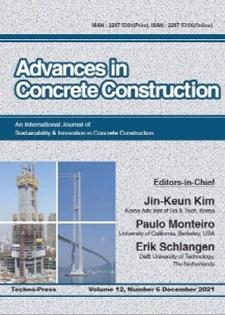
| Advances in Concrete Construction (Advances in Concrete Construction ) |

|
| Advances in Nano Research (Advances in Nano Research) |
|
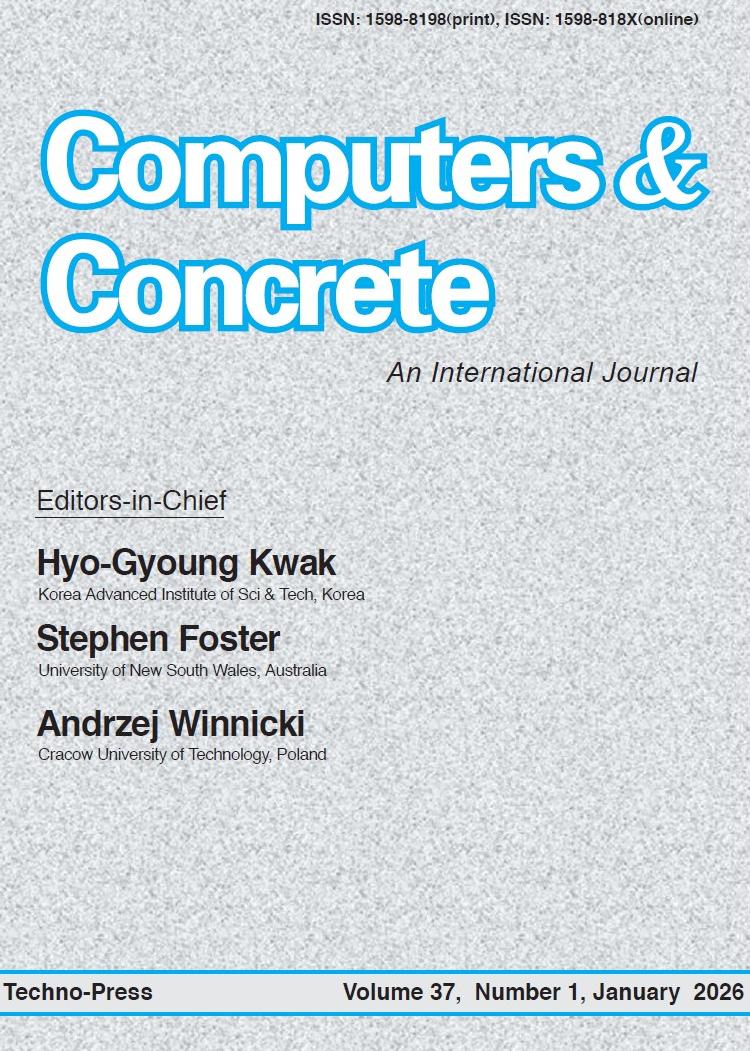
| Computers and Concrete (Computers and Concrete) |
|
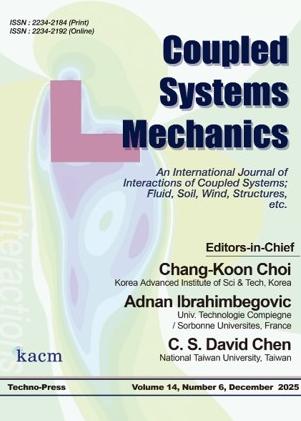
| Coupled Systems Mechanics (Coupled Systems Mechanics) |
|
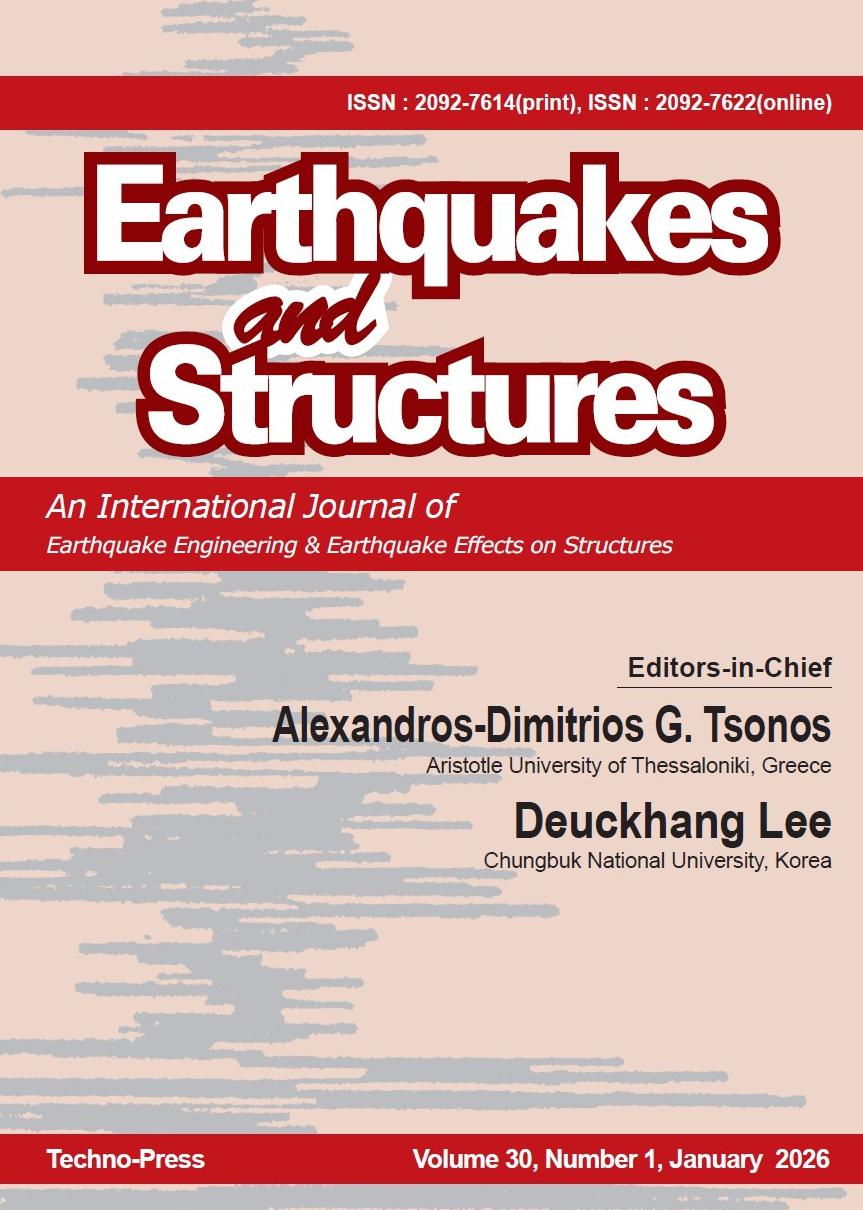
| Earthquakes and Structures, An International Journal (Earthquakes and Structures) |
|
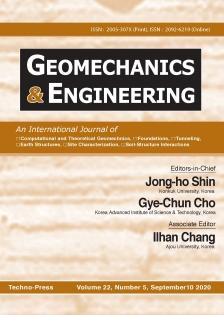
| Geomechanics and Engineering (Geomechanics and Engineering) |

|
| Journal of Information Processing Systems (JIPS) |

|
| Journal of Internet Computing and Services (KSII - JICS) |
|
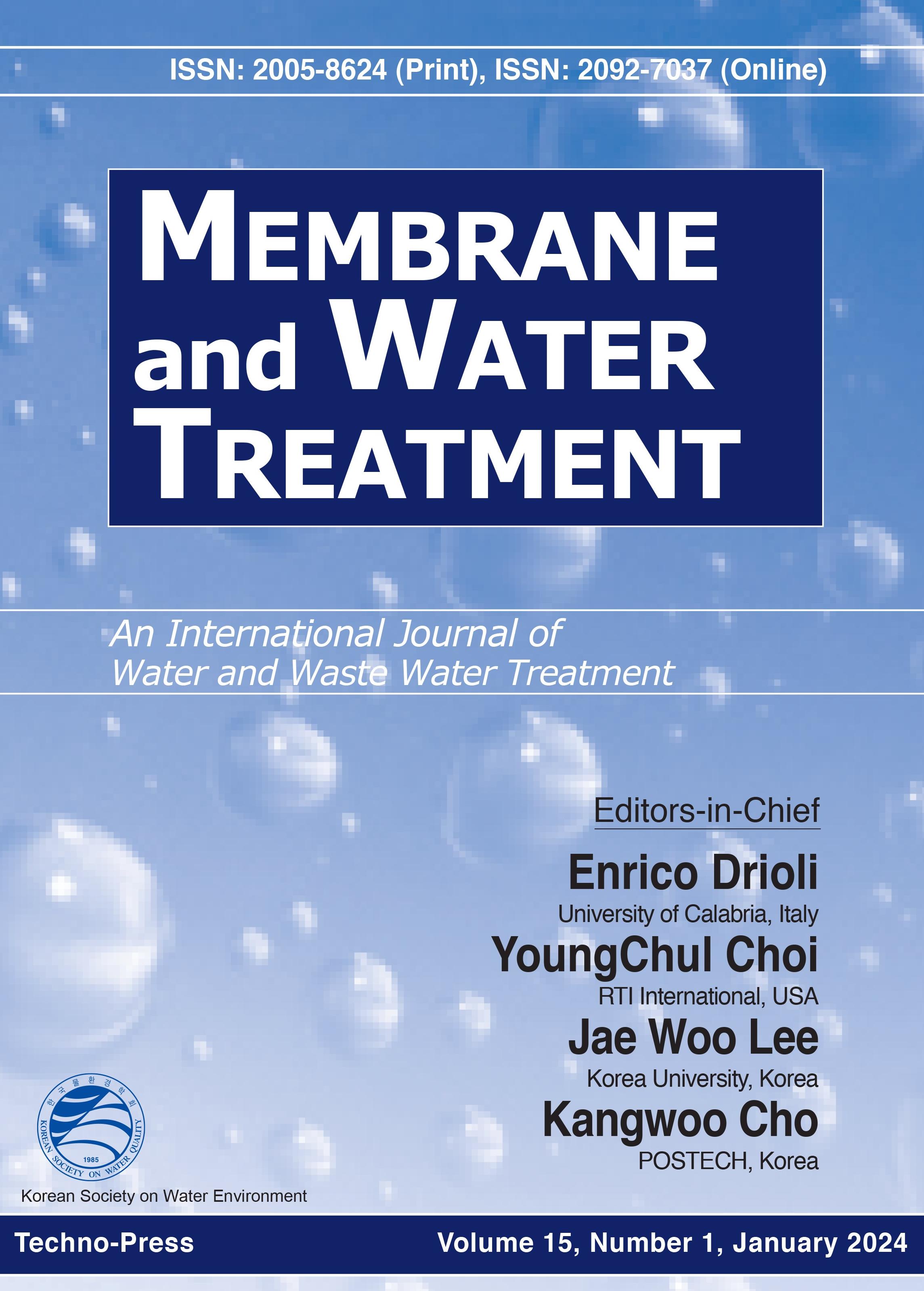
| Membrane and Water Treatment (MWT) |

|
| Smart Structures and Systems (Smart Structures and Systems) |
|
| Steel and Composite Structures, An International Journal (Steel and Composite Structures) |
|
| Structural Engineering and Mechanics, An International Journal (Structural Engineering and Mechanics) |

|
| Wind and Structures, An International Journal (Wind and Structures) |




MANUSCRIPTLINK © 2015 -
