


54th ISTANBUL International Congress on Psychology, Philosophy & Interdisciplinary Studies (IPPIS-26) June 1-3, 2026 Istanbul (Türkiye)
IPPIS-26
- URL: https://hssis.org/conference/365
- Event Date: 2026-06-01 ~ 2026-06-03
- Submission Date: 2026-05-15
- Organizer: HSSIS
- Location: Istanbul, Turkey
Call for papers/Topics
This is a vast intellectual territory where the questions of how we think (Psychology), why we exist (Philosophy), and how these fields merge (Interdisciplinary Studies) overlap.
Here is a comprehensive breakdown of the core topics and subtopics within these domains. Full Articles/ Reviews/ Shorts Papers/ Abstracts are welcomed in the following research fields:
1. Psychology: The Science of Mind and Behavior
Psychology focuses on empirical observation and the mechanics of the human experience.
Biological & Evolutionary Psychology
Neuroscience and Neuroanatomy
Genetics and Behavior
Sensation and Perception
Cognitive Psychology
Memory (Encoding, Storage, Retrieval)
Attention and Consciousness
Language Acquisition and Psycholinguistics
Problem Solving and Decision Making
Developmental Psychology
Child and Adolescent Development
Aging and Gerontology
Attachment Theory
Social & Personality Psychology
Social Influence (Conformity, Obedience)
Group Dynamics and Prejudice
Trait Theory (The Big Five)
The Self and Identity
Clinical & Abnormal Psychology
Psychopathology (Disorders and Diagnosis)
Psychotherapy Modalities (CBT, DBT, Psychodynamic)
Mental Health and Wellness
2. Philosophy: The Study of Fundamental Truths
Philosophy uses logic and reason to explore the nature of reality, knowledge, and ethics.
Metaphysics
Ontology (The nature of being)
Cosmology (The origins of the universe)
Free Will vs. Determinism
Epistemology
The Nature of Knowledge and Belief
Rationalism vs. Empiricism
Skepticism and Truth
Ethics & Moral Philosophy
Meta-ethics (The origin of moral values)
Normative Ethics (Utilitarianism, Deontology, Virtue Ethics)
Applied Ethics (Bioethics, Environmental Ethics)
Logic
Deductive and Inductive Reasoning
Formal Logic and Symbolic Logic
Informal Fallacies
Political Philosophy
Justice, Liberty, and Rights
The Social Contract
Power and Governance
3. Interdisciplinary Studies: The Intersection
These fields emerge when Psychology and Philosophy interact with each other and other sciences.
Cognitive Science (Philosophy + Psychology + AI + Linguistics)
Artificial Intelligence and Machine Learning
Neural Networks
Philosophy of Mind (The Mind-Body Problem)
Philosophy of Psychology
The Foundations of Psychological Theories
The Validity of Clinical Diagnosis
Functionalism vs. Behaviorism
Moral Psychology
Altruism and Egoism
Moral Development (Kohlberg’s stages)
Evolutionary Ethics
Neuroethics
The Ethics of Brain Intervention
Neurological Basis of Agency
Privacy and "Brain-Reading" technology
Phenomenology & Existentialism
The Subjective Experience (Qualia)
Existential Psychology (The search for meaning)
Intersubjectivity
4. Emerging & Specialized Fields
Positive Psychology: The study of human flourishing.
Philosophy of Science: The logic and reliability of the scientific method.
Environmental Psychology: The relationship between humans and their surroundings.
Psycholinguistics: How the brain processes and creates language.
Event Promotion

|
|
The 13th International Conference on Quantum Dots (QD 2026) |
| 2026-05-17 ~ 2026-05-22 |
|
|
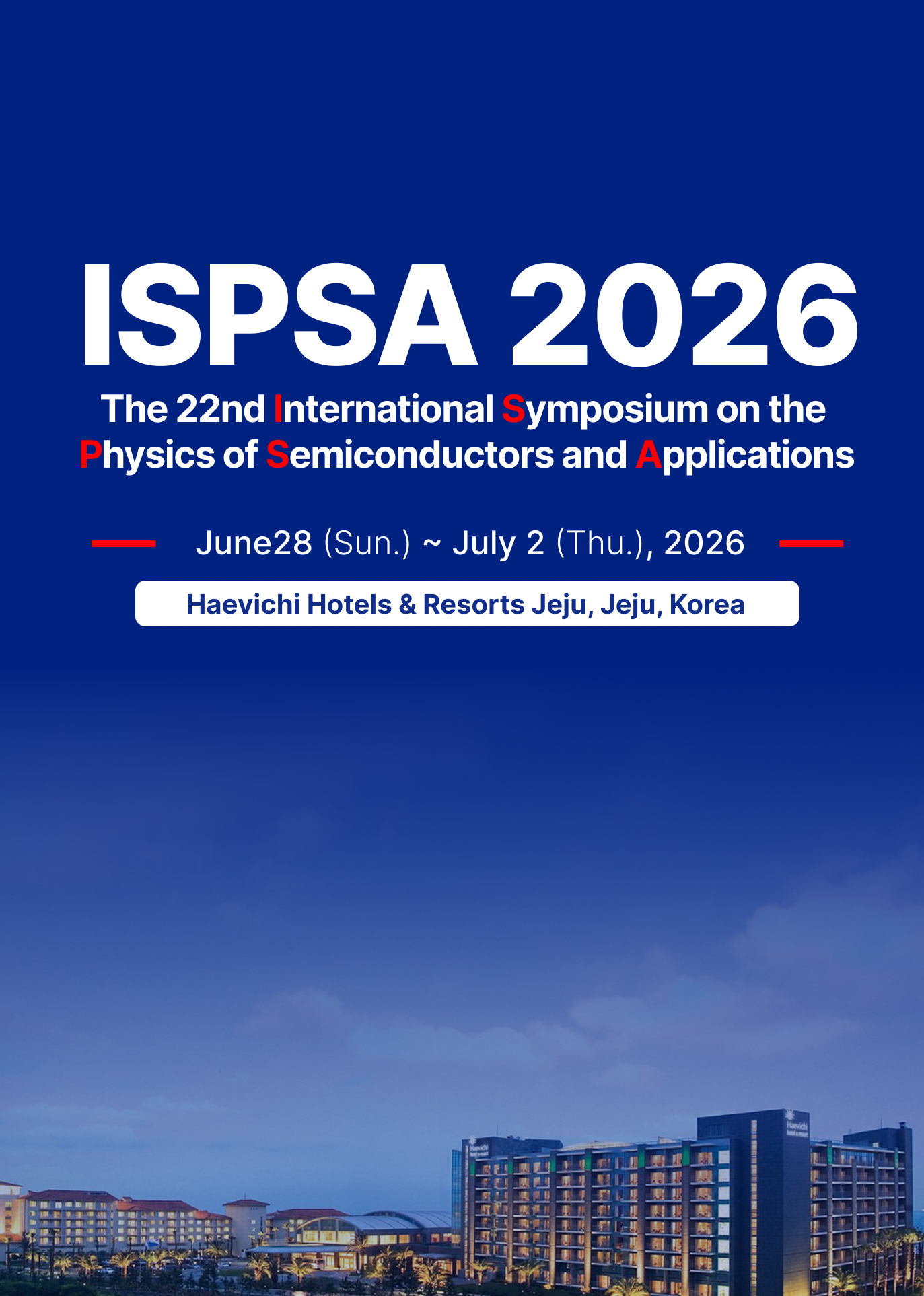
The 22nd International Symposium on the Physics of Semiconductors and Applications (ISPSA 2026) |
| 2026-06-28 ~ 2026-07-02 |

|
|
The 15th Asia-Pacific Conference on Transportation and the Environment (APTE 2026) |
| 2026-07-08 ~ 2026-07-10 |

|
|
ACEM26 / Structures26 (ACEM26) |
| 2026-08-24 ~ 2026-08-25 |
Journal Promotion

|
| Acta Koreana (Acta Koreana) |

|
| Acta Via Serica (AVS) |

|
| Advances in Concrete Construction (Advances in Concrete Construction ) |

|
| Advances in Nano Research (Advances in Nano Research) |

|
| Computers and Concrete (Computers and Concrete) |

|
| Earthquakes and Structures, An International Journal (Earthquakes and Structures) |

|
| Geomechanics and Engineering (Geomechanics and Engineering) |

|
| Journal of Information Processing Systems (JIPS) |

|
| Journal of Internet Computing and Services (KSII - JICS) |

|
| Membrane and Water Treatment (MWT) |

|
| Smart Structures and Systems (Smart Structures and Systems) |

|
| Steel and Composite Structures, An International Journal (Steel and Composite Structures) |

|
| Structural Engineering and Mechanics, An International Journal (Structural Engineering and Mechanics) |

|
| Wind and Structures, An International Journal (Wind and Structures) |




MANUSCRIPTLINK © 2015 -
